


THE FARALLONITES Comes to Santa Barbara For Two Performances Only in February
The performances are on February 4 at The Lobrero Theatre at 3pm and 7pm.

Berkeley-based Dana Lawton Dances has scheduled two performances, of The Farallonites, at the Lobero Theatre in Santa Barbara on Saturday, February 4. This follows its near sold out run in San Francisco in September and subsequent tour in Thailand that followed in October.
Originally scheduled to debut in San Francisco in March of 2020, only to be shut down by the pandemic lockdown, this multi-disciplinary enterprise was inspired by a poem from Jennifer Kulbeck that told the story of the children of lighthouse keepers on the Farallones being tethered to boulders as they played hide and seek in the dense fog in order to not accidentally fall into the ocean. It features an original musical score, ambient sounds, spoken word, and other stagecraft to palpably transport the audience to a place and time much different from our own.
The dancing recalls a golden age of choreographic exuberance. The kind that Agnes De Mille brought so sensitively to the fore in her work on such classic musicals as Oklahoma and Brigadoon. In other words, while the cast may not sing, their dancing does.
As Justin Ebrahemi of San Francisco's KQED Public Radio & Television San Francisco noted, "If you've never considered the human spirit of lighthouse keepers and their loved ones, this performance is sure to make you think the next time you hear San Francisco's fog horns."
When The Farallonites finally debuted in SF after the delay of two years due to the pandemic, the piece felt more personal to Lawton and the dancers than ever. When asked if the pandemic that has made conceptions of isolation very much more real to everyone or had changed her ideas about life on the Farallons, she responded: "No, it has confirmed them. Especially of the importance of ritual in everyday tasks, the fragility of life and the utter importance of tenacity."
The length of the postponement was much longer than Lawton and her crew anticipated. "Some might use the word 'interminable," says Lawton. "But we loved dancing outside, especially at the beach, recreating water and waves, two distinct sections originally choreographed in the studio. Working with the element of water informed the movement in new ways, as did dancing in strong winds and the rain."
A major part of the piece is about the dancers exploring the harsh physical conditions, repetitive labor, and isolation the families who lived on the Farallons and took care of the Lighthouse, endured. "Tasks such as collecting water and the arduous journey on a daily basis to climb the steep hill in order to get to the lighthouse will define the dance," says Lawton. "Not to mention the labor involved with carrying heavy whale oil to keep the lamp itself lit, all while dealing with the elements, the water, the waves, birds and stars. Also the toll taken on their emotions by the isolation, the duty, and the boredom will come into play."
Lawton describes herself as "obsessed" with the Farallons and the lives that those who chose to live there led - and who in a way have become a muse. "What drew them to such inhospitable place as the Farallons? I think it was about practicality," she says. "It was a job and a chance to have stability when the Bay Area was going crazy with the gold rush. And perhaps some thought of it as a higher duty to serve others as a way of meeting a need, but in Victorian times things were not very romanticized so there's a good chance that it may well have been a 'just what people do' situation, all of which I find to be very compelling tells about tenacity, resilience and human nature."
Ultimately The Farallonites is about the lighthouse and living in close quarters cut off from the rest of world on an otherworldly landscape surrounded by fog, water, diving birds and sharks.
Collaborators include set designer Jon Altemus whose research about the island has been key and poet Jennifer Kulbeck whose extensive research resulted in her poems becoming a primary creative source for the production.
|
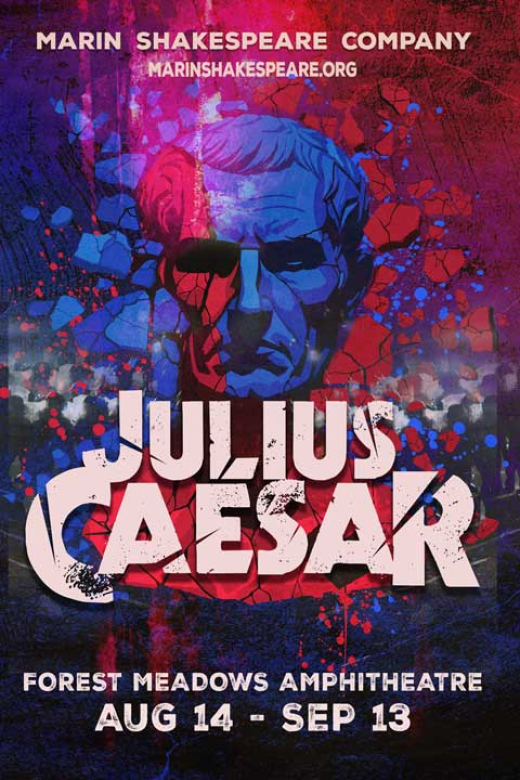
Julius Caesar Marin Shakespeare Company (8/14-9/13) |

|
Pickleball Hillbarn Theatre (8/20-9/13) |
|
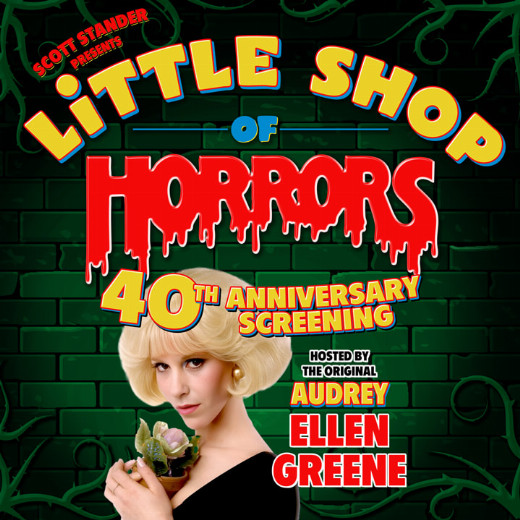
Little Shop of Horrors 40th Anniversary Tour with Ellen Greene (the Original Audrey) Curran Theatre (8/16-8/16) |
|
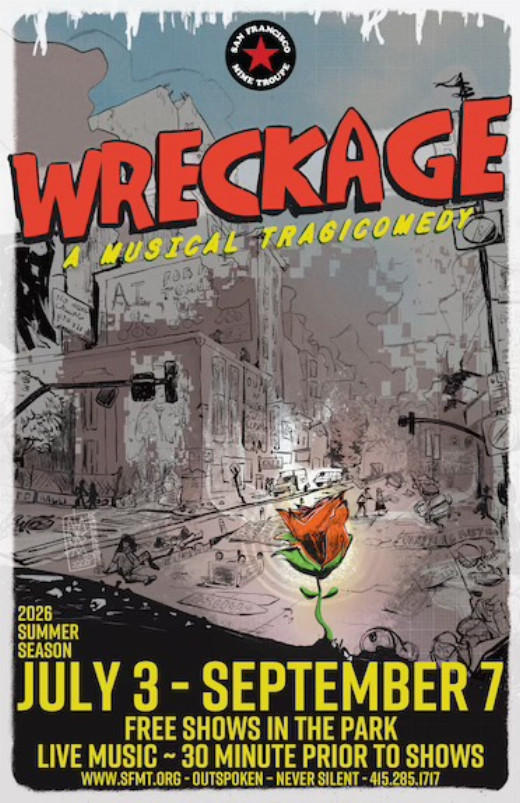
WRECKAGE: A Musical Tragicomedy San Francisco Mime Troupe (7/03-9/07) |
|
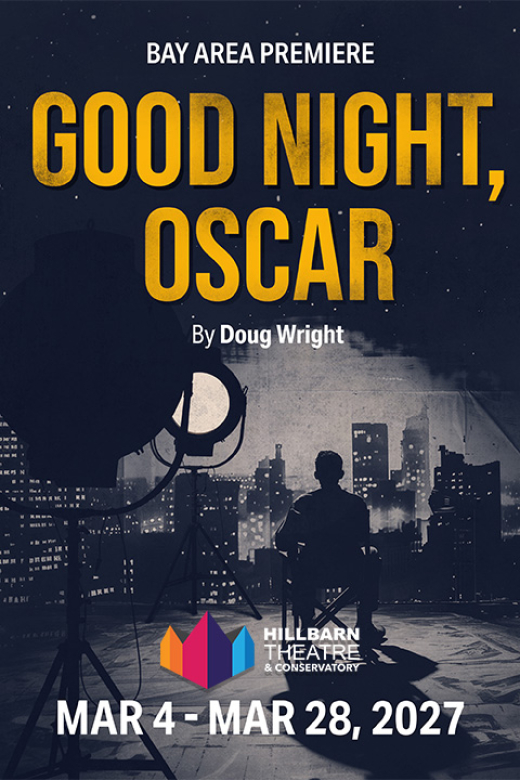
Good Night, Oscar Hillbarn Theatre (3/04-3/28) |

|
Robyn DeGuzman’s Enough Free The Marsh Berkeley (8/28-8/30) |

|
Based on a Totally True Story City Lights Theater Company (1/21-2/14) |
|
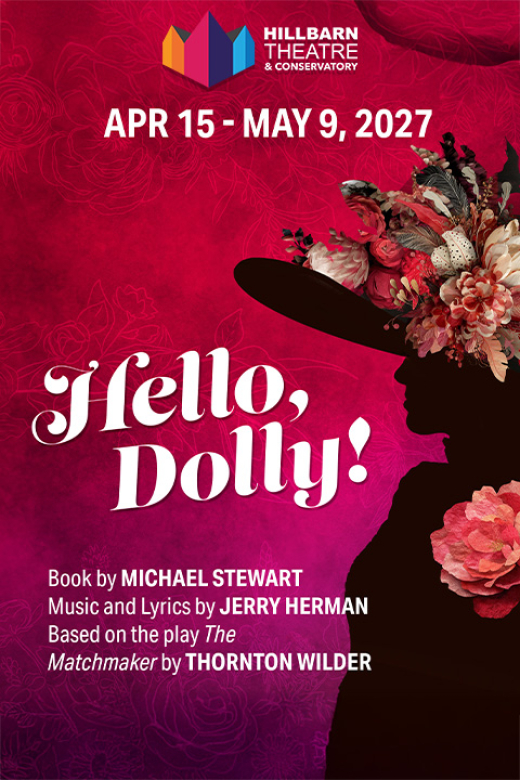
Hello, Dolly! Hillbarn Theatre (4/15-5/09) |

|
Sara Felder’s Class Act The Marsh (8/12-8/15) |
|
Ride the Cyclone City Lights Theater Company (7/16-8/23) |