


Interview: Marisa Caruso Explores Mental Health in HOW TO MAKE A DOLL at Brooklyn Art Haus
The 1/25 show is about dementia, family, and the transformative power of making something by hand
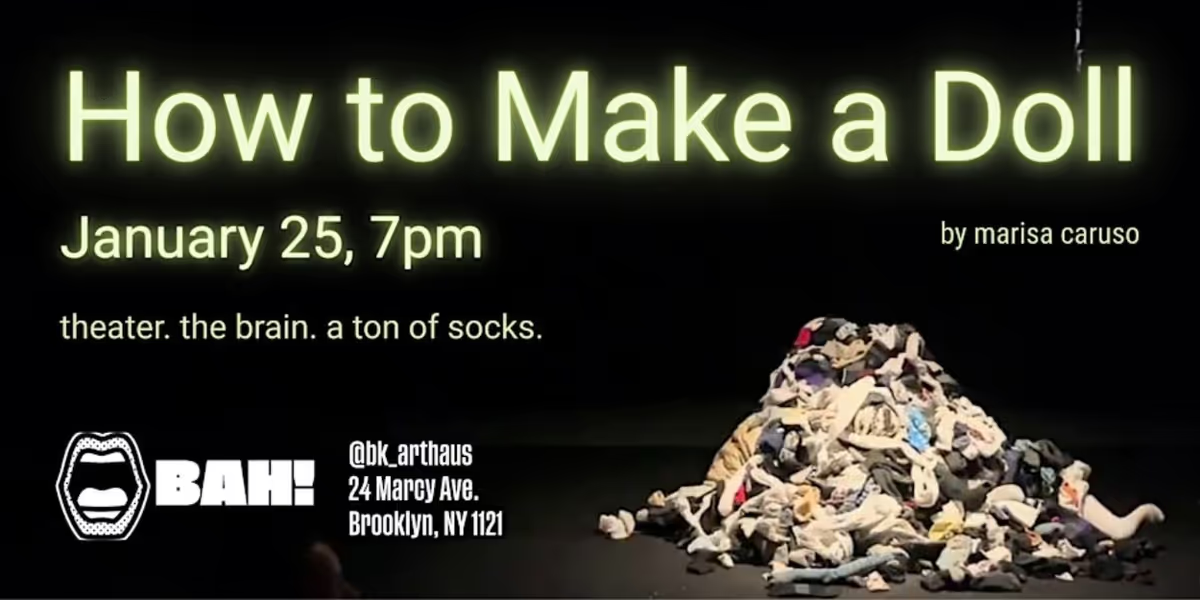
On Sunday January 25, 2026 at 7 pm, performer and writer Marisa Caruso will present her new solo show, How to Make a Doll at Brooklyn Art Haus in Williamsburg. How to Make a Doll is an interdisciplinary show blending research, memoir, and a healthy dose of absurdity, exploring dementia, family, and the transformative power of making something by hand.
Read a conversation with Caruso about the show.
What’s your elevator pitch for someone who’s unfamiliar with your work to come see this show?
Where do brain anatomy, dollmaking, depression, and healing overlap? How to Make a Doll is an interdisciplinary solo performance by Marisa Caruso that blends memoir, research, and absurdity to explore mental health and the transformative power of creation. Digging through memory, medical texts, and a towering pile of socks, Caruso searches for meaning in the failures of family and Western medicine. Video, puppetry, sound, and text collide in an experience where grief meets humor, science meets art, and when words fail, making something by hand becomes a last resort.
(Or in my most defensive, self-conscious and self-loathing short version: Come see an adult woman roll around in a pile of socks and cry about her mom! LOL)
How is American mental health right now?
American mental health is in jeopardy. Mental Health America's 2025 report shows that about 23% of adults in America experience some mental illness. According to the same report, New York is ranked #1 for access to mental health services in relation to expressed need, but anecdotally I have many friends who struggle with mood disorders and whose support is either limited or not effective. If that's the best there is in this country, we're in trouble.
Mental illness affects everyone- of course it directly affects the people experiencing the illness themselves, but the condition ripples through families, friends and neighbors, changing the fabric of relationships and communities- so the current mental health crisis in America is everyone's challenge. Like the illnesses themselves, the road to recovery from this crisis is likely to be long and uncertain, especially considering our changing social structures.
The Harvard Study of Adult Development (one of the longest studies of human behavior, started in 1938) shows that the #1 signifier of a happy satisfied life is the strength of a person's relationships. Between post-Covid isolation, the increasingly digital lives people lead, and harsh polarized cultural and political landscapes, people are feeling more lonely and distant from each other than perhaps at any other time in history. Entertainment, groceries, and with AI chatbots, even intimate relationships are all available without leaving home.
My one comfort in the theater, and live gatherings more generally, is that they provide those community spaces and relationship-building experiences that combat isolation and promote mental health. The strange upside of America's mental health crisis is that it's so common now that the stigma surrounding depression, substance use disorder and the broad range of mental illnesses has weakened with the expansion of awareness, education, research, and openness from public figures.
Where did the inspiration for this show come from?
Creating this show was a necessity- a kind of exorcism- to process the grief, guilt, and powerlessness I experienced witnessing my mother's battle with mental health and her subsequent descent into dementia. I wanted to understand what happened through an act of creation because 1) that's how my brain works and 2) because my mother is an artist. She made these beautiful sock dolls when I was growing up and the metaphor of artistry, memory, autonomy and loss began to pile up (literally). In the end there is no rationalizing these kinds of experiences so a performance or creative act allows the abstract and symbolic to speak for themselves rather than explain anything with finality. It was very healing and transformative to create.
Tell me a little about what the process of crafting and revising the show has been like so far.
With extremely emotional and intimate material, the process was laborious, slow, and at times unwilling. I knew I wanted to create a performance project based on this experience at some point, but decisions about whether it was my story to tell, whether to share it literally or more figuratively, what form it should take, and how on Earth to get started, delayed it for several years. I never wanted to deal with the material that was my family's tragedy, either in real life or as an art project. The performance includes a great deal of struggle and resistance that physicalized this feeling. I began collecting medical text and researching the brain back in 2021, but it wasn't until I applied for and received funding in 2024 that I actually began to work on the piece seriously. I wrote material independently based on memory, research, wonderings and prompts from several close friends and collaborators who worked with me in a series of contained residencies where I developed the movement and explored the visual identity of the performance. I've presented a mostly finished version of the piece twice- once in Buffalo and once in the Catskills following residencies, but it changes a bit each time as technical adjustments are made and I collect audience responses. When there is time, I hold a post-show conversation which provides an outlet for audience members to share their own experiences with the show and with mental health. This has the quite moving effect of connecting the whole room together, and it informs me of what people resonate with in the piece, which I take into account for further development.
Have you learned or uncovered anything unexpected since you started working on this?
I learned quite a bit from my literal research of the brain and history of electroshock therapy, which- surprise!- has a starring role in this story, but what ended up being more profound was the zen quality of managing pain, illness and the unknown- that the "why" is less important than the "being" as a way of healing.
What next steps do you have in mind for the show?
I am continuing to develop the piece, adding and experimenting with new elements (and also nixing elements for different small venues) but I hope to take it on the road for a limited tour, and hit a fringe festival at some point. I'm partnering with a counseling center in Fall 2026 to present the piece in conjunction with a panel of mental health experts and speakers who have experienced mental health struggles and I'm curious about exploring further collaborations between theater and the medical field.
Learn more about Marisa on Instagram here.
Tickets to How to Make a Doll on January 25 are available on Eventbrite here.
Sign up for all the news on the Fall season, discounts & more...
|
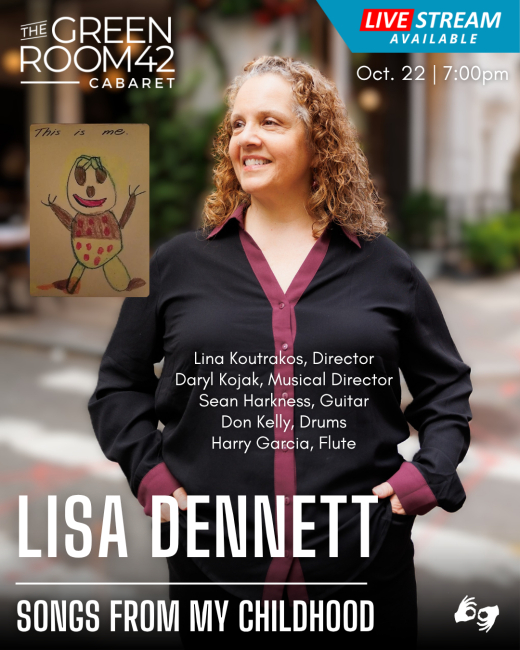
Songs From My Childhood The Green Room 42 (10/22-10/22) |
|
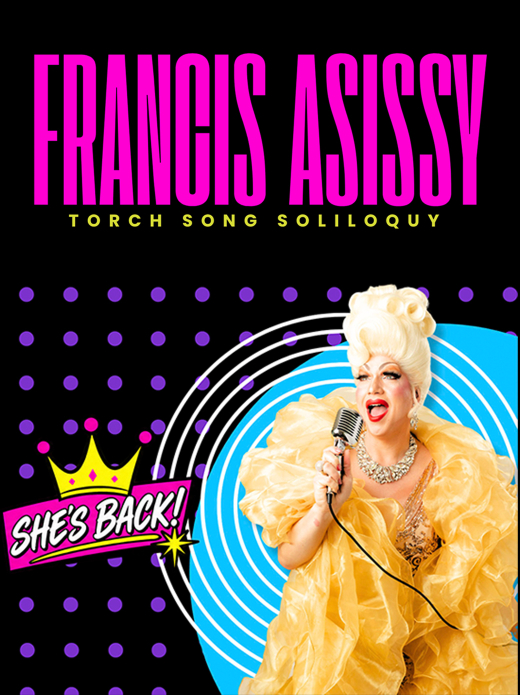
Torch Song Soliloquy Laurie Beechman Theatre (10/07-10/07) |
|
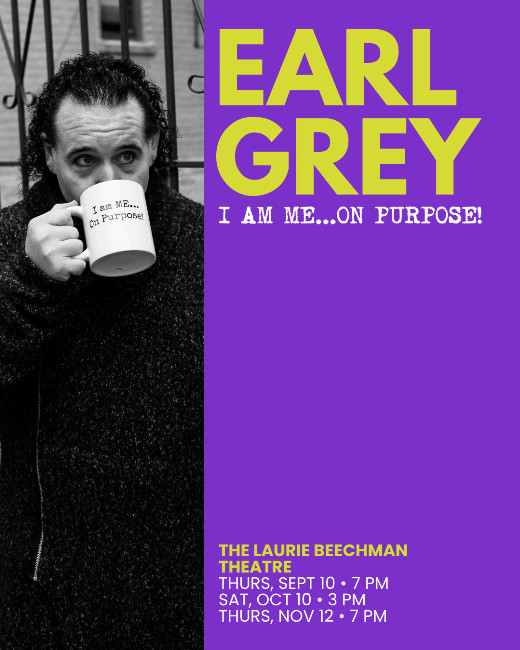
I am ME - on Purpose! The Laurie Beechman Theatre (10/10-1/10) |
|
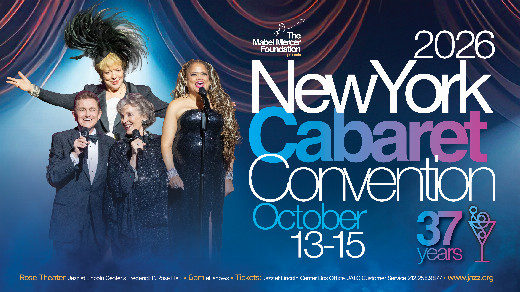
The 37th New York Cabaret Convention Jazz AT Lincoln Center's Rose Theater (10/13-10/15) |
|
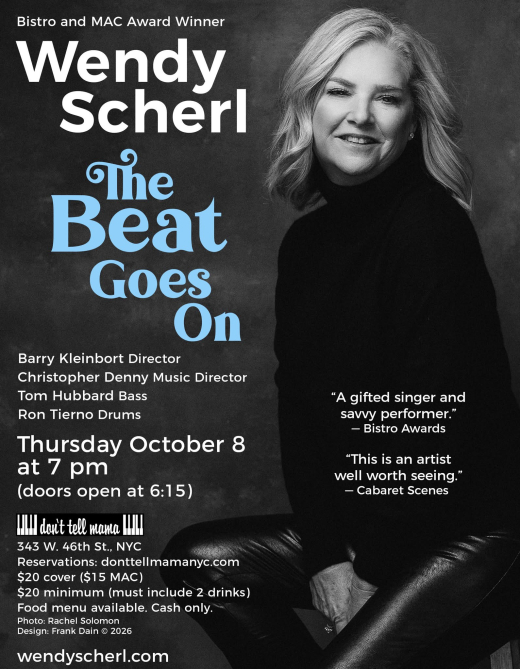
The Beat Goes On Don't Tell Mama (10/08-10/08) |

