NEW YORK, October 25, 2026 — Director Christine Haroutounian discusses her debut feature, After Dreaming, in which a soldier and a young woman form an unexpected bond in post-war Armenia. Film critic Vadim Rizov moderates the conversation. (19 min., 42 sec.) This program is part of Our Century: Spiraling Paths Through Armenian Cinema, five films made by Armenian filmmakers from different parts of the world and across different periods. Subscribe for more videos like this: http://AsiaSociety.org/YouTube --- Support Asia Society today: http://AsiaSociety.org/Donate --- Subscribe to our newsletter to stay connected: https://asiasociety.org/email-subscriptions --- Facebook: http://facebook.com/AsiaSociety Instagram: http://instagram.com/AsiaSociety Twitter: http://twitter.com/AsiaSociety LinkedIn: http://linkedin.com/company/asia-society/ #asiasociety #asiasocietynewyork #armenia
Asia Society Museum
Museum · Upper East Side
Location
725 Park Ave, New York, NY 10021 · Get Directions
Asia Society Museum Videos
NEW YORK, October 24, 2026 — Actress and filmmaker Nora Armani discusses Harutyun Khachatryan’s “Last Station”, which follows Egyptian-Armenian actors in search of artistic fulfillment, belonging, and home. Film critic Sona Karapoghosyan moderates the conversation. (17 min., 5 sec.) This program is part of Our Century: Spiraling Paths Through Armenian Cinema (https://asiasociety.org/new-york/our-century-spiraling-paths-through-armenian-cinema), five films made by Armenian filmmakers from different parts of the world and across different periods. Subscribe for more videos like this: http://AsiaSociety.org/YouTube --- Support Asia Society today: http://AsiaSociety.org/Donate --- Subscribe to our newsletter to stay connected: https://asiasociety.org/email-subscriptions --- Facebook: http://facebook.com/AsiaSociety Instagram: http://instagram.com/AsiaSociety Twitter: http://twitter.com/AsiaSociety LinkedIn: http://linkedin.com/company/asia-society/ #asiasociety #asiasocietynewyork #armenianfilm
Musician, Cambodian genocide survivor, human rights activist, and founder of Living Arts International, Arn Chorn-Pond shares how music saved his life and the enduring power it holds to promote peace and understanding. Arn was one of several inspiring honorees celebrated at our annual Asia Game Changer Awards. Follow along for more red carpet interviews! 🎤
Former Indonesian Minister of Trade Gita Wirjawan (@gwirjawan) discusses Southeast Asia's growing economic divide and its correlation with educational attainment. Watch his full conversation with former U.S. Ambassador to Brunei Darussalam and #CenterforChinaAnalysis Senior Fellow Craig Allen and CCA Fellow Kevin Zongzhe Li.
New York Times columnist Li Yuan talks at China Books Review's panel discussion about China's psychological scars, and the personal consequences of political movements in China's living memory.
MELBOURNE, October 20, 2026 — In this conversation, 2026 Melbourne Asia Game Changer Icon Awardee Melissa Leong reflects on growing up between two cultures, the importance of representation in media, and the role of food in shaping cultural identity. She also discusses the connections that can be lost across generations and shares advice for the next generation. (14 min., 44 sec.) Subscribe for more videos like this: http://AsiaSociety.org/YouTube --- Support Asia Society today: http://AsiaSociety.org/Donate --- Subscribe to our newsletter to stay connected: https://asiasociety.org/email-subscriptions --- Facebook: http://facebook.com/AsiaSociety Instagram: http://instagram.com/AsiaSociety Twitter: http://twitter.com/AsiaSociety LinkedIn: http://linkedin.com/company/asia-society/ #asiasociety #asiasocietyaustralia
More in The Upper East Side
More Museums
Asia Society Museum News
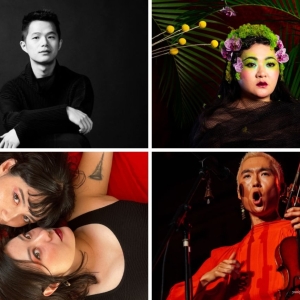
Musical Performance MORNING MIST NIGHT THUNDER: Du Yun and Friends Announced at Asia Society
Asia Society will present Morning Mist Night Thunder: an exciting interplay of sound and storytelling, on Thursday, March 13 at 7:30 p.m. Morning Mist Night Thunder is part of the Asia Electric series.

Asia Society Presents COAL + ICE Climate Change Programs
Explore the COAL + ICE climate change programs presented by Asia Society through August 11.
SHALL WE GATHER AT THE RIVER World Premiere to be Presented at Park Avenue Armory
This May, Shall We Gather at the River—a musical call to climate action delivered through powerful performances of J.S. Bach’s cantatas and Black American spirituals—will make its world premiere at Park Avenue Armory. Learn more about the show!
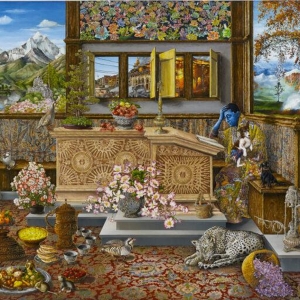
Frist Art Museum Presents Luminous Paintings By Raqib Shaw Merging Fable, History, And Autobiography
The Frist Art Museum presents Raqib Shaw: Ballads of East and West, an exhibition of intricate paintings of dream-like, mysterious realms that blend Eastern and Western influences. Organized by the Frist Art Museum and the Isabella Stewart Gardner Museum, the exhibition will be on view in the Gordon Contemporary Artists Project Gallery from September 15 through December 31, 2023.

Asia Society Museum Presents MIRROR IMAGE
Asia Society Museum presents Mirror Image: A Transformation of Chinese Identity, an exhibition of 19 artworks by seven artists, born in mainland China in the 1980s, opening at Asia Society Museum on June 15.
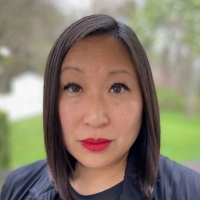
Yun Mapplethorpe Named Director Of Katonah Museum Of Art
The Board of Trustees of the Katonah Museum of Art (KMA) announced today the appointment of Michelle Yun Mapplethorpe as the Museum's next Executive Director. Bringing over 25 years of experience as a curator, art historian, and museum director, Yun Mapplethorpe comes to Katonah from Asia Society, where she has served for over a decade, most recently as Vice President for Global Artistic Programs and Director of the Asia Society Museum.
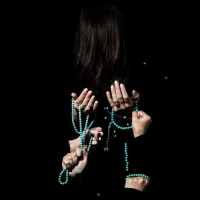
Asia Society Announces Artist List For Inaugural Asia Society Triennial
First citywide festival celebrating contemporary art from Asia will unfold at venues across New York City including Asia Society Museum, Governors Island, the New-York Historical Society, David Geffen Hall at Lincoln Center, Times Square Arts, and other locations
Asia Society Presents 'Season Of India' Program Series In Conjunction With Landmark Exhibition Of Modern Indian Art
Asia Society presents a series of events to spotlight the multidimensional aspects of the most populous democracy in the world through the lens of arts, culture, business, and policy.
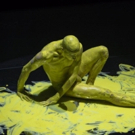
Shen Wei Presents Expressions In Dance, Art And Film
Asia Society New York will host an illuminating evening with acclaimed choreographer Shen Wei on March 27. Wei will discuss his artistic inspirations and working processes in a far-reaching dialogue on Buddhism, childhood memories, explorations of dreamscapes, and his journeys to Tibet with YiLing Mao, Executive Director of Art Collectives LLC. His dance company, Shen Wei Dance Arts, will perform some of his most iconic pieces including Folding, Re-Part II, and Neither. Selections of his paintings will be discussed in depth alongside a world premiere screening of his recent short film, Innerspace, a poetic exploration of how we navigate space, untethered from nature in our vast modern constructs-set in and around one of China's striking new works of architecture. The event is hosted in conjunction with Unknown Tibet: The Tucci Expeditions and Buddhist Painting, on view at Asia Society Museum through May 20, 2018.

Asia Society Explores Memory, Resilience And Renewal In Cambodia
Asia Society and Cambodian Living Arts present Light after Darkness: Memory, Resilience and Renewal in Cambodia. A panel discussion with Angelina Jolie, Rithy Panh, Phloeun Prim and Loung Ung, moderated by Darren Walker

Julie Taymor Chats THE LION KING Milestone on NYC-ARTS Today
NYC-ARTS, THIRTEEN's weekly arts and culture multi-platform showcase, brings artslovers an all-access pass to the interesting, unusual and unique cultural offerings of the greater New York City region. On November 16, the series will feature the program's co-host and New York Emmy winner Paula Zahn in conversation with Tony Award-winning director of theater, opera and film, Julie Taymor.
Times Square Arts Announces New Year Season Programming Schedule
Times Square Arts, the public art program of the Times Square Alliance, presents the New Year Season, December 2017 February 2018. As part of the Alliance's commitment to showcasing the best of contemporary art, this season's lineup includes works from ArandaLasch + Marcelo Coelho, UNDERVOLT & CO and FX Harsono as well as partnerships with Design Trust for Public Space, Clocktower, Asia Society Museum, and Socrates Sculpture Park.

BWW Morning Brief November 3rd, 2017: Jason Mraz Joins WAITRESS, PRESENT LAUGHTER on PBS, and More!
Good morning, BroadwayWorld! Today's big news: Jason Mraz joins WAITRESS, PRESENT LAUGHTER on PBS, and more!
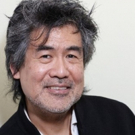
David Henry Hwang & Julie Taymor Chat M. BUTTERFLY Today at Asia Society Museum
Asia Society continues its discussions and events, including David Henry Hwang and Julie Taymor in conversation about M. Butterfly's return to Broadway. Scroll down for details!
Julie Taymor to Chat THE LION KING Milestone on NYC-ARTS This Month
NYC-ARTS, THIRTEEN's weekly arts and culture multi-platform showcase, brings artslovers an all-access pass to the interesting, unusual and unique cultural offerings of the greater New York City region. On November 16, the series will feature the program's co-host and New York Emmy winner Paula Zahn in conversation with Tony Award-winning director of theater, opera and film, Julie Taymor.
Asia Society Museum Frequently Asked Questions
- What are the closest subway stops to Asia Society Museum?
-
The closest subway stops to Asia Society Museum at 725 Park Ave are:
1. 68th Street-Hunter College Station (6 train): This station is located at Lexington Avenue and 68th Street, just a short walk from the museum. You can take the 6 train to this station and then walk east on 68th Street to reach the museum.
2. 63rd Street-Lexington Avenue Station (F and Q trains): This station is located at Lexington Avenue and 63rd Street, also within walking distance of the museum. From this station, you can walk north on Lexington Avenue and then turn right onto East 70th Street to reach the museum.
Both of these subway stations are conveniently located near the Asia Society Museum and provide easy access to other parts of the city as well.
As for related recommendations, I suggest checking out Central Park, which is just a few blocks west of the museum. It's a beautiful green oasis in the heart of the city and offers a variety of activities such as walking, biking, and picnicking. You can also visit the nearby Metropolitan Museum of Art, which is one of the world's largest and most renowned art museums.
For subway updates and information on service changes, delays, and planned maintenance, you can visit the official website of the Metropolitan Transportation Authority (MTA) at www.mta.info. They provide real-time updates and helpful resources to make your subway journey smooth and hassle-free.
Enjoy your visit to the Asia Society Museum and have a great time exploring New York City!
- What's the best way to get to Asia Society Museum by bus?
-
The closest bus stops to Asia Society Museum at 725 Park Ave in New York City are:
1. Madison Ave/E 70 St: This bus stop is served by the M1, M2, M3, and M4 buses. You can check for updates on the MTA website [here](https://new.mta.info/).
2. Lexington Ave/E 70 St: This bus stop is served by the M101, M102, and M103 buses. You can check for updates on the MTA website [here](https://new.mta.info/).
Please note that bus routes and schedules are subject to change, so it's always a good idea to check for updates before your trip. Enjoy your visit to Asia Society Museum!
- How much time should I plan to spend at Asia Society Museum?
-
The ideal length of time to plan to spend at the Asia Society Museum in New York City varies depending on your level of interest in Asian art and culture. On average, visitors typically spend about 1-2 hours exploring the museum's exhibitions and galleries. However, if you are a true art enthusiast or have a deep interest in Asian culture, you may want to allocate more time to fully immerse yourself in the museum's offerings.
The Asia Society Museum showcases a diverse range of contemporary and traditional art from across Asia, including paintings, sculptures, ceramics, textiles, and more. In addition to the permanent collection, the museum also hosts temporary exhibitions that rotate throughout the year, so be sure to check their website for the latest information on what is currently on display.
While exploring the museum, take your time to appreciate the intricate details and stories behind each artwork. You may also want to participate in any guided tours or educational programs offered by the museum to enhance your experience and gain deeper insights into the exhibits.
Ultimately, the amount of time you spend at the Asia Society Museum is up to you and your personal interests. Whether you're a casual visitor or an avid art enthusiast, a visit to this museum is sure to be a rewarding and enriching experience.
- Can I bring food and drinks into Asia Society Museum?
-
The Asia Society Museum in New York City has a strict no food or drink policy inside the exhibition areas. This policy helps to preserve the artwork and maintain a clean and respectful environment for all visitors. However, there is a café located on the premises where you can enjoy a meal or grab a beverage before or after your visit to the museum. The café offers a variety of delicious options, including both Asian and Western cuisine, and is a great place to relax and refuel. So, while you can't bring food or drinks into the museum, you can definitely satisfy your cravings at the café!
- Does Asia Society Museum offer luggage storage?
-
The Asia Society Museum in New York City does not have a luggage storage facility on-site. However, there are several options available nearby where you can securely store your belongings while you visit the museum.
One convenient option is to use a luggage storage service such as Vertoe or LuggageHero. These services have partnerships with local businesses, including hotels and shops, where you can drop off your bags for a small fee. They provide secure storage and often have multiple locations throughout the city, making it easy to find one close to the Asia Society Museum.
Another option is to check if your hotel offers luggage storage for guests. Many hotels in New York City provide this service, allowing you to store your bags before check-in or after check-out.
Lastly, if you are traveling with larger luggage or have specific needs, you may want to consider using a traditional luggage storage facility. There are several of these facilities located near popular tourist areas and transportation hubs in the city.
Remember to plan ahead and check the operating hours and fees of any luggage storage service or facility you choose. This will ensure a smooth and hassle-free visit to the Asia Society Museum and other attractions in New York City.
- Is Asia Society Museum a good place to visit for foreign travelers who are not native English speakers?
-
Yes, the Asia Society Museum in New York City is definitely worth a visit for visitors from other countries and non-English language speakers. The museum is known for its diverse collection of Asian art, including ancient artifacts, contemporary works, and rotating exhibitions. It offers a unique opportunity to explore the rich cultural heritage of Asia.
While English is the primary language used in the museum, there are several features that make it accessible and enjoyable for non-English speakers. The museum provides multilingual audio guides in various languages, including Mandarin, Japanese, and Korean, which offer detailed explanations and insights into the artworks on display. Additionally, the museum's signage and labels often include translations in multiple languages, making it easier for visitors to understand the context and significance of the artworks.
Furthermore, the Asia Society Museum frequently hosts cultural events, performances, and lectures that showcase the diverse traditions and customs of Asia. These events often incorporate music, dance, and other forms of expression that can be appreciated by all, regardless of language barriers.
Overall, the Asia Society Museum is a welcoming and inclusive destination for visitors from around the world. It offers a unique opportunity to immerse oneself in the art and culture of Asia, and its efforts to accommodate non-English speakers make it an excellent choice for international visitors.
- What ages are appropriate for Asia Society Museum?
-
The Asia Society Museum in New York City welcomes visitors of all ages! While the exhibits are designed to engage and educate visitors of various ages, children and adults alike can enjoy the diverse range of art and cultural displays. Families with children will particularly appreciate the museum's efforts to provide interactive and educational experiences. So, whether you're traveling with kids or exploring solo, the Asia Society Museum is a fantastic destination to immerse yourself in the rich and vibrant cultures of Asia.
.gif?width=300)