


Review: Neil Diamond Musical A BEAUTIFUL NOISE Arrives at OC's Segerstrom Center
Structured around a revelatory therapy session, this nostalgic, concert-heavy bio-musical is a guaranteed crowd-pleaser for Diamond fans.
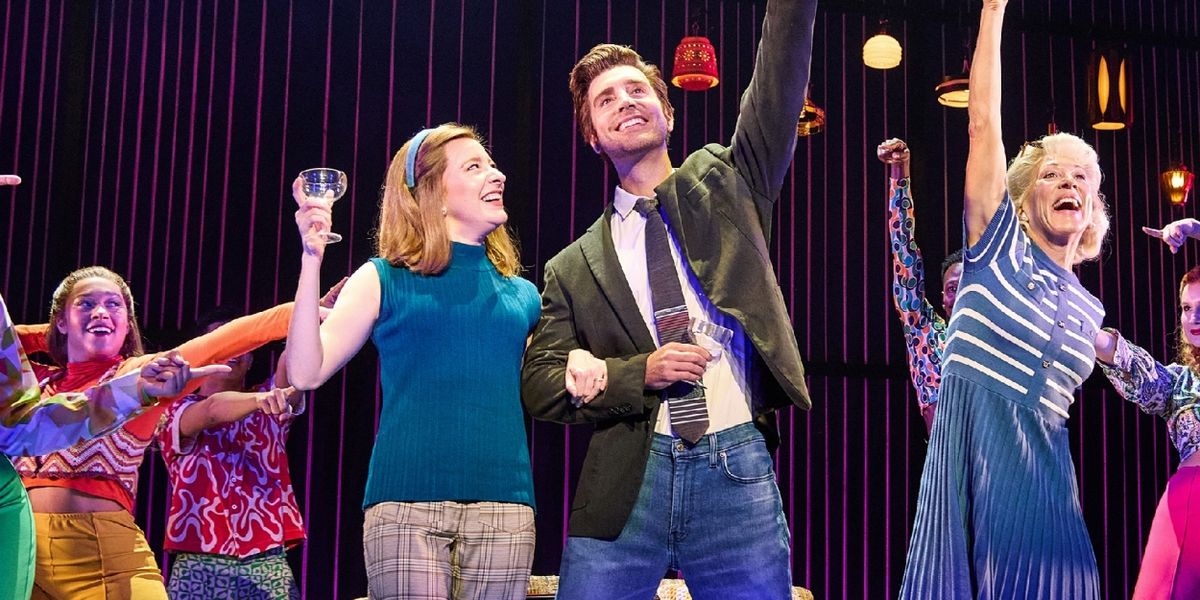
First… a bit of a confession.
Going into the OC Opening Night performance of the national touring company of A BEAUTIFUL NOISE - THE Neil Diamond MUSICAL, I am a little ashamed to admit that I was only familiar with, at most, 2 to 3 songs of legendary singer-songwriter Neil Diamond from his long, Grammy Award-winning career, despite him being touted as one of the best-selling musicians of all time.
With no specific pre-show expectations whatsoever—except, maybe, having the premonition that a sing-along will no doubt break out during Diamond's crowd pleasing hit "Sweet Caroline" (and, haha, I was right)—I sat down to experience this national touring version of the 2022 jukebox bio-musical based on the life and music of Diamond with nearly a blank slate, hoping to learn much more about this infamous superstar during this hits-filled show (which, by the way, will also be honored later this year with a Hugh Jackman/Kate Hudson film entitled Song Sung Blue).
And, for the most part, I did indeed learn a lot more about the artist behind those sequined/fringed outfits and raspy vocal stylings beyond what it says on his official biography.
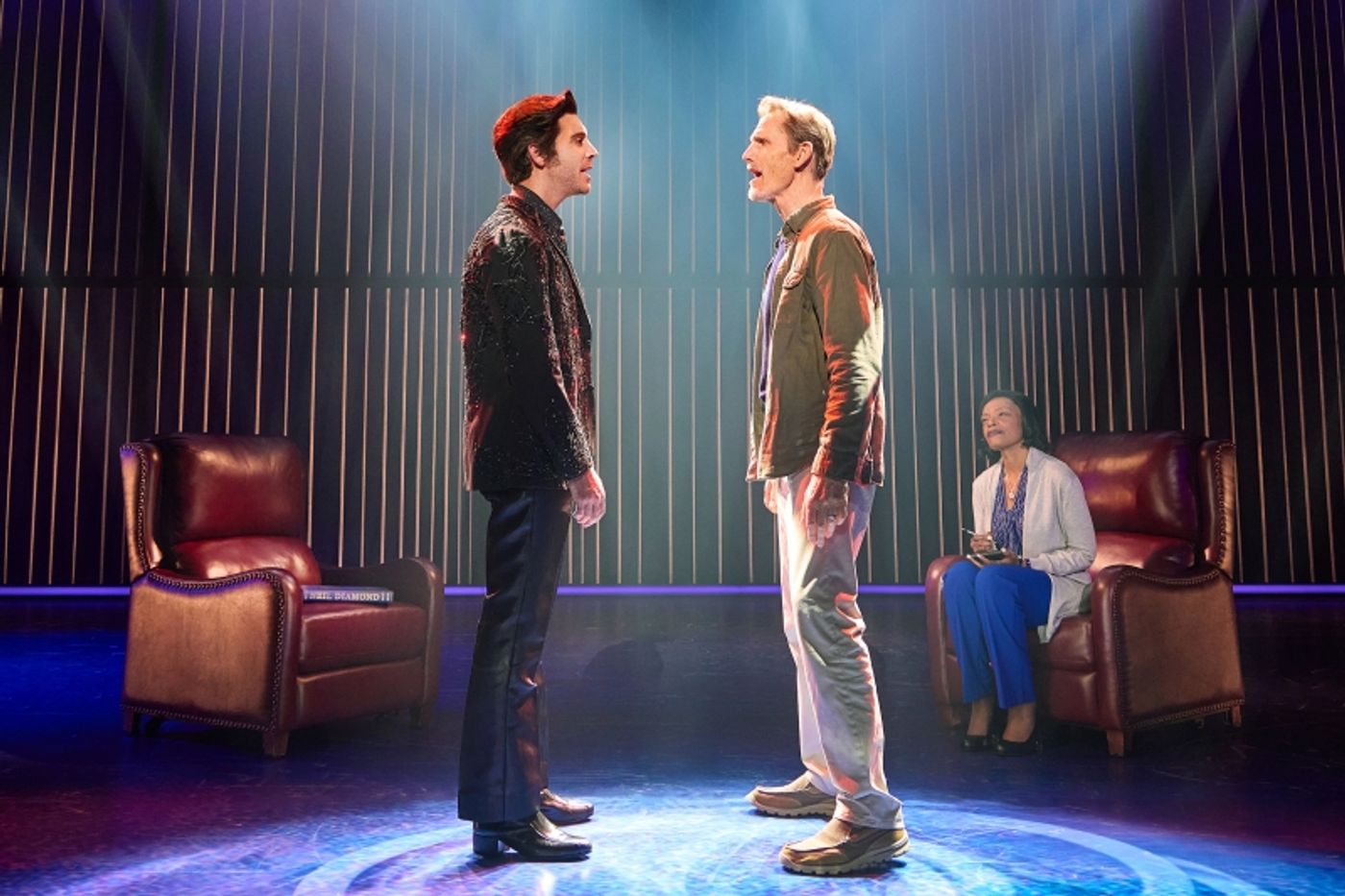
Featuring a book written by Anthony McCarten (the screenwriter of Bohemian Rhapsody and The Theory of Everything), A BEAUTIFUL NOISE—which continues performances at Segerstrom Center for the Arts in Costa Mesa through Sunday, August 10—unravels in two acts via a clever framing device: a therapy session between present-day Neil (identified as "Neil–Now" played with palpable, cantankerous tension by Robert Westenberg) and an empathetic psychotherapist (the commanding Lisa Reneé Pitts) that he works with to explore his past and to, perhaps, gain some personal, healing insight.
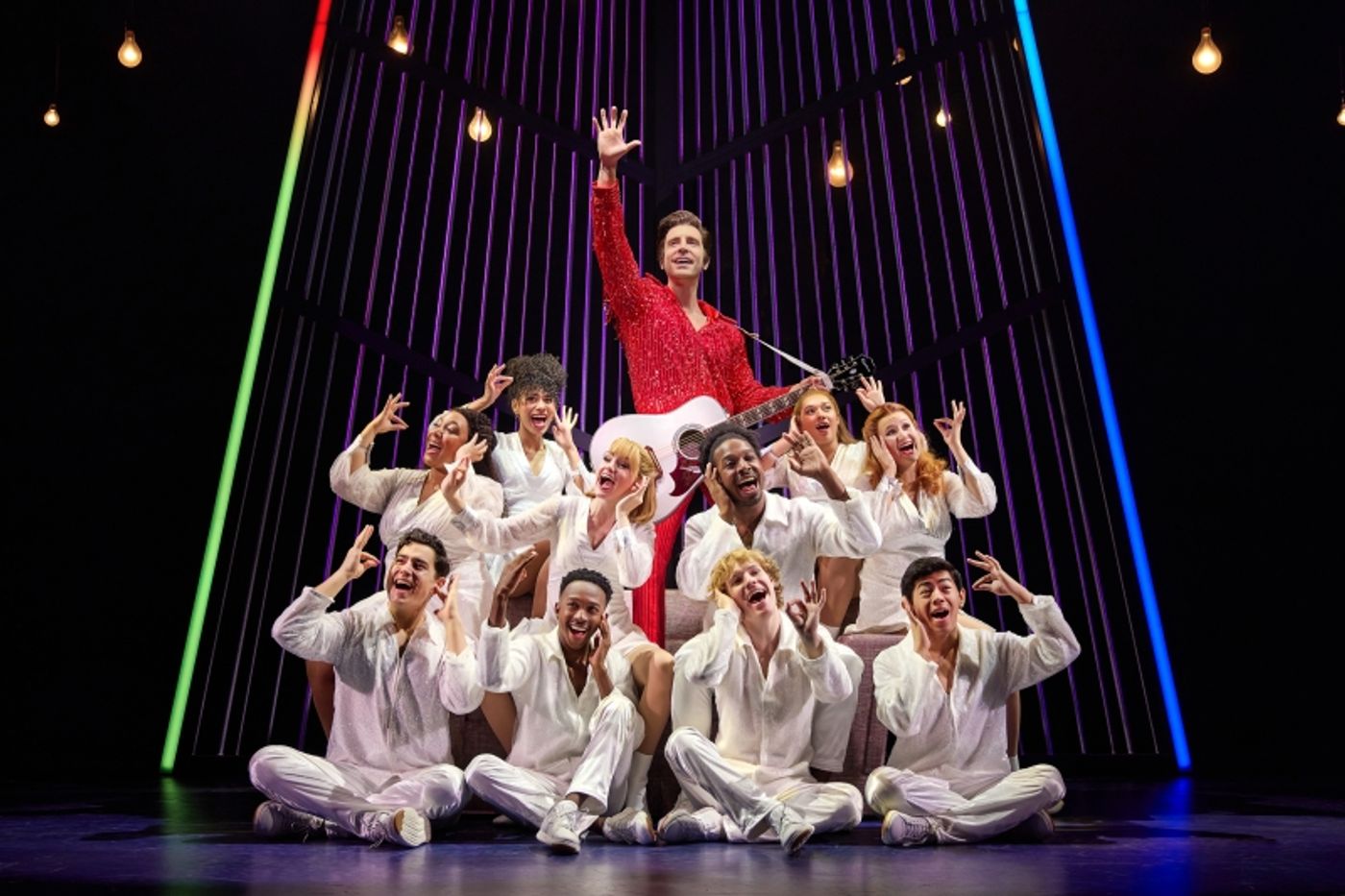
The purpose, of course, of this intriguing narrative framework is that it allows Diamond's story to unfold for us as a series of flashbacks, interspersed with a cavalcade of iconic Diamond tunes that are supposed to mirror significant emotional beats in his life.
"I put everything that I am into my songs!" Neil declares.
This admission, naturally, sparks an idea in Neil's doctor to read aloud lyrics from an Encyclopedia-sized copy of The Complete Lyrics of Neil Diamond, hoping that these lyric prompts will nudge him to recall any specific memories that might shed some light on the source of his current troubles and anxieties.
As expected, these lyrics trigger flashbacks that come to vivid, theatrical life right before our eyes, where we meet a much younger Neil (referred to as "Neil—Then," played impressively by 2015 American Idol winner Nick Fradiani), a shy, introspective young man borne from Jewish immigrant parents who exhibited a clear passion for songwriting. We also learn that his moniker is his actual name, not a stage name.
From here, the musical traces his early beginnings as, first, a prolific songwriter-for-hire at the Brill Building (where his song "I'm A Believer" becomes a surprise hit for The Monkees) before being urged to step out into the spotlight himself as a solo performer by his brassy boss Ellie Greenwich (the wonderfully ribald Kate A. Mulligan), who instantly recognizes his genuine talents and distinctive voice.
As "Neil—Then" is seen progressively rising to global superstardom with hits like "Sweet Caroline," "Cracklin' Rosie," "Cherry, Cherry," and "America," the musical also explores both the euphoric highs and personal costs of that stardom.
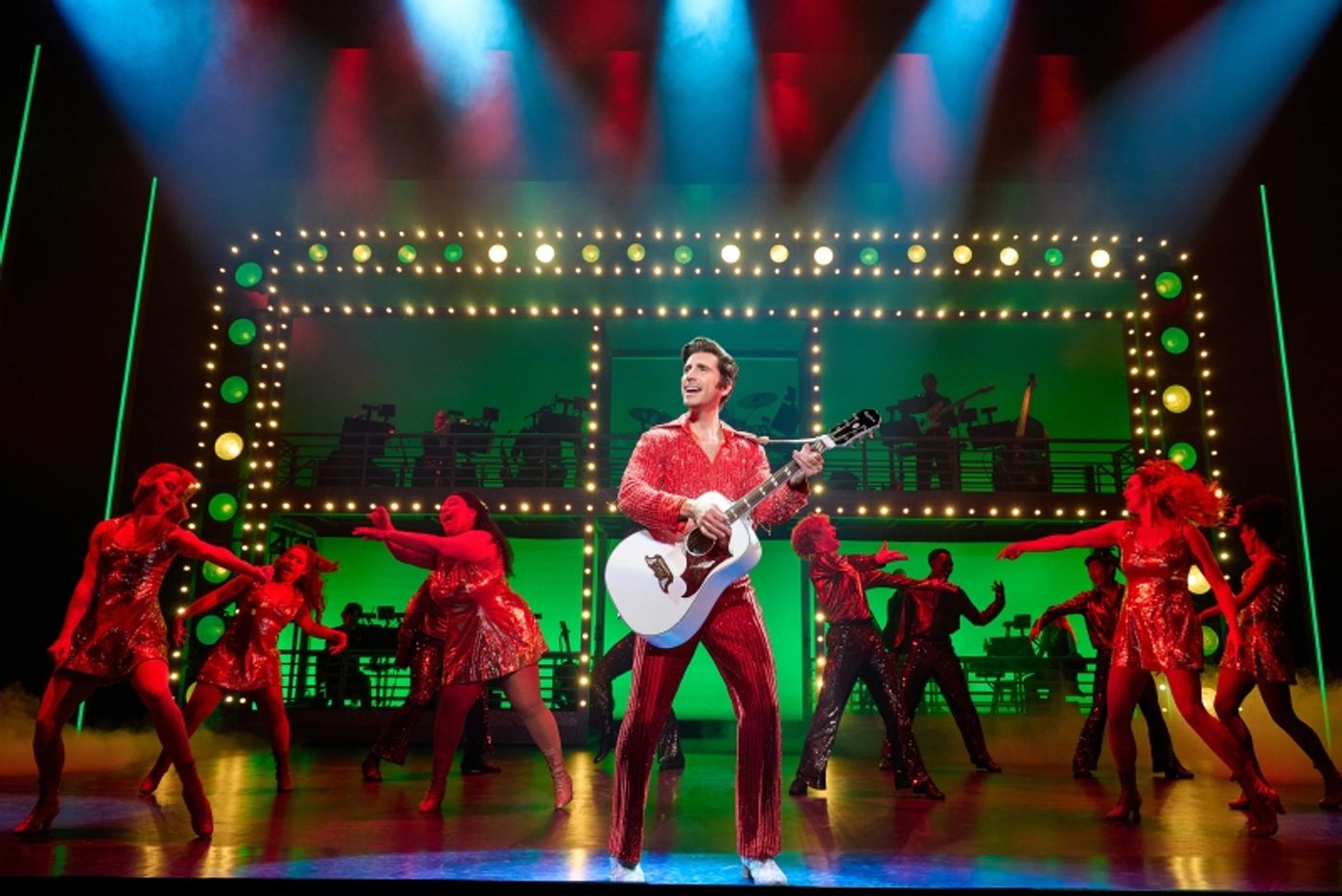
Along the way, the show's gorgeously limber ensemble cast, lovingly referred to as "The Beautiful Noise," sing, act, and dance as either ghostly, ethereal spirits that hover around Neil or as backup singers/dancers in real concert performances—all to help recreate Neil's life through enriched vocals and mesmerizing dance moves choreographed by Steven Hoggett.
Appearing throughout as either muses, supporters, observant bystanders, or spiritual guides at any given moment, these impressive, triple-threat performers are hardworking and extremely talented as they aid in stitching Neil's narrative into easily digestible (if a little thin) chapters of love, loneliness, and legacy—which delve into Diamond's marriages and divorces, the emotional toll of fame on his loved ones, and his persistent, often depression-triggering drive for artistic fulfillment.
More than anything, the musical really touches on his battles with self-doubt, his complicated relationship with the spotlight, and his eventual retirement from touring following a debilitating Parkinson's diagnosis—making him wonder whether all that sacrifice was worthwhile.
Though the structure of slowly revelatory therapy sessions is a unique, promising narrative device that, ideally, would bring about deeper dives into one's story, much of the show's book feels like a set of bullet points of a life to check off as he goes—and one that only barely skims the surface. The notion that Diamond's lyrics are a direct window to his soul and his true, innermost thoughts doesn't feel genuinely proven throughout, except, perhaps, not until the very end when he has his long-awaited "A-Ha!" moment.
I did, though, really love the tender heartbreak exchanged between "Neil–Then" and the fabulous Hannah Jewel Kohn who plays Diamond's second wife Marcia Murphey—a spitfire of a woman who had to be left lonely and all alone with their children as Diamond went on the road—on a cleverly repurposed "You Don't Bring Me Flowers," one of the few songs that felt genuinely reflective of the drama happening in the moment it happens.
Predictably, these apparent lyric examinations and conversations between "Neil–Now" and his therapist are just simply not-so-subtle ways to introduce the next song in Diamond's discography—revealing just how much of a nostalgia-baiting push there is to create a fan-centric show that doles out his greatest hits within some kind of organized chronological order. While I didn't mind this that much—mostly because I knew that it's happening and understand the motivation—but I did mind that it all felt like a sort of cop out to make the show more musically efficient rather than narratively impactful.
Eventually, "Neil—Now" has to reach some kind of emotionally-charged catharsis (apparently), and so this culminates in a heartfelt, triumphantly-delivered rendition of "I Am...I Said," that allows him to finally confront himself and his past failures and accept its consequences, bringing his therapy arc full‑circle—well, at least that's what we all assume must have happened because everyone smiles, he sings with a new sense of vigor, and then the cast take their bows before another quick sing-along of "Sweet Caroline" is initiated that has everyone in the audience beaming with delight.
To be completely honest, I'm still not quite sure what exactly happens during that final epiphany or what this big revelation is in these final moments of the show, because the confusing nature of it—he recalls a past moment from his youth that apparently made sense—felt like such a hurried conclusion, jumbling up early childhood trauma with his lifelong anxieties to fashion a kind of ending that, I guess, gives him some clarity and perspective.
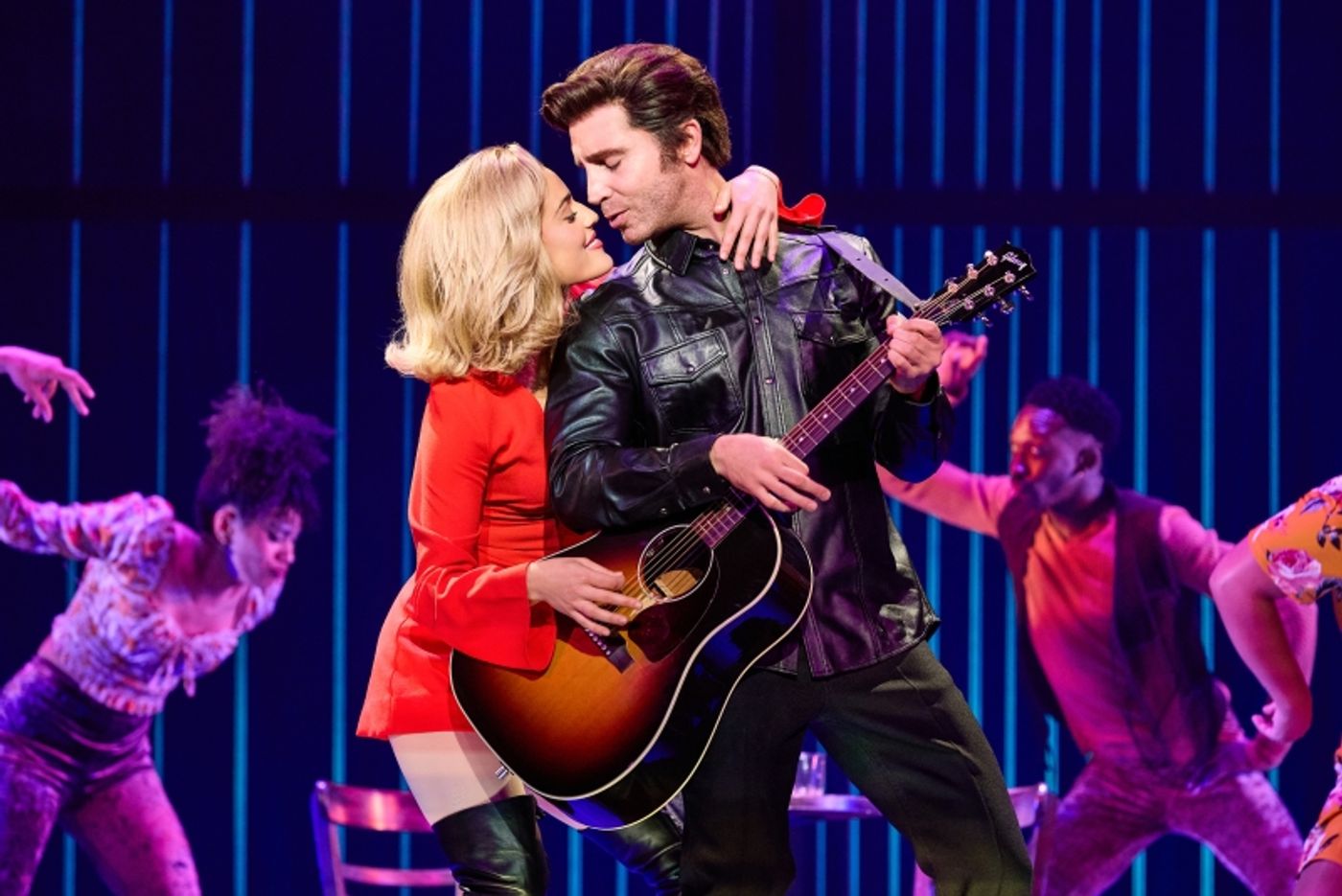
Not much more is gleaned from seeing his deep depression and failed marriages play out, as well as how much of a factor being a Jewish child of Polish immigrants exacerbated his long-held guilt to be successful at all costs. We get the gist, I suppose… Diamond was under a lot of pressure (mostly self-imposed, maybe?) to stay successful, even if sustaining that success meant it's at the expense of spending quality time with the ones he loved. Right? Is that what he learned in the end?
Yet, with all that said, it is simply futile not to admit that A BEAUTIFUL NOISE is nonetheless an entertaining show—and, at the very least, definitely an excellent musical overview of Diamond's prowess as a musician, songwriter, and popular, wide-reaching entertainer.
As the younger, concert-performing Neil, Fradiani channels the real-life star very convincingly, both through his raspy voice quality and perceived quieter persona. By contrast, the adult, more dialogue-heavy Neil played by Westenberg provides a more emotionally in-touch counterpoint, providing lively exchanges with his inquisitive therapist played by the excellent Pitts, who serves as the show's version of an Oprah Winfrey / Iyanla Vanzant / Christiane Amanpour hybrid trying to get the real T from Diamond.
Other cast standouts include Tiffany Tatreau who plays Diamond's first wife Jane Posner; Tuck Milligan who plays Fred Weintraub, manager of the Bitter End Coffeehouse in Greenwich Village where Diamond had his first public showcase; and Michael Accardo as Bert Berns, co-owner of BANG! Records, Diamond's publishing home in the mid-60's.
Music-wise, the show is auditory heaven for Diamond music fanatics, with an incredible on-stage band—led by musical director James Olmstead—that delivers concert-worthy accompaniment complete with brassy horns and terrific guitar riffs. I had wondered why there wasn't a pit for this show, so their reveal in Act 2 playing music behind the back curtain this whole time is a nice little surprise.
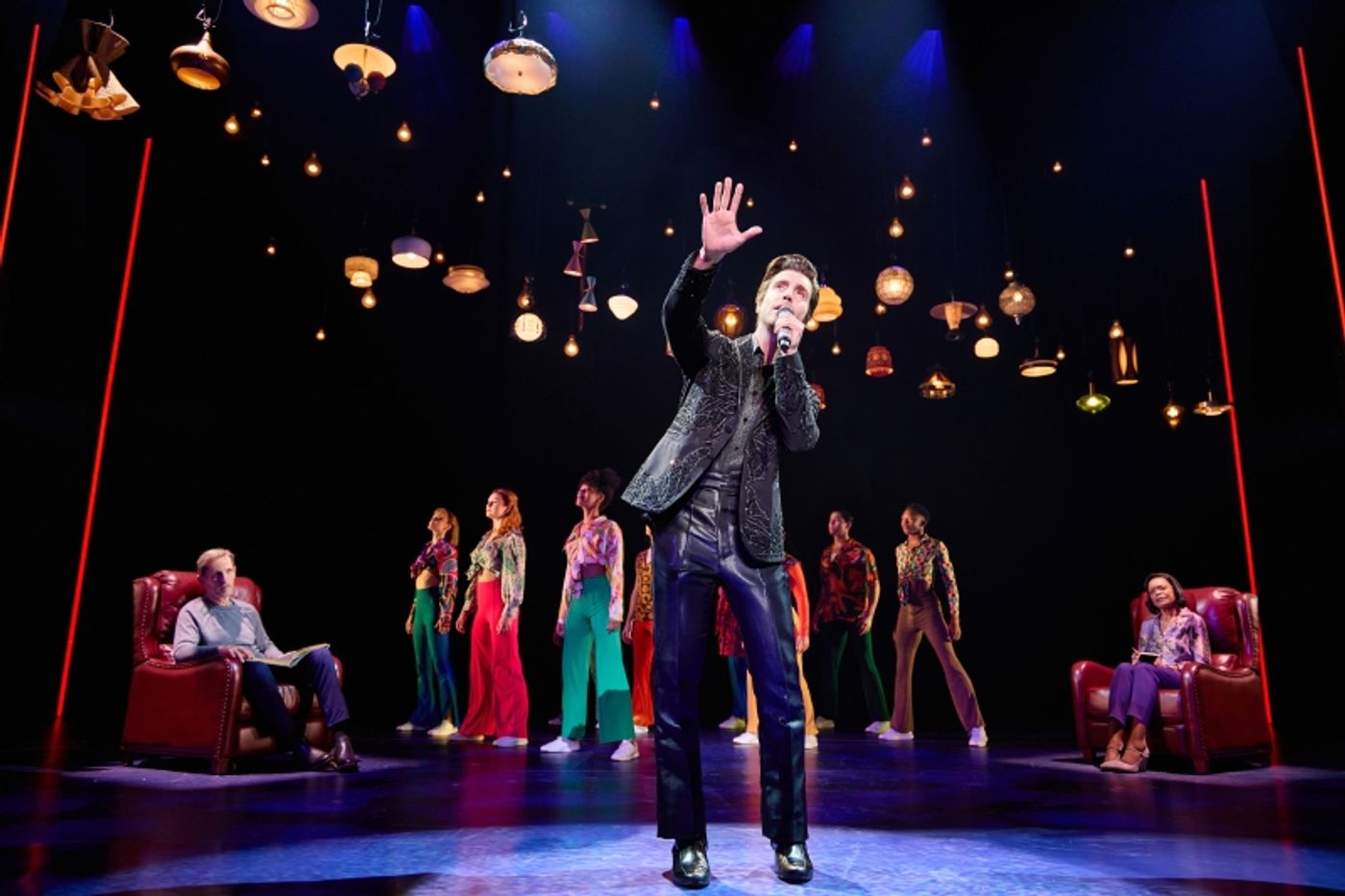
Combined with the gorgeously harmonic singing of its superb cast, Diamond's songs are presented with an infectious energetic verve you could only expect to get with musical theater. As the backdrop for all this action, David Rockwell's functional, minimalist scenic designs create distinctive spaces that effectively convey rooms like recording studios, executive suites, and, yes, "safe-space" therapy offices, while also revealing a multi-tiered set of platforms as stand-ins for the many spectacular concert venues Diamond played over the decades.
Dancing-wise, the ensemble is solid and extremely committed to the material and its execution. What I appreciated a lot is noticing that choreographed moves purposefully appear to be what separates reality from the imagined—the more abstract and lyrical the moves are, the more they appear to live outside of Neil's reality. Meanwhile concert performances feel authentic to their respective eras, aided by Emilio Sosa's vivid costumes that adorn the cast. And, man, these guys can moooove. I gotta admit, I was not expecting that from a Neil Diamond musical.
Overall, A BEAUTIFUL NOISE—after the lights have dimmed and the last bits of confetti have fallen—comes off as guaranteed musical candy for Neil Diamond devotees—especially in its current form as a polished, tidy, nostalgia-baiting jukebox musical loaded with familiar hits, sprinkles of sparkle, and enough vocal authenticity to make fans of his music swoon. The impressive performances—from the lead vocals to the "Beautiful Noise" ensemble's hypnotic, lyrical dance moves—bring a measurable level of enjoyment.
But as a deep-dive drama? It's, well… just fine—and Diamond fans will surely enjoy it as is.
But for the rest of us who are new or not-so-attached to this superstar's adult contemporary oeuvre, the show's narrative stakes are satisfactory, but a bit paper-thin. While certainly clever in concept—and, sure, there are doses of broad humor and soapy histrionics included here—the book often sacrifices real, emotional complexity for palatable, crowd-pleasing moments, and this therapy-session-as-framing-device never truly develops into the kind of character exploration one hopes for in a definitive bio-musical.
Director Michael Mayer keeps things swiftly moving, but rarely lets us truly absorb catharsis, making the show feel more like a greatest‑hits concert with filler book scenes. And for audiences wanting a communal "Sweet Caroline" sung loud and proud, A BEAUTIFUL NOISE delivers—twice (and with the house lights up).
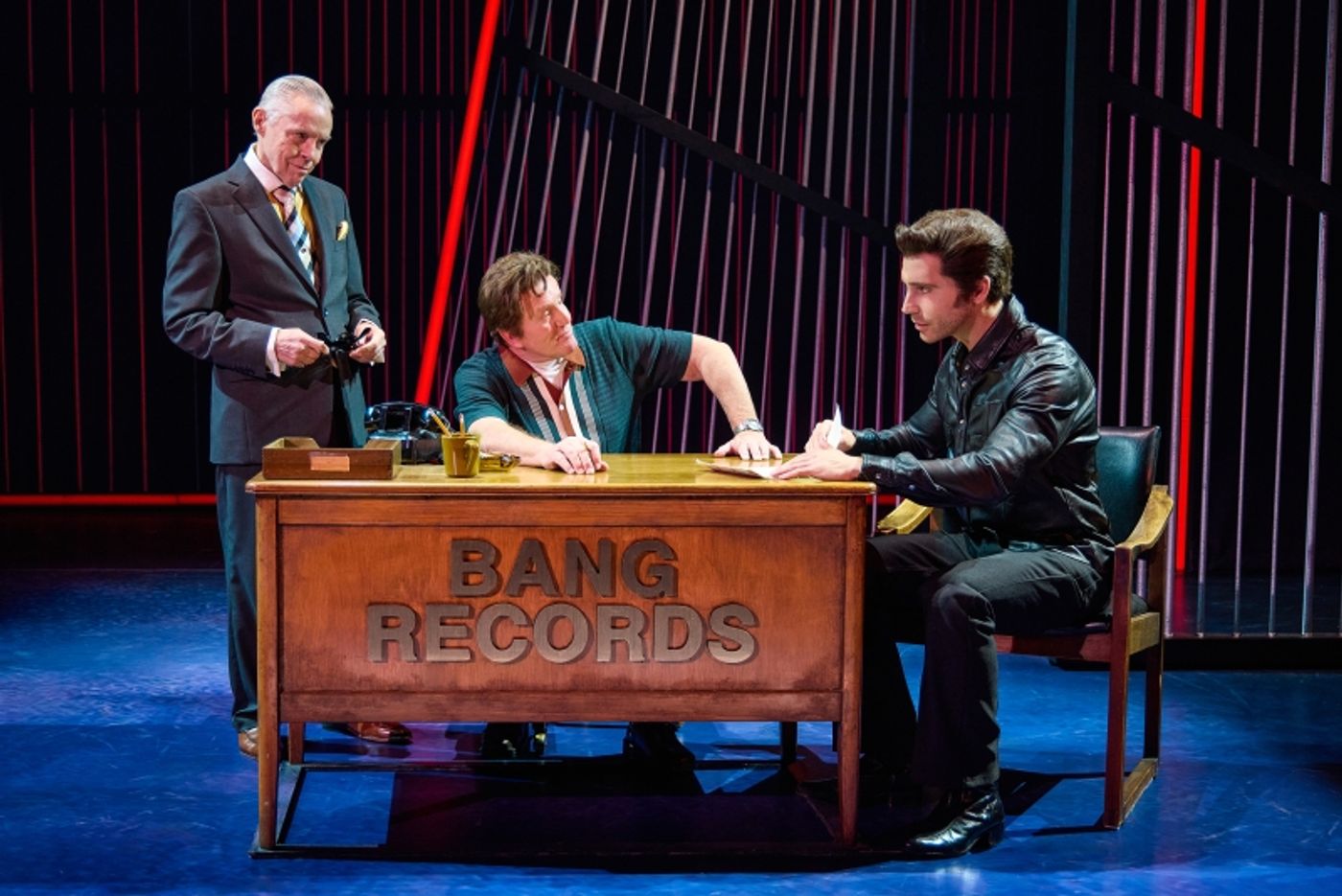
The show undeniably gleams with endearing nostalgia and musical energy, brought forward by its excellent ensemble performances. But for purist musical theater audiences hoping to see a more revelatory Neil Diamond biography, the emotional substance of an otherwise intriguing life never quite rises above an American Idol-style homage. Ultimately, the surface beauty in A BEAUTIFUL NOISE is definitely present, but the noisy parts give themselves a fighting chance, too, making this show a crowd-pleasing primer, but not a deeply-profound theatrical portrait.
* Follow this reviewer on Bluesky / Instagram / Threads / X: @cre8iveMLQ *
-----
Photos from the National Tour of A BEAUTIFUL NOISE by © Jeremy Daniel, courtesy of Segerstrom Center for the Arts.
Performances of THE Neil Diamond MUSICAL - A BEAUTIFUL NOISE continue at Segerstrom Center for the Arts in Costa Mesa, CA through August 10, 2025. Tickets can be purchased online at www.SCFTA.org, by phone at 714-556-2787 or in person at the SCFTA box office (open daily at 10 am). Segerstrom Center for the Arts is located at 600 Town Center Drive in Costa Mesa. For tickets or more information, visit SCFTA.org.
Photo Credit: Jeremy Daniel

|
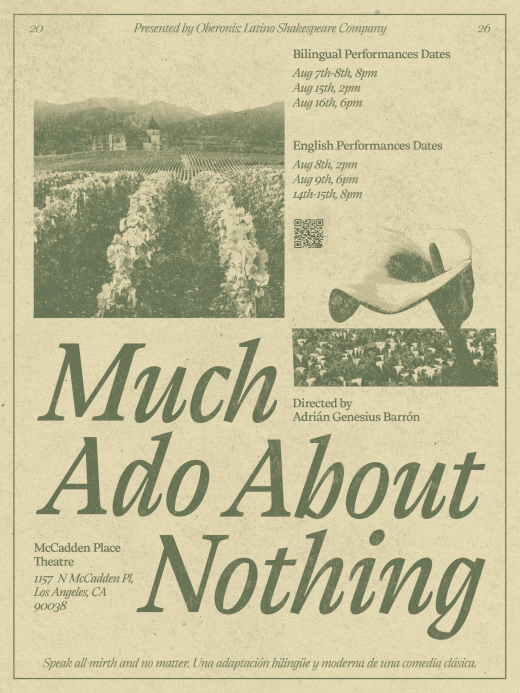
Much Ado About Nothing McCadden Place Theatre (8/07-8/16) |
|
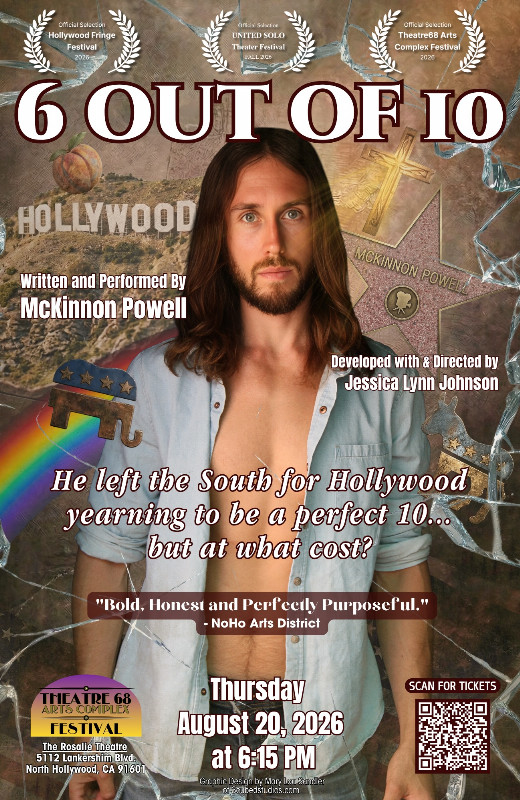
6 Out of 10 Theatre 68 (8/20-8/20) |
|
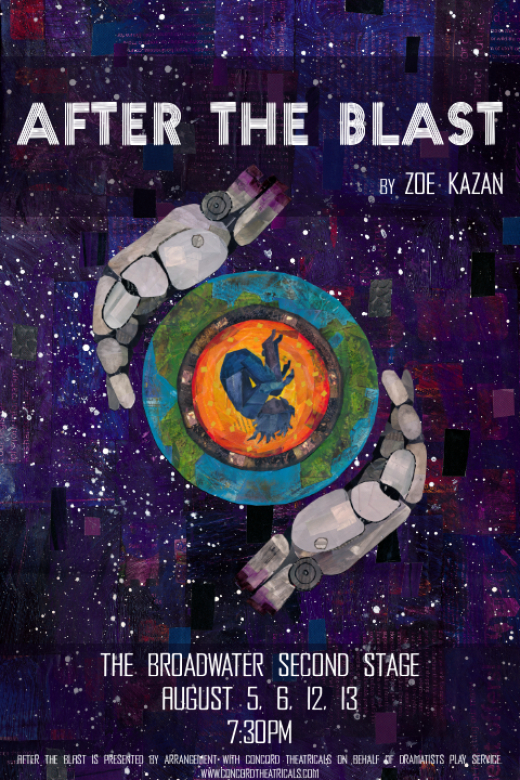
After the Blast The Broadwater Second Stage (8/05-8/13) |
|
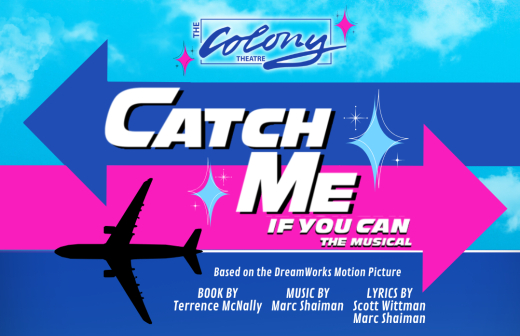
Catch Me If You Can Colony Theatre (9/17-10/18) |
|
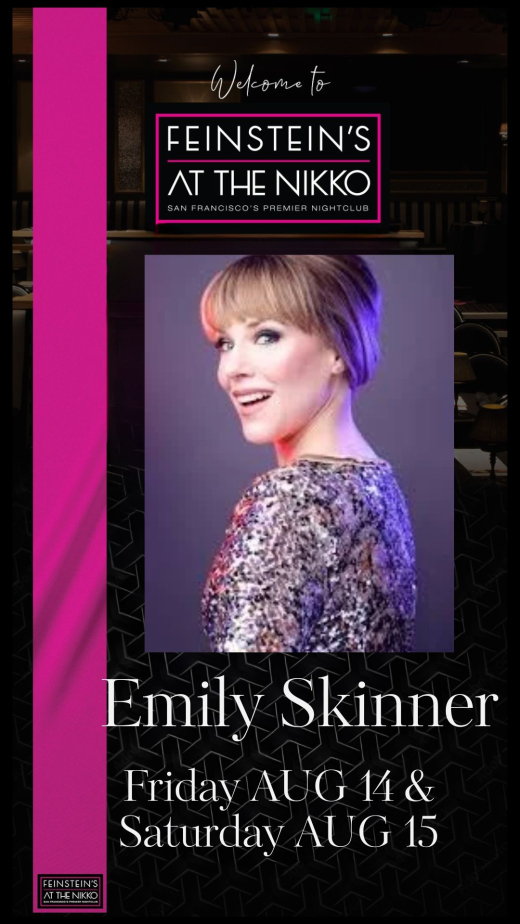
Emily Skinner: In Concert Feinstein's at the Nikko (8/14-8/15) |
|
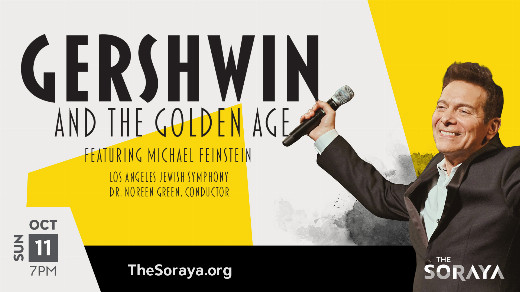
Gershwin and the Golden Age Younes and Soraya Nazarian Center for the Performing Arts (The Soraya) (10/11-10/11) |
|
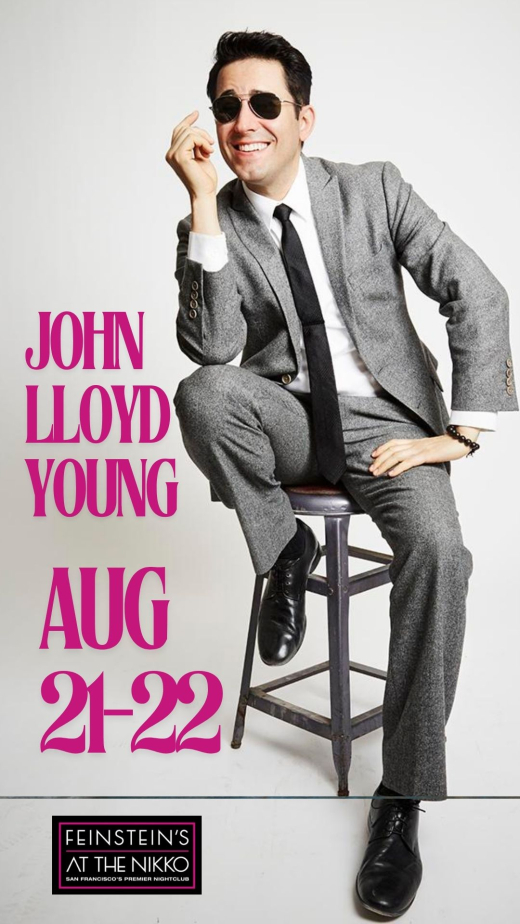
John Lloyd Young Feinstein's at the Nikko (8/21-8/22) |
|
Love, Loss and What I Wore Sawyer's Playhouse (8/08-8/30) |
|
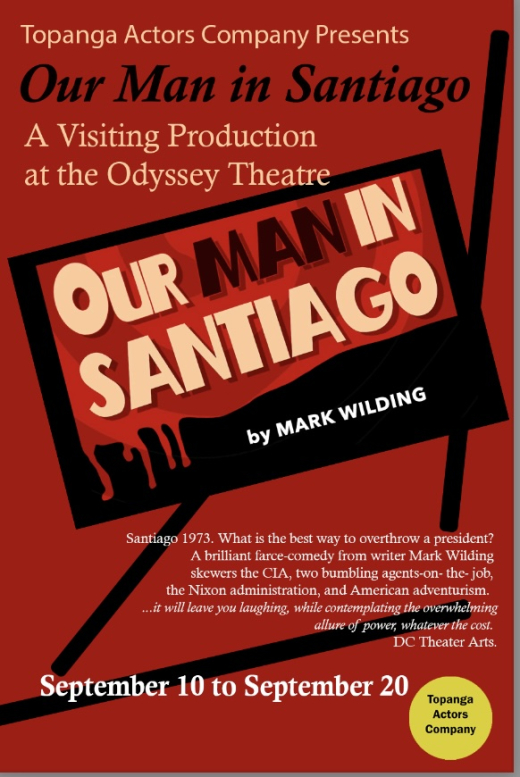
Our Man in Santiago by Mark Wilding Odyssey Theatre Ensemble (9/10-9/20) |
|
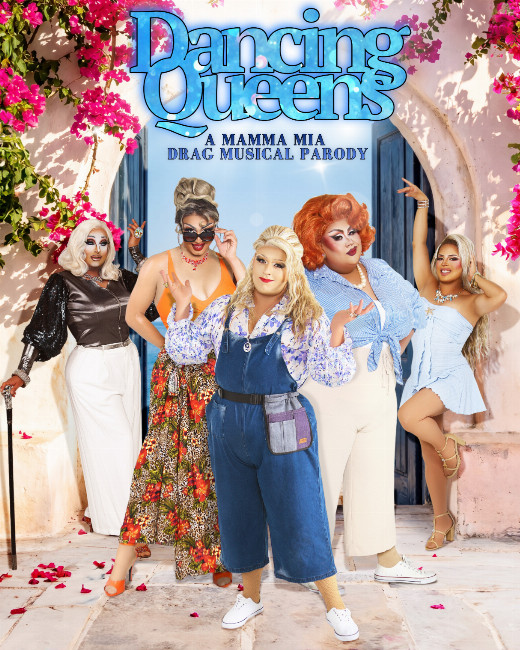
Dancing Queens! A Mamma Mia Drag Musical Parody Hamburger Mary's (6/20-8/22) |
Reader Reviews
To post a comment, you must register and login.