


Review: Jeff Harnar CAN Come Home Again With BLAME IT ON MY YOUTH at Don't Tell Mama
Perennial, professional, and perfect, Jeff Harnar returns to DTM four decades later.
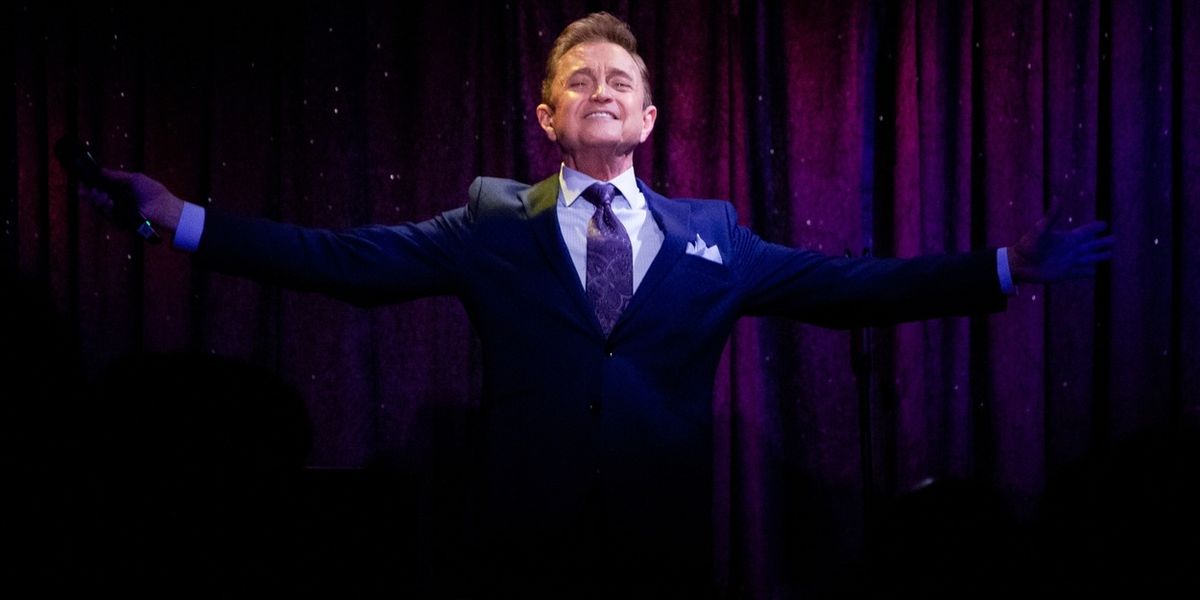
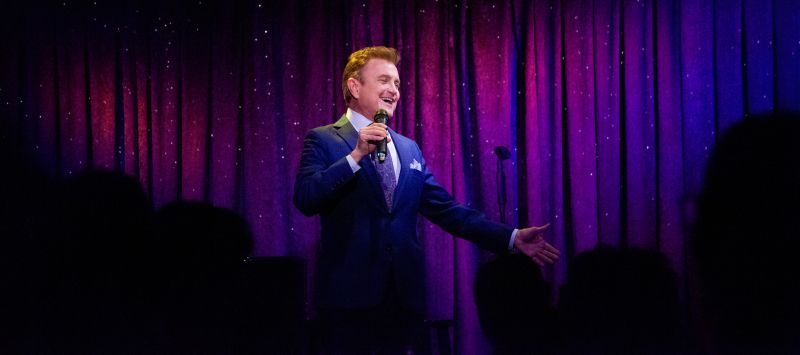
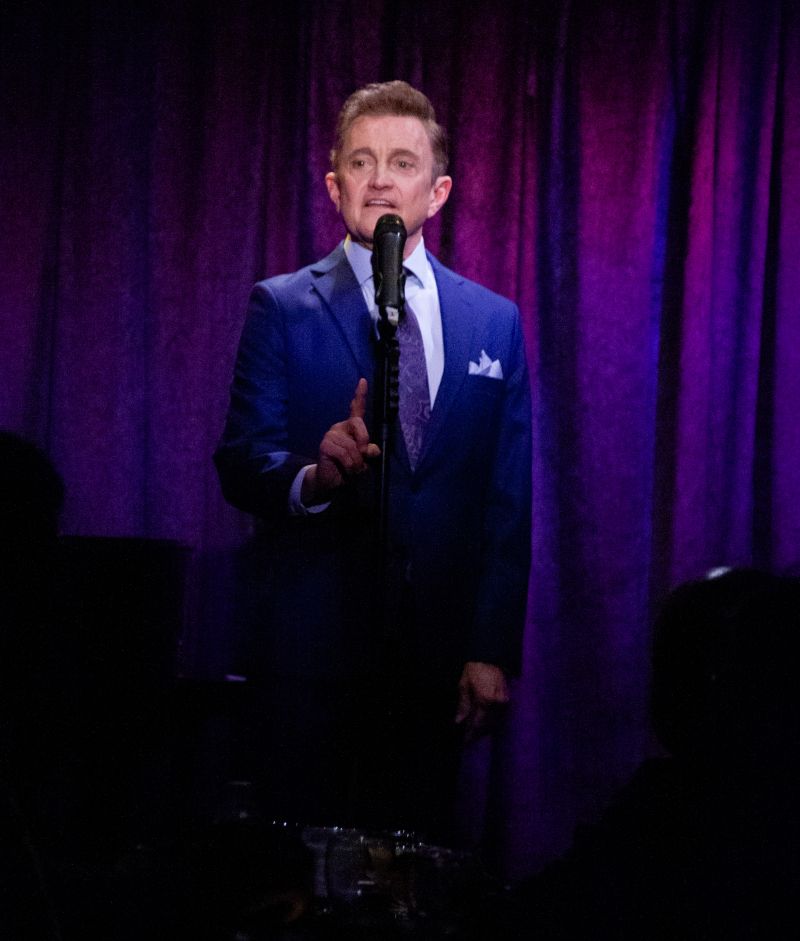
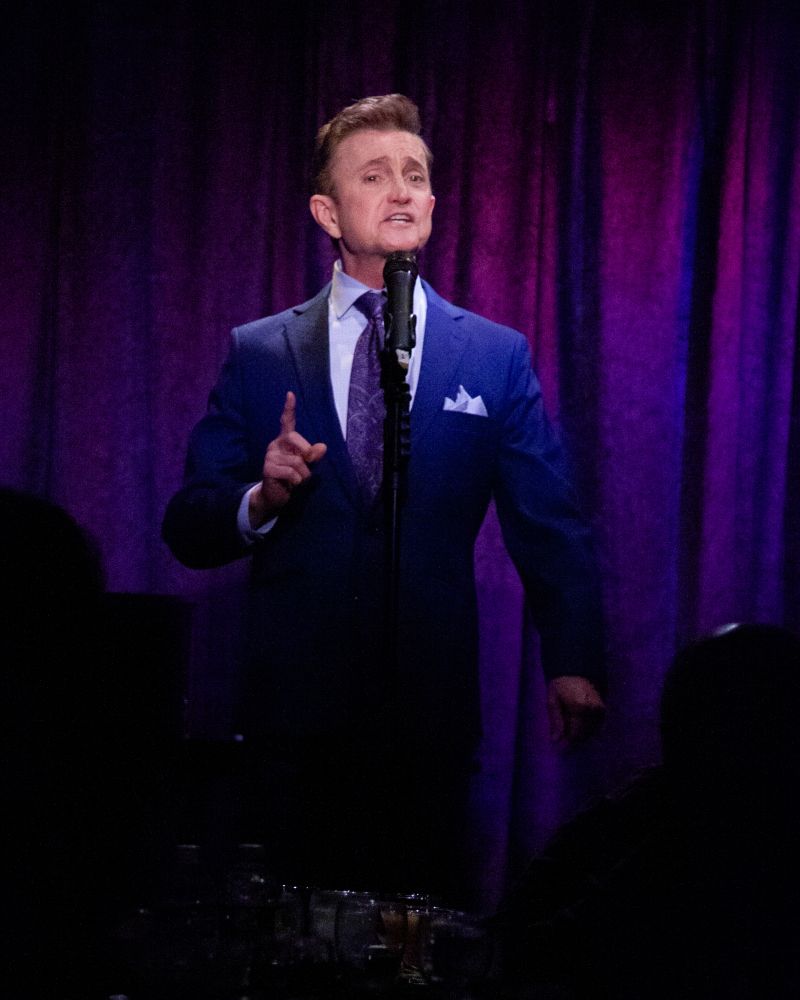
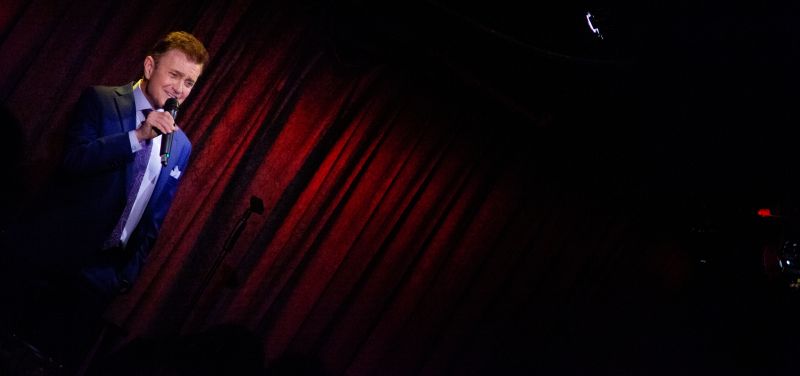
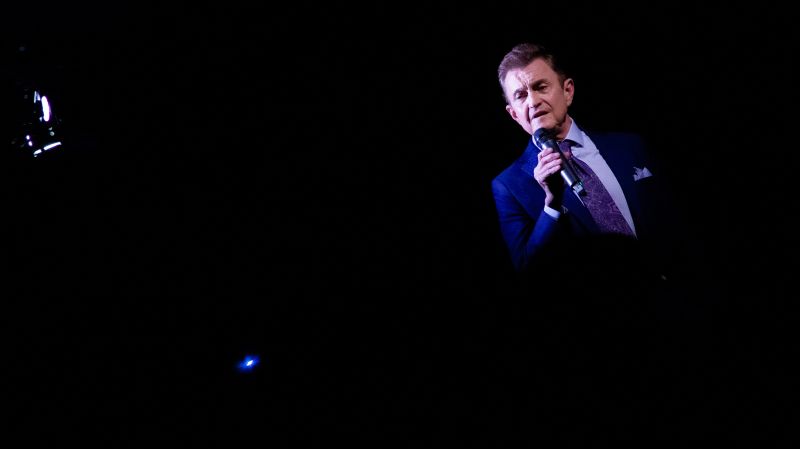
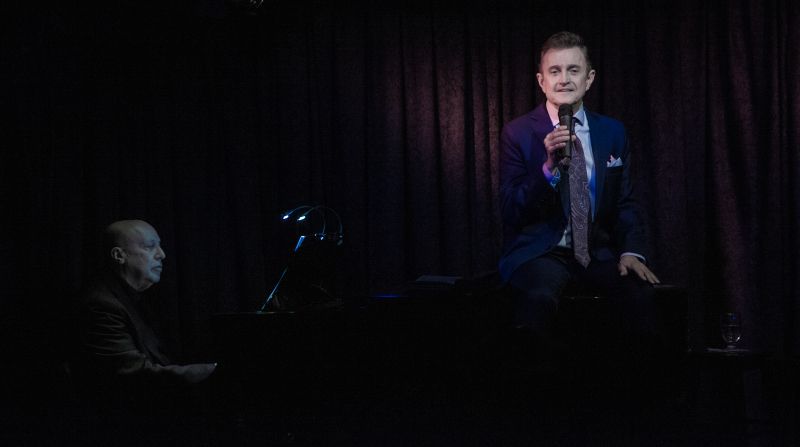
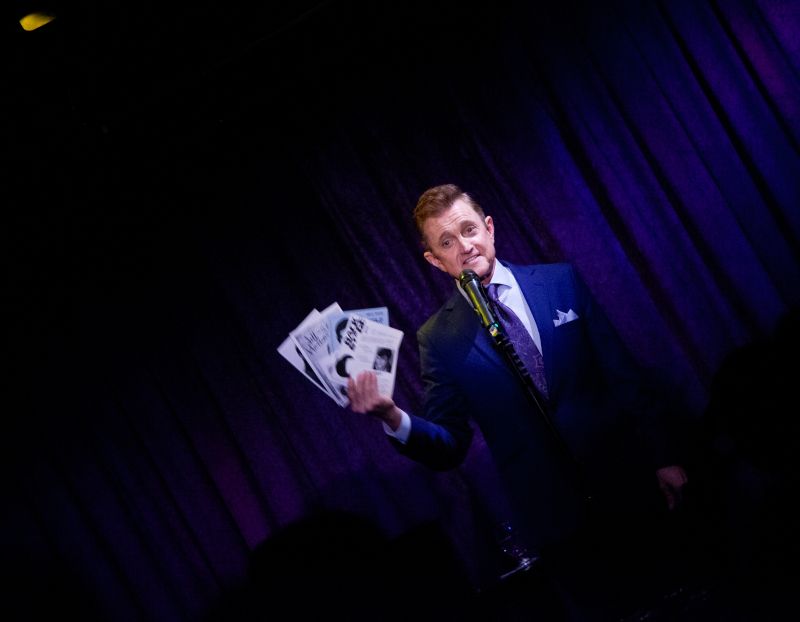
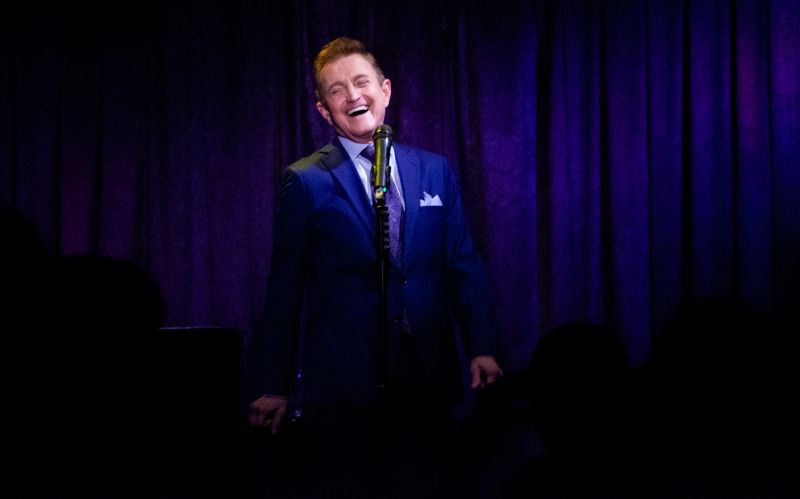
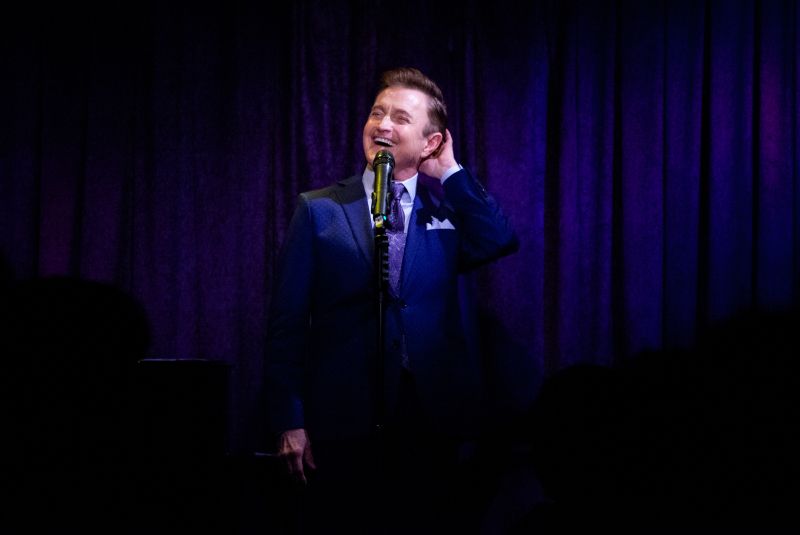
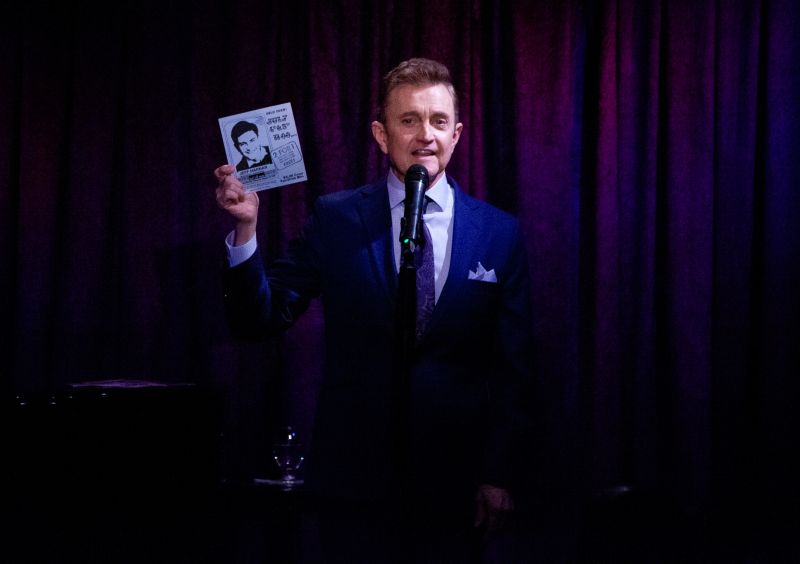
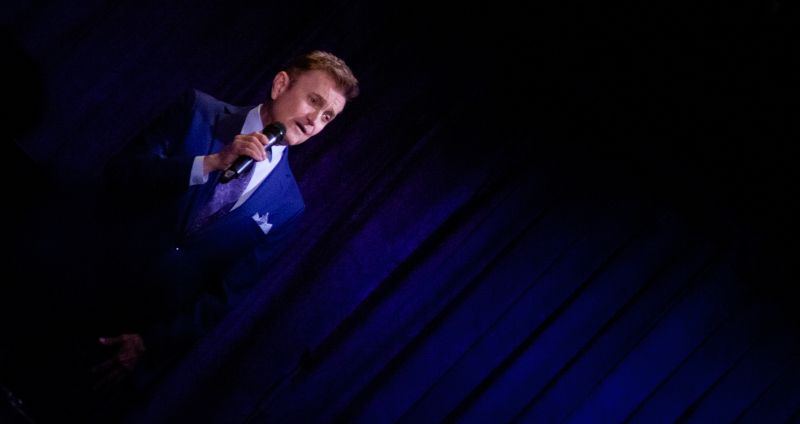
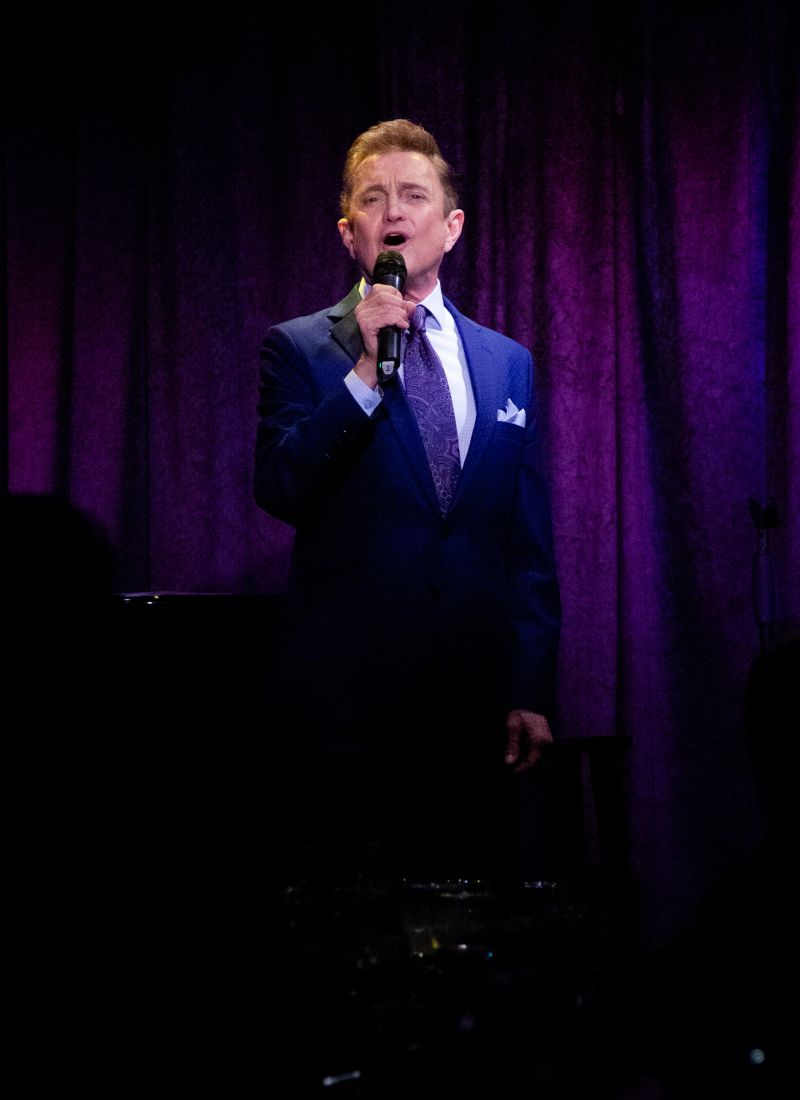
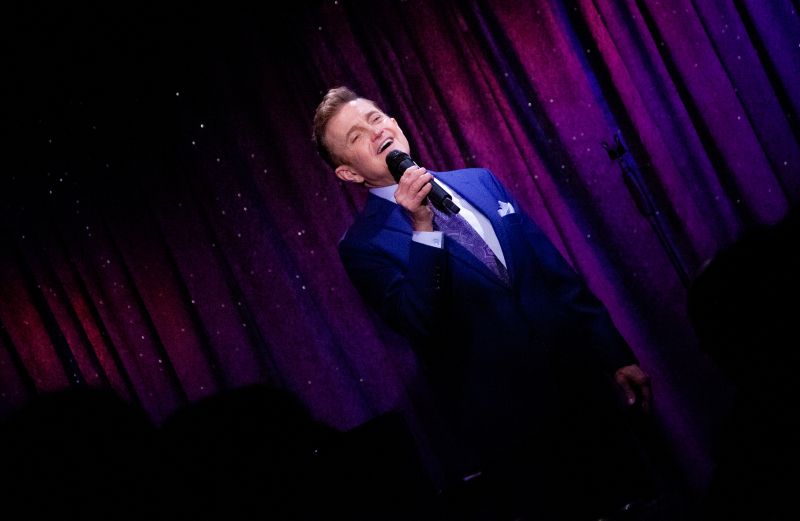
Jeff Harnar has returned to the scene of the crime. The scene is Don’t Tell Mama, and the crime is a crime of passion - the passion that the indefatigable Mr. Harnar has for his artistry, his audience, and the act of creation. The reason for the return is the celebration of a (*ahem*) few years working in cabaret, and, specifically, a particular decade in his journey, a decade spent singing songs on the very stage upon which he treads today. BLAME IT ON MY YOUTH is Jeff Harnar’s look back at the Nineteen Eighties and the songs he sang at Don’t Tell Mama. Now, anyone who has read my reviews these last six years (it will be seven, come August) will notice that, just now, I did not refer to Jeff Harnar working in cabaret and concert, my preferred name for the industry. I simply remarked on Jeff Harnar working in cabaret. That is because Jeff Harnar doesn’t do concerts. He doesn’t do club acts. He doesn’t do anything but cabaret. Jeff Harnar embodies cabaret, what it was in the beginning, what it was in its New York City heyday of the Eighties, and what it should always be. And anyone with an interest in cabaret, in what cabaret is, should be, could be, can be, should not only grab at every chance to see Jeff Harnar in action, they should grab at THIS chance to see him in action - for a couple of reasons. First of all, people should see the show because it’s good, indeed, they should see it because it’s really good. They should also see it for proof that cabaret has a long life. For years, decades even, people have thrown out a (let’s face it, ridiculous) declaration that cabaret is dead or dying. It’s just a rumour, and neither a juicy one nor a true one. Cabaret isn’t dead or dying, only the clubs are. But not this one. Don’t Tell Mama has been here since the Eighties, and so has Jeff Harnar, and they are both still going strong. There. Proof. Done. And, quite finally, people should go see Blame It On My Youth to see how cabaret was done in the Eighties, and that it works exactly the same in 2026. Misters Harnar and Rybeck are playing the same arrangements that they used in the reminisced-upon decade, and those treatments are just as exciting today as they were then, and there is the beginning of our story.
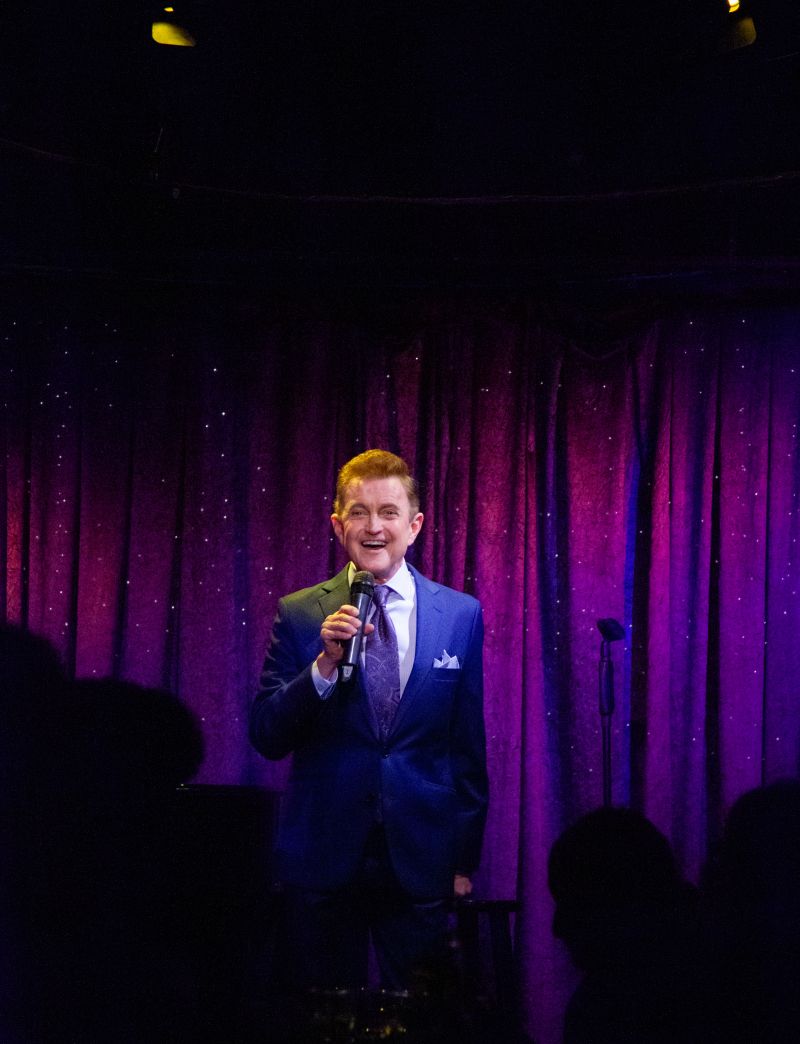 In the Nineteen Eighties, Jeff Harnar worked with two different musical directors. The first was the late, great Brian Lasser; the second was the living, great Alex Rybeck. Several of the arrangements being performed are credited to Brian Lasser, while others get Alex Rybeck billing, and others, still, are listed as arrangements by both musical mavens. These arrangements shine a light on the Harnar aesthetic, on the Harnar experience. Jeff Harnar is a storyteller who takes each song to a drafting table to prepare it for presentation, which is why a long-term collaborative relationship like this one (42 years) is a benefit to an artist - together, the two are able to create something unique, something new, even out of something old, and one gets the impression that that was the mission statement of the Lasser and Harnar collaboration, too. Song after song, Blame It On My Youth presents well-known compositions that have been given treatments that are so fresh and individual that it’s almost assertive. The gauntlet is thrown down early in the show with a Lasser treatment of “Say Yes” that doesn’t just veer away from both the Broadway and Minnelli versions; it vaults away from them, allowing Harnar to tell his own story and allowing the audience a new experience. I mean, let’s face it, we all know Liza’s version so well that, were Harnar and Rybeck to present it, we would all have been singing along… and, sure, there are people who want to sing the arrangement from the Liza With a Z special (and why shouldn’t they?) but not Jeff Harnar. His artistic goal has always been to make his own story, make his own way, and that is what he and Rybeck (and Lasser, from beyond) are doing at Don’t Tell Mama. Harnar works his way through an impeccable script that doesn’t just take him through his memories, it takes any long-haul New Yorkers through their own, and with each anecdote, he draws the kind of laughter and sighs that come with a retrospective show - because we were all there. We were young together. We were at some of these places, these clubs, these intersections, these shows together. And what a joy it is to look back on them together with these master storytellers. And there is most definitely a script, even though it rolls off of Jeff’s tongue like it’s happening in real-time, and it’s filled with wit and warmth, sass and sweetness. A medley built around Harnar’s youthful work as a food server is magnificent (two songs from Working and one from The Most Happy Fella), but made even more so through Harnar’s own parody lyrics designed for application to his work with a famous singer from the middle of the last century. It’s personal. It tells his very own story through someone else’s composition.
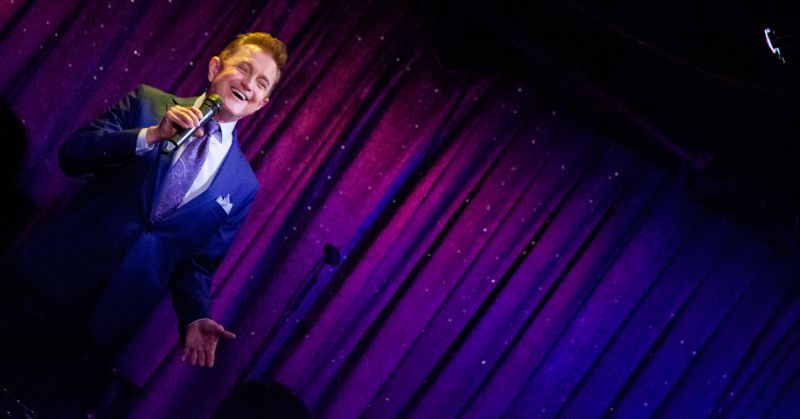 As telling one’s own story goes, Jeff Harnar has a vault of experiences from which to draw upon, including family members working in the Hollywood scene, and the prestige of having the charts to a discarded Stephen Sondheim song, which is easy to do these days, but in the Eighties, having that chart was significantly impressive. Naturally enough, these are the stories that lead into said discarded song, the fate of which musical theater buffs know, for “That Old Piano Roll” became part of the overture to the musical Follies. Also among the personal stories woven into Blame It On My Youth is the tale of how he met Brian Lasser, giving way to an entire section of the program devoted to Lasser’s work, both as songwriter (“Being With Me Is No Picnic” and “What I Saw”) and as arranger (“Where Is Love?,” “If That Was Love,” and “Nowhere Man”), a segment of the show that, alone, makes the ticket price worthwhile. The third act of the show provides more bounty of greatness by way of a mash-up of songs by Kander & Ebb and Jerry Herman, brilliantly adapted by Rybeck - it is quite thrilling to witness. Harnar’s vocal abilities are, as they have always been, par excellence, and a part of that excellence is the acting skills he uses to interpret the writers’ work in words and in music, so having great material is paramount. Lasser and Rybeck both provide Harnar with great material, for one of the evening’s other highlights is the wickedly funny “Why Did You Have To Split?," which Rybeck wrote with Seth Friedman. Jeff Harnar is a balladeer, it’s true, a man who knows his way around something tender and emotional, but he also has comic timing that can’t be bought, and he executes the comedy number with the ease of an artist doing that for which they were born, and between Alex and Brian’s mutual contributions as writers and arrangers, Jeff is afforded material worthy of all of his considerable talents.
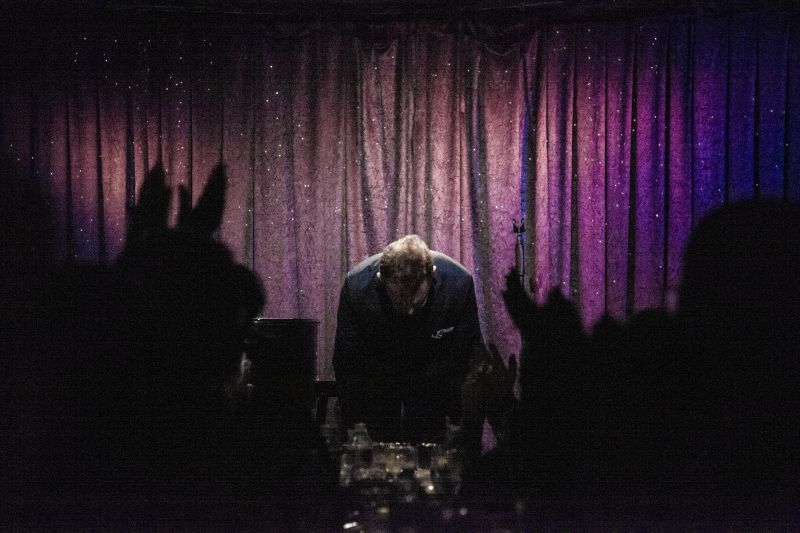
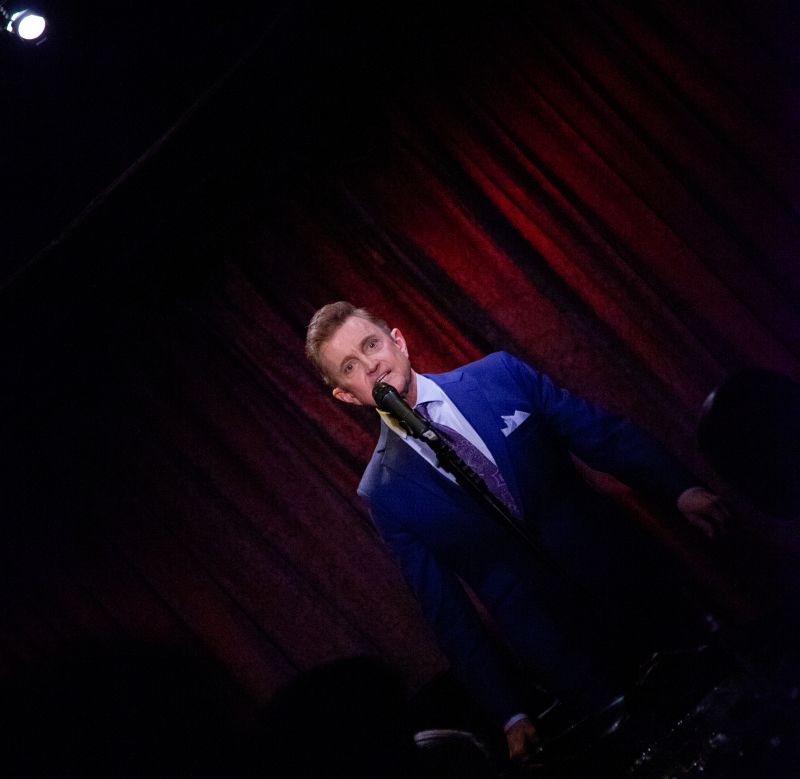 One of Mr. Harnar’s most salient talents is one people don't often discuss: quality control. In an age when people get up on a stage under-rehearsed, with half-baked scripts they haven’t bothered to memorize, using cheat sheets, music stands, and iPhones to access their lyrics, and so poorly prepared that their most frequently uttered word is “um…,” Jeff Harnar stands as a beacon of professionalism and perfection. It is a pleasure, a joy, a privilege to see him in action because he and his program are polished and ready to be enjoyed and absorbed - but not so polished that it appears slick. It is polished accessibility. This is the beauty of having been in the game long enough to necessitate a show centered around a ‘return’ that looks back on one’s ‘youth’: Jeff Harnar knows himself. He knows his aesthetic, his brand, his artistic voice, and he applies that knowledge at every turn in the programming. Jeff Harnar is a cabaret artist at his core. Jeff Harnar is cabaret at any age. And those of us who appreciate the art form owe him a debt of gratitude. The best way to pay that debt is to get a ticket to the show. That way, everyone wins.
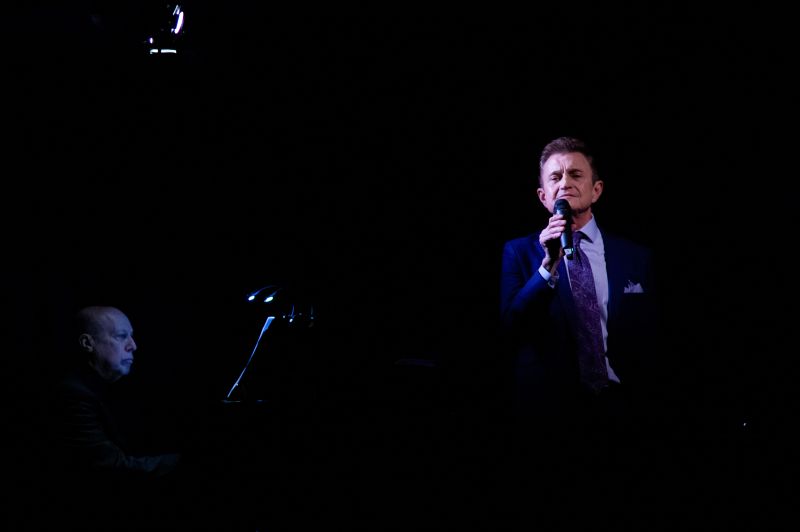
Jeff Harnar will play BLAME IT ON MY YOUTH on February 12, 19, and 26. Tickets can be accessed HERE.
Visit the website for Jeff Harnar HERE and the Facebook page for Alex Rybeck HERE.
Photos by Stephen Mosher.
Sign up for all the news on the Fall season, discounts & more...
|
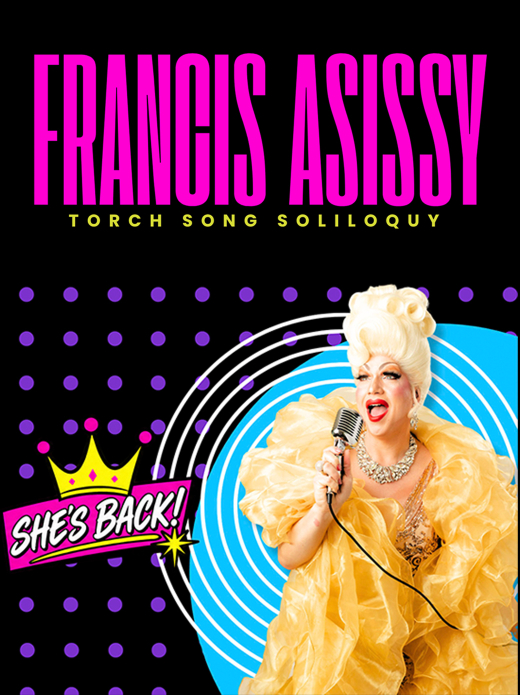
Torch Song Soliloquy The Laurie Beechman Theatre (10/07-10/07) |

|
The Beat Goes On Don't Tell Mama (10/08-10/08) |
|
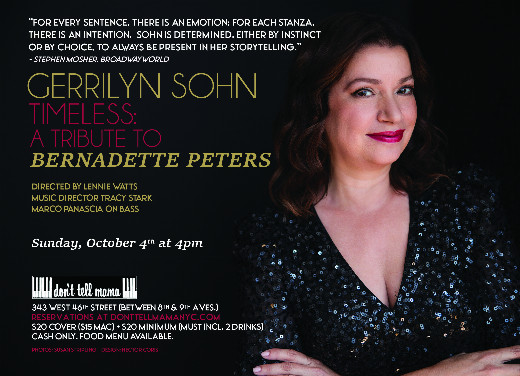
Timeless: A Tribute to Bernadette Peters Don't Tell Mama (10/04-10/04) |
|
Waving Through A Window: A Musical Exploration of Social Media 54 Below (12/27-12/27) |
|
CHRISTEENE Joe's Pub (11/23-11/23) |
|
If Casting Had No Rules 54 Below (10/22-10/22) |
|
A Gay’s Dream: Broadway’s Leading Ladies with a Gender-Bent Twist 54 Below (11/30-11/30) |

|
Mehrnam Rastegari: Soundprints of the East Joe's Pub (11/14-11/14) |
|
Isle of Klezbos: High Noon Hanukkah Joe's Pub (12/06-12/06) |

|
Brandie Inez Sutton: Miss Sutton, Live! 54 Below (10/11-10/11) |

Reader Reviews
To post a comment, you must register and login.