


|
Theatre World 1994-1995, Vol. 51
(1/1/2000) Theatre World, the statistical and pictorial record of the Broadway and off-Broadway season, touring companies, and professional regional companies throughout the United States, has become a classic in its field. The book is complete with cast listings, replacement producers, directors, authors, composers, opening and closing dates, song titles, and much, much more. There are special sections with biographical data, obituary information, listings of annual Shakespeare festivals and major drama a... |
 |
|
Theatre World 1993-1994, Vol. 50
(1/1/2000) Theatre World, the statistical and pictorial record of the Broadway and off-Broadway season, touring companies, and professional regional companies throughout the United States, has become a classic in its field. The book is complete with cast listings, replacement producers, directors, authors, composers, opening and closing dates, song titles, and much, much more. There are special sections with biographical data, obituary information, listings of annual Shakespeare festivals and major drama a... |
 |
|
The Social Significance of Modern Drama
(1/1/2000) Out of print virtually since its completion in 1914, Emma Goldman's pioneer work Social Significance in Modern Drama bridges modern drama and political philosophy, pointing out the road that remains to be travelled toward a theatre of social empowerment. Activist, feminist, philosopher and anarchist, Emma Goldman was a passionate thinker about all things modern when the 20th century was still raw and new. The emergence of her treatise on the theatre after years of obscurity is certain to arouse ... |
 |
|
Polaroid Stories
(1/1/1999) Naomi Iizuka’s 1997 play, Polaroid Stories, consciously uses stories, characters and themes from Ovid’s Metamorphoses to tell the stories of street kids living on the edge in a desolate, urban landscape. Because these characters are named after Orpheus and Eurydice, and Echo and Narcissus, or based on stories of Dionysus, and Ariadne and Theseus, and because scenes are entitled “The Story of Semele” or “Theseus in the Labyrinth,” Iizuka creates a world that has two dimensions: the g... |
 |
|
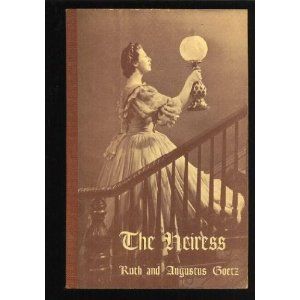
The Heiress
(12/31/1969) This series of contemporary plays includes structured GCSE assignments for use by individuals or groups. These include questions which involve close reading, writing and discussion. This play is based on the novel "Washington Square" by Henry James. --This text refers to an out of print or unavailable edition of this title. |
 |
|
Ghosts and Other Plays
(12/31/1969) The plays in this volume focus on the family and how it struggles to stay together by telling lies - and exposing them. In "Ghosts", Osvald Alving returns home only to discover the truth about the father he always looked up to, and learns the horrific effect his father's debauchery has had on him. It was Ibsen's most provocative drama, stripping away the surface of a middle-class family to expose layers of hypocrisy and immorality. "A Public Enemy" sets two brothers against each other when one w... |
 |
|
The Feast At Solhoug
(12/31/1969) Henrik Ibsen's "The Feast at Solhoug" is set at the annual feast to celebrate the wedding anniversary of Margit and Bengt Guateson. Knut Gesling, the King's sheriff, comes prior to the feast to ask for Margit's approval for marrying her sister, Signe. Knowing that Knut can be a brutal and violent man, Margit gives her permission on the condition that Knut can demonstrate he can be peaceful for a period of one year. In typical Ibsen fashion, anything but a peaceful outcome ensues. Written in 1855... |
 |
|
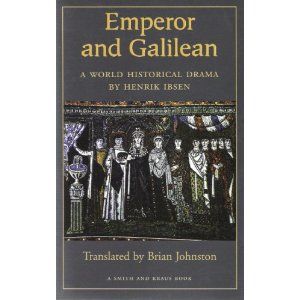
Emperor and Galilean
(12/31/1969) The publisher continues its "Great Translations for Actors" series with this 1873 epic, from Ibsen's middle period, which Ibsen considered his masterpiece. The story of Emperor Julian the Apostate, this was his last play to have a classical setting, and it signaled his adoption of a more prosy and less poetic dialog. But it is still drama on a vast scale; written in two parts, with five acts in each part, it covers the years 351-363 C.E. Under Constantine, Prince Julian becomes emperor, turns a... |
 |
|
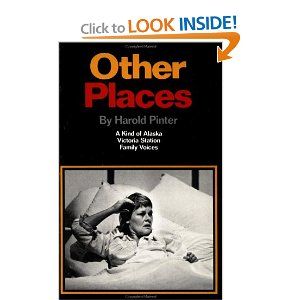
Other Places: Three Plays
(12/31/1969) Book jacket/back: When this triptich of new plays by Harold Pinter opened in London in October 1982 it was celebrated by critics and audiences alike as an electrifying theatrical event that confirmed once again the author's undisputed place in the forefront of today's dramatists. "The first two plays in 'Other Places' are strange, comic, ansd fascinating, but you would know they were Pinter if you met them in yoru dreams. However, the third play, 'A Kind of Alaska,' (which strikes me on ins... |
 |
|
King Solomon's Mines
(12/31/1969) An elephant hunter's chronicle of his safari into the interior of South Africa to search for a fabled diamond mine and to rescue the brother of the English gentleman who accompanies him across the deserts and mountains. |
 |
|
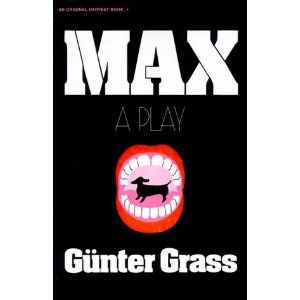
Max: A Play
(12/31/1969) A play that satirizes the political confusions of both youthful activists and middle-aged believers in gradual reform. Translated by A. Leslie Willson and Ralph Manheim. A Helen and Kurt Wolff Book. |
 |
|
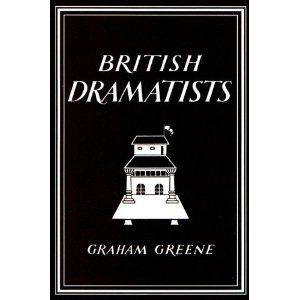
British Dramatists
(12/31/1969) Part of the Writers' Britain series, first published in the 1940s, this book offers Graham Greene's evaluation of British drama, from its roots in the Mystery and Miracle plays of the market carnival through Shakespeare and the Restoration to the 20th century. |
 |
|
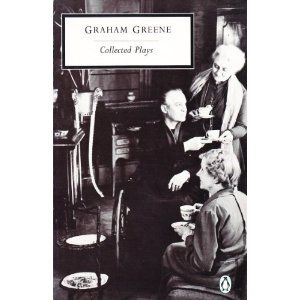
The Collected Plays
(12/31/1969) A reissue of a volume of Graham Greene's eight plays: "The Return of A.J. Raffles", "Carving a Statue", "The Complaisant Lover", "The Living Room", "The Potting Shed", "Yes and No", "For Whom the Bell Chimes" and "The Great Jowett". |
 |
|
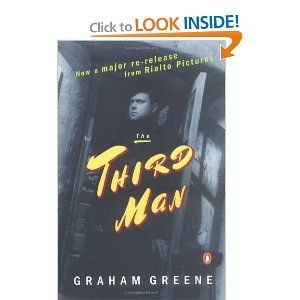
The Third Man
(12/31/1969) Greene's novella, or "entertainment," was written in 1950 as a sort of preliminary draft for a screenplay and was not actually intended to stand alone as a written work. The motion picture, stated Greene, is better than the story because it is the story in its finished state, and it is the film, starring Joseph Cotten and Orson Welles, that most people will remember. This audiobook, however, brings the story to life very effectively, with all its suspense, odd turns of plot, and intriguing chara... |
 |
|
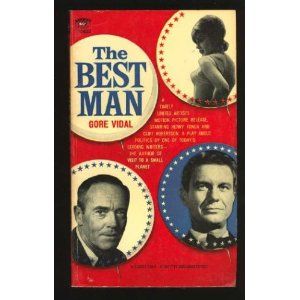
The Best Man
(12/31/1969) The Best Man crackles with the smart lines and situations inherent to the work of Gore Vidal. The political intrigues rampant in Vidals 1960 setting are strangly similar to the political intrigues of the present day. This darkly satirical drama finds two presidential contenders seeking the endorsement of an aging ex-president and explores how personal agendas can change the course of a nations destiny. A L.A. Theatre Works full-cast performance featuring: Terrence Currier, Johnny Holliday, Naom... |
 |
|
Hollywood Pinafore or the Lad Who Loved a Salary
(12/31/1969) Hollywood Pinafore, or The Lad Who Loved a Salary is a musical comedy in two acts by George S. Kaufman, with music by Arthur Sullivan, based on Gilbert and Sullivan's H.M.S. Pinafore. It opened on Broadway at the Alvin Theatre on May 31, 1945, and closed on July 14, 1945 after 52 performances. It was directed by Kaufman himself and starred Shirley Booth, Victor Moore, George Rasely, and William Glaxton. The adaptation transplants the maritime satire of the original Pinafore to a satire of the g... |
 |
|
Three Comedies
(12/31/1969) Edna Ferber and George S. Kaufman inebriated America during the Prohibition Twenties, then made everyone forget the Depression in the Thiries via gales of sophisticated laughter. The dynamic playwriting duo created three smash hits together: The Royal Family (1927) * Dinner at Eight (1932) * and Stage Door (1936. All three plays were promptly made by Hollywood into equally famous films - Dinner at Eight with Jean Harlow; Stage Door with a young Katharine Hepburn and Lucille Ball; and the Royal F... |
 |
|
You Never Can Tell
(12/31/1969) Purchase of this book includes free trial access to www.million-books.com where you can read more than a million books for free. This is an OCR edition with typos. Excerpt from book: ACT III The Clandons' sitting room in the hotel. An expensive apartment on the ground floor, with a French window leading to the gardens. In the centre of the room is a substantial table, surrounded by chairs, and draped with a maroon cloth on which opulently bound hotel and railway guides are displayed. A visitor e... |
 |
|
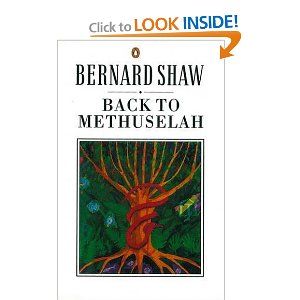
Back to Methuselah: A Metabiological Pentateuch
(12/31/1969) "Back to Methuselah" (A Metabiological Pentateuch) is a 1921 series of five plays and a preface by George Bernard Shaw. The five plays are: "In the Beginning: B.C. 4004" (In the Garden of Eden); "The Gospel of the Brothers Barnabas: Present Day"; "The Thing Happens: A.D. 2170"; "Tragedy of an Elderly Gentleman: A.D. 3000"; and, "As Far as Thought Can Reach: A.D. 31,920". The plays were published with a preface titled The Infidel Half Century, and first performed in 1922 by the New York Theatre ... |
 |
|
Selected Plays
(12/31/1969) Francis Russell O'Hara (March 27, 1926 – July 25, 1966) was an American writer, poet and art critic. He was a member of the New York School of poetry. |
 |
|
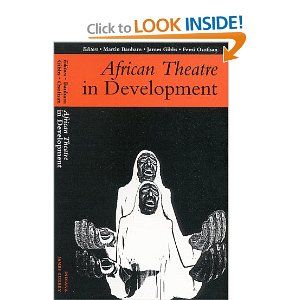
African Theatre in Development
(12/31/1969) Scholars and playwrights discuss theatre in Africa from propaganda and mass education to practice and policy in theatre and development. |
 |
|
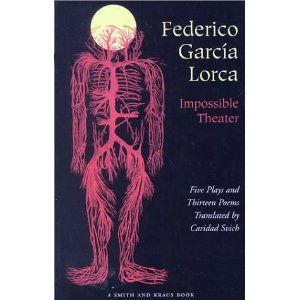
Frederico Garcia Lorca: Impossible Theatre, Short Plays
(12/31/1969) This collection brings together new original English-language translations of frederico Garcia Lorca's so-called "impossible" plays, as well as new translations of thirteen of his most recognized poems from his Poet in new York cycle. Along with translations are essays on Lorca's work by some of his most prominent Lorca scholars currently working today, and cover art and dramaturgical notes by esteemed Catalan painter, scenic designer, and filmmaker Frederic Amat. This volume seeks to recontext... |
 |
|
Four Puppet Plays: Play without a Title, The Divan Poems and Other Poems, Prose Poems, and Dramatic Pieces
(12/31/1969) From Lorca's prologue to a puppet play: 'This is not the first time that I, the drunken puppet who marries Dona Rosita, leaves the hand of Federico Garcia Lorca on the stage, where I live and never die. The first time was in the house of this poet- remember that, Federico? It was spring in Granada, and the drawing rooom of your house was full of children who were saying: ' the puppets are flesh and bone, so how come they remain children and never grow up?' The famous Manuel de Falla was at the ... |
 |
|
Mariana Pineda
(12/31/1969) Una joven granadina es encarcelada en 1831 por haber mandado bordar la bandera que servira de insignia a una insurreccion liberal. Le prometen la libertad si delata a los jefes de esta, pero, al negarse, es condenada a muerte y ejecutada. |
 |
|
The Complete Plays of Frances Burney, 2 Volumes
(12/31/1969) In the plays, as in her novels, Burney satirizes the social conventions and pretensions of her day. The Witlings (1779), her first play, is a biting satire on the Bluestockings; it was never performed, however, for fear of a possible scandal. The violent, the grotesque, and the macabre also figure strongly in her writings. Contents Volume 1: The Comedies Introduction Chronology The Witlings (1778-80) Love and Fashion (1798-99) A Busy Day (1800-02) The Woman-Hater (1800-02) Volume 2: The Tragedie... |
 |
|
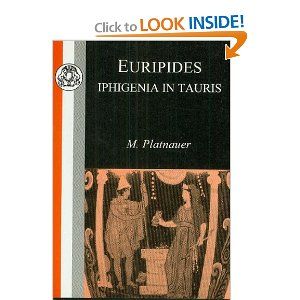
Iphigenia in Tauris
(12/31/1969) The story of Iphigenia, as told in the two plays of Euripides which bear her name, is so well known that it is hard to believe that it is in fact a piece of mythological syncretism which, in all probability, only received its final form at the hands of Euripides himself. This edition, originally published in 1938 by OUP, was the pioneer in the series of Oxford commentaries on the plays of Euripides. As well as commentary, the book includes an invaluable introduction, the full Greek text and n... |
 |
|
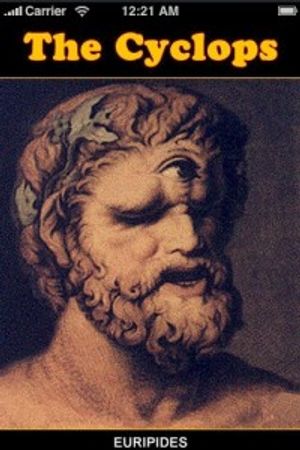
Cyclops
(12/31/1969) Based on the conviction that only translators who write poetry themselves can properly re-create the celebrated and timeless tragedies of Aeschylus, Sophocles, and Euripides, the Greek Tragedy in New Translations series offers new translations that go beyond the literal meaning of the Greek in order to evoke the poetry of the originals. Under the general editorship of Peter Burian and Alan Shapiro, each volume includes a critical introduction, commentary on the text, full stage directions, and a... |
 |
|
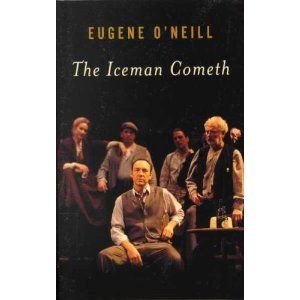
The Iceman Cometh
(12/31/1969) Eugene O'Neill mined the tragedies of his own life for this depiction of a seedy, skid row saloon in 1912, peopled by society's failures: worn-out anarchists, failed con artists, drifters, whores, pimps, and informers. The pipe-dreaming drunks of Harry Hope's bar numb themselves with rotgut gin and make grandiose plans, while waiting for the annual appearance of the big-spending, fast-talking salesman, Hickey. But this year's visit fails to bring the expected good times, as a changed Hickey tri... |
 |
|
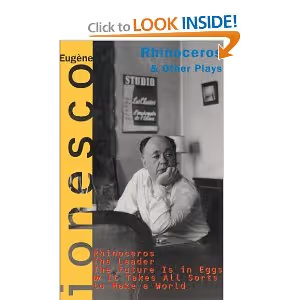
Rhinoceros, And Other Plays
(12/31/1969) Presents three dramatic works by the contemporary French experimental playwright: The Leader, The Future Is in Eggs or It Takes all Sorts to Make a World, and Rhinoceros |
 |
|
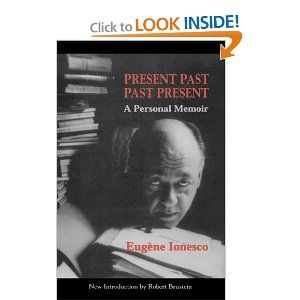
Present Past Past Present: A Personal Memoir
(12/31/1969) Part diary, part autobiography, part self-analysis and commentary, this revealing memoir by the playwright of the Absurd is an expression of the writer's search for the wellsprings and justifications of his existence. Diary jottings mingle with searing memories of his authoritarian father, metaphysical musings with thoughts on anti-Semitism, his wartime experiences, Soviet death camps, and the sham of bourgeois "revolutionaries". There is also the occasional light-hearted fantasy, played out wit... |
 |
|
The Zoo Story and the Sandbox
(12/31/1969) The Zoo Story is American playwright Edward Albee's first play; written in 1958 and completed in just three weeks. It was originally titled Peter and Jerry. The play explores themes of isolation, loneliness, miscommunication as anathematization, social disparity and dehumanization in a commercial world. Initially the play was rejected by New York producers. Albee first had it staged in Europe, premiering in West Berlin at the Schiller Theater Werkstatt on September 28, 1959. In its first Ameri... |
 |
|
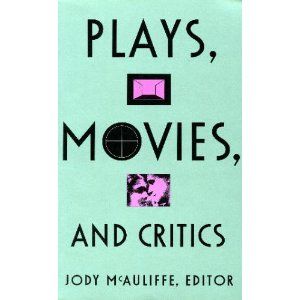
Plays, Movies, and Critics
(12/31/1969) This exceptional collection explores the mutual concerns of dramatic theater, film, and those who comment on them. Plays, Movies, and Critics opens with an original play by Don DeLillo. In the form of an interview, DeLillo's short play works as a kind of paradigm of the theatrical or cinematic event and serves as a keynote for the volume. DeLillo's interview play is accompanied in this collection by interviews with theater director Roberta Levitow, Martin Scorsese, and film/theater critic Stan... |
 |
|
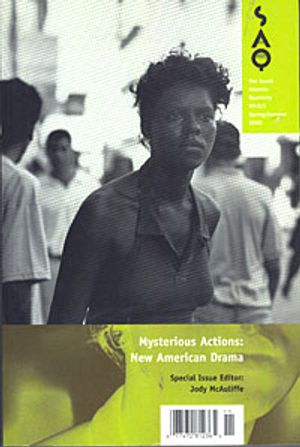
Mysterious Actions: New American Drama
(12/31/1969) With this special issue, South Atlantic Quarterly presents five never-before-published plays by some of the brightest stars in contemporary American theater. Mysterious Actions presents works that go beyond realism and will challenge audiences’ expectations,moving them toward a revolutionary theatrical experience. The plays by Neal Bell, Nilo Cruz, Erin Cressida Wilson, Marlane Meyer, and Don DeLillo employ techniques and situations that are original and unexpected. Each is followed by a schol... |
 |
|
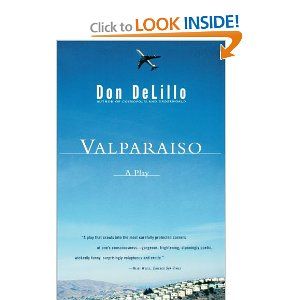
Valparaiso: A Play
(12/31/1969) A man sets out on an ordinary business trip to Valparaiso, Indiana. It turns out to be a mock-heroic journey toward identity and transcendence. This is Don DeLillo's second play, and it is funny, sharp, and deep-reaching. Its characters tend to have needs and desires shaped by the forces of broadcast technology. This is the way we talk to each other today. This is the way we tell each other things, in public, before listening millions, that we don't dare to say privately. Nothing is all... |
 |
|
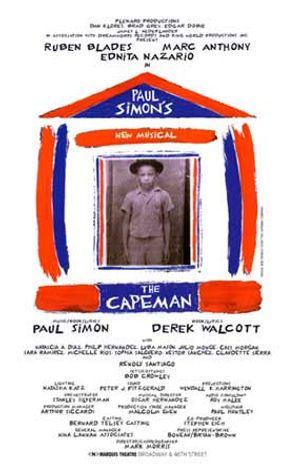
Capeman: A Musical
(12/31/1969) The Capeman is a musical play written by Paul Simon and Derek Walcott based on the life of Salvador Agrón. The play opened at the Marquis Theatre in 1998 to poor reviews and had an initial run of only 68 performances.[1] A blend of doo-wop, gospel, and latin music, it received Tony award nominations for Best Original Score, Best Orchestrations and Best Scenic Design. Renoly Santiago also received a Drama Desk nomination for Outstanding Featured Performer in a Musical. Ednita Nazario won the Th... |
 |
|
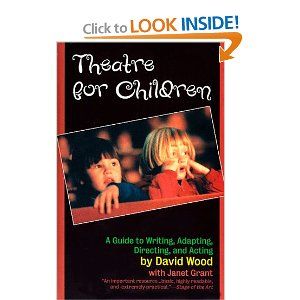
Theatre for Children: A Guide to Writing, Adapting, Directing, and Acting
(12/31/1969) David Wood has been called by The London Times "the national children's dramatist." Presenting theatre for children as a seperate art form, Mr. Wood analyzes the skills involved in entertaining and involving audiences of children everywhere. |
 |
|
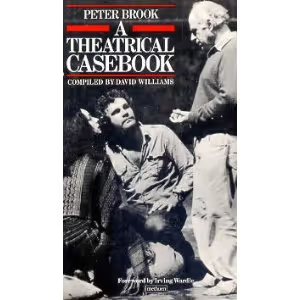
Peter Brook: A Theatrical Casebook
(12/31/1969) Peter Stephen Paul Brook CH, CBE (born 21 March 1925) is an English theatre and film director and innovator, who has been based in France since the early 1970s. |
 |
|
Collaborative Theatre: Le Theatre du Soleil
(12/31/1969) Over the past thirty years Theatre du Soleil has become one of the most celebrated theater companies in Europe, and Ariadne Mnouchkine one of its best-known directors.Collaborative Theatre is the first in-depth source book on the performance troupe, renowned as widely for its cutting edge theatrical production as its collectivist practices and ideals. Here critical and historical essays by theater critics from around the world are combined with essays by and interviews with members of Theatre d... |
 |
|
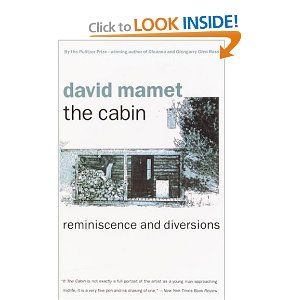
The Cabin: Reminiscence and Diversions
(12/31/1969) This pleasurable amalgam of travelogue and reminiscence explores Mamet's early years in Chicago and New York and his current life as a successful playwright. |
 |
|
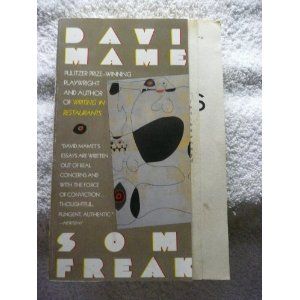
Some Freaks
(12/31/1969) A new collection of prose writings from the author of "Writing in Restaurants". Mamet discusses his parallel experience in cinema as screenwriter ("The Untouchables") and writer-director ("House of Games"). There are also pieces on being a Jew, politics, acting and Disneyland. |
 |
|
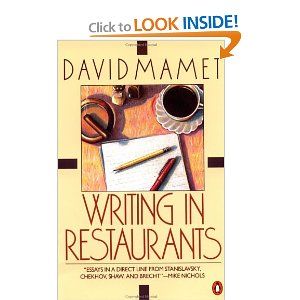
Writing in Restaurants
(12/31/1969) The title of Mamet's first collection of essays and speeches certainly doesn't suggest the themes of commitment and excellence. Nevertheless, if a collection of 28 essays on a variety of topics can be said to have an overarching theme or themes, then surely commitment and excellence sound clearly. These essays, apparently written over a considerable span of years, treat topics ranging from radio drama through middle-class fashion trends to the Academy Awards and the use of amplification in theat... |
 |
|
Stanislavski for Beginners
(12/31/1969) This guide traces both the subject's life and his "system" - a series of deep acting exercises that focus on relaxation, concentration, and emotional memory. Along the way the authors show how Stanislavski's influence continues today. |
 |
|
The Tricks of the Trade
(12/31/1969) When Dario Fo won the 1997 Nobel Prize for literature, establishments everywhere erupted in anger. Here was an anticlerical, obscene, communist clown receiving the world's top literary accolade. As this collection of his essays and lectures shows, Fo has such a unique vision that his mission as clown/playwright requires him to be all those other things. What's interesting about The Tricks of the Trade is not his politics, but the incredible amount of research he's done on 2,000 years' worth of ... |
 |
|
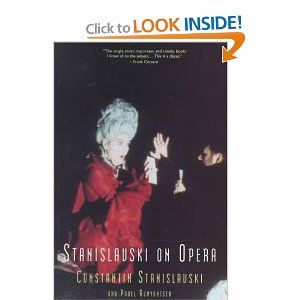
Stanislavski On Opera
(12/31/1969) Best known for his fundamental work on acting, Stanislavski was deeply drawn to the challenges of opera. His brilliant chapters here on Russian classics--Boris Gudonov and The Queen of Spades among them--as well as La Boheme will amaze and delight lovers of opera. |
 |
|
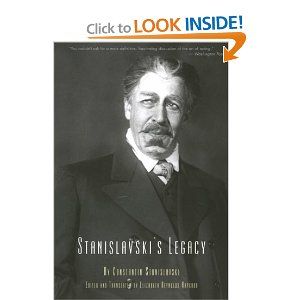
Stanislavski's Legacy: A Collection of Comments on a Variety of Aspects of an Actor's Art and Life
(12/31/1969) Out of the large body of materials -- articles, speeches, notes and memoirs -- left behind by Stanislavski at the time of his death in 1938, Elizabeth Hapgood, his friend and translator, chose items which concentrate on the essence of his work. The result is a volume which supplements the other books he wrote, and re-emphasizes, sometimes in condensed and particulary vivid form, his views about acting, the theatre and life. |
 |
|
My Life in Art
(12/31/1969) Written with the same warmth, liveliness and ability to re-create reality that made Stanislavski a great actor, his autobiography tells of his childhood in the world of Moscow's wealthy merchants, his successes and failures as an amateur actor, how he studied human beings, and developed what has come to be known as the "Stanislavski Method," how his group of dedicated amateurs became "perhaps the greatest acting group the world has ever known (Washington Post)," The Moscow Art Theatre. |
 |
|
Creating A Role
(12/31/1969) This volume completes, with An Actor Prepares and Building a Character, the trilogy in which Stanislavski set down his life's accomplishment. Creating a Role describes the elaborate preparation that precedes actual performance. Stanislavski here relates the techniques he describes in his preceding books to analyzing specific plays and their roles. |
 |
|
Glued to the Box: Television Criticism from the
(12/31/1969) Collection of the Australian-born writer's TV criticism published in the London 'Observer' during the period 1979-82. It is a paperback edition of a volume first published by Jonathan Cape in 1983. His earlier volumes of TV criticism are 'Visions Before Midnight' (1977 & 1981) and 'The Crystal Bucket' (1983). They were published in a single volume with a new introduction and index as 'Clive James on Television' (1991). |
 |
|
New Theatre Quarterly 15 (Part 3)
(12/31/1969) New Theatre Quarterly provides a vital international forum where theatrical scholarship and practice can meet and where prevailing dramatic assumptions can be subjected to vigorous critical questioning. It shows that theatre history has a contemporary relevance, that theatre studies need a methodology and that theatre criticism needs a language. The journal publishes news, analysis and debate within the field of theatre studies. |
 |
|
New Theatre Quarterly 14 (Part 2)
(12/31/1969) New Theatre Quarterly provides a vital international forum where theatrical scholarship and practice can meet and where prevailing dramatic assumptions can be subjected to vigorous critical questioning. It shows that theatre history has a contemporary relevance, that theatre studies need a methodology and that theatre criticism needs a language. The journal publishes news, analysis and debate within the field of theatre studies. |
 |
Videos