


Review: MOTHERTREE at VORTEX Theatre
The VORTEX Theatre’s premiere of MOTHERTREE is stunning, inspiring fragile hope while confronting the stark realities of creation.
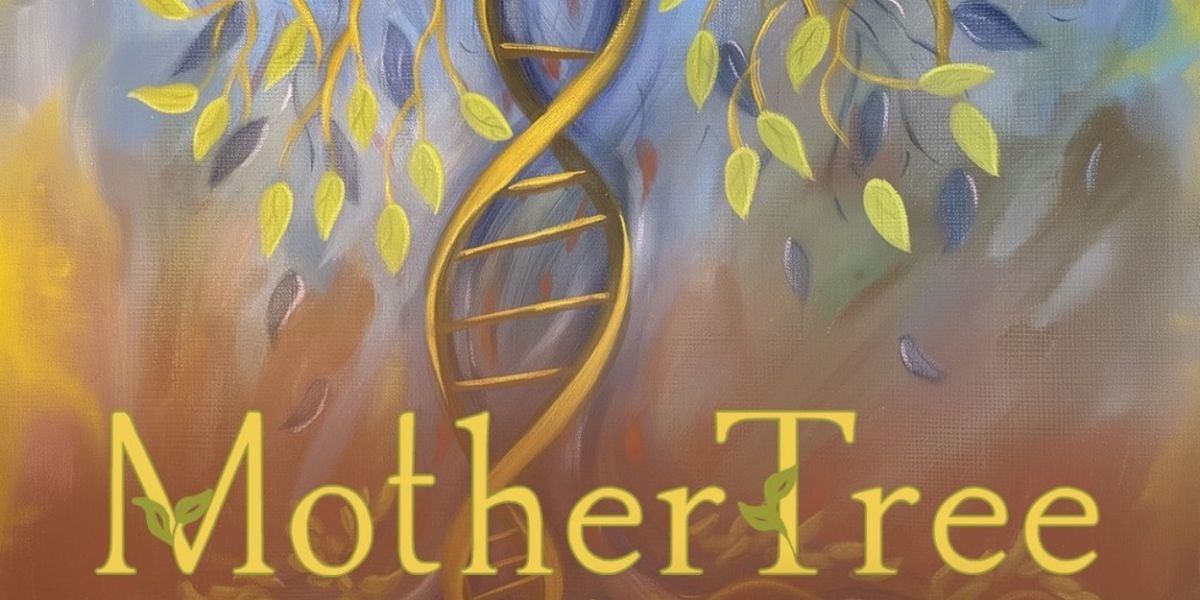
The VORTEX Theatre, supported in part by the Save Our Springs Alliance, the Texas Commission on the Arts, TreeFolks, the City of Austin Economic Development Department, ATX Theatre, and Six Square Austin’s Black Cultural District, presents the world premiere of MOTHERTREE by Bonnie Cullum and Sarah Saltwick on their Eloise Stage from March 27 to April 20. A stunning and immersive experience, the VORTEX describes the play as follows: “MOTHERTREE creates a unique vision of our relationships with trees. Faery Magic and Earth Science engage our imaginations as we travel through the mycorrhizal network to learn from the Trees. The urgency of Climate Crisis compels us to take environmental action and to commit deep work grounded in reciprocality and respect. In an age marked by overconsumption, grief, and isolation, MOTHERTREE creates dynamic beauty and inspiration. The act of getting lost allows us to see.”
MOTHERTREE, dedicated to Susan Kelso (Cullum’s mother), is an immersive dance and music theater experience with interactive elements throughout the VORTEX grounds and in the Butterfly Bar. The performance follows Amber, a young woman on a journey to scatter her mother's ashes at the base of a tree, guided by a fae named Thyme. Together, they traverse a magical landscape made up of fungi and tree roots, facilitated by the mycelium, as Thyme helps Amber uncover the vibrant life within the ecosystem around her.
Amber is first drawn into this world by a low, mournful cry that echoes through the air. Along the way, Amber and Thyme encounter a variety of trees, each offering their own perspective on the world, revealing deep truths—such as "I grow so slowly, destruction comes so fast" and “we are neighbors, we are kin” from the viewpoint of trees exploited for human gain. Through a blend of celebration, swirling dance, and grounded song, they eventually reach a place where the yearning for humanity to reconnect with creation—becoming protectors, nurturers, and members of a larger community—becomes undeniable. This experience offers the audience a poignant reminder of the futility of our isolation from nature, while also inspiring hope that we may yet learn to coexist in harmony.
Bonnie Cullum, a highly acclaimed and award-winning theater artist, recognized as Austin's Best Director by the Austin Chronicle and honored with numerous B. Iden Payne Awards, is the visionary behind this immersive performance. As the director, Cullum has assembled a talented cast of local artists, whose performances are captivating, especially of Thyme and the various characters who speak from the top of the live oak tree.
Alaithia Velez leads the cast in the role of Thyme, delivering an exceptional portrayal of the character’s sincere nature. Velez masterfully conveys Thyme's deep longing for Amber to connect with and understand the world around her, as well as her heartfelt, though sometimes doubted by other fae, hope for creation to heal and reconnect. When Thyme’s home tree is felled, Velez captures the tragedy and sorrow of the moment powerfully.
Logan Lasiter portrays Amber, the human protagonist, with a performance that beautifully captures the complexity of her character. She brings to life Amber's curiosity, empathy, and internal conflict between her desire to follow Thyme and the pressing need to scatter her mother's ashes. Lasiter’s portrayal of Amber’s gradual transformation—both in her understanding of the world around her and in her physical appearance, which begins to resemble that of the fae—feels organic and effortless, reflecting the character’s deepening connection to the magical realm.
Katrina Saporsantos delivers one of the most captivating performances of the show as Tree at the Center of Everything. With her rich, warm, and earthy voice, she brings an immense depth to the character, effortlessly embodying the shifting emotional states of the tree. Saporsantos’ portrayal resonates with a profound sense of wisdom, grounding the audience in the ancient rhythms of the earth. Through her voice, she not only conveys the tree's sorrow and strength but also gently invites us to reconnect with the understanding that we are all part of a much larger, interconnected creation. Her performance is a reminder of the quiet power of nature and the deep, shared bond between all living things, urging us to reflect on our place within the ecosystem and our responsibility toward it.
Tyagaraja Welch as Bristlecone, Laura D’Eramo as Pando, Benjamin Cervantes as Shihuahuaco, Gabriel Maldonado as Banyan, and Caili Crow as American Chestnut each deliver deeply compelling performances, bringing their respective trees’ voices to life from the top of the live oak. Each actor beautifully embodies the distinct essence of their tree, offering profound insights into their lives and wisdom.
Caili Crow, in particular, stands out with her powerful portrayal of the young American Chestnut, infusing the character with an innocence and bright optimism that poignantly contrasts the grim reality it faces. Crow’s performance taps into the deep, heart-wrenching truth of nature’s fragility, capturing the sheer futility and profound sadness of Chestnut's probable fate. Her portrayal resonates so deeply that audience members near me were visibly moved, weeping at the raw, sorrowful truth of the moment: the chestnut may never grow to be 100 feet tall and 20 feet wide, as it will likely be wiped out by a virus, just like so many other trees of its kind. Crow’s emotional depth in this moment is nothing short of breathtaking, leaving the audience to grapple with the painful, inevitable loss of the natural world around us.
The cast is further enriched by a talented ensemble, with Blaise Ricin as Dogwood/Mycelium, Sigh as Pecan/Mycelium, Nicole Boyd as Frogfruit/Mycelium, and Ryan Moore as Poison Ivy/Mycelium, each bringing a unique depth to their roles within the intricate mycelium network. Caili Crow also portrays Cypress/Mycelium, while Gabriel Maldonado takes on the role of Morph/Mycelium, contributing to the ever-evolving energy of the performance. Tyagaraja Welch performs as Passion, and Katrina Saporsantos offers a portrayal of Madrona. Laura D’Eramo brings the role of Agave, while Benjamin Cervantes embodies Rosewood. Finally, Pablo Munoz-Evers delivers a performance as Bud, with a transformation of the human male that speaks to the transformation nature offers us, to be folded back into creation and re-formed with hope.
Performed in an intimate black box theatre, the design elements of MOTHERTREE are exceptional. Ann Marie Gordon’s scenic design creates a rich, immersive environment that transports the audience into the heart of nature. The set features two levels of play space, including a striking live oak tree stump with a cave carved into it, offering both visual impact and symbolic depth. Backdrops of foliage fabric, along with vines, roots, and flora that spill throughout the space, envelop the audience in a natural landscape that feels alive. The design also incorporates several cozy, inviting spaces where performers can rest, play instruments, or sing, seamlessly integrating these moments of music and stillness into the unfolding action.
The lighting design by J Mwaki is transformative, shifting the atmosphere of the play with every scene. Striking moments, such as the backlighting on Bud wielding an axe, the light filtering through Banyan, and the live oak roots that seem to shine from within, enhance the mystical and emotional tone of the performance, creating a vivid and ever-changing landscape. Johann Solo’s sound design perfectly complements the show, with an array of natural sounds—bird whistles, frog croaks, and other subtle effects—offered by the live contributions of the ensemble, all of which help immerse the audience in the world of MOTHERTREE.
The costume design by Maddie Lamb, Keelan Moses, and Tater Williams is equally remarkable, with each piece thoughtfully constructed to serve multiple purposes. The costumes incorporate black light paint and accessories that evoke natural fibers, vines, flowers, and roots, seamlessly blending the human and fae elements. This design, paired with the hair and makeup work by Olivia Rose McCain, strengthens the immersive quality of the production, grounding the characters in their natural, enchanted environment.
The music of the performance is outstanding, with songs by Bonnie Cullum and Nicole Boyd, alongside additional lyrics and compositions devised by the cast. Anderson Dear’s music direction is exceptional, guiding the ensemble to sing with remarkable balance and clear diction throughout the entire performance. The singing and nearly all of the action is accompanied by remarkable, ambient instrumental music on a wide variety of instruments. This all-encompassing music enhances the emotional depth of the show and brings an additional layer of connection to the natural world.
The choreography by Toni Bravo, international dance artist and teacher, is nothing short of brilliant, seamlessly integrating lyrical and purposeful movement throughout the performance. Bravo masterfully blends her iconic modern dance gestural language with expertly synchronized lifts, intricate mazes, and dynamic motions. We experience the vibrant energy of swirling mycelium as Amber and Thyme move through the landscape, witness fanciful dances of fae and flora, and feel the intimate connections between characters expressed through gesture and motion. Each movement conveys both the magic and the deep interconnectedness of the natural world.
MOTHERTREE is a profoundly compelling show, offering each of us an invitation to listen to and better understand our connection to nature in a grounded, heartfelt way. The message it imparts is deeply inspiring: nature does not seek to harm us, but rather wishes to enfold us as neighbors, living in balance and beauty. Throughout the performance, there are striking moments that leave a lasting impact, such as the harrowing scene of Thyme’s tree being chopped down. The devastation it evokes is as close to terror as I've experienced—there is a deep sense of waste, sorrow, and shame in witnessing the violent destruction of something so intrinsically connected to us. The horror of a tree's home being torn apart resonates deeply, a reminder of the fragility of our natural world.
When I left the theater, I carried with me a sense of fragile hope, as MOTHERTREE inspires that in us. But I also walked away with a sorrowful tear in my soul, weighed down by the stark realities of what we are losing. I highly recommend this show to anyone who cares about nature, the arts, and the interconnectedness of us all. The experience is further enriched by interactive elements on the VORTEX grounds, such as trees you can listen to via QR codes, an immersive installation in the Butterfly Bar, and a leaflet that informs the audience about each of the primary trees represented.
MOTHERTREE is a truly powerful performance—one that leaves a lasting emotional imprint. It encourages us to reflect deeply on our place in the world and the vital relationship we share with the earth. It’s a moving experience that stays with you long after the final act.
MOTHERTREE
Conceived by Bonnie Cullum, Script by Sarah Saltwick
Theater Company: The VORTEX Theatre
Venue: 2307 Manor Road, Austin, TX, 78722
March 27 to April 20, Thursdays through Saturdays at 8:00 p.m., Sundays at 6:00 p.m., Industry Show on Wednesday, April 16, at 8:00 p.m.
Running Time: 1 hour and 15 minutes, no intermission
Tickets: $15-$39

|
TCU Horned Frogs vs. West Virginia Mountaineers Amon Carter Stadium (10/24-10/24) |

|
Cristian Castro El Paso County Coliseum (11/07-11/07) |

|
Raas Leela: An East Side Story The Long Center for the Performing Arts (8/22-8/22) |
|
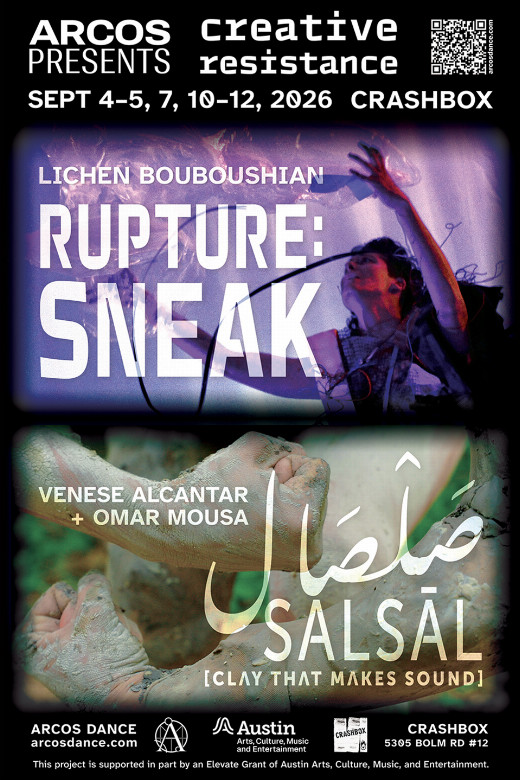
ARCOS Presents: Creative Resistance Crashbox (9/04-9/12) |

|
Patricia Vonne’s “My Heart’s Got A Mind of Its Own” official album release show The Continental Club (9/25-9/25) |

|
Sally & Tom Zach Theater (7/22-8/23) |
|
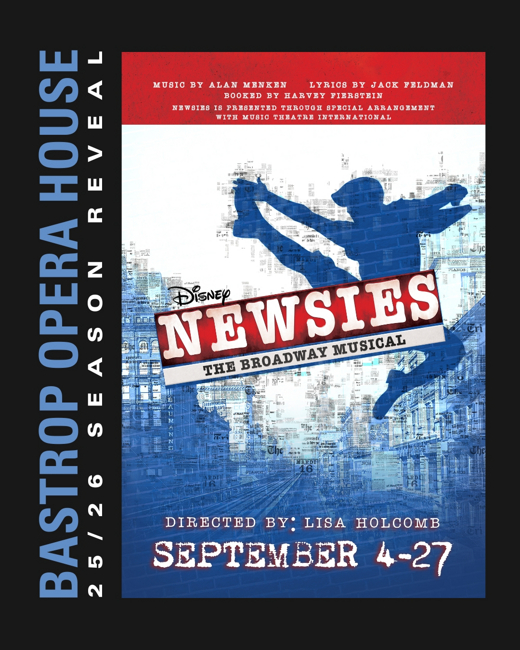
Disney’s Newsies Bastrop Opera House (9/04-9/27) |

|
Austin City Limits Music Festival: Weekend One – 3 Day Pass Zilker Park (10/02-10/11) |
|
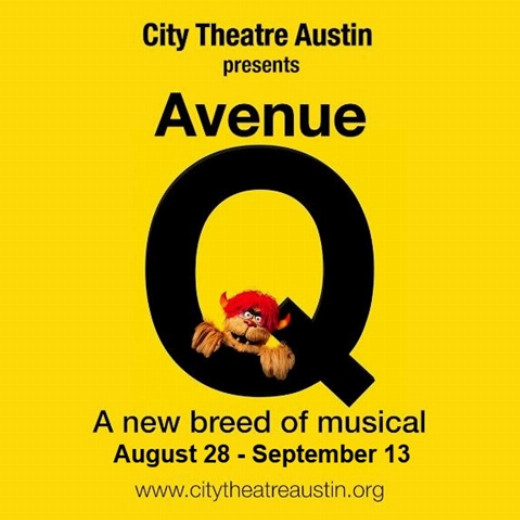
AVENUE Q City Theatre at Genesis Creative Collective (8/28-9/13) |
|
Come From Away Zach Theater (8/19-9/27) |
Reader Reviews
To post a comment, you must register and login.