


Interview: Greer Firestone of GOVERNANCE IN COMMUNITY THEATRE
Governance, Casting and Community Trust
By Aisle Say
For more than forty years, Aisle Say has observed live theatre from the aisle—not the spotlight, not the boardroom, and not the dressing room mirror. The pseudonym was never intended as disguise, but as distance: a way to write about theatre with allegiance to the art form rather than to personalities.
The perspective behind Aisle Say is cumulative. It comes from nearly seven decades inside the theatre—as a child performer, actor, singer, dancer, producer, and director. Across those years, certain patterns repeat, regardless of geography, budget, or era. Some nurture growth. Others quietly undermine it.
One lesson history returns to again and again is this: the health of a theatre is inseparable from the perceived fairness of its process.
Community theatre exists in a delicate balance between artistry, volunteerism, and public trust. Its strength lies not in budgets or buildings, but in the belief—shared by artists and audiences alike—that participation is open, fair, and rooted in artistic merit.
In recent years, some organizations have drifted—often unintentionally—toward governance models in which boards are composed largely of family members. These arrangements frequently arise from devotion, availability, and long-standing commitment. In many cases, families quite literally built the theatre, sold the tickets, raised the money, and kept the doors open when no one else would.
But what sustains a theatre in its infancy can, if left unexamined, constrain it in maturity.
Even when casting decisions are made in good faith, repeated patterns in which family members receive a disproportionate number of high-profile roles can create a perception of pre-determination. In the arts, perception alone shapes behavior.
Talented performers outside the organization may hesitate to audition—not because they doubt the integrity of the individuals involved, but because they question whether their work will be evaluated on equal footing. Over time, this hesitation narrows the talent pool and weakens the artistic vitality the organization seeks to preserve.
Family-centered leadership can also unintentionally limit the range of artistic voices at the table. Theatre thrives on diversity of perspective—of experience, training, age, and background. When governance and casting overlap too closely, opportunities for creative tension, mentorship, and growth diminish. This is not a question of intention, but of structure.
Over decades of observation, Aisle Say has seen organizations flourish when they expanded leadership beyond founding families, separated governance from casting, welcomed disagreement, and treated auditions as genuine invitations rather than rituals. And Aisle Say has seen theatres falter—not from lack of talent or goodwill, but from over-familiarity mistaken for stability.
Community theatres are cultural commons. They belong not only to those who founded them or sustain them, but to the broader community of artists and audiences who invest time, money, and emotional energy in their success. Clear separation between governance and artistic decision-making—and between family loyalty and institutional responsibility—helps reinforce the idea that the theatre serves the art form and the community first.
This concern is not new. Across decades it has appeared under different names: “closed companies,” “inner circles,” “family theatres.” The language changes; the outcome does not. When opportunity appears inherited rather than earned, participation wanes, artistic ambition narrows, and trust erodes.
Constructive steps forward are neither radical nor punitive. They may include broadening board composition to include non-family members, rotating casting authority, publishing transparent audition policies, and actively encouraging new and returning performers to participate. Such measures do not diminish family contributions; they honor them by ensuring the institution remains vibrant, credible, and sustainable.
Most families involved in community theatre are motivated by love—of the art, of the institution, and of one another. Aligning that love with inclusive structures strengthens the theatre’s future and renews confidence among artists who wish to offer their best work.
History suggests that theatres willing to examine their structures—before audiences and artists vote with their absence—are the ones that endure.
This reflection is not a verdict. It is a continuation of a conversation that has been unfolding for decades, offered in the belief that community theatre is worth protecting from the habits that quietly weaken it.
Community theatre flourishes when opportunity is visible, trust is earned, and the door remains unmistakably open.


|
Mean Girls Clear Space Theatre Company (6/26-8/29) |

|
Pretty Woman Clear Space Theatre Company (7/01-8/25) |
|
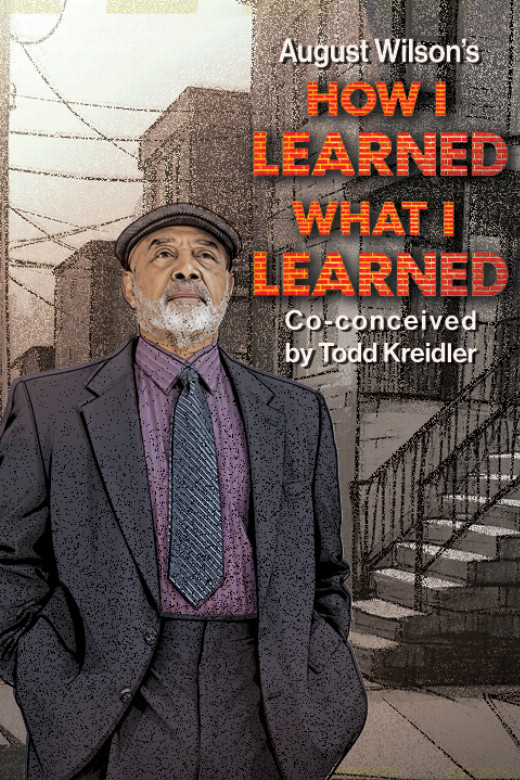
August Wilson's HOW I LEARNED WHAT I LEARNED Resident Ensemble Players (9/04-9/20) |
|
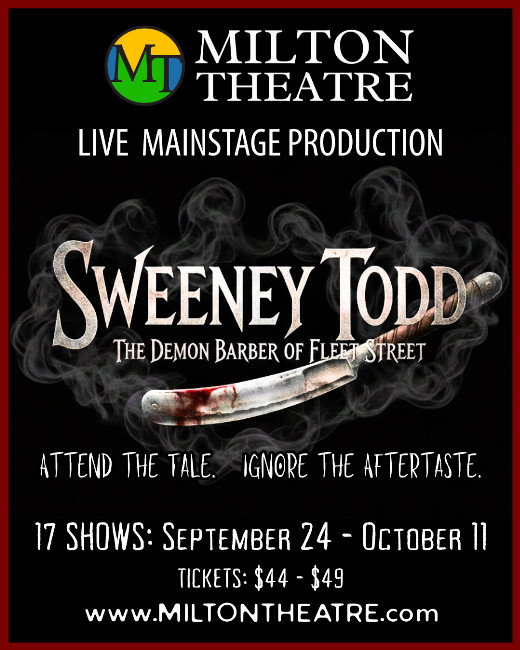
Sweeney Todd: The Demon Barber Of Fleet Street Milton Theatre (9/24-10/11) |
|
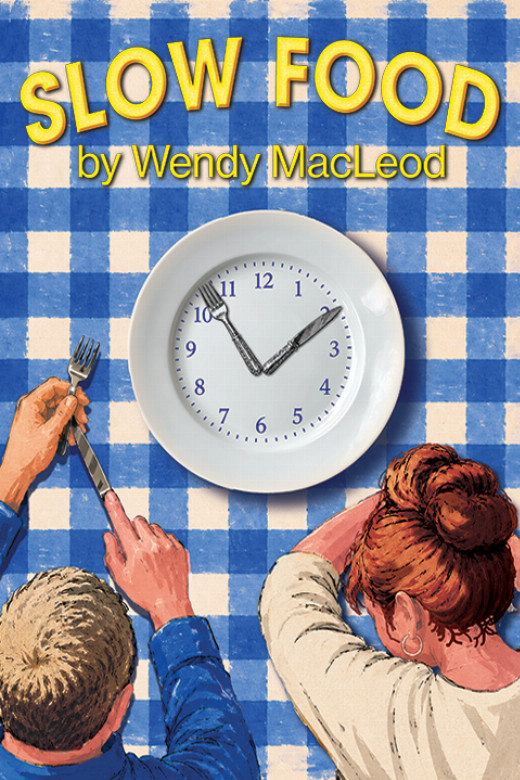
SLOW FOOD Resident Ensemble Players (2/07-3/07) |

|
Angels in America: Millennium Approaches Possum Point Players (9/11-9/20) |
|
|
Clear Space Theatre Company presents Mean Girls: The Musical (Children 12 and under are free to attend and do not need a ticket when sitting in the La Freeman Arts Pavilion (8/19-8/19) |

|
Beetlejuice JR. Second Street Players (10/09-10/18) |

|
Holidays a cappella at Chicago a cappella Chicago A Cappella (10/25-8/25) |

|
Hedwig and the Angry Inch Milton Theatre (10/21-11/01) |