


Review: END, National Theatre
David Eldridge completes his triptych of modern relationships
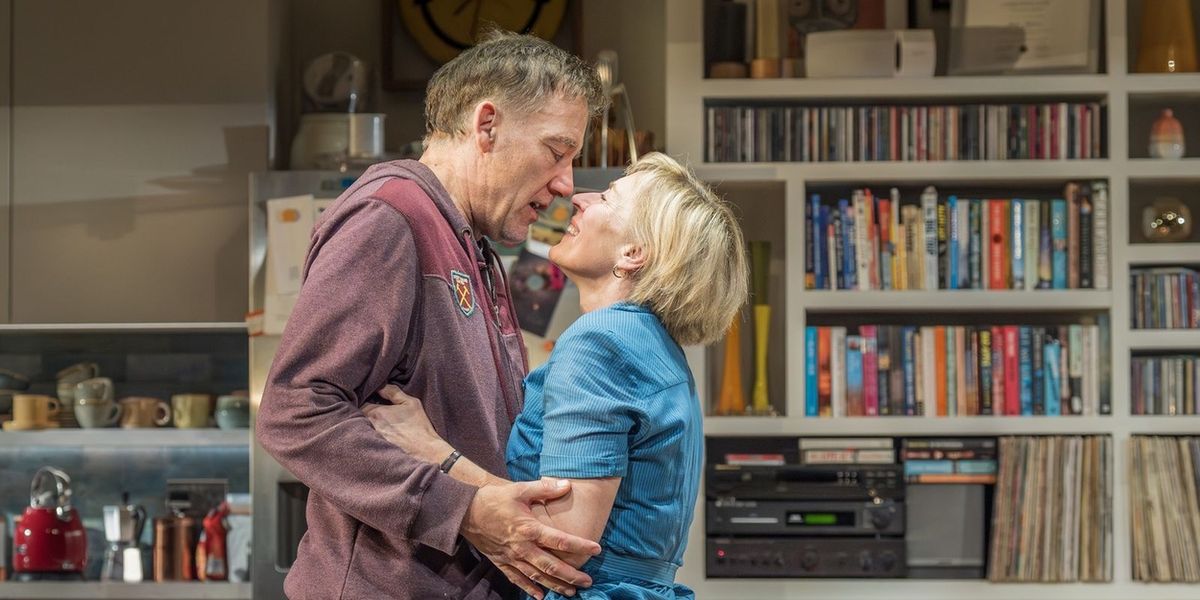
 With End, David Eldridge completes his triptych of modern relationships. Beginning saw Bleary-eyed flirtation in the early hours, to the introspection of mid-life melancholy in Middle. Now the final chapter. In that sense, End feels destined to sag with sentimentality, and despite admirable moments, it does exactly that.
Former acid-house DJ Alfie is counting down his last days in leafy Crouch End. The hedonism that once fuelled him has curdled into cancer, and he has resolved to ditch chemotherapy to go out unburdened by side effects. His partner Julie stuffs grief behind stoic resolve until the revelation of his past infidelity is exhumed, probably to give the pair something to argue about, before being swiftly reburied. She is a writer and plans on documenting their entwined lives, to his dismay.
There are hints that there is a world outside of Gary McCann’s immaculately realistic set, all John Lewis sheen. Set in 2016, a week before Brexit vote and Alfie’s beloved West Ham are to leave their former home at Upton Park. But Alfie stubbornly refuses to accept that the world will roll on without him radiating the wearying pull of his own slightly piteous self-pity. Ivan Ilyich rewired for the twenty-first century.
But there is a certain charm in Eldridge’s sentimental nebulousness. Though meandering, Alfie’s philosophising has a boyish charm, supplied from Clive Owen who discovers the middle ground in the contradictions of a frail man supercharged by adolescent lust for life. Owen’s eyes glow whenever Alife reminisces about his glory days.
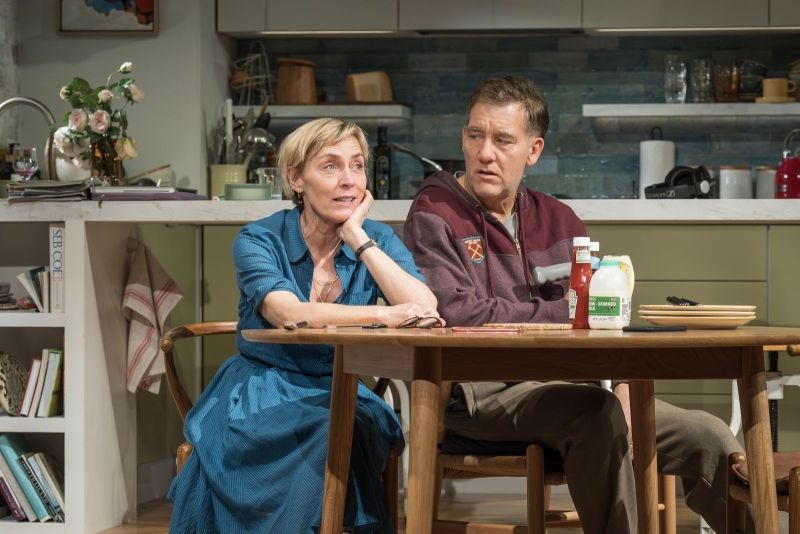
Rachel O’Riordan’s understated direction allows Owen and Saskia Reeves to shape the rhythm. Reeves is the ballast, her Julie is gracefully mature where Alfie is petulant. She carries the emotional labour of caring for a dying man. Their exchanges have a naturalism that feels lived-in and quietly bruising.
End falters in its reluctance to push further than gentle inquiry. Eldridge circles big ideas, how to die well, how to account for life’s mistakes, but often settles for sentimental platitudes about the importance of living a good life. Even so, End offers moments of real emotional grace. When post shouting match silence looms and Owen wheezes through the ache of existing in a dying body, the play briefly becomes the tender study it wants to be of how to leave the world and the person you love behind.
End plays at the National Theatre, until 17 January
Photo Credits: Marc Brenner
Sign up for all the news on the Summer season, discounts & more...







Reader Reviews
To post a comment, you must register and login.