Analia Farfan Presents Astor Piazzolla: The New Era
Analia Farfan and the International American Ballet present a production that traces the evolution of tango through the work of Astor Piazzolla
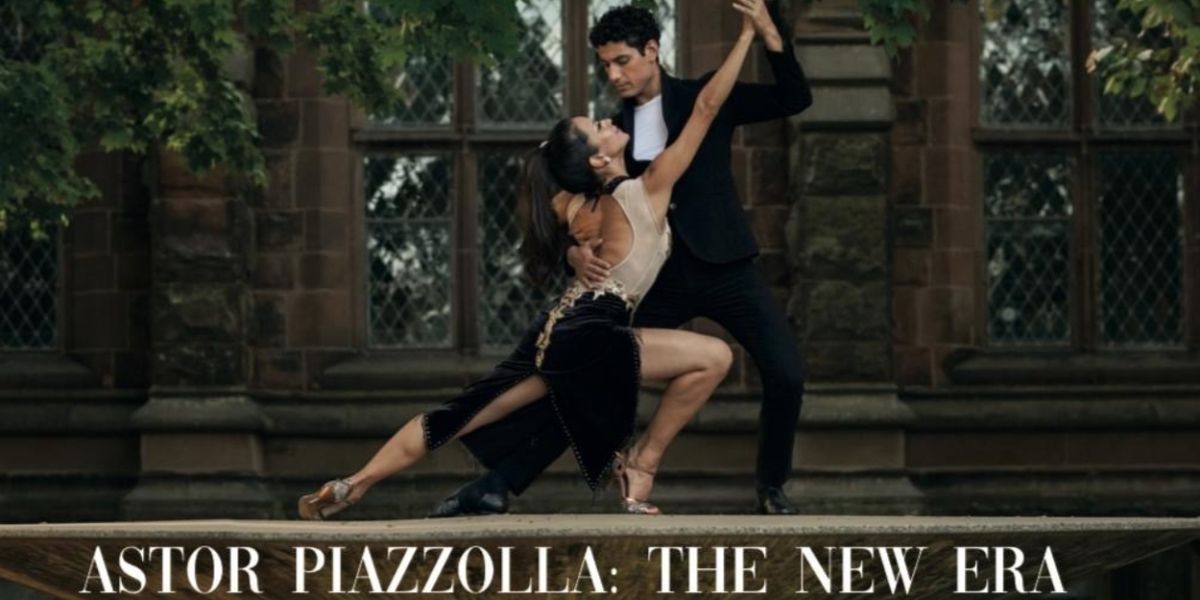
With shimmering skirts, spine-tingling vocals, and choreography that seems to breathe with the music itself, Analia Farfan and her company, The International American Ballet, lit up the Spark Theatre Festival stage on March 22nd with Astor Piazzolla: The New Era, a tribute as bold and layered as Piazzolla’s own compositions.
The sold-out performance at 312 W 36th Street gave audiences a first taste of what will soon blossom into a full-length production, set to premiere on May 16, 2025, at Theater at St. Jean, and later this year in Buenos Aires. The show is a love letter to Astor Piazzolla, the iconic Argentine composer whose revolutionary fusion of tango, jazz, and classical music gave birth to nuevo tango—a genre that redefined the boundaries of traditional dance and sound.
Born in 1921 in Mar del Plata, Argentina, Astor Piazzolla studied classical music in Paris under Nadia Boulanger before returning to Argentina to transform tango from nostalgic parlor music into something visceral, intellectual, and modern. His daring combinations of dissonance, rhythm, and soul shaped a new era in Latin American music—and it’s exactly that legacy that Farfan brings to life onstage.
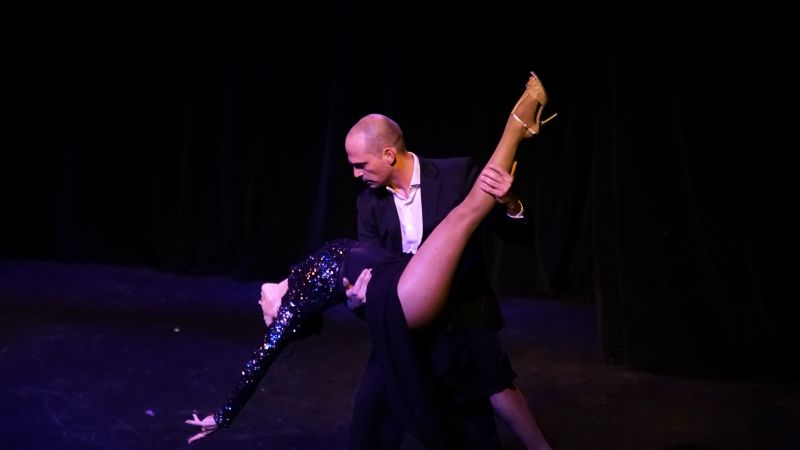
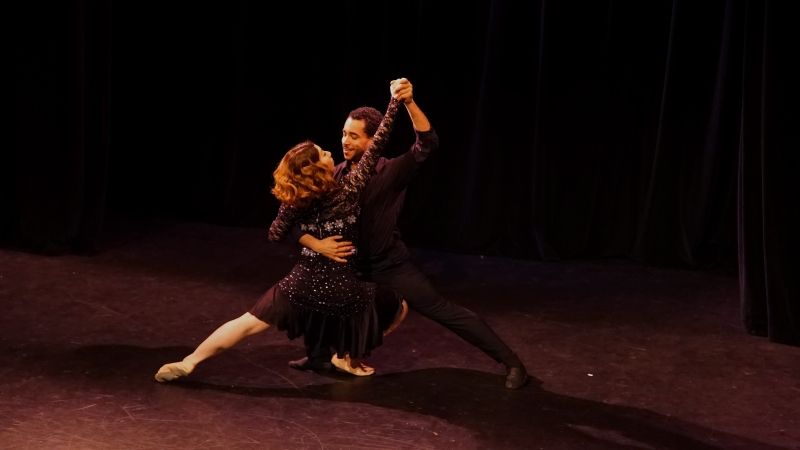
Opening with the sensual Jealousy—a tango composed by Jacob Gade in 1925, reimagined through Farfan’s sleek choreography and her own magnetic performance with dancer José Rojas—the evening unfolded as a cascade of emotion, elegance, and historic reflection. Farfan’s movements were sharp and sophisticated, capturing both the classic restraint and the modern tension that would later define Piazzolla’s evolving musical language, positioning Jealousy as a precursor or revival of tango’s rich past
Next came Romance del Diablo (1965), performed by Guillermina Quiroga and Mariano Logiudice, a duet that danced the line between jazz improvisation and romantic entanglement. The chemistry between them was palpable—intimate, yet never indulgent—allowing Piazzolla’s melodies to lead with quiet authority.
One of the most unforgettable moments of the night was opera singer Mariela Marcó’s powerhouse interpretation of María de Buenos Aires (1968). With a voice full of haunting beauty and defiant strength, Marco embodied the tragic yet transcendent character of María, a tango-drenched tale of death and rebirth that Piazzolla and poet Horacio Ferrer crafted into operatic folklore. Marcó’s voice filled the room with ghostly seduction—an echo of María herself.
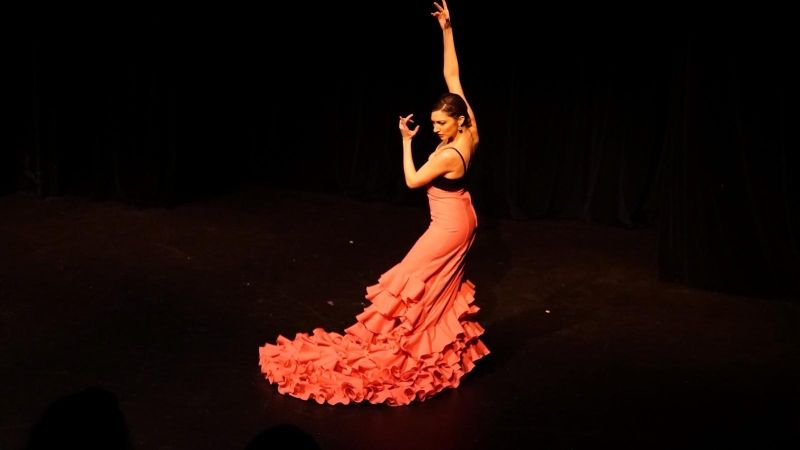
Dancer Paloma de Vega brought a striking presence to Oblivion (1982), donning a swirling Spanish skirt full of volantes that seemed to command the air around her. The piece, a melancholic blend of tango and flamenco, was a study in controlled freedom—her skirt and soul spinning across the stage like memories that refuse to fade.
In Café 1930, danced by Teryn Trent and Misa Mochizuki, the choreography was a collaborative creation by Analia and César Ortiz. Together, they brought to life a piece that transported us to a time when tango had moved off the dance floor and into the café—a genre growing more introspective and musically refined. Their pas de deux was breathtaking, with pirouettes in the air and slow, stunning tableaus that paid homage to tango’s evolution.
But the emotional apex came with Los Pájaros Perdidos, a deeply personal and poetic piece danced by Farfan and Rojas, with Marco once again delivering vocals that touched the soul. Inspired by a conversation Piazzolla had with a friend about where birds go to die—“they merge in the sky”—this piece was tender, aching, and transcendent.
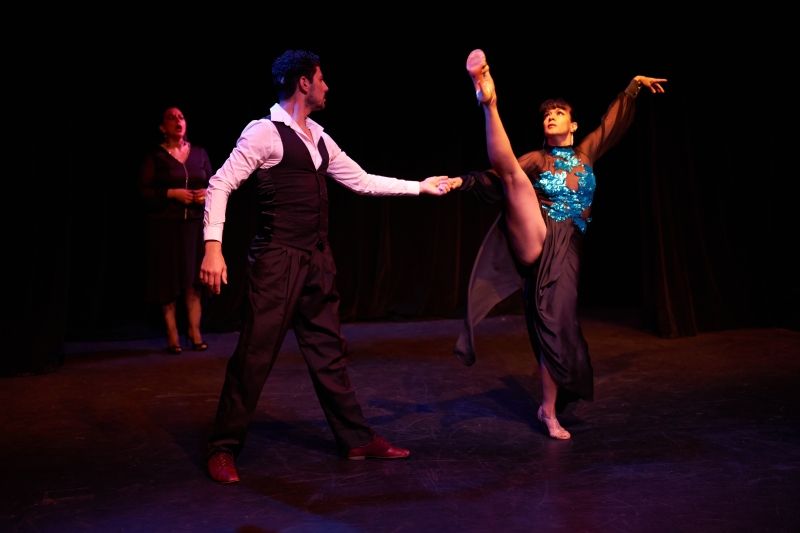
The evening closed with Libertango, Piazzolla’s most iconic composition and a thunderous celebration of liberation in all forms. Quiroga and Logiudice returned to the stage in full force, delivering a dramatic and high-octane finale that left the audience breathless. It was tango, yes—but electric, postmodern, and fiercely alive.
The entire cast—eight exceptional artists—brought precision, style, and heart to the stage. Every detail was refined, from the musicality of the dancers to the impeccable live vocals, costuming, and stage presence. It was not just a performance—it was a statement. Tango lives. And it lives anew.
As Farfan prepares for the official May 16th premiere of Astor Piazzolla: Extravaganza at Theater at St. Jean , one thing is certain: this is a production not to be missed. With upcoming performances also slated for Buenos Aires, Farfan continues to bridge continents and generations through dance, voice, and vision.
Get Your Tickets for the Full Premiere on May 16 at Saint John Theater HERE
Visit the company at:
Follow them on Instagram:
@int.americanballet
@rahanova
Don’t miss the next opportunity to witness Astor Piazzolla: Extravaganza —a dazzling and deeply felt tribute to one of music’s greatest revolutionaries.