Gildas Lemonnier: Carrying the Graham Legacy Across Continents
From Paris to New York to Oklahoma, Gildas Lemonnier’s journey traces the living legacy of Martha Graham through performance, pedagogy, and artistic collaboration.
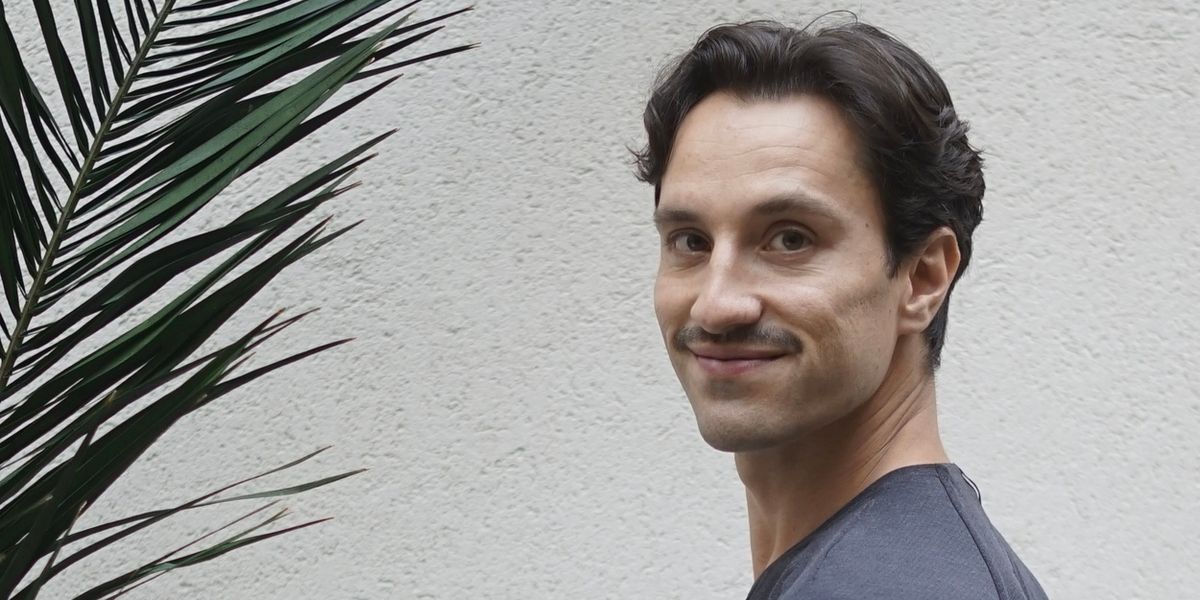
In the world of contemporary dance, where the body becomes both language and memory, few artists embody lineage and innovation as seamlessly as Gildas Lemonnier. Trained in Paris and New York, and now based in Oklahoma, Lemonnier’s journey spans continents, styles, and generations of modern dance. What remains constant throughout is his deep connection to the Martha Graham technique—a foundation he has carried from the world’s most renowned stages to top tier university dance programs shaping the next generation.
Lemonnier’s formal training began in Paris, where he discovered the Graham technique while studying at the Institut de Formation Professionnelle Rick Odums (IFPRO). “It changed the way I understood movement,” he recalls. “The use of breath, the force of contraction and release—it’s like learning how to speak truth with your body.” After four years of study, he enrolled at the Martha Graham School in New York City, where he joined the Graham 2 and, within the same year, was invited to perform with the Martha GrahamDance Company itself—a rare progression in one of America’s most iconic institutions.
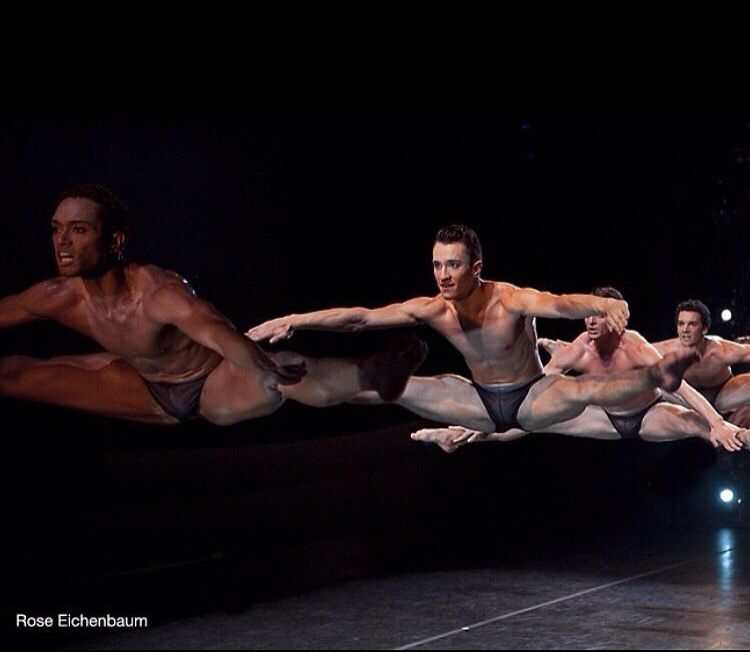
With the Martha Graham Dance Company, Lemonnier performed and toured both nationally and internationally, gracing stages such as New York City Center, Jacob’s Pillow, and festivals across the United States and Europe. His repertoire included classic Graham works such as Temptation of the Moon and The Rite of Spring, where his precise physicality and emotional command earned critical praise. “Performing Graham’s choreography was like touching history,” Lemonnier says. “You feel her presence in every performance.”
After two seasons with the company, Lemonnier expanded his career into the broader contemporary scene, joining Peridance Contemporary Dance Company under Igal Perry. There, he performed works by an international roster of choreographers, including Jae Man Joo, Manuel Vignoulle,Charlotta Öfverholm, Dwight Rhoden and Marlena Wolfe, traveling with the company to Miami, Tel Aviv, Seoul, and Italy. He also worked as a freelance artist collaborating with choreographers like Christopher Williams, Mike Esperanza, Jackie Nowicki and Gierre Godley. His performance as the lead in Godley’s Christopher (Project 44)—a reimagining of Snow White through a contemporary queer lens—stood out for its nuance and strength.
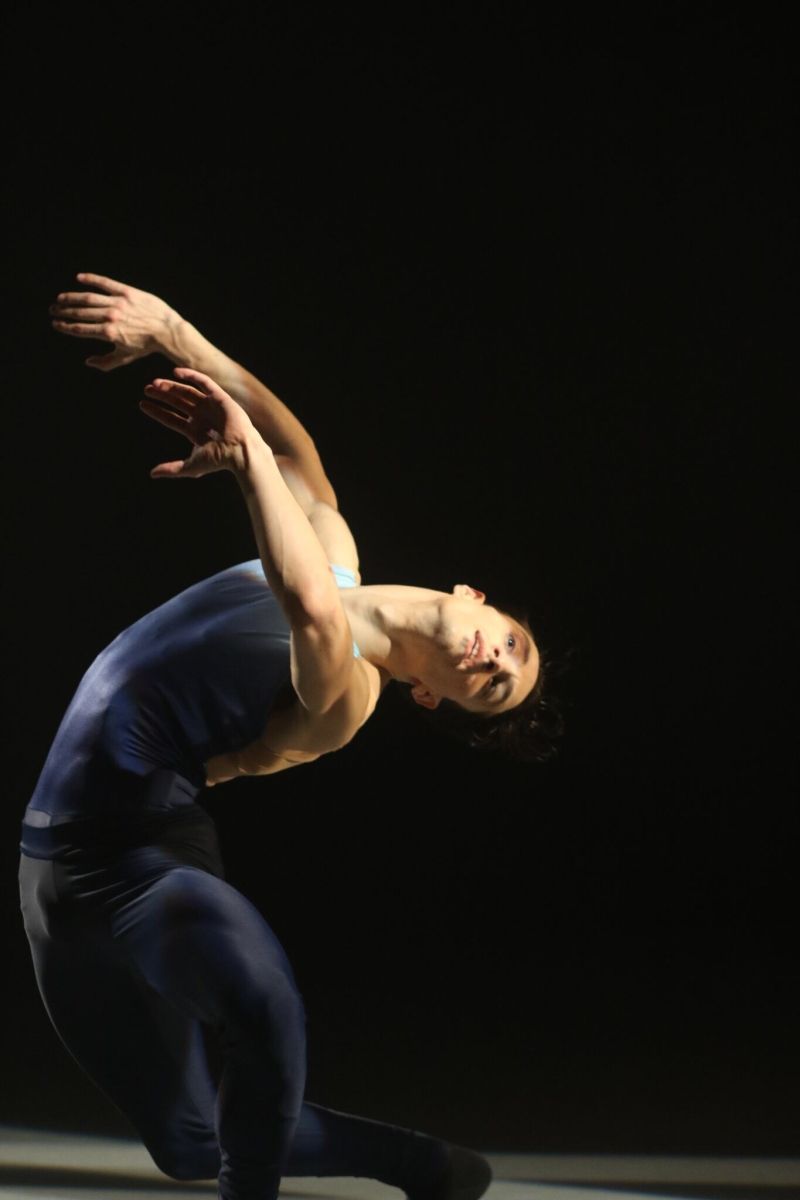
In 2018, Lemonnier returned to France to immerse himself in the European dance scene. He began teaching the Graham technique at IFPRO, Studio Harmonic, and Dansez Maintenant, passing on the method that first defined his artistic identity. Simultaneously, he performed with SML Dance and became a principal collaborator with Althea Dance Company, a French-American ensemble led by choreographer Thea Bautista. Together they developed the duet Lazar, a multimedia work inspired by literature and memory. Bautista and Lemonnier performed the premiere of Lazar at the Fondation des États-Unis and later toured the work to the Festival de Blois and other French venues.
“The piece explored how memory shapes perception—how we reimagine truth,” Lemonnier says. “It allowed me to connect performance with philosophy, something I deeply value.”
Lemonnier also collaborated with Alexander Olivieri, an American choreographer and filmmaker, on Sève—a meditative dance film shot in the forests of France and featuring Lemonnier as its sole on-screen performer. “It’s about transformation and resilience,” he says of the film, which was selected for several international film festivals. “Like trees shedding leaves, we grow by letting go.”
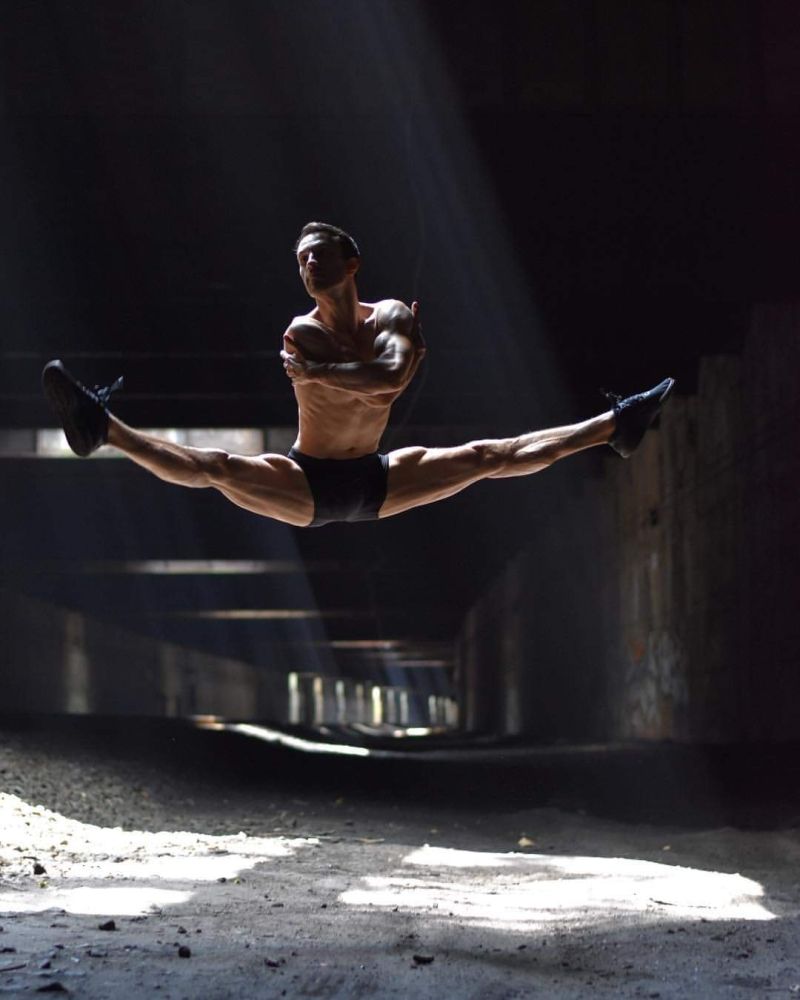
In 2022, Lemonnier returned to the United States to continue performing and teaching, a full-circle moment that reaffirmed his role as both artist and educator. Invited to teach Graham technique at the University of Central Oklahoma (UCO) and the University of Oklahoma (OU), he has become a vital link in the living legacy of American modern dance. He also teaches professional open classes at RACE Dance Collective, contributing to the region’s growing contemporary dance scene.
“The Graham technique is more than steps—it’s a philosophy of movement,” he reflects. “It teaches awareness of the body’s energy, the subtleties of breath, and the precision of intention. As a teacher, I feel like a surgeon of detail—helping dancers uncover what’s already within them.”
This year, Lemonnier will reunite with Bautista’s Althea Dance Company for a new staging of Lazar, scheduled for April 2027 in Oklahoma City, continuing his transatlantic collaboration. “Every phase of my career has been a return,” he says. “To the stage, to teaching, to Graham. It’s not about repetition—it’s about resonance.”
From Paris to New York, to Oklahoma, Gildas Lemonnier’s work embodies the global reach of modern dance and the timeless spirit of Martha Graham—an artist who continues to build bridges between tradition and evolution, between movement and meaning.