


Review: THE HUNGER GAMES: ON STAGE, Canary Wharf Troubadour Theatre
The stage adaptation of the seminal YA novel is now open.
 Every year, a pair of children between the ages of 12 and 18 are chosen from each district of the dystopian post-apocalyptic nation of Panem to participate in The Hunger Games. A brutal lottery draw starts the televised survivor game show, a compulsory battle royale designed by the Capitol to maintain their power over the poorer, weaker areas of the country.
For late Millennials and early Gen Z-ers, it’s difficult to remember a time before Suzanne Collins published her trilogy. The screen adaptations started hitting cinemas in 2012, launching Jennifer Lawrence and Josh Hutcherson into stardom. Katniss volunteered as tribute, and the world was never the same.
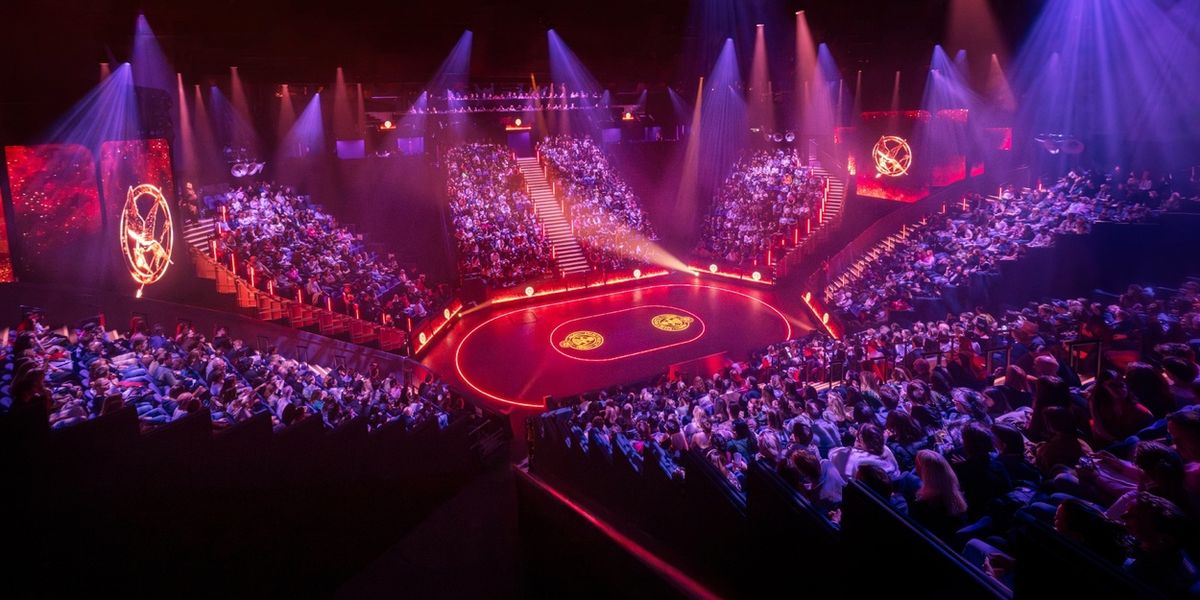
Now, 17 years after the series saw the light of day, The Hunger Games has become a play. Housed in a purpose-built venue in Canary Wharf, it’s a behemoth. Adapting it for the stage was always going to be a Herculean task, not only when it comes to pleasing a very passionate fandom, but when we consider the scale and magnitude of the story too. Written by Conor McPherson and directed by Matthew Dunster, it’s an unquestionably impressive achievement with great technical value. The actors are tireless athletes, the theatre is an imposing arena, and the stagecraft is often remarkable. Unfortunately, it’s also a soulless incarnation.
Too long has been spent on looks and not enough importance has been given to the exploration of the themes. The sociopolitical allegories and the symbolism are mere afterthoughts of a grand spectacle. We don’t truly witness the wealth gap between the Districts, nor do we absorb the reason why the Games exist. Splashes of ideas are thrown in without developing them or unravelling their significance, perhaps in the hopes that the audiences will fill in the gaps with their own knowledge of the franchise. Everything happens too quickly. This is obviously due to the medium’s restrictions, but it’s also the horrid aftermath of having to cut a much longer and more ponderous project.
In essence, we’re not given the chance to sit with danger. When we hear Prim’s name being called, our blood doesn’t run cold. Katniss’ stepping up to take her place doesn’t have the inner resonance it should have. The kids lining up are going to die, and it doesn’t give us pause. The personal relationships that make the original versions work so flawlessly aren’t given the appropriate thought. The Games start, but we don’t care enough to root for Katniss. The other huge thematic dearth is the mediatisation of torture for the entertainment of the rich.
%2C%20Mia%20Carragher%20(Katniss%20Everdeen)%20%C2%AE%2C%20%E2%84%A2%20%26%20%C2%A9%202025%20Lions%20Gate%20Entertainment%20Inc_%20All%20Rights%20Reserved%20.jpg?format=auto&width=1400)
There’s quite a lot of talk about being constantly surveilled, how Katniss and Peeta must play up their bond for the cameras to garner the necessary public interest that will lead to their victory. It matters very little as we don’t actually perceive the threat of being watched. We get interludes of Caesar’s commentary, but the incessant spectacularisation of tragedy is left too much to the nature of theatre itself for it to become immediately relevant. The space is fitted out with screens; we wonder why they haven’t been exploited for this plot line rather than to display pixelated videogame-like graphics of trees.
While the direction is geared towards splashy action and self-resolving spurts of energy, the script is excessively vague. All along, there’s a desperate lack of tension. Neither the stakes of strategic survival nor those of the speculated sabotage take hold of the narrative. The story needs to keep moving, each beat is too quick to let any type of atmosphere grow and linger, so the team employs bursts of anxious traffic instead.
%20in%20Hunger%20Games%20on%20Stage%20by%20Johan%20Persson2025%20%C2%AE%2C%20%E2%84%A2%20%26%20%C2%A9%202025%20Lions%20Gate%20Entertainment%20Inc_%20All%20Rights%20Reserved%20.jpg?format=auto&width=1400)
The potential of the production comes to fruition during active combat. Fight director Kev McCurdy orchestrates a breathless choreography devised to look good from afar (like most of the show). It builds up into carnage when strident music (Ian Dickinson) and combines with strobe lights (Lucy Carter) to destabilise the visuals. Rigs descend to indicate trees or other hiding places, while special effects and illusions (Chris Fisher) toy with reality.
Towards the end, we catch a glimpse of what could have pushed the artistic merit of the product away from being an expensive curiosity if the show had leaned into it. One harrowing segment sees Katniss walking through her dead rivals in a gorgeously morbid tableau. They move as one, almost floating, in our heroine’s nightmarish last push. It finally allows us to reflect on what’s been going on and appreciate the valour of the tributes.
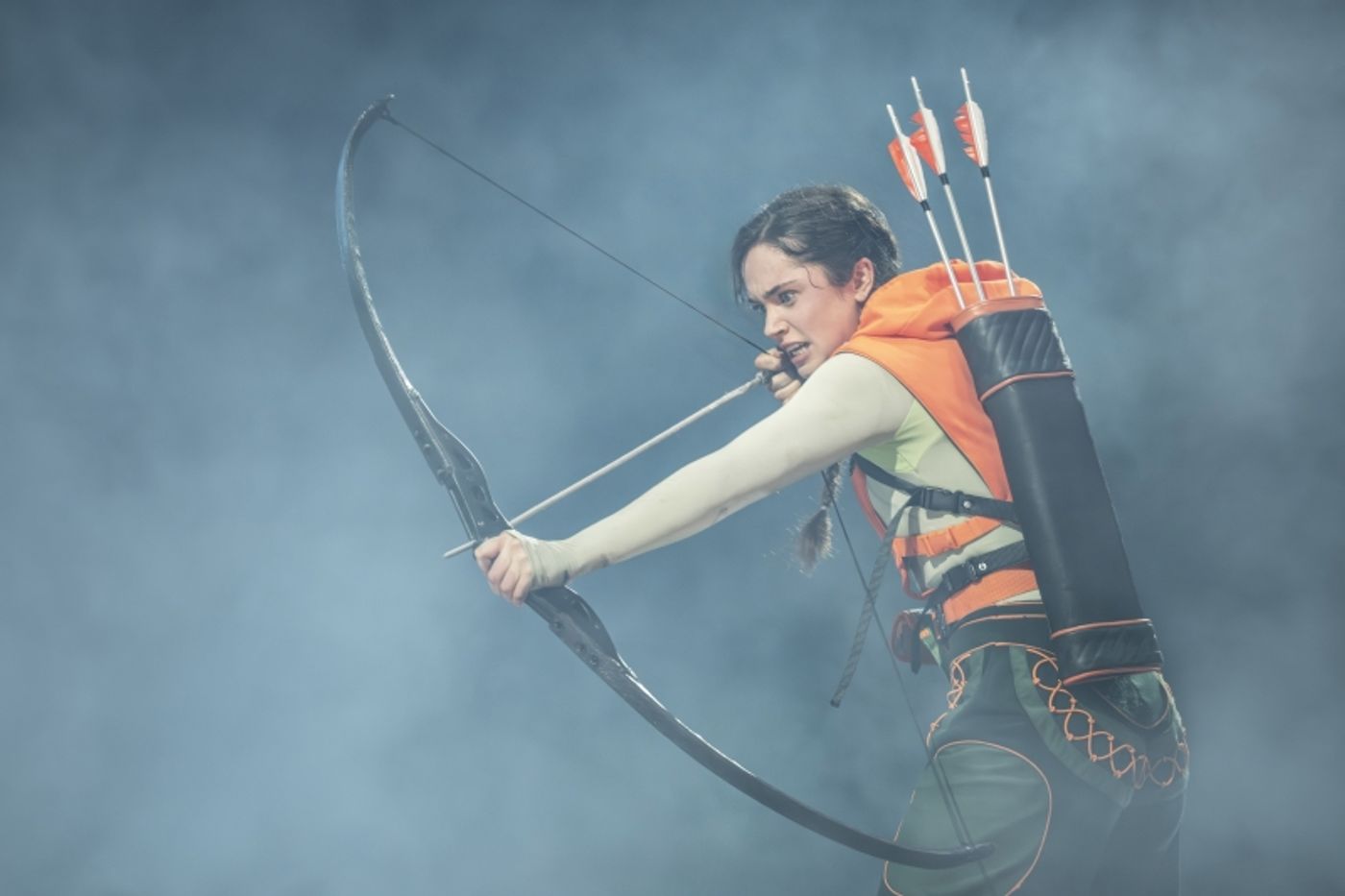
Mia Carragher leads the company as an explosive Katniss, followed by Euan Garrett as Peeta. Projecting into the void of the venue, they necessarily need to overact and exaggerate their movements, but their performances are precise and genuinely arresting in terms of exertion. This said, the characters tend to be small figurines with limited backstory or reasoning to them, that only distantly represent Collins’ counterparts.
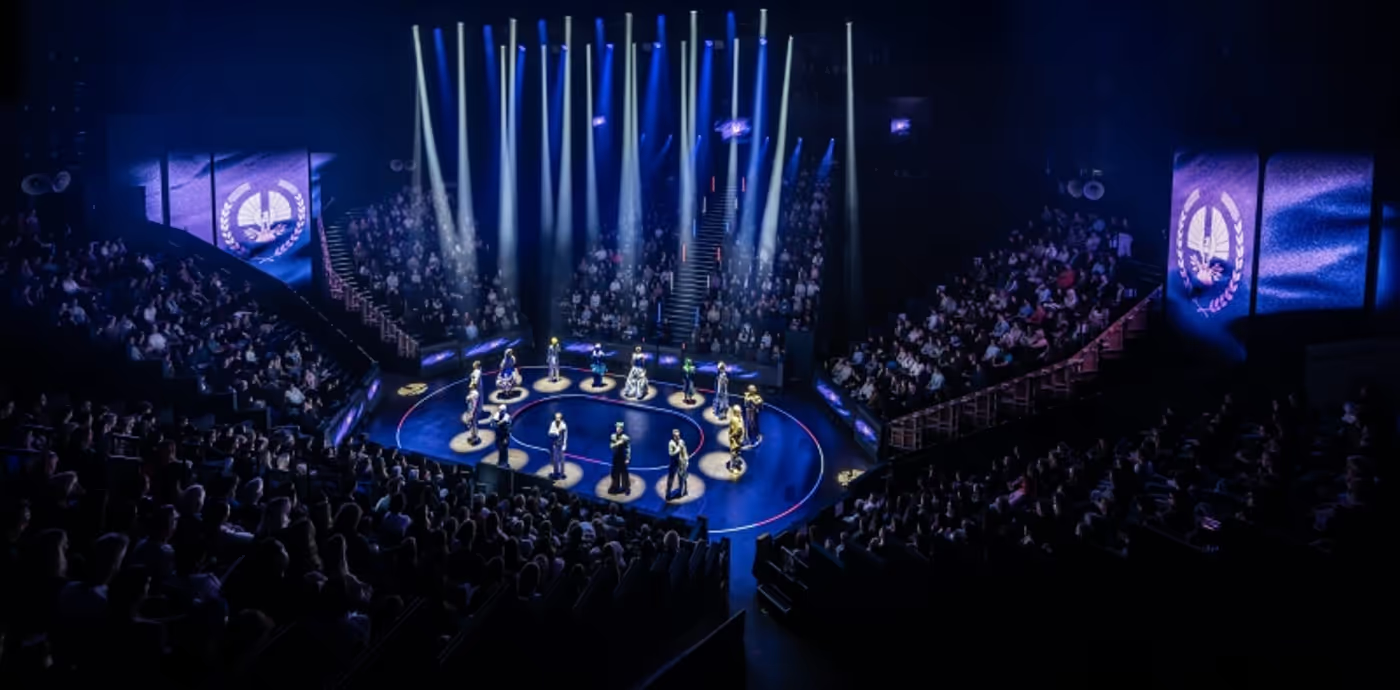
John Malkovich cameos as President Snow, returning in the role with a monotone, static delivery. Effie Trinket (Tamsin Carroll) and Haymitch Abernathy (Joshua Lacey) are sad accessories rather than the weapons they really are. Stavros Demetraki brings some pizzazz as Caesar Flickerman, but Tristan Waterson is forgettable as Gale Hawthorne The Capitol becomes a sleek set design with garish colours (Miriam Buether) as opposed to District 12’s grim tones.
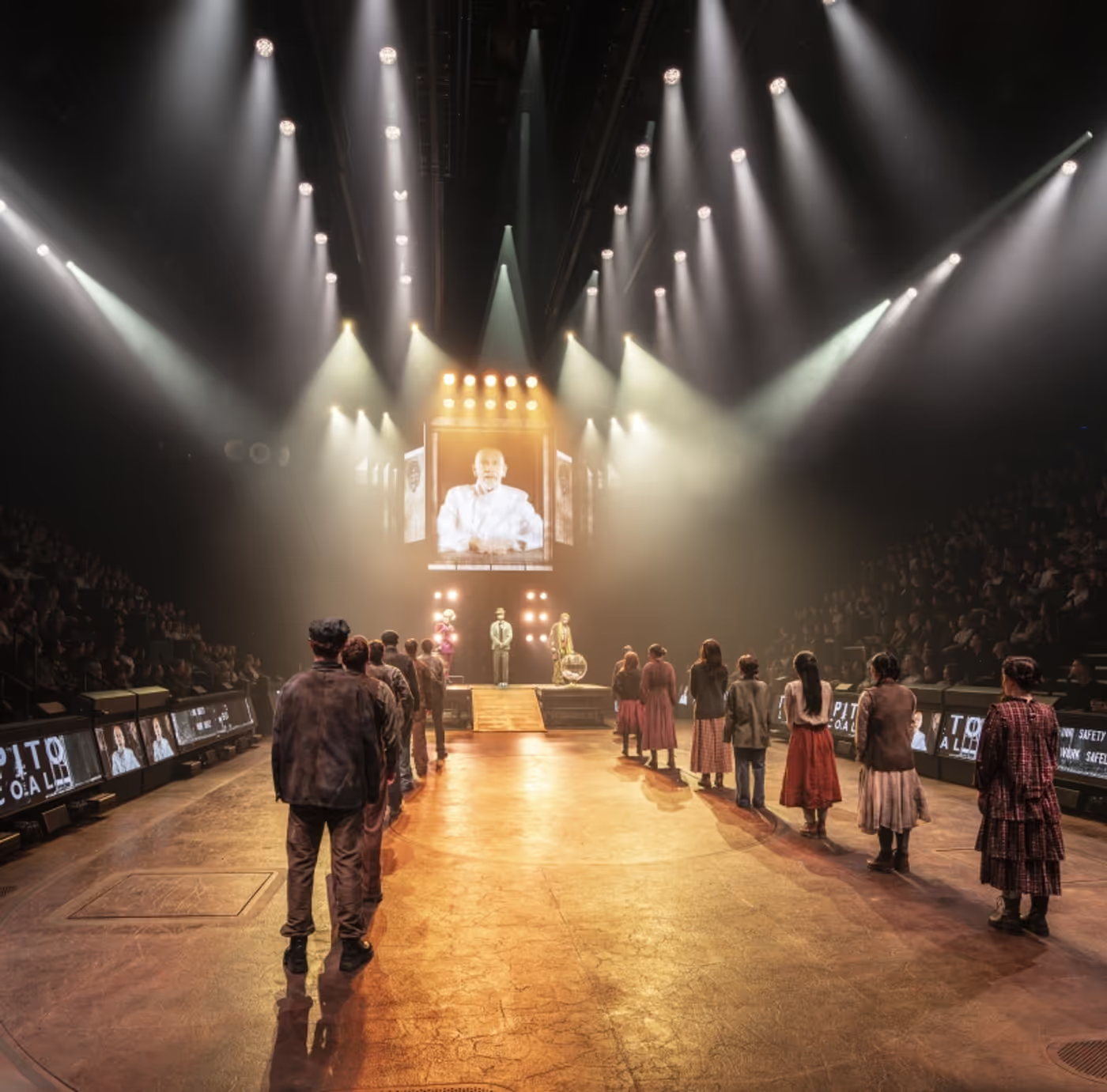
The size of the production makes it all come off slightly fabricated and unnatural, but that was always going to happen. If you expect to be wowed to the edge of your seat, the technical aspects will do that. If you look for emotional depth and the same thematic inquiry as the source material, you might be disappointed. We don’t get to see the collateral damage inflicted by the games, or the brutality of President Snow’s politics. There’s no depth in the iconography and the plot ends up having negligible consequence. It’s a shame that such a big show is all brawn and no brain.
The Hunger Games: On Stage is currently booking until 25 October 2026.
Photo Credits: Johan Persson






Reader Reviews
To post a comment, you must register and login.