


 Click for Tickets
We Americans should not be too proud to admit we owe the Brits for a few important things - Harry Potter, Earl Gray tea, a lot of great music, and, to a certain extent, the 19th Amendment.
In London, where about 100 years earlier Mary Wollstonecraft published A Vindication of the Rights of Woman, the foundational philosophical text of modern feminism, two young Americans, Alice Paul and Lucy Burns, trained with another British feminist, Emmeline Pankhurst. Pankhurst and her daughters were famous for their radical approach to suffrage. Many of the more extreme tactics Paul and Burns became known for when they returned to the U.S., like public protests and hunger strikes, are moves straight out of Prankhurst’s playbook.
This more radical and aggressive approach clashed with the existing, long-standing suffrage efforts of the National American Woman Suffrage Association (NAWSA), founded by Susan B. Anthony and Elizabeth Cady Stanton. In the 1910s, when Paul and Burns returned home to the U.S., NAWSA was led by Anna Howard Shaw and Carrie Chapman Catt, and the organization was running a slow and steady race, using grassroots organizing and local campaigns to win votes for women one state at a time. It was working, but slowly. Paul and Burns, who formed the National Woman’s Party (NWP), were more ambitious. They wanted federal change and they wanted it immediately.
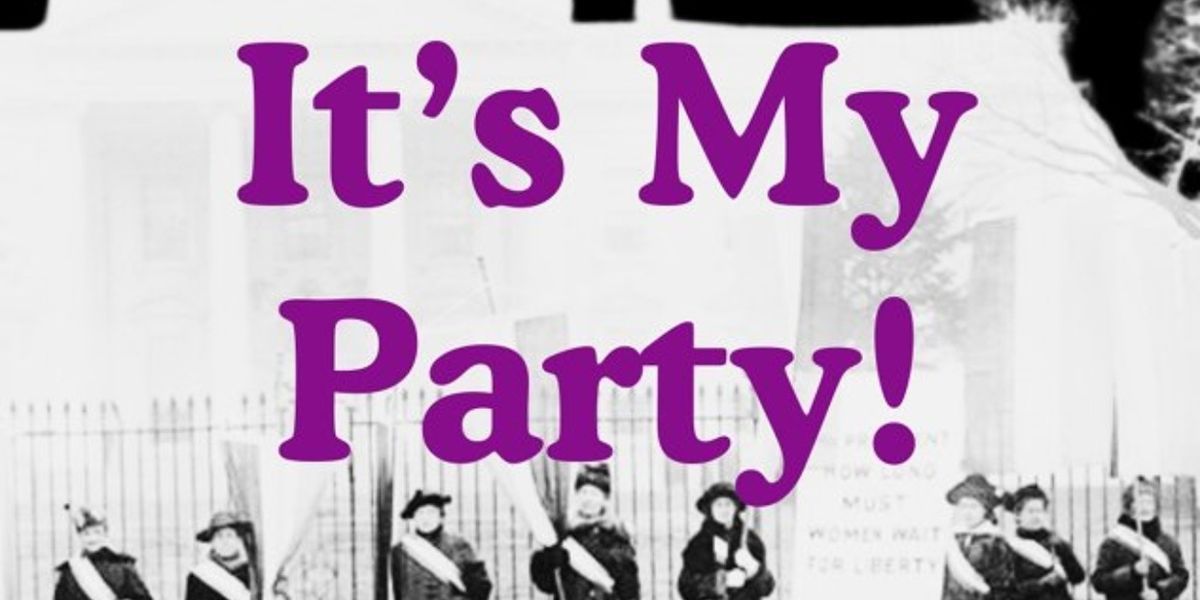
NAWSA and the NWP at times worked together but spent most of the years leading up to the 19th Amendment’s passing in active and public opposition to one another. It’s My Party!, written by Ann Timmons of Pipeline Playwrights and presented by Arlington’s Theatre on the Run, explores this conflict through a series of historical vignettes from 1912 to the final vote in 1919.
The play opens in January 1918, with the House of Representatives voting on what was then called the Susan B. Anthony Amendment to the Constitution. After the House passes the vote, time flashes back to November 1912. Helpfully for the audience, posters on either side of the stage are updated with each scene cut to explain where and when you’ve gone.
Back in 1912, Paul (played by Marissa Liotta) and Burns (played by Sarah Millard) are just arriving on the scene and coming to meet Shaw (played by Liz Webber) and Catt (played by Pat Nicklin). Though already wary of the radical British methods these newcomers might bring, Shaw and Catt originally plan to work with the younger women to help increase mobilization. Within a year, their alliance shatters.
The strength of Timmon’s script lies in its straightforward nature. She presents the highlights of the movement scene by scene, giving credence to both groups, and each of her characters, without picking favorites. There is no historical consensus about which “side” was the bigger contributor to achieving suffrage, and Timmons, thankfully, does not try to resolve that question. Though the dialogue and the production is simple, the play works as an exploration of the movement and of, as Timmons puts it in the program, how political change can happen when different groups use “wildly different tactics” and end up working against one another despite sharing a common goal. The suffrage movement is the perfect test case to prove that victory is possible despite such division. Maybe, even, that division can be a strategic advantage.
The commonly held “synergistic” view of the suffrage movement claims that these two radically different approaches worked together to achieve change. NAWSA laid the foundation and the NWP generated the final push to victory. Likely, neither one could have succeeded without the other. But this does not mean that their opposition was not real, visceral, and public. And, at several points, their efforts really did work at cross-purposes.
In 1918, when Burns, the night before the Senate vote on the Amendment, burned President Wilson’s effigy as a protest / threat for his lukewarm support, she succeeded in getting women’s suffrage on the front page but you can also easily sympathize with Catt and Shaw’s suspicion that the performance likely cost them the vote.
On the other side, when Paul, Burns, and others are suffering in prisons where they’ve been locked up for peacefully exercising their first amendment rights, the NAWSA leaders don’t only fail to stand up for their constitutional rights (the very ones they are supposedly fighting for) but hint that their opponents deserve the cruel treatment and forced feedings the state imposes.
Timmons gets at this antagonistic dynamic by including a reporter in her cast that can act as a sort of liaison between the groups and capture both Catt’s claims that the NWP’s “militarist” tactics are slowing progress and alienating people from the movement, along with Paul’s case that the localized NAWSA strategy will never achieve federal change. For that, Paul thinks, they need to sway public opinion and apply stronger political pressure. Rather than working with politicians to achieve change, they need to stand up to them and call them out for their failures (this is where the Wilson stunt comes from and it happens to be another tactic learned from Prankhurst in England).
It was this fundamental disagreement that allowed the suffragettes to effectively play both sides of the debate. It’s always shocking to remember that we reached the 20th century before women got the right to vote. In the 1910s it was still a highly controversial issue. Some people would never be won over, but even those open to the idea were not necessarily aligned.
Countless women, and men, were brought to the movement through Paul’s passion and Burn’s theatrics. They were fueled by the moral case, by the immediate demand for equality, and by the public struggle for respect. They were forward-looking, progressive, inspired by the future of women and the future of democracy.
Others, perhaps already inclined to view women as dramatic, were actively opposed to this vision. Yet through gradual, gentle argument they might acknowledge the practical case for women’s suffrage based on dignity, female virtue, and a broader application of democratic ideals. Their own position and values made withholding the vote difficult to defend, even if they were not excited about extending franchise.
By working entirely separately, NAWSA and the NWP managed to reach both these audiences which were, combined, big enough to finally bring about change. They were able to mobilize both groups without tackling the harder challenge of unifying them and making them reconcile their differences.
This makes It’s My Party a timely and resonant show. In the divided nature of our culture today, we can learn a lot from the suffrage movement, especially from its internal divides. Intentionally or not, the two groups’ separation and division helped them reach more people of varied perspectives. It allowed people to support the cause without supporting a group or a broader perspective they disagreed with.
Over 100 years later, the suffrage movement still grasps the imagination and provides plenty of material for artists, writers, and activists. Timmons wisely leans into the drama of it and asks what we can learn from it. Her simple, direct presentation is an accessible and effective way to do so.

|
Misery Aldie Mill Historic Park (8/20-8/30) |
|
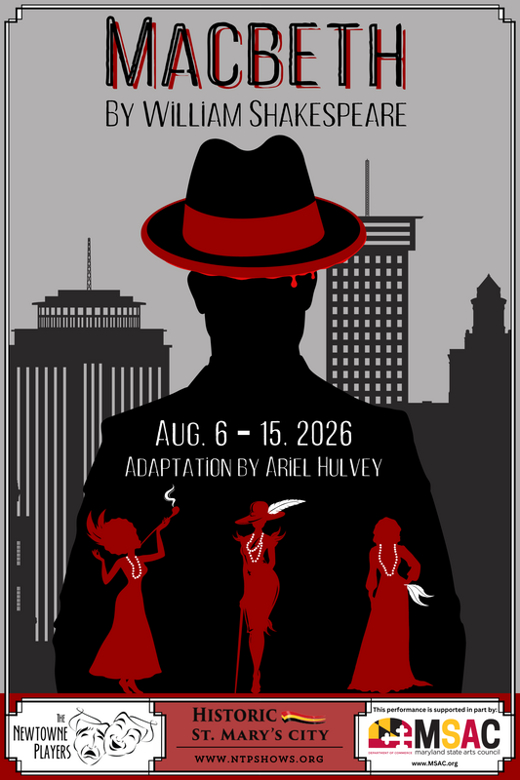
Macbeth Three Notch Theatre (8/06-8/15) |
|
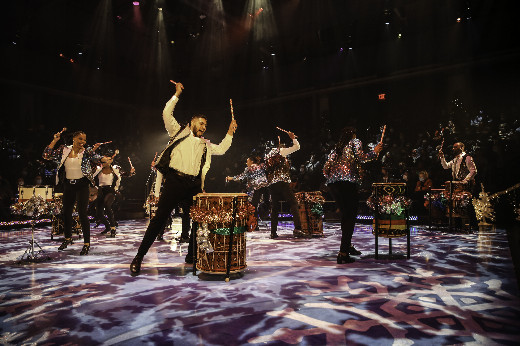
Step Afrika!'s Magical Musical Holiday Step Show Arena Stage at the Mead Center for American Theater (12/04-12/23) |

|
Body Language The Allan Lefcowitz Theater at The Writer's Center (9/25-9/27) PHOTOS |
|
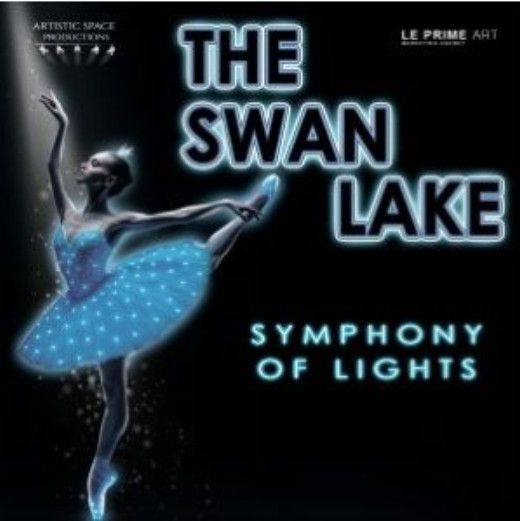
Grand Kyiv Ballet presents "The Swan Lake: Symphony of Lights F. Scott Fitzgerald Theatre (11/18-11/18) |
|
Hairspray Hylton Performing Arts Center (9/18-9/27) |
|
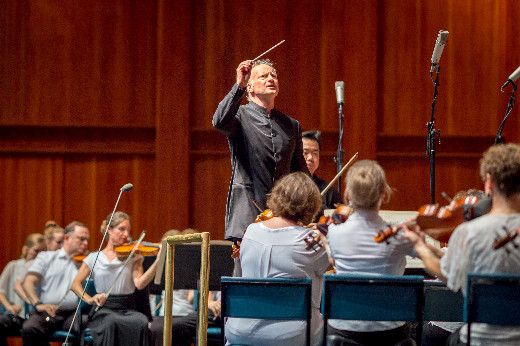
Beethoven’s Ninth Symphony Wolf Trap (8/14-8/14) |
|
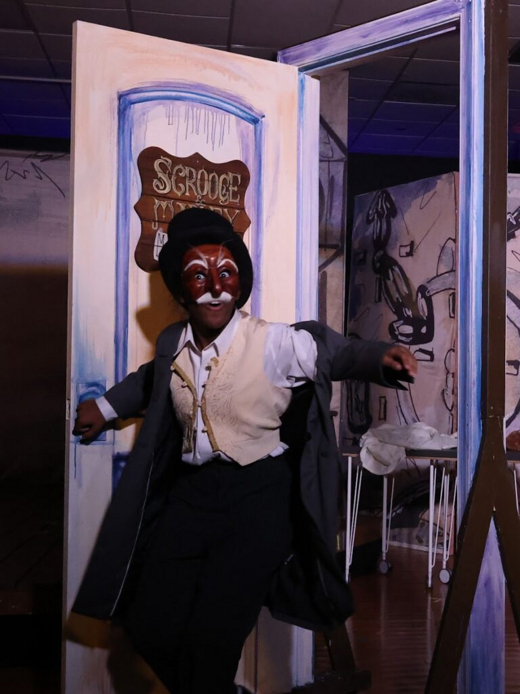
Commedia Christmas Carol (2024) Streaming Traveling Players Ensemble (12/23-12/23) |
|
Rockville Little Theatre presents "Fences" F. Scott Fitzgerald Theatre (4/30-5/09) |
|
Measure for Measure Folger Shakespeare Library (9/22-11/01) |
Reader Reviews
To post a comment, you must register and login.