


Interview: Heather Orth of INTO THE WOODS at San Francisco Playhouse
Orth plays Cinderella's Stepmother in the Sondheim & Lapine masterpiece running through January 17th
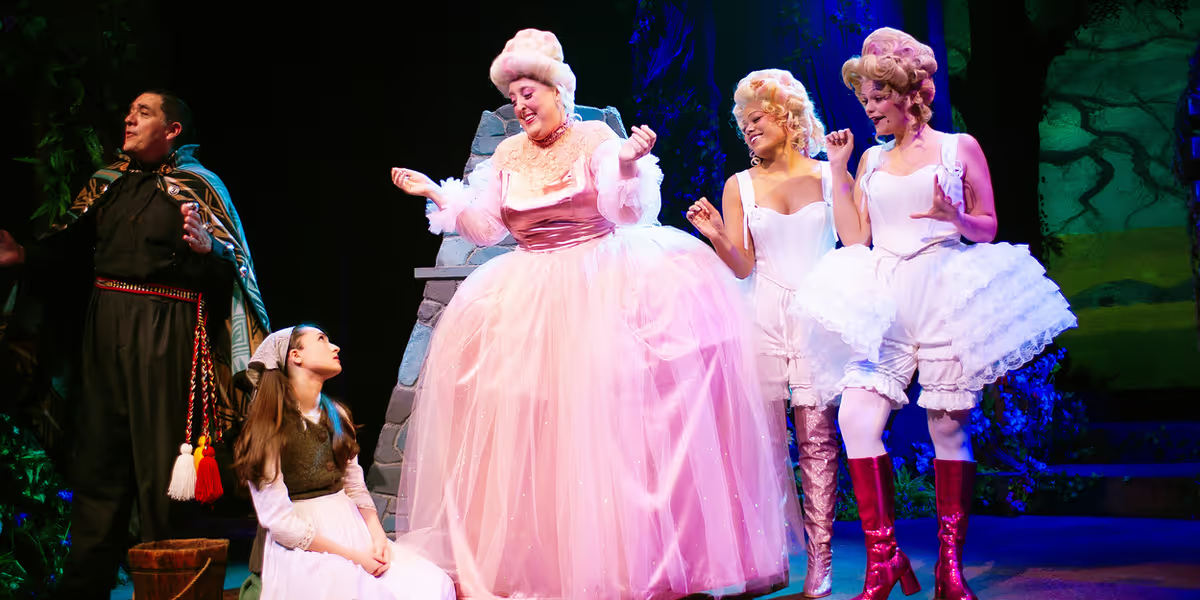
There are certain actors who just naturally seem to burn a little brighter onstage. Whether playing leads or more featured roles, you can’t take your eyes off them because they invest their characters with an extra layer of nuance, a deeper pathos, an added dollop of fun. Heather Orth is that kind of actor. She has an uncanny knack for elevating any production she’s in and also possesses remarkable range. I’ll just go out on a limb here and venture a guess that there’s no other actor on the planet who’s played Fosca in Passion, Mrs. Lovett in Sweeney Todd AND Moonface Martin in Anything Goes, not to mention absolutely nailed all three.
Orth’s career was on quite a tear several years ago when she appeared in plum roles with astonishing regularity. Then the pandemic hit at the same time she had some family matters to attend to, basically taking her out of the game for almost four years. Fortunately, her performing career is back in full swing once again and she is now appearing as Cinderella’s Stepmother in San Francisco Playhouse’s production of Stephen Sondheim & James Lapine’s fairytale mashup Into the Woods, while also understudying the role of the Witch.
I happened to interview Orth back in February of 2020 just before she started performances as Princess Puffer (the Cleo Laine role) in The Mystery of Edwin Drood. Of course, neither of us could have imagined at the time that theater was about to be entirely shut down for roughly two years. I spoke with her again last week to chat about Into the Woods, plus I was curious to find out how she’d weathered the pandemic. We talked about her precocious first encounters with Sondheim’s work, how much she cherishes the opportunity to work with so many dear friends among the Into the Woods cast, and the one role she would do absolutely anything to have a go at (Bay Area theater producers, please take note.) She strikes me as the type of person who could form an instant rapport with almost anyone and who also just happens to be the ultimate musical theater nerd, so the conversation flowed fast, furious and frequently Sondheimian. The following has been condensed and edited for clarity.
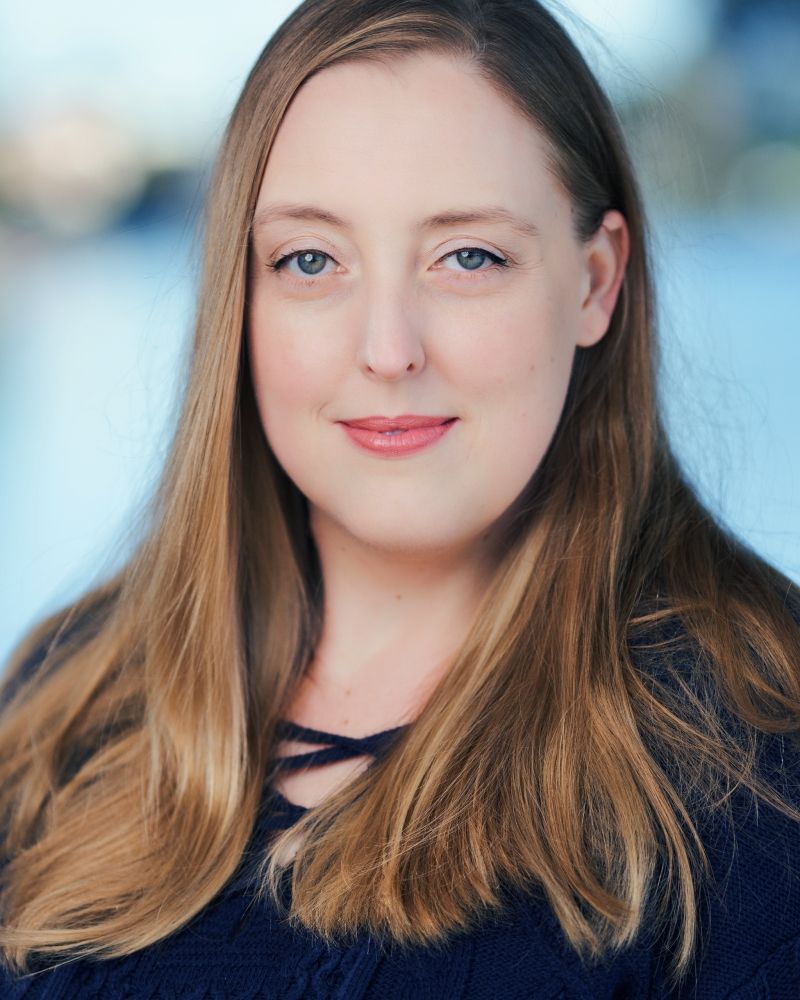
Into the Woods is not your first Sondheim. You’ve already played such wildly different roles in his shows, like Mrs. Lovett and Fosca. Is there a throughline in how you approach Sondheim’s work versus, say, a Jane Austen period musical or something frothy like Anything Goes?
For sure. You know, I was very lucky in that I was raised by a musical theater nerd. My mom’s been a dancer and choreographer in the Bay Area for a long time and she’s a dance teacher at San Mateo high school so she raised me on musical theater.
I am so envious!
Oh, I know – it was really great. And then my stepfather is a musician and so it was a very artsy family. My earliest memories are of when my mom, cause she was a school teacher pretty much my whole life, would either drive me to my grandmother’s house or to school when I was older. There would always be a musical theater cassette on in the car and one of the earliest ones I remember is Into the Woods. I think I said at first rehearsal, “I literally don’t remember a time in my life where I did not know this entire show by heart.” It’s so a part of my veins that I don’t remember not knowing this show.
What that did was introduce me to that musical language of Sondheim very early. Hearing those complex rhythms, those melodies, those harmonies so early in life, I think gave me a leg up in being able to approach his work, because his work is incredibly complex. One of the stealth songs in this show, that is like “Oh, I’ve never really thought about how difficult this song is,” is the Act II opener, “So Happy.” It’s not one of the breakout solo numbers in the show, so people don’t listen to it a lot necessarily, but that song changes time signatures so much. Like you have three bars where you’re counting in 6 and then a surprise bar where you’re counting in 3 and then it goes into three bars of counting in 4. I think it’s a deliberate choice to keep you off balance in that number, but it’s difficult.
So I feel very lucky that because I have engaged with Sondheim so much in my life it’s like I studied a little extra for the test in a way. I can hook into those rhythms a little more easily than perhaps if I was coming into Sondheim’s work as someone who is only just now finding it. It’s so difficult, but so rewarding. But so difficult! [laughs]
I get what you mean. I remember when I was in college trying to choose a song for an audition and I looked at a Sondheim song I thought I already knew really well. And then once I tried singing it with my accompanist, it was like “Whoa - this is so much harder than I’d expected!”
Yeah, it is! Especially when you’re used to singing along with cast recordings. Even with this show, I realized how much I relied on listening to people from the cast recording. One of the things I and my husband, who also luckily is a Sondheim nerd, actually discovered in the room is how much on that original cast recording they’re not necessarily singing the ink of what is the actual music. Obviously, any performer makes choices or does something a little different, but really having to be in this music we’ve realized “Oh, that rhythm that I’ve been singing since I was 4 years old isn’t actually correct. It was a choice that that person made.” What you want to do coming into it is make sure at first you have the base of what is actually on the page, and then you can make interpretive choices after that. But you realize there are moments that even people on Broadway had trouble with, and that’s why they made those choices. You find the battles that Stephen Sondheim chose to fight and the ones he chose to just go, “Well, I guess they’re gonna sing it that way…” [laughs]
[laughs] I can just picture him in the recording session cringing as the actors make little “improvement” to his score.
Exactly. All the good nerds have watched the Company cast recording film, so we all have a good vision of him in our heads right now!
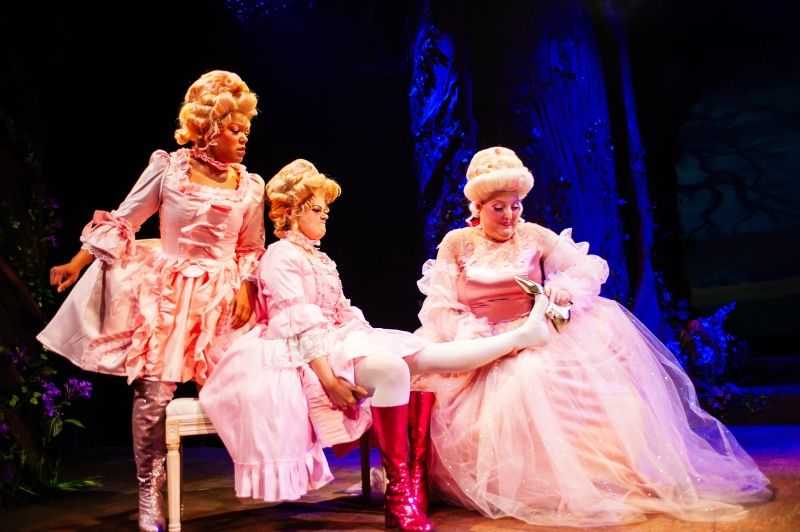
onto Lucinda (Callahan Gillespie) in San Francisco Playhouse's production of Into the Woods
(photo by Jessica Palopoli)
Please correct me if I’m wrong, but I think Cinderella’s Stepmother is pretty easy to play reasonably well – I mean, the laughs are all right there in the script – but it’s very hard to play brilliantly, with nuance and not just haughty attitude. How are you approaching the character?
You know, I have actually played Cinderella’s Stepmother before - not in this, but in the Rodgers and Hammerstein Cinderella. I’ve really sort of made my career on, not only mothers, but also my joke is I mainly play terrible mothers! Or at least morally ambiguous mothers like Rose in Gypsy. But I think playing a character that people can just write off as a villain, or write off as terrible, you do have to find some kernel of humanity in them. There are very few villains in the world who consider themselves villains. They are the star of their own story.
The Stepmother has a really great line in the middle of Act II when the cast is dealing with the Giant that has come down and is messing with all their happy-ever-afters. She and her daughters and the royal family are choosing to escape and go and hide, and part of what she says is “Some people are cut out to battle Giants, others are not. I don’t have the constitution, and as long as I can be of no help, I’m going to hide.” It’s a laugh line to some extent, but it also is very true. This woman is a survivor. She has two daughters in a society, well in this case a very made-up fairytale world, but still in a society where your status as a woman is who you’re married to, and so all she’s trying to do in her head is provide the best for her daughters as she possibly can.
She married Cinderella’s father probably because he had money and status, and now she’s trying to get her daughters installed in the palace cause that’s the next step up. We talk about our characters in some of the table work we do, and something I realized is whereas at the end of Act I of Into the Woods, you have a pretty traditional fairytale structure – including with the bad people. Anyone who was considered sort of a bad guy has had some sort of punishment, including the stepsisters, who get their eyes poked out by birds in a very traditional Grimms' Fairytale way, which I love.
But what I realized is the Stepmother doesn’t really get punished in the end of Act I. I mean, Cinderella goes off with the Prince instead of her daughters, but when we see them at the start of Act II they’re living in the place with Cinderella. So, ultimately, I think the Stepmother feels that she kind of came away doin’ okay. Sure, she has to suck up to Cinderella, but she and her daughters are living in the Palace!
So I think of her very much as a woman of her circumstance and also very much a survivor. I think this show asks a lot of questions about communal responsibility and what are our responsibilities to each other, and I do think it has some things to say about that. But at the very least, from the Stepmother’s perspective, however it turns out, the decision that she’s making in those moments, it’s always in her mind to protect herself and her daughters. She is very much an “I am going to take care of me and mine, and that is my priority” kind of person.
So that’s what I at least try to bring to it. When I can. [laughs]
One of the brilliant things about Into the Woods is that even though it’s set in a fairytale world, it continues to feel so relevant to whatever we’re going through as a society. When I saw the original Broadway production –
Lucky you!
-Indeed! It had gotten middling reviews so I went in without any great expectations and was blown away by the show. That was January of 1988 during the very worst of the HIV pandemic, and I remember thinking that the entire show was an allegory for AIDS. I mean, you have a whole community of people who finally get the life they wanted for themselves and then they mysteriously start dying one by one as their leaders completely abdicate any responsibility. Almost 40 years later, I still stand by that interpretation, but I also realize that so much of the show sounds like it could have been written just yesterday to address our current predicament where it feels like we’re letting democracy slip through our fingers.
Absolutely! And that’s some of the brilliance of Sondheim’s work. I’m sure I’m preaching to the choir here, but of really good art there can be so many valid interpretations. There are so many different ways you can interpret Into the Woods, and there are so many different lessons you can take from it. And that’s what I think in part makes it so enduring. And also because it’s something that can change with you as you grow up as a person.
I am a millennial, I am someone who was about four years old when Into the Woods came out and, like I said, I’ve been listening to it my whole life. As a kid, I enjoyed it on the level of there are these fairytale characters and they’re experiencing these stories together. So there are things you take from it as a child that then shift as you become an adolescent and as you go into your early adulthood, and then now I am finally into sort of middle age and starting to look at it from that perspective. And that’s really what the best art does, it can grow with you and it can change as you change, and you can see the different facets of it and the different ways that it relates to whatever the current time period is. I think that’s what makes something a real work of art that is enduring and timeless, and I really believe that Into the Woods is one of those pieces.
I’m still reeling from the whole idea of your mom introducing you to Sondheim at such a young age and somehow I can’t get the following lyric out of my head: “Careful the tale you tell, that is the spell, children will listen.” I can’t imagine what it would be like to be a kid growing up with that already in your head.
Oh, it was wonderful! I maintain that raising kids on musical theater is a good way to give them a really robust vocabulary, especially Sondheim. And another show that I listened to a lot as a child, weirdly, was Man of La Mancha. I have a vivid memory of being very, very small and running around and singing lyrics like “I am only Aldonza the whore!” [laughs] I look back on that now and I’m like “Well maybe not as a four-year-old…,” but I love that my vocabulary was so robust. [laughs]
That’s fascinating. I started getting into crossword puzzles during the pandemic, and I found that I’m surprisingly good at them because I have all these lyrics permanently lodged in my brain that are rife with arcane cultural references like Bessie Love or the Dionne Quintuplets.
Totally! And it goes back to, again both of my parents are teachers, that there’s such a fundamental thing with using music as a teaching tool, getting things into rhythms. It’s why we have little songs and mnemonics for remembering facts, and I think the earlier you expose kids to things like that, the better off they’re going to be.
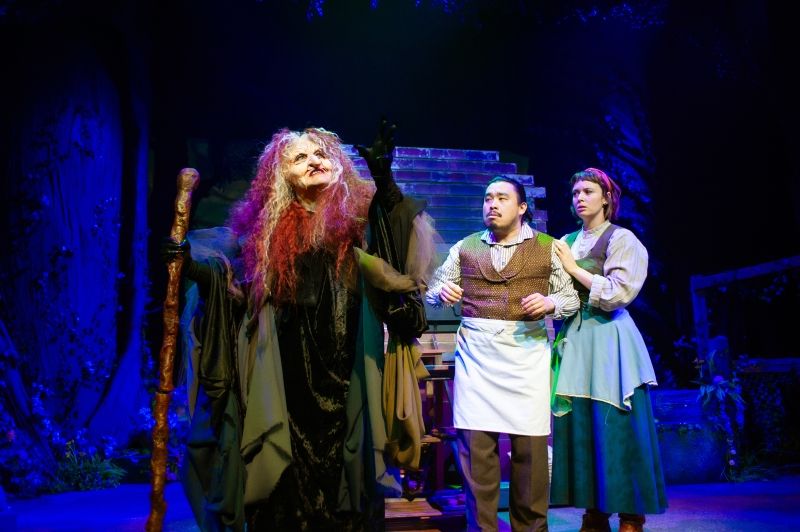
(photo by Jessica Palopoli)
The Into the Woods cast is stacked with terrific local actors who I like to think of as the Bay Area’s unofficial rep company - people like Alison Ewing, Maureen McVerry and Phil Wong. Do you all already know each other?
A lot of us do, yes. The Bay Area is huge, but the theater community, just like anywhere, is in a way kind of small. So we all have auditioned for the same things, we have all gone to see each other in shows, we have all done little concerts and cabarets here and there, because when you’re a performer those things are lifelines if you just want to go and sing something. So there is a pre-existing rapport among a lot of the cast. Although what is hilarious is I’ve known Maureen for probably 20 years, I’ve known Phil for like a decade, I have known Alison forever, and I had never actually gotten to “work work” with any of them. This is my first show with all three of those people who I know and love so dearly, and that’s been so exciting.
But then one of the cool things that SF Playhouse also does is bring in some people from out of town so you get that kind of fresh blood from other places, some of whom grew up in the Bay Area and now make their home in New York or other locales, and then some that are just brand new. It makes for such a fun dynamic. I can’t speak for everyone all the time, but I feel like the Bay Area theater community that I know and that I’ve experienced is so welcoming. This is my second show in a row with SF Playhouse and only the second time I’ve worked with them, and both for My Fair Lady and for this, I’ve found that it’s like we’re all just family almost instantly. We get to know each other over that first week, the ones who don’t know each other already, and then all of the sudden we just all are in love with each other. So I’m glad that that pre-existing rapport that a lot of us have is not exclusionary in any way, that it is also very open. I think we’re all just so excited to be there and allowed to do this – still!
Following on that point, the last time you and I spoke was February 2020 right before you started performances as Princess Puffer in The Mystery of Edwin Drood at Foothill Music Theatre. Just a few weeks later, COVID hit and your show closed prematurely, then live theater completely went away. For you as an actor, what was that like?
Oh, it was so difficult. My day job at the time was the Associate Director of Marketing at TheatreWorks Silicon Valley, and so it was not only that Drood closed prematurely, it was also that at my day job we all kind of went “Um… so, what are we right now?” Like all theater companies, we thought “Okay a few weeks… Okay a few months… Okay a few years… I guess?” As we struggled to find out how to sustain ourselves in that time, it was so strange and very upending in both my personal life and my professional life. For me, theater has always been my social group, my hobby, everything. So not only was that gone, but my work was also like “How do we adjust to this? Literally our raison d’être is live theatrical events and we’re not doing those right now. What does that mean? Are we gonna survive, are we gonna make it through?”
And luckily, they did. TheatreWorks is thriving and doing beautifully, and I’m so glad. I was with them up until about two years ago, at which point I moved over to Berkeley Repertory Theatre, where I am now the Associate Director of Marketing. I feel so grateful that I’m able to make a living on both sides of theater. I can still do theater that I love to perform and also be steeped in really amazing theater all the time on the admin side, which is cool.
But it was a big adjustment. And in my personal life, during the pandemic I ended up having to care for an estranged family member who came back into my life and was very ill. The pandemic happened and a couple months later, my then-boyfriend and I - he lived in San Francisco and I lived on the peninsula - were like “It’s terrible being apart. I just need to be with you.” So we moved in together and then literally a week later this family member came back into my life and kind of took over the next couple of years of our lives, and also of us navigating living together for the first time. So it was just a really tumultuous, stressful time. I only got to the point where I felt able to start doing shows again a couple years ago. My first show back was Anything Goes at 42nd Street Moon where I got to play Moonface Martin, gender bent, which was super fun.
I thought you were wonderful in that role.
Thank you. Yeah, so it’s been kind of a slow road back. Luckily, we’re now at a place where theater companies are mostly back to normal. Unfortunately, we lost a lot of companies in the intervening years, and it is a very delicate time for the arts. A lot of funding is going elsewhere, a lot of federal funding has gone away, so it does feel precarious. But also I see companies like SF Playhouse thriving. It was amazing to be in My Fair Lady and see how full those houses were. We had healthy audiences each night and that felt so amazing for a twelve-week run, which is an insane number of performances.
And working at Berkeley Rep, I’m seeing the shows being well-attended and people being excited about them and talking about them, so I know there are solid companies in the Bay Area. I think there’s a lot of rebuilding that we still need to do, but it doesn’t feel dire, which is good. Cause there was a little while where we all were like “I have no idea if this is ever gonna come back.”
I wanted to follow up on a couple of things you mentioned when we last talked almost six years ago. At that time in early 2020 you said you were hoping to pull back a little from performing in the coming months because you wanted to have more time to spend with your new boyfriend. Is that the same guy who is now your husband?
Yes, it is! Truly the pandemic must have been all my fault, so be careful what you wish for. I said “I’d like to take a little step back,” and the universe said, “You sure will!” [laughs] A very monkey’s paw situation. But, yes, my then-boyfriend, now-husband, Ted Zoldan, who is in Into the Woods with me, playing the Steward. We are very much a theater couple and first met doing shows back in, I think, 2014. We did a couple shows together and were just in the community together, and then it wasn’t until four or five years later where suddenly we were like “Oh, I think I really like you more than we had previously established.” [laughs]
The only show we have gotten to do together as an actual couple was when 42nd Street Moon did a concert version of the musical Titanic. They did it with an orchestra, and it was gorgeous. This is our first time working together since then and our first time working as a married couple, which is fun.
In that same interview, you also teased a show that was aiming to open in the fall of 2020, but said you weren’t yet at liberty to share any details about it. Did that show ever happen?
No, but I will tell you (Exclusive!) what was supposed to happen. 42nd Street Moon was going to do Mame, and they did end up doing it later with a different creative team and director and so I didn’t end up being involved. But it was going to be me and Alison Ewing as Mame and Vera, and the gimmick was that we were going to switch roles every night, and that was going to be our first time working together.
That sounds fabulous!
Yeah, we were going to switch off who was Mame and who was Vera every night for the run of that show, and I was so excited about it. Then the pandemic happened and the creative director changed, and they ended up doing a wonderful production with Cindy Goldfield, who’s incredible, and who I first did a show with when I was 16, because again this is the smallest community you’ve ever seen in your life.
There will always be slight heartbreak over the crazy “Broadway’s The Little Foxes” version of Mame that we were for some reason going to do. But then eventually everything comes back around so I’m now finally gonna work with Alison and I also get to understudy her in this show, which is amazing. She’s so incredible. So it all shakes out in some way in the end.
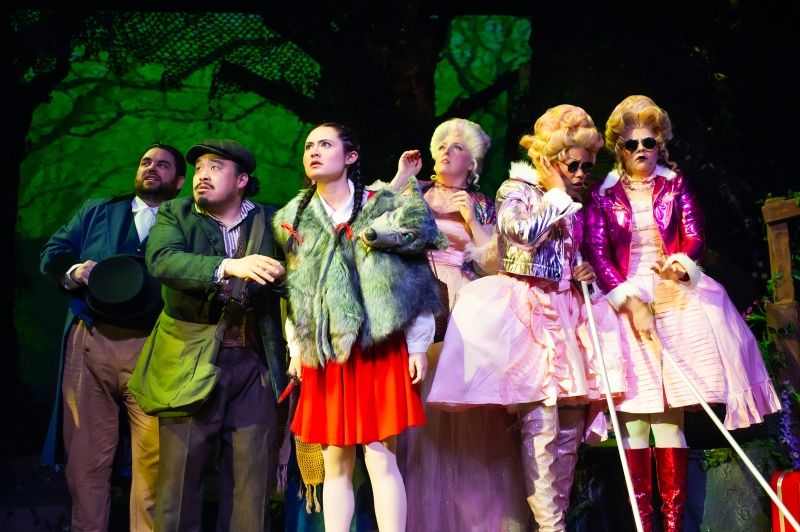
in Into the Woods at San Francisco Playhouse (photo by Jessica Palopoli)
I’ve seen you in roles that I’d previously seen performed by the likes of Donna Murphy, Cleo Laine and Joel Grey. Now that is some range. At this point in your career, are there any parts that you still have your sights on?
Oh, gosh, I think about this every now and again. I’ve had such a strange career. Because I am a 6-foot-tall alto, I started playing these iconic divas and mothers relatively early on, so I look back at what I’ve done and feel so lucky to have gotten to sink my teeth into these incredible roles when I did. I feel like I really did check off most of my bucket list before I turned 40, and now I’m kind of champing at the bit to revisit things. When I played Rose in Gypsy, I did it twice in a row and I was 27 years old. I still think I was a fantastic Rose, I will stand by that, but I would love to sink my teeth into Rose at 40. I would truly kill to do Mrs. Lovett again, and I would love to finish my business with Drood. Princess Puffer was definitely a bucket-list role for me and we ended up only having two weekends. So, yeah, there are mostly things that I want to revisit.
I will say, though - cause I wanna put this out in the universe - that I am very lucky to have gotten to see the new play, Oh, Mary!, four times over the last year, and I felt as if someone had cracked open my brain and put it onstage for all to see. [laughs] So now I’m like “The second this hits the regional circuit and somebody in the Bay Area decides to do it, I don’t care what I have to do, somebody let me at Oh, Mary!” That’s become the new goal, to get somebody to let me get into that hoop skirt and those bratty curls and take a stab at Mary Todd Lincoln.
I can totally see that. And given your stature, those curls and that hoop skirt would have a wholly different kind of comedic impact –
Omigod, I would take up half the stage! It would be terrifying - and wonderful! I’ll do a guerilla production in my backyard - that’s just how rabid I am. I’ll do it for anyone who will sit still long enough to watch it! [laughs]
(Header photo of Matt Kizer, Jillian A. Smith, Heather Orth, Rachel Fobbs & Callhan Gillespie in San Francisco Playhouse's Into the Woods by Jessica Palopoli)
---
Into the Woods performs through January 17, 2026 at San Francisco Playhouse, 450 Post Street. For tickets and more information, visit sfplayhouse.org or call the box office at 415-677-9596.
|
Bye Bye Birdie Warren Theater (9/18-10/04) |
|
Gutenberg! The Musical! Hillbarn Theatre (10/08-11/01) |
|
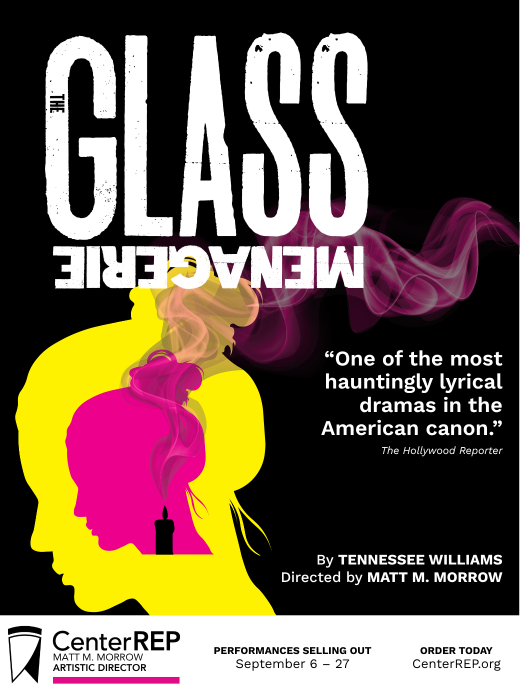
The Glass Menagerie Lesher Center for the Arts (9/06-9/27) |

|
The 2026 GLIDE Holiday Jam: Turn It Up and Turn It Out The Warfield (11/05-11/05) |

|
Private Lives by Noel Coward Santa Cruz Shakespeare (9/04-10/04) |
|
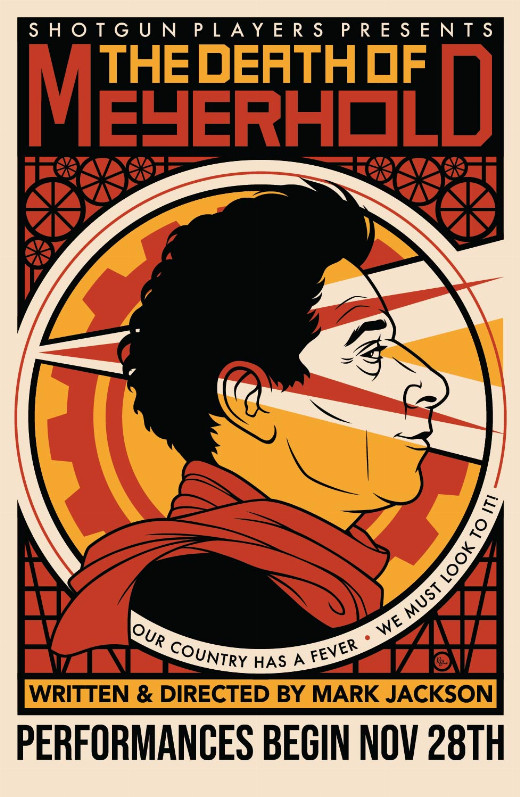
The Death of Meyerhold Shotgun Players Ashby Stage (11/28-1/01) |
|
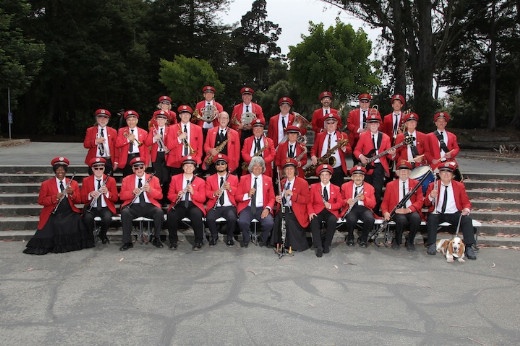
Golden Gate Park Band Golden Gate Bandshell (4/26-9/27) |
|
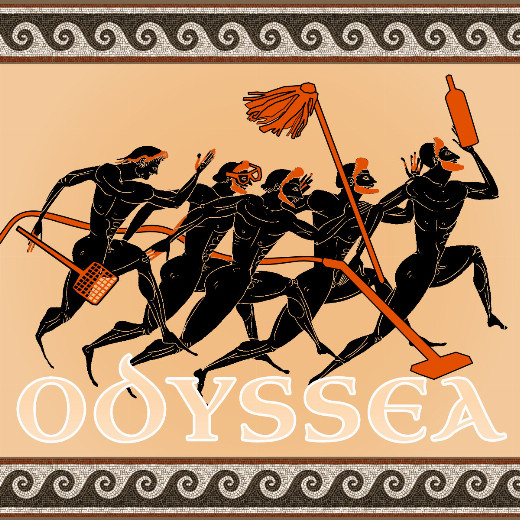
Odyssea We Players (10/08-10/18) |
|
Hadestown (Non-Equity) Orpheum Theatre San Francisco (1/07-1/10) |

|
Based on a Totally True Story City Lights Theater Company (1/21-2/14) |
