


The Gamm Theatre Launches New Play Development Initiative With Adaptation of Helen Dewitt’s THE ENGLISH UNDERSTAND WOOL
New program reimagines non-theatrical works for the stage; first public reading November 17 in Warwick.
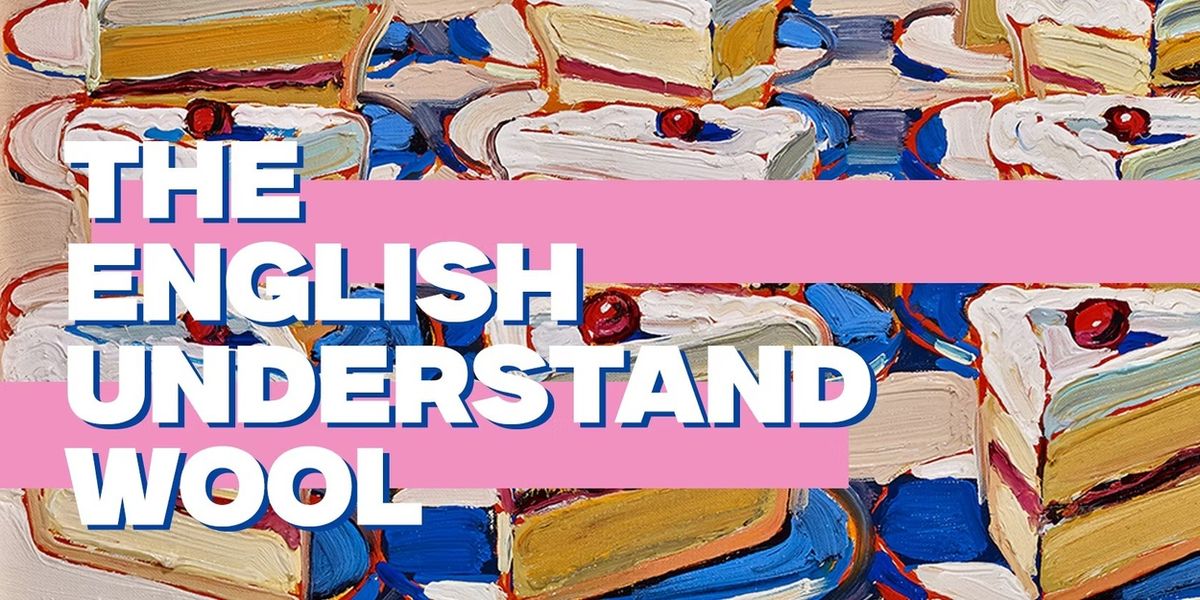
The Sandra Feinstein-Gamm Theatre (The Gamm) has announced the creation of a new play development initiative focused on transforming existing non-theatrical works—novels, poetry, film, and more—into new works for the stage. The Gamm will partner with both established and emerging playwrights to explore how storytelling from other artistic forms can find new life in live performance.
A reworking of author Helen DeWitt’s acclaimed 2022 novella The English Understand Wool, adapted for the stage by Gamm Artistic Director Tony Estrella, will launch the program. Made possible by a founding gift from philanthropist and Broadway producer Elizabeth Armstrong, the project will serve as a pilot for the kind of exploratory work The Gamm aims to cultivate through this new initiative.
“There was no better funder to reach out to for this launch,” said Gamm Executive Director Jason Cabral. “Liz’s deep passion for the creative process, belief in the value of an artist’s vision and voice, and history of championing new work make her the ideal partner to help us bring this program to life.”
A reading of the script in progress and discussion will take place on November 17 at 7:30 p.m. at The Gamm Theatre in Warwick. A limited number of $20 tickets are on sale now at gammtheatre.org/wool. A workshop is scheduled for spring 2026 in New York City, with plans to stage a fully realized production during The Gamm’s 2026–27 season.
Estrella said he hopes his adaptation will serve as an inspiration for future projects.
“Through this program, we hope to open new avenues for theatrical exploration and expand the formal boundaries of the ‘well-made play,’” Estrella said. “The English Understand Wool, for example, is compact, narrated by a single voice, and almost anti-theatrical on the page. But it’s also a tale of disguise, concealment, deceit, performance, and betrayal—the very stuff of a great drama. Finding the way in is at the core of the program.”
This new initiative builds on The Gamm’s history of adaptation and innovation. Estrella has previously reimagined literary works for The Gamm stage, including Dylan Thomas’ prose poem A Child’s Christmas in Wales in 2010, and Barry Unsworth’s plague-era mystery Morality Play in 2015, which premiered at The Gamm to critical acclaim.
Securing the rights to a stage version of The English Understand Wool was both serendipitous and the seed of this program, Estrella explained.
“I’ve been a fan of Helen’s work, particularly her extraordinary The Last Samurai, which many consider to be among the greatest novels of our time,” Estrella said. “I had been meaning to pick up Wool when I almost literally ran into it on display at the Providence Athenaeum. I read it three times in one sitting and immediately contacted Helen about adapting it for the stage. She said yes and the project came together very quickly. I was confident that it would be perfect for our audience, and that Helen’s brilliance on the page would be enough to help me guide it to The Gamm stage.”
Cabral said the initiative represents an important next chapter in the theater’s evolution.
“This program establishes The Gamm as a home for artistic risk-taking,” Cabral said. “It gives us an opportunity to explore an innovative model for new play development. This initiative keeps the artist at the center, values collaboration and experimentation, and connects the creative process directly to our mission and our community. Every artist begins differently. Our goal is to meet them where they are and to support them from that first idea to a fully realized piece for the stage.”
Through this pilot, The Gamm will determine how it plans to identify and cultivate future writers and projects for development, ensuring a consistent and sustainable pipeline for new work in the years ahead.
ABOUT THE ENGLISH UNDERSTAND WOOL
Adapted for the stage by Tony Estrella from the novella by Helen DeWitt
Marguerite, a young woman of 17, has been raised by Maman and Daddy to expect and demand only the best. Above all, to avoid mauvais ton (“bad taste” — almost; like all things, it loses something in translation). In her world, one should not ask servants to wait on one during Ramadan: they must have paid leave while one spends the holy month abroad. One must play the piano; if staying at Claridge’s, one must regrettably install a Clavinova in the suite so that the necessary hours of practice will not disturb fellow guests. One should cultivate weavers of tweed in the Outer Hebrides but have the cloth made up in London; one should buy linen in Ireland but have it tailored by a Thai seamstress in Paris.
Marguerite has led a rarefied, intercontinental life where to truly understand anything—domestic crafts, fine arts, sport, cards, business negotiation—requires the most exacting standards. When a sudden reversal of fortune shatters her hermetic existence, Marguerite is forced to fend for herself against forces that play by a very different set of rules.
ABOUT HELEN DEWITT
Helen DeWitt was born in a suburb of Washington, D.C. The daughter of American diplomats, she grew up in Latin America, living in Mexico, Brazil, Colombia, and Ecuador. She studied classics at Oxford, earning a BA and D.Phil., before leaving academia to pursue writing.
Her 2000 debut novel The Last Samurai was hailed as a literary sensation and has been translated into 20 languages. Its 2016 reissue was named “The Best Book of the Century” by Vulture Magazine. DeWitt is also the author of Lightning Rods and Some Trick, a collection of short stories. Her forthcoming novel Your Name Here, written in collaboration with Ilya Gridneff, has already received early acclaim. DeWitt lives primarily in Berlin and Vermont.
|
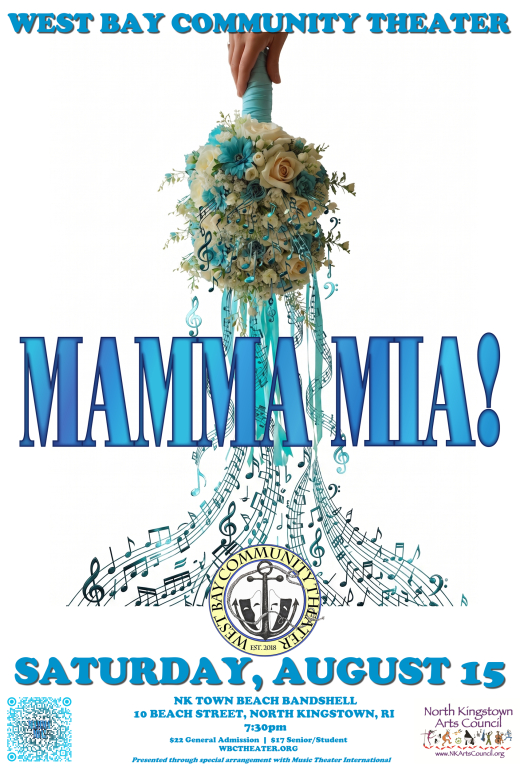
Mamma Mia! - In Concert NK Town Beach Bandshell (8/15-8/15) |

|
Ballet Meets The Beatles Ballet RI (3/12-3/21) |

|
Bell, Book and Candle The Arctic Playhouse (8/27-9/13) |
|
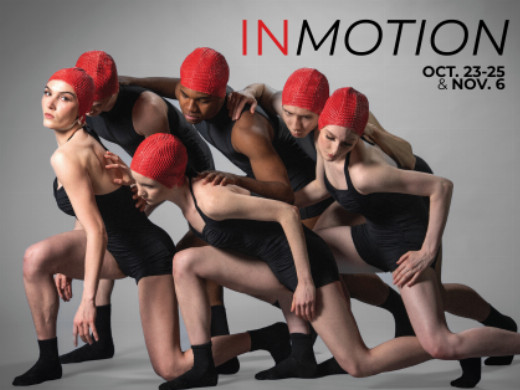
In Motion Ballet RI (10/23-10/25) |

|
A Christmas Carol The Arctic Playhouse (12/03-12/20) |

|
Deathtrap The Little Theater Of Fall River (10/15-10/25) |
|
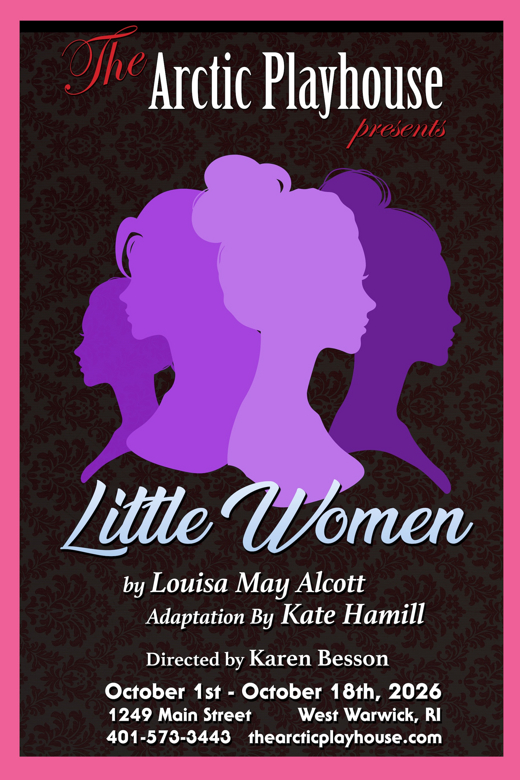
Little Women The Arctic Playhouse (10/01-10/18) |

|
Irving Berlin's White Christmas The Little Theater Of Fall River (12/03-12/13) |

|
Love! Valour! Compassion! The Little Theater Of Fall River (6/17-6/27) |

|
Finding Neverland The Little Theater Of Fall River (8/05-8/15) |