


Phoenix Office Of Arts And Culture Releases Findings From ¡SOMBRA! EXPERIMENTS IN SHADE
The citywide public art initiative examined artist-designed shade structures as a response to extreme heat.
The Phoenix Office of Arts and Culture has released highlights and findings from ¡Sombra! Experiments in Shade, a citywide initiative that featured nine temporary shade installations created by artists across Phoenix parks. Developed in partnership with Mayor Kate Gallego, the Office of Heat Response and Mitigation, Parks and Recreation, and the Office of Innovation, the project explored creative approaches to heat mitigation through public art.
“Phoenix is making our neighborhoods cooler and more comfortable in a way that is collaborative, creative, and empowering of local artists, designers, and residents,” said Mayor Kate Gallego. “The shade structures created through ¡Sombra! test new materials, significantly reduce temperatures, and showcase the beautiful cultures and stories of our neighborhoods.”
Funded by a $1 million Bloomberg Philanthropies Public Art Challenge grant, ¡Sombra! was installed in nine parks from April through October 2025. The installations combined artistic design with functional cooling strategies and engaged more than 65 local organizations and businesses.
Cooling performance was measured using ASU’s MaRTY portable weather station in coordination with the Office of Heat Response and Mitigation. Across the installations, surface temperatures were reduced by as much as 46 degrees Fahrenheit, while mean radiant temperatures dropped between 30 and 40 degrees. At Cielito Park, the use of solar-powered misters reduced ambient air temperature by an additional 10 degrees, a feature incorporated into the design by artists Jose Benavides and Joe Ray.
The project also tested innovative construction methods. Artists employed temporary anchoring systems such as ground screws and diamond piers, allowing installations to remain secure without permanent foundations. City officials noted that these approaches may inform future municipal projects. Material testing showed varied results, with polyester-spandex fabric at Sunnyslope Park delivering strong cooling but limited durability, while acrylic fiber fabric used at Cielito Park demonstrated greater resilience.
Local business partnerships were also a component of the initiative. EnKoat collaborated on the installation at Roesley Park, applying heat-mitigating coatings that reduce heat absorption. Artist feedback led the company to expand its color offerings. “Being part of the project was truly rewarding,” said Dr. Aashay Arora, co-founder of EnKoat.
Community engagement played a significant role throughout the project. Alhambra High School MEChA students painted alebrijes featured in Rincón de Color. Feng Feng Yeh’s Chinese Chorizo installation incorporated food and dance elements while revisiting a lost culinary tradition. Kira Dominguez Hultgren’s Nana’s Garden included workshops that invited residents to work with bioplastics and ceramics.
The findings from ¡Sombra! support the City of Phoenix’s Shade Phoenix initiative, which aims to install 550 new shade structures by 2030. “The structures were temporary, but the lessons will be permanent,” said Heat Response and Mitigation Director David Hondula.
“The generous grant from Bloomberg Philanthropies' Public Art Challenge enabled the City of Phoenix to truly experiment and discover new ways to address the serious issue of extreme heat in a creative and collaborative manner,” said Carrie Brown, Interim Arts and Culture Director. “We are now looking at implementing ¡Sombra! as an ongoing effort for permanent, artist-designed shade structures in support of the City's heat mitigation efforts.”
Sign up for all the news on the Summer season, discounts & more...

|
Proof Temple of Music and Art (9/27-10/17) |
|
EUREKA DAY Stray Cat Theatre (10/09-10/17) |
|
Murder at the Magic Show II Mystery and Magic Dinner Theater on Broadway (4855 East Broadway, Tucson) (9/18-9/19) |
|
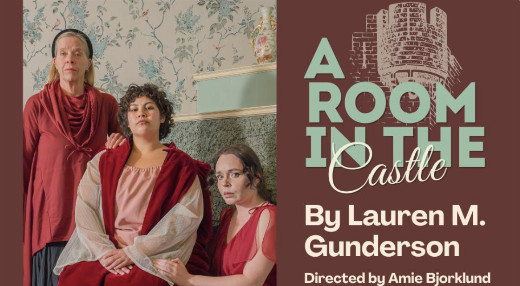
A Room in the Castle Flagstaff Shakespeare Festival (9/19-10/03) |

|
Love Letters - A. R.. Gurney Emerson Theater Collaborative (10/02-10/04) |

|
It's A Wonderful Life Don Bluth Front Row Theatre (11/19-12/23) |
|
THE DROWSY CHAPERONE - A Musical Within a Comedy! Don Bluth Front Row Theatre (3/18-5/01) |
|
The Taming Beaver Street Theatre (9/17-10/04) |
|
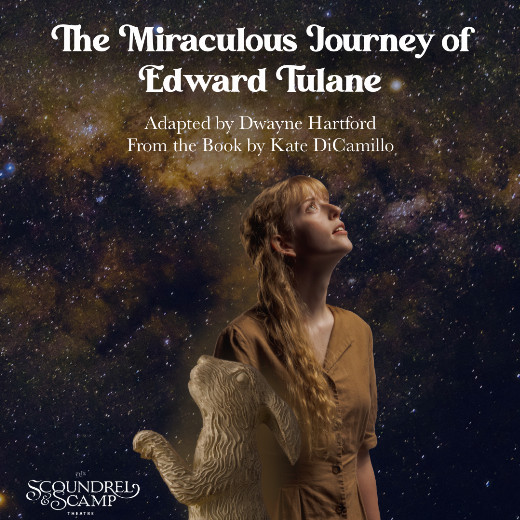
The Miraculous Journey of Edward Tulane The Scoundrel and Scamp Theatre (2/25-3/14) |
|
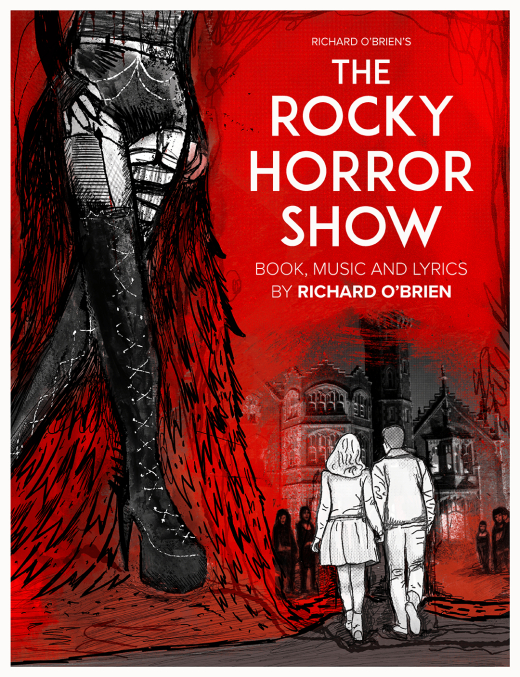
The Rocky Horror Show Marroney Theatre (10/11-10/25) |
