


The city of Memphis is 63% African American. The nation’s first Black newspaper began here under the leadership of Ida B. Wells. The 1968 Sanitation Workers’ Strike brought Martin Luther King Jr. to this city, leading to his assassination and dramatically accelerating the national civil rights movement. The birthplace of rock and roll grew out of the Memphis sound—Black blues, gospel, and rhythm traditions. If any city deserves a Black Repertory Theatre company, it's this one. And thanks to its visionary founder, Ekundayo Bandele, Hattiloo Theatre is preparing to celebrate 20 years of operation. It is almost unheard of for a fully dedicated Black repertory theatre in America to endure this long. Even more remarkable, Hattiloo stands as one of the few freestanding Black repertory theatres in the country; most other Black theatre companies must share their venues. This longevity reflects the commitment of Mr. Bandele, the board, and the Memphis audiences who continue to support it.
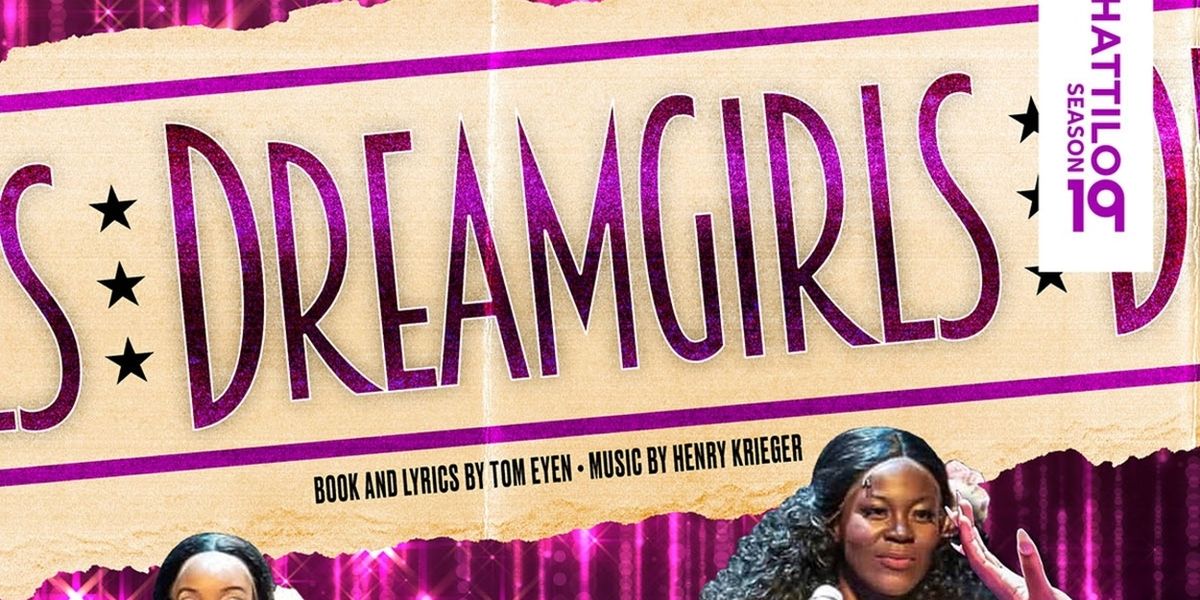
Each season features several recognizable titles. This year, Hattiloo revives perhaps its most beloved production—DREAMGIRLS. Loosely inspired by the rise of The Supremes and the Motown figures surrounding them (James Brown, The Shirelles, and Berry Gordy), the musical premiered on Broadway in 1981 and won six Tony Awards. And, like the performers who emerged from Motown in the 1960s, this Hattiloo staging overflows with talent—but it is a talent pool that is still developing.
This production is ambitious and full of promise, but lacks the cohesion needed to reach its full potential and sustain a running time of almost three hours.
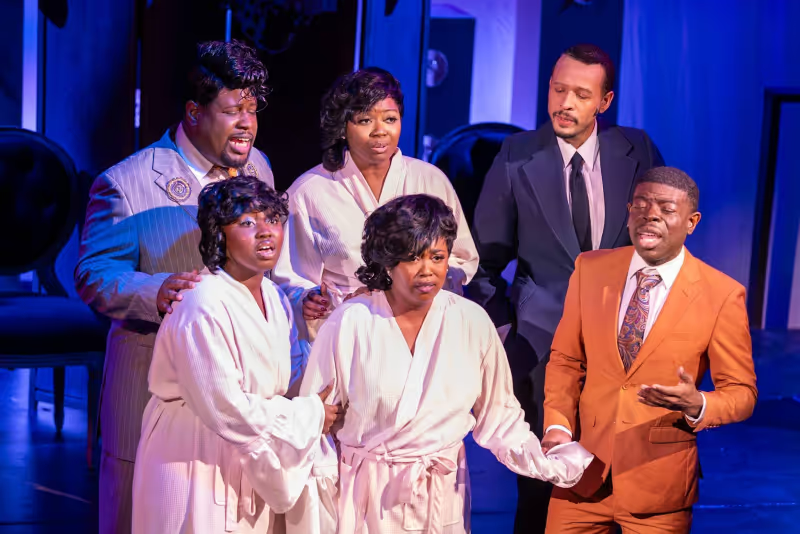
Guest director/choreographer Patdro Harris brings experience and a sharp eye for performers, assembling some of Memphis’ strongest artists. Yet many of the performances feel uneven and disconnected. Everyone onstage can sing and dance with ease, but much of the acting feels strained or unnatural. While vocal ability is essential, conveying the emotional truth of a song is equally important. Likewise, seasoned acting requires not only connecting with fellow cast members but also forging a relationship with the audience. These subtleties come with time, and Hattiloo must continue nurturing these promising artists.
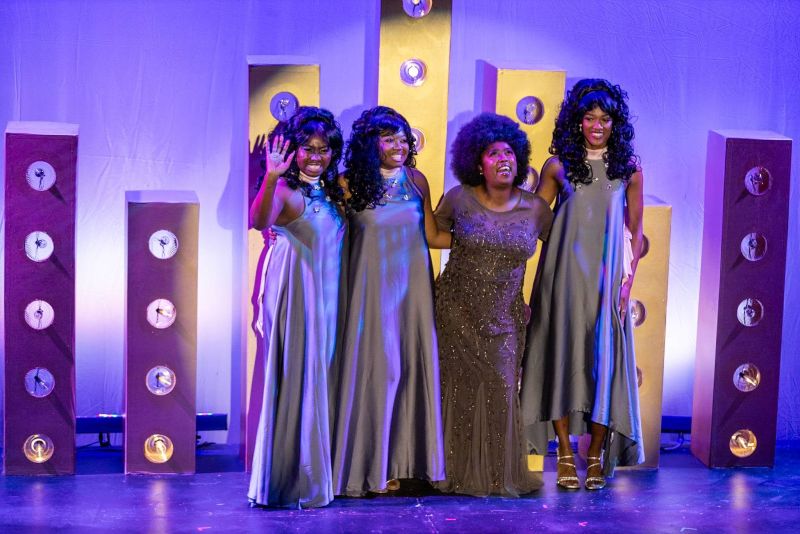
Keia Johnson portrays Deena Jones (the character modeled after Diana Ross), who unexpectedly shifts from backup singer to the leader of The Dreams. It is not the role she initially seeks, but she embraces it with determination and grace. Stardom comes naturally to her, and she proves she has the “star power” to succeed as a solo act. Johnson’s voice and charisma make her a compelling leading lady.
Xea Goolsby plays Lorrell Robinson as a spirited, loyal friend within the trio. She is the long‑suffering mistress of Jimmy Early (the James Brown–inspired character). Goolsby shines vocally in her confrontational number, “Ain’t No Party.”
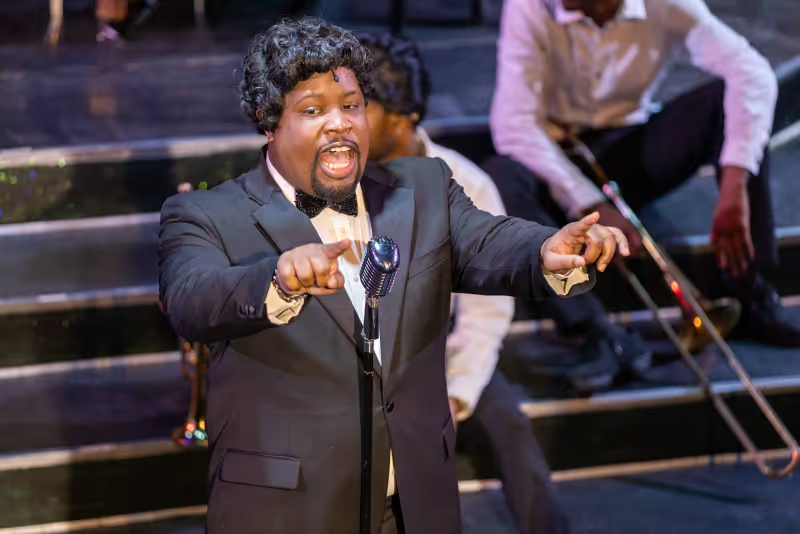
Adrian Kennard brings tremendous energy to Jimmy Early—the most electrifying presence onstage—as he belts, hollers, and dances with abandon. Just when it seems he must be spent, Kennard pushes even further (at one point dropping his pants mid‑song). Although he is endlessly entertaining, his acting remains somewhat inconsistent, but it is likely to strengthen as the run continues.
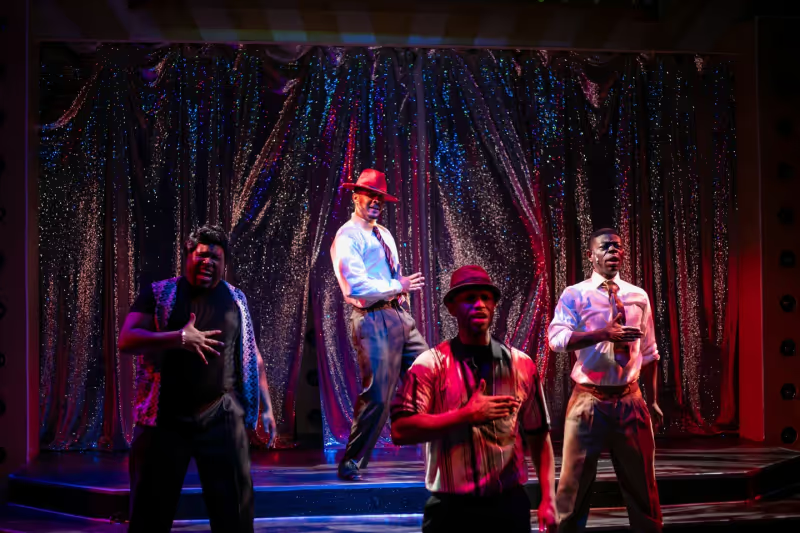
As Curtis Taylor Jr., the Berry Gordy–inspired manager, Kortland Whalum embodies the slick charm of a persuasive salesman with an eye for opportunity. He recognizes The Dreams’ potential, elevates Deena to lead vocalist, and eventually falls in love with her. Whalum has a pleasant singing voice, but his portrayal of Taylor feels somewhat one‑note. His vocal rhythm and delivery remain the same regardless of the moment, which affects believability.
Only Noelia Warnette‑Jones delivers the full combination of skills this musical demands. As Michelle Morris—the replacement brought in after Effie’s departure—Warnette‑Jones not only matches her castmates vocally but also brings authenticity and emotional clarity to her acting. She connects with her fellow performers through sincerity and grounded realism, demonstrating exactly how the material should be approached. After years of supporting roles on Memphis stages, she is more than ready for leading roles moving forward.
.jpg?format=auto&width=800)
The ensemble gives everything they have, vocally and physically. They sing and dance with relentless commitment. They embody the spirit of true community theatre, and their dedication bodes well for Hattiloo’s future talent pool.
DREAMGIRLS is a monumental undertaking for any theatre in America. Its technical demands—flashy sets, bold lighting, countless glamorous costumes, and intricate choreography—could easily overwhelm companies of any size. Hattiloo’s intimate black box space isn’t an obvious home for such spectacle, yet the team approaches it with full-hearted commitment. The production is likely to sell out for the rest of its run, a testament not only to the show’s iconic name but to the loyal audience Hattiloo has cultivated over the years. With steady leadership from its founder and the deep well of Memphis talent, Hattiloo Theatre is telling us, “I’m not going…”
Prefer BroadwayWorld in Google Search?
Add us as a preferred source so our stories show up more often in Top Stories and Google’s AI answers — for you.

Sign up for all the news on the Fall season, discounts & more...

|
An Enemy of the People The Circuit Playhouse (9/11-10/04) |
|
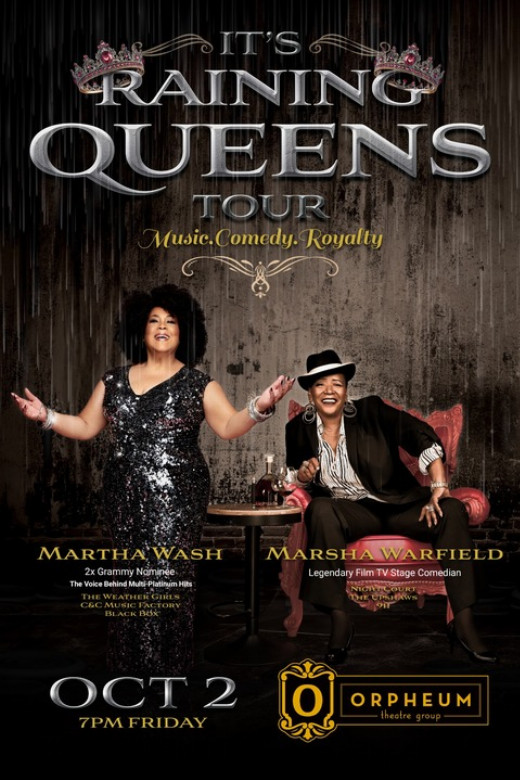
It's Raining Queens™ Orpheum Theatre Memphis (10/02-10/02) |
|
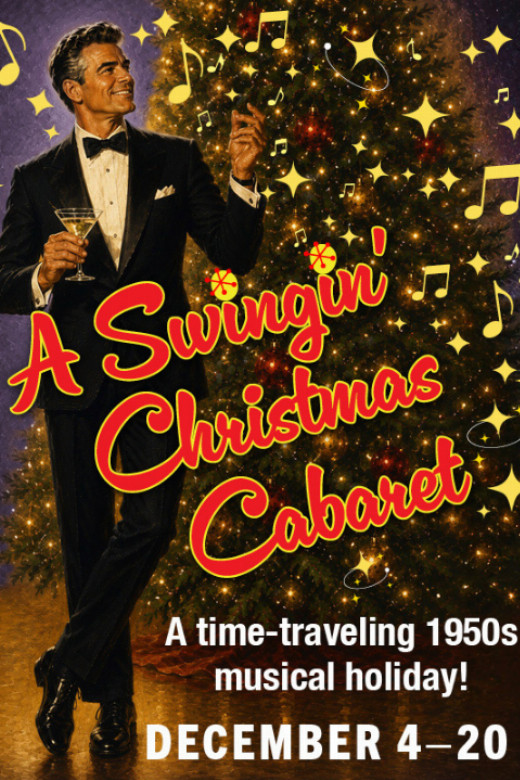
A Swingin' Christmas Cabaret Tennessee Shakespeare Company (12/04-12/20) |

|
Emerge: New Student Dance Works Department of Theatre and Dance, University of Memphis (3/26-3/27) |

|
Leanne Morgan Thompson Boling Arena (12/12-12/12) |

|
Clown Bar Department of Theatre and Dance, University of Memphis (9/24-9/26) |

|
American Page to American Stage: New, Classical Play Festival Tennessee Shakespeare Company (3/12-3/20) |

|
The Great Gatsby Tennessee Shakespeare Company (1/29-2/14) |
|
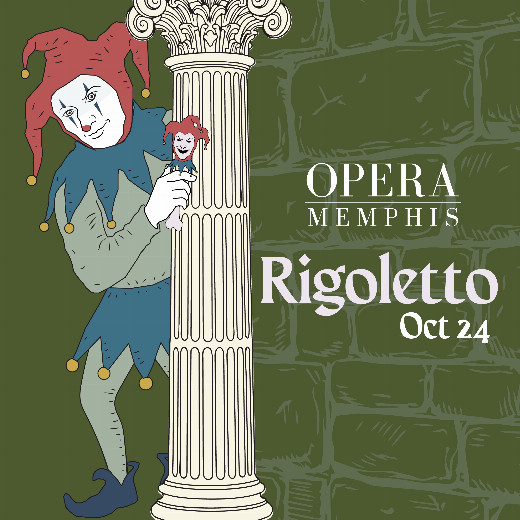
Rigoletto The Cannon Center for the Performing Arts (10/24-10/24) |
|
Broadway Gala for Children's Literacy: featuring Musical Star Norm Lewis Tennessee Shakespeare Company (4/10-4/10) |

Reader Reviews
To post a comment, you must register and login.