


Interview: Derek Charles Livingston of LET.HER.RIP. at Stages Houston
Murder and matchsticks collide in this world premiere!
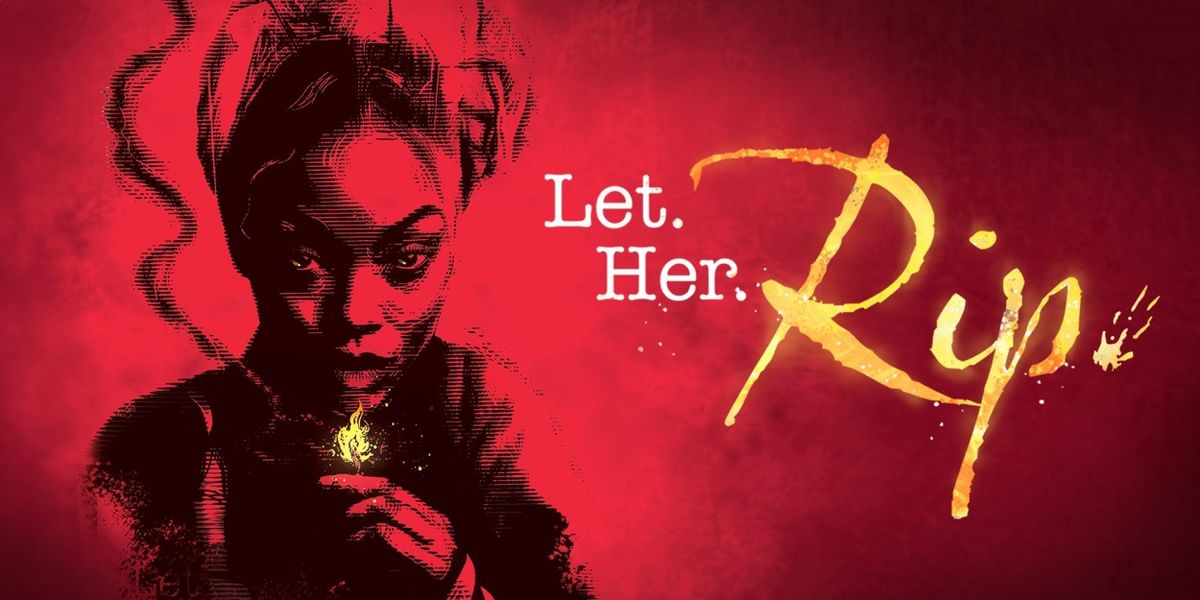
Derek Charles Livingston is the artistic director of Stages Houston, and he is about to premiere his first choice of programming with LET HER RIP. The show is a swirl of two historical events - the Jack the Ripper murders, combined with the Match Stick Maker strike of 1888. Playwright Maggie Lou Rader is the author, and this is billed as a world premiere. The show began previews on May 30th and runs through June 22nd at STAGES. Derek Charles Livingston agreed to talk with Broadway World writer Brett Cullum to talk all things murderous and matchstick in 1880s London.
Brett Cullum: I am very intrigued by this choice and this play, and I don't know what it's about. Obviously, because it's the world premiere. I've never seen it before. So tell me, what is the show about?
Derek Charles Livingston: In 1888, there was a very influential, very important strike by matchstick workers, who all were women primarily, and they walked out of a factory because of the arduous conditions, and many of them were getting this horrible condition called phossy jaw, where their mouths would literally be eaten away by the phosphorus that was in the matches that they had to put together. They walked out, and they refused to sign a statement stating that public published accounts of their arduous conditions were untrue. They immediately elected six women to represent them and went back into the factory to argue for them. These were mostly “unlettered” (I don't like to use the word illiterate) but certainly not traditionally educated working-class women in East London who thought that they were being mistreated and fought and stood up for themselves, and they unified. Nobody backed out of the strike, and they eventually got by law of Parliament the right to unionize, and also Bryant and May, who were the owners of this matchstick factory, had to change the chemical compound that was used in matchsticks to something that was less taxing, less toxic to their bodies. And the technology existed. It was a little more expensive, and if you see these pictures of where Bryant and May lived in that time period, they were living large. So this was not a big cut into the money they were making from these matchsticks to change the chemical compound. So, by Act of Parliament, the women got this done. It was this really amazing moment in the workers' history of East London, and indeed is credited with starting a lot of other strikes that happened in the area.
It transformed the Labor Party and the labor movement in London. It is one of the things that has really continued to transform politics as they exist today in the United Kingdom. At the same time, Jack the Ripper started killing women in East London. And so what Maggie [the playwright] has done, this is based on her research, she posits the idea that his murdering women. They clearly were misogynistic attacks against women. He went after them as women, not just as people. Those attacks started the same day. The women won their rights.
Brett Cullum: So we have this idea of two major points in 1888 coming together - a labor strike and the murders of Jack the Ripper. I have been to London and did a tour of his murder sites. I feel like he changed a lot of things, including how police and the press handled crime.
Derek Charles Livingston: It changed the way these kinds of things were covered. There's certainly been serial killers before then, but this was one of the first ones that was sensationalized by the media and showed that this kind of thing could really sell a lot of newspapers. I think, in many ways, unfortunately, it did not change policing. When working-class women disappear, the police often ignore them, particularly if it is believed they're involved in sex work.
Maggie [the playwright] cites a Long Island killer who got away with it because the women he was killing were indigenous women in this country and in Canada. The murderers haven't been found because they were poor and indigenous, and some of them are believed to be sex workers or have alcohol addiction. She wrote a play that takes place in the past to expose the present.
I've known about Maggie and this play for four years. In fact, when I was at the Utah Shakespeare Festival, the Director of Play Development, I chose this play for one of our development processes. So I was part of this play's development. There have been subsequent workshops, and I didn't know this at the time, but Maggie was inspired to write this play because of Breonna Taylor. A lot is said in this play is someone ought to remember her name. Her name is what is her name, say her name, but applied to these women in this time period. But I love how Maggie has again made something that is still much more contemporary. She is looking back at the past to tell us a contemporary concern that we have.
Brett Cullum: And you are doing this in June, which is Pride month, and I can only think also about the trans women of color who are killed without any justice as well. Well, we've certainly gone down a dark path already in this interview!
Derek Charles Livingston: And you know, the funny thing is that Maggie says the play is a comedy until it's not. The play is hilarious.
Brett Cullum: Well, I was gonna ask you, why did you pick this one as your debut to Houston audiences as a producer, as an artistic director, and just as a play director?
Derek Charles Livingston: There are a number of reasons. So I think the first reason is, I wanted to be responsible with Stages’ money. It's a 3-person play with a unit set. So there was a financial responsibility there. It also felt like an opportunity to bring to Stages’ audiences a chance to get to know me as something that I have worked on previously as an artist. As I said, I was the Director of Play Development and the interim artistic director at the Utah Shakespeare Festival. I chose this as one of the two plays for us to work on that year, and so we brought Maggie out. We put her in a room with a director, with a dramaturg, with actors, and every day her job was to revise that play, and at the end of that week, we put it in front of an audience, and we had talkbacks for three days. Two weeks later, we did that again, with a different audience. And so it was something that I was intimately connected with. So it felt like that was a chance for Stages’ audience to get to know part of my historical past, but bring it here, and also a chance for Stages to have a world premiere credit.
Brett Cullum: Gotcha. Well, speaking of talkbacks and getting reactions from the audience and things like that, I noticed that Maggie Lou Rader is coming to Houston, and she's gonna do talkbacks on this show on June 6th, 7th, and 8th.
Derek Charles Livingston: She's actually here now. But the talkbacks actually will be that opening weekend. And isn't that exciting for an audience to see a play and to hear a playwright firsthand talk about what her inspiration was for that, and why it's happening? Why is it important to her, and to answer all the little questions that we often have about the research, what went into it, how that character came about, and where that comes from? And it's one of the things that I hope to do more as an artistic director of Stages, when we have those opportunities, is to let our audiences engage with the people who created them. It is an experience you can't get sitting at home watching Netflix. So come to the theater.
Brett Cullum: Yes, Oliver Stone and Steven Spielberg are not gonna come into your living room after this movie and talk to you about it. So yeah, you might as well go to Stages and talk to Maggie Lou Rader about why she wrote about matchsticks and murders.
|
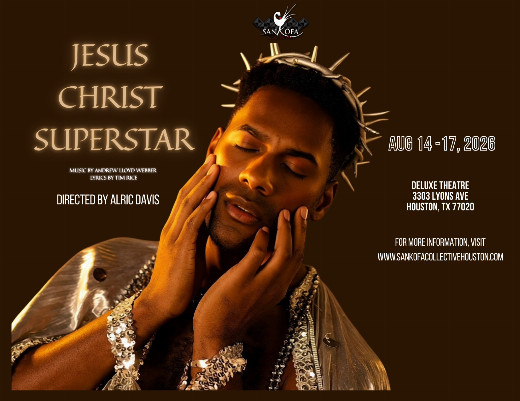
Jesus Christ Superstar Deluxe Theatre (8/14-8/17) |
|
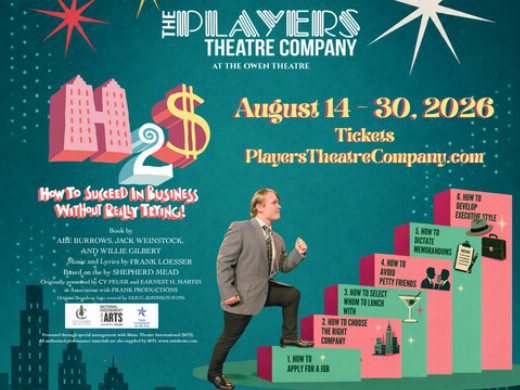
How to Succeed in Business Without Really Trying The Owen Theater (8/14-8/30) |

|
Therapy Gecko Punch Line Houston (9/20-9/20) |

|
AC/DC NRG Stadium (8/31-8/31) |
|
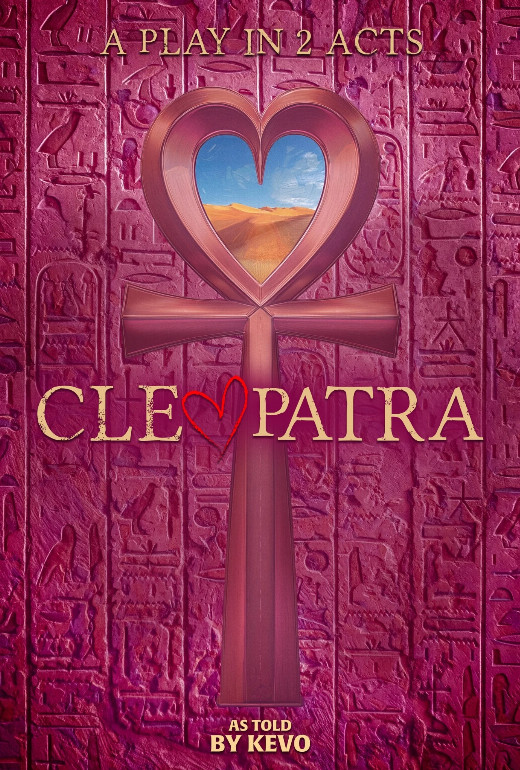
Cleopatra Midtown Arts (10/03-10/03) |

|
Drunk Pirates Emerald Theatre (5/14-9/19) |
|
An Old-Fashioned Family Murder Theatre Southwest (9/11-10/03) |
|
Ride the Cyclone HITS Theatre (8/14-8/14) |
|
The Rocky Horror Picture Show Spooktacular Tour with Nell Campbell House of Blues (10/23-10/23) |

|
Xanadu MATCH (Midtown Arts & Theater Center Houston) (8/14-8/30) |