


Review: SCHUBERT'S STRING QUINTET IN C MAJOR at Church Of The Intercession
Death of Classical's crypt sessions continued with a lovely performance by the Parker Quartet, joined by accomplished cellist Jay Campbell
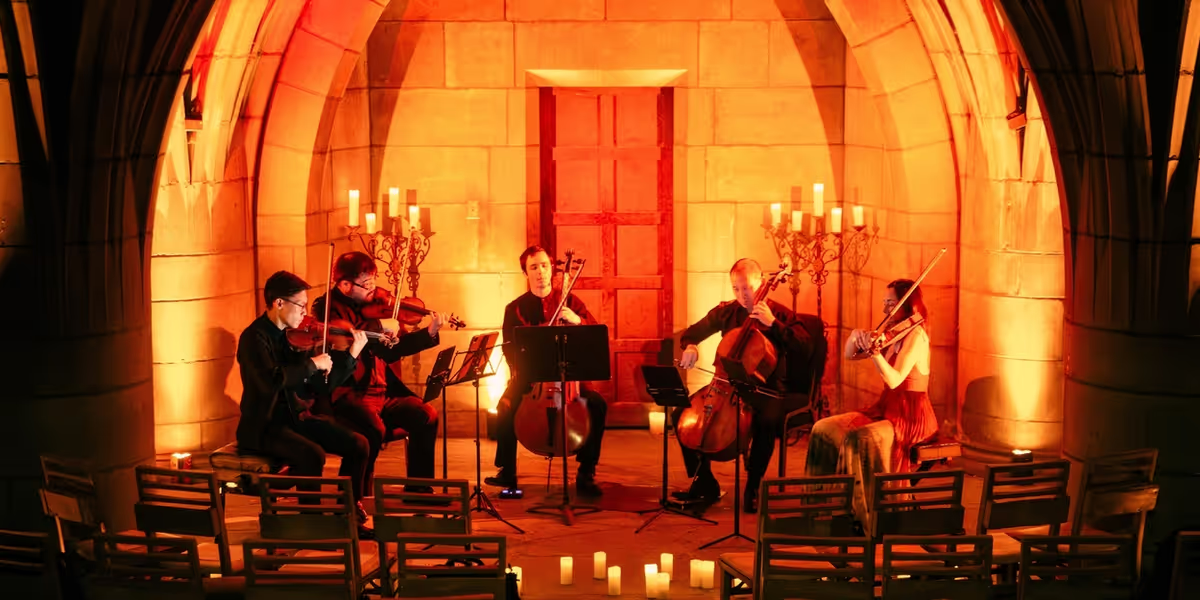
Franz Schubert’s String Quintet in C Major is linked to death in a way few pieces of music are. The early 19th century Austrian composer was prolific enough to have a large body of work yet died quite young, with String Quintet in C Major as his final piece. Never performed in Schubert’s lifetime, it’s often described as the accompaniment for a soul’s journey to heaven. Holding a concert for such a work in a crypt, then, is quite appropriate.
The work has a poetry to it, as if it’s saying goodbye, content with what it’s done. In the hands of the Parker quartet and Jay Campbell, such poetry is made manifest. All five musicians played wonderfully throughout the show. The complexities of the music were deftly navigated from start to finish.
Campbell, who has played all over the world, was in perfect form. His playing on the final movement of the concert, Allegretto, was particularly beautiful. The section is the culmination of the work, and his playing brightened to emphasize the finality of the moment. It’s neither an overtly triumphant nor somber moment, it’s simply a conclusion, followed by rest. String Quintet’s most striking feature is its use of a second cello, and Campbell showed just how captivating such a scoring can really be. His virtuosity was on full display throughout. During the more complex sections of Adagio, Campbell’s cello playing cresting like a wave towards the end, when the movement returns to the major key it opens in.
The first movement, Allegro ma non troppo, is the most expansive of the piece, establishing the grandiosity immediately. Violinist Daniel Chong and violist Jessica Bodner especially brought this movement of the work to life, synchronizing wonderfully to conjure up the sonic vistas the piece is known for. The winding arpeggios were like a ladder at times, evoking that final ascension upwards to God, simultaneously reflective and forward-looking. That sense of awe, of a journey encompassing both these extremes, is communicated beautifully through their playing.
The quintet’s performance of Scherzo. Presto – Trio. Andante sostenuto, the third movement, is just as beautiful as the others. Gliding between several major keys, their playing imbued the movement with gravitas, with the culmination of so much of the piece up to that point becoming a symphonic crescendo.
The music oscillates in its intensity. At times the quintet played with such verve it was as if the instruments were alive. Other times, their playing had a gentleness to it. String Quintet in C Major is sometimes requested at funerals, yet it’s far more layered than a dirge. The quintet’s playing perfectly captures both the piece’s sadness and its joy, both of which are heightened by their proximity to the other. It’s a transcendent experience, further heightened by the setting. Their musicianship was precise and disciplined yet never felt mechanical, perfectly channeling the emotion of the piece into the strings – whether plucking or using a bow.
In the end, the concert was a transcendent experience. The five musicians played masterfully throughout, tying together the rich tapestry of feeling present in the piece, creating a cohesive whole whose individual parts still shine. If Schubert’s String Quintet in C Major is meant to depict a soul’s journey to heaven, then the Parker Quartet and Jay Campbell are excellent guides.
Header photo credit: Justin Buschardt
Learn more about the Parker Quarter on their website at parkerquartet.com. Visit Jay Campbell online at www.jay-campbell.net
Death of Classical's next show is David Lang's The Little Match Girl Passion from December 2 to 4, 2025 followed by Tiergarten in January. Find tickets and more information about Death of Classical on their website here.

|
Flame: The Songs of Brady & Browne 54 Below (8/23-8/23) |
|
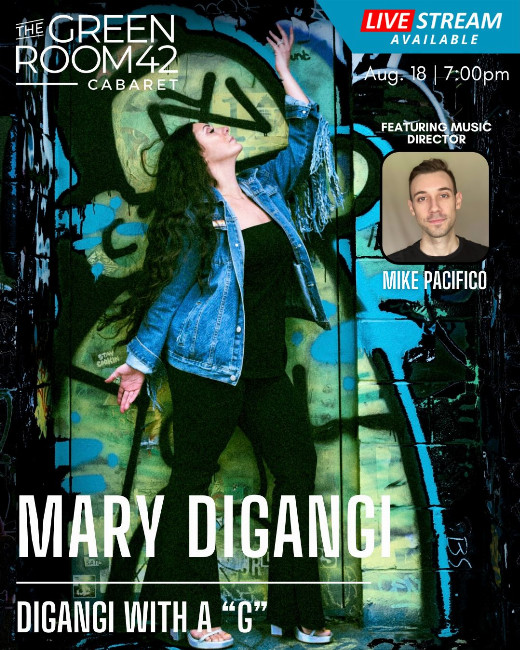
DiGangi With A “G” The Green Room 42 (8/18-8/18) |

|
Allison Bailey, feat. Casey Cott, Lauren Paley, & Talia Suskauer! 54 Below (8/16-8/16) |
|
Basement After Dark: The Music of RAYE 54 Below (8/31-8/31) |
|
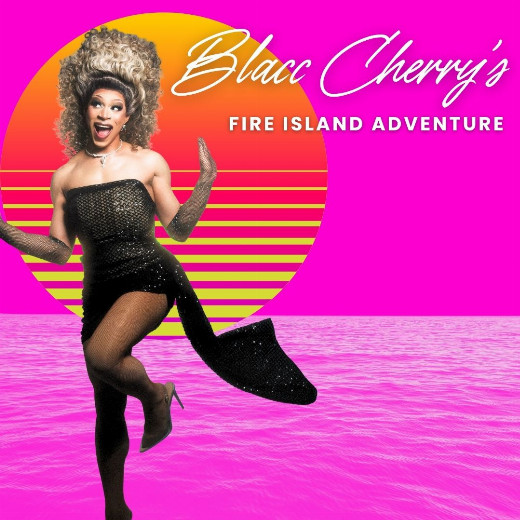
Blacc Cherry's Fire Island Adventure The Laurie Beechman Theatre (8/22-8/22) |
|
Joe McGinty & The Loser's Lounge: Squeeze vs. XTC – The Battle of the Bands! Joe's Pub (10/02-10/02) |

|
The Rocky Horror Skivvies Show Joe's Pub (10/26-10/26) |

|
Adam Pascal & Anthony Rapp: In Resonance 54 Below (8/22-8/22) |

|
Anna Moss & Sabine McCalla Joe's Pub (8/10-8/10) |
|
Femme Fatale: Songs For Girls With Teeth 54 Below (9/23-9/23) |
Reader Reviews
To post a comment, you must register and login.