


Interview: Colin Hancock's New Album Is a Living Restoration of Early 20s Jazz
Out 8/15, CAT & THE HOUNDS is a "living restoration" of the complex, cosmopolitan roots of early 1920s Black Jazz and Blues
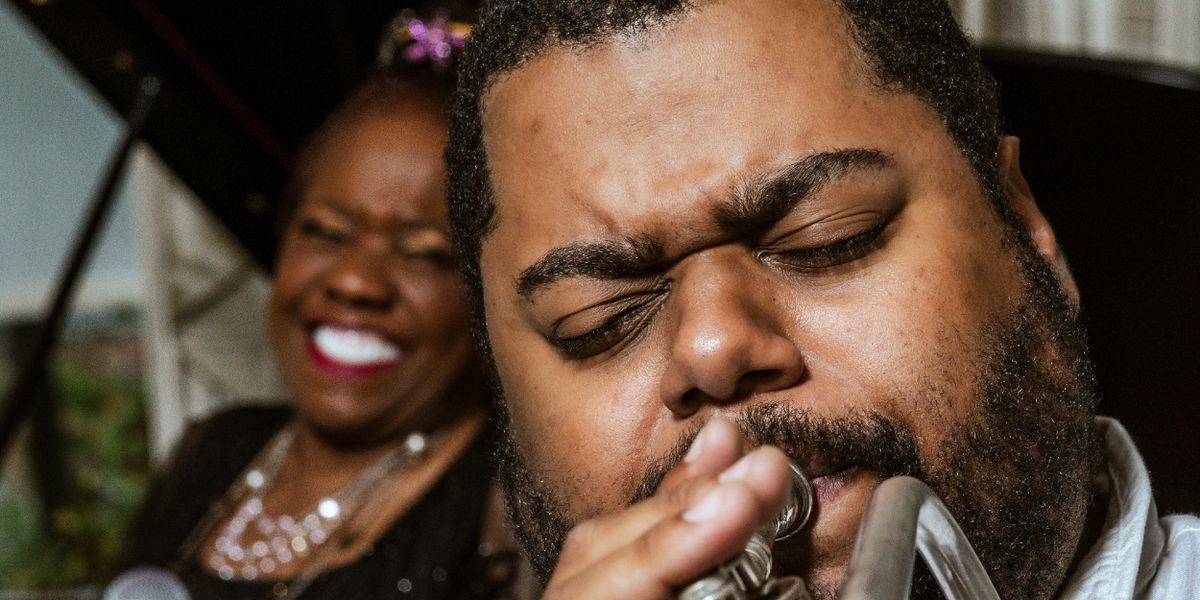
On August 15, 2025, Afro-Romani cornetist, saxophonist, historian, and producer Colin Hancock’s Jazz Hounds will release Cat & the Hounds — a bold new album that revives the spirit of early 1920s Black jazz and blues with historical insight and contemporary urgency. Featuring three-time GRAMMY-nominated vocalist Catherine Russell, the band also includes trombonist Dion Tucker, multi-reedist Evan Christopher, multi-instrumentalist and vocalist Jerron Paxton, pianist Jon Thomas, drummer Ahmad Johnson, and tubist Kerry Lewis. Together, they reimagine the sound of a “lost” Creole territory band — one that never recorded, but left a profound cultural imprint.
Named in part for Johnny Dunn’s pioneering Jazz Hounds, the group channels each member’s heritage into vivid performances that honor the complex, cosmopolitan roots of Black popular music in the early recording age. Having grown up listening to my own grandfather playing blues records from the late 20s to early 30s, I was struck by the way the album captured the spirit of that era without suffering the degradation of old recordings from that time. The songs are crisp and clear, as if it was recorded last week, not 80 years ago. Listening to the album, it really felt like a band from that era had magically time traveled and given access to high-fidelity digital recording technology.
Hancock is also a historian himself with expertise into the way that early recording technology shaped how songs of the early 20s sounded, evoking the feeling that he and the group restored these songs to their original quality, something that’s really marvelous to hear. I spoke with Hancock about the new album, what got him into this era of music, and more.
You've said that your grandfather got your father into 1920s blues and jazz, and then your father in turn got you into it. What do you think it is about the sound and recording style that hooked you and made you want to recreate some of these sounds on your own?
The sound of acoustic recordings has always fascinated me. You have people around these big tin horns, distanced by the volume of their instruments. You’d step in for your solo and back off when the singer was singing into the horn. That process is how this music first made it onto record, and why a lot of the records sound the way they do from back then. Even when they introduced microphones a few years later, it was sort of the same, being distanced around one mic, or maybe two if you were recording for a larger company. So when I was first starting out, I was really drawn to that. It’s sort of like painting with a specific kind of paint. When you record with early technology, you are able to evoke a certain feeling and response in the listener they associate, and the best engineers from back then knew how to interact with their listeners through the technology. The way these records are made is really special, and I wanted to know all about it.
What has it been like working with Catherine Russell on the vocals for this album and recording her father's music?
There are certain musicians in your career who you hit it off with because of mutual admiration for certain musical heroes, but it’s not often that one is simultaneously one of your own heroes! Working with Cat has been a joy because she is so deep into the music’s roots, in addition to being the greatest living singer of classic blues.
As far as recording the music of Luis Russell is concerned, I’m all about connections and you don’t get much more of a direct connection than Cat. Through her, the album has connections that extend to people like Louis Armstrong, King Oliver, and Victoria Spivey, too many other pioneers to list. It also extends to the original records, and while we aren’t in the business of re-creation, revitalizing the spirit and style of those gems is where we thrive.
What's the most interesting aspect to you of recording music via old 1920s and 30s technology? Can you describe some of what you're trying to evoke by recording music that way?
Definitely the way it changes people’s relationship with vintage recordings. Hearing oneself back on an acoustic record seems to connect the dots for many folks as to what’s missing, what’s added, and what’s changed between it and the live performance. With that understanding and experience, people then approach those records with context and tuned ears, which make the records more approachable and better understood. And of course, knowing how the records are made gives the musicians respect for how incredible some of those records sound considering the conditions the musicians had to make music in.
My other goal with this technology is preserving an artform. In its day, this technology was the cutting edge. The folks who built and operated these recording lathes wore lab coats and closely guarded their individual secret methods for optimal sound. And as soon as the technology changed, people got rid of old technology fairly quickly, meaning not much remains. There are hardly any acoustic disc lathes in the world left, let alone operable ones–I once tried to get into an archive in a small town outside of Rome just to get photos of one, but it never worked out. Eventually I built one for myself out of parts from many different machines, and operated a studio in my New York apartment from 2022-2023.
What do you wish more people knew or understood about this era of music?
I wish people understood how diverse and complex this music was. It gets written off as one thing, or a dichotomy between dance bands and jazz bands, but the fact is there were all kinds of bands, including just those two categories. So many of the musicians were just trying to make their way in the world and came from any and every set of circumstances. I have personal connections to Jazz age musicians who were Ivy League heirs to Piano Roll empires, and connections to itinerant street singers who spent time in the Penitentiary, who both recorded for the same label in the same year! The music was made up of a regional tapestry. Each community, each neighborhood, each band had its own approach. I think knowing about those different sounds and styles gives folks a lot of great options to choose from, and that’s something we tried to convey in “Cat and the Hounds.”
What are you planning to work on next?
I am working on a few really cool projects. Next in the pipeline is a much-anticipated reissue with Archeophone Records that my buddy Russ Fine and I are spearheading, looking at the earliest records by Bennie Moten’s legendary band, and the ultra-rare recordings made by the fledgling Black-owned record label Meritt Records run by Winston Holmes. The story behind those is really something, but they’ve needed a closer look and better reissue. Rich Martin, who took home one of the GRAMMYs won last year by Archeophone’s King Oliver “Centennial” set, is doing the restorations on the Moten/Meritt. All those records have never sounded so good, and I know folks are excited for it.
Aside from that I have an album coming out next year on Turtle Bay by my Austin-based band the Joymakers, which features the vocals of Luke Allen, vocalist-trumpeter and real rising star in the scene down there, and Lauryn Gould, who is equally a vocal master as she is a master of the Texas tenor sax style. I also have an album coming out with my friend Hunter Burgamy made with some serious New Orleans musicians in the Crescent City, and recorded using Jon Atkinson’s fabulous original RCA equipment. So tons of great stuff!
Is there anything else you'd like to add?
I want Cat and the Hounds to be an avenue for all kinds of folks into the wonderful world of Black jazz age music, and the many different perspectives that helped create it. I also want it to show the great contributions to this artform the new generation is bringing to the table.
Learn more about the album and where to pre-order it on Turtle Bay Record's website at www.turtlebayrecords.com

|
Flame: The Songs of Brady & Browne 54 Below (8/23-8/23) |
|
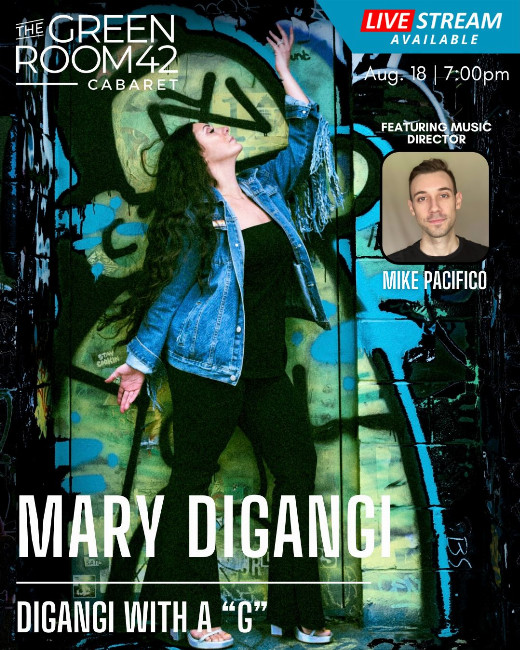
DiGangi With A “G” The Green Room 42 (8/18-8/18) |

|
Jeanna de Waal: Songs I Love to Sing 54 Below (9/30-9/30) |
|
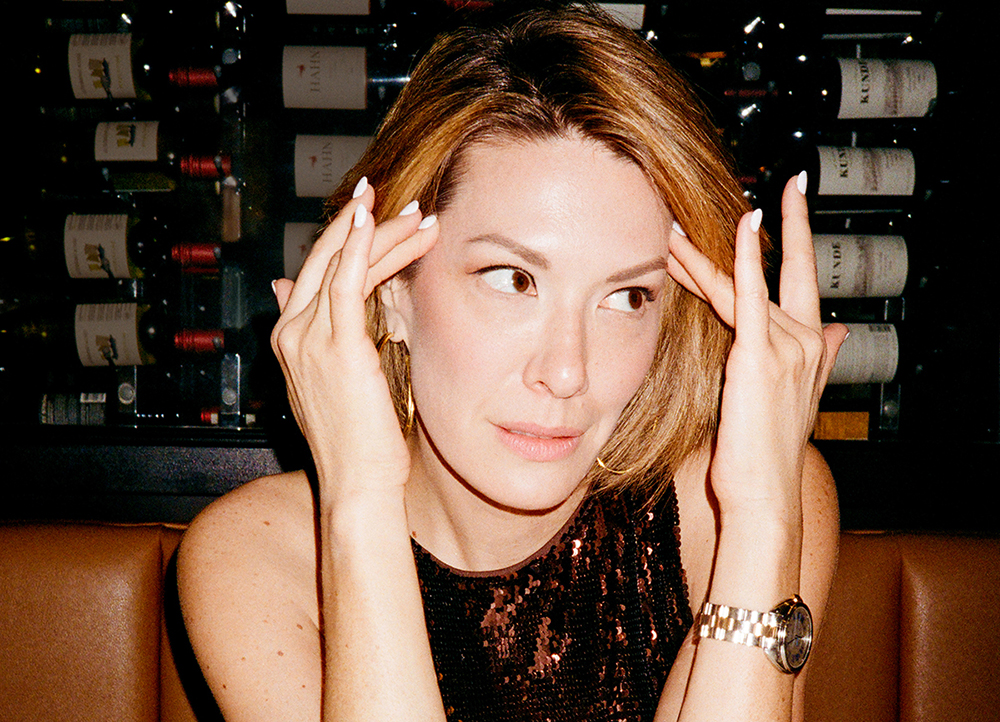
Michelle Collins: Wait, Why Don't I Know You? Joe's Pub (9/02-9/02) |
|
Rizo: Serving Cult Joe's Pub (9/10-9/10) |

|
Anayka She Joe's Pub (8/29-8/29) |

|
Ali Ewoldt: When You Wish Upon a Star 54 Below (10/06-10/06) |
|
Lyric Theatre of Oklahoma on Broadway 54 Below (10/18-10/18) |
|
Rite of Strings: Dust and the Moon Joe's Pub (9/30-9/30) |

|
Isaac Mizrahi Hooray 54 Below (8/12-8/12) |