


Review: GISELLE - NATIONAL BALLET OF JAPAN, Royal Ballet And Opera
Accomplished but lacking true drama
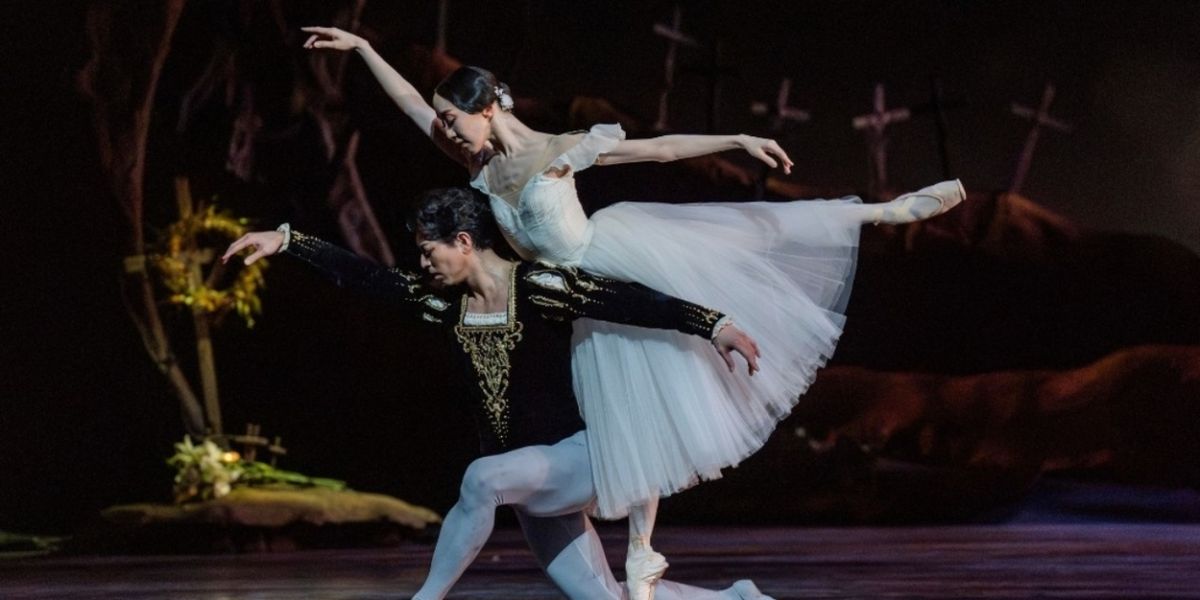
 Current geopolitics mean the Royal Ballet and Opera no longer welcomes the big Russian companies - Bolshoi and Mariinsky - for summer seasons when the resident company take their annual break. This of course leaves room for others, so welcome the National Ballet of Japan (for the first time), with their director's version of the 19th century key work, Giselle.
Said director is Miyako Yoshida, who is no stranger to Covent Garden. Yoshida came to London in 1983 and danced with both the Sadler’s Wells Royal Ballet and Royal Ballet for over 25 years.
This is Yoshida’s sixth season as director, and she created her production of Giselle for the company in 2022. London audiences are familiar with the ballet, but it's an intelligent choice to show a company’s dramatic skill and physical finesse.
For many the production will be a success, and I definitely appreciate aspects of it, however overall, it didn't move me the way I need Giselle to do so.
The sets (and costumes) by Dick Bird are fundamentally recognisable, yet I found the Act 1 forest backdrop too dark, and the Act 2 higgledy-piggledy, fairylight-bedecked forest graveyard more Disney than Gothic doom. Hilarion, Giselle's ardent suitor, also sported some lower legware that seemed more suited to Cats (the musical) than anything else.
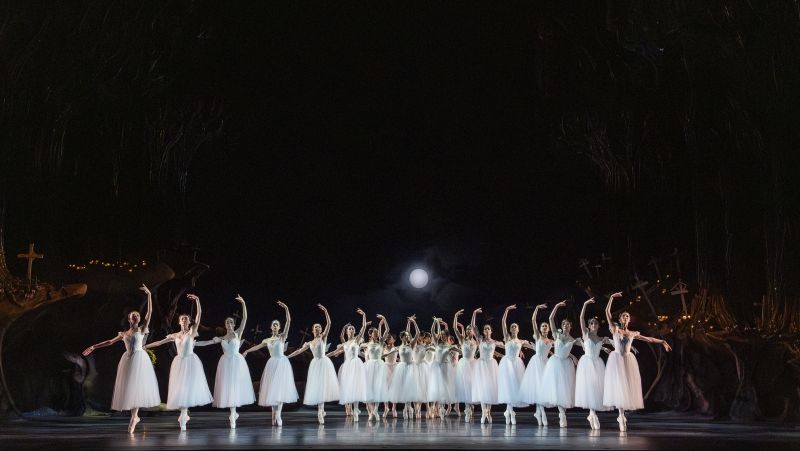
More positively, Rick Fisher's lighting design is superb, especially in Act 2. The range of stark brightness to barely visible is steeped in atmosphere, and allows for Giselle's entrance and exit to be truly transcendental.
Paul Murphy conducted the Royal Ballet Sinfonia. There was the odd bum note, which isn't a deal breaker, but I found the overall tempi quite erratic. His conducting was ideal for the dancers - slow and fast when necessary - yet the overall effect makes the score sound confused. As if Adolphe Adam’s original dynamic intentions have been lost along the way.
Most productions of Giselle have slight variations, but the fact Yoshida has placed Giselle's solo towards the end of Act 1 feels like the wrong choice. Narratively it makes much more sense for Bathilde (an aristocrat involved in the ballet’s love triangle) to ask Giselle to dance for her - but with that dialogue lost, the storytelling chronology feels less convincing.
The corps de ballet work in both acts is dynamic and well danced, yet lacks meaning. Mise-en-scène is pivotal to the success of narrative ballets, and I found the Act 1 Peasants overly busy with empty gesture, and the Act 2 Wilis lacking menace and malice. Both of which points are an issue.
The Peasant pas de deux with Risako Ikeda and Shunsuke Mizui was excellent. Ikeda in particular executed some rather mean feats; a double pirouette from the knee and another finishing en pointe with ease. Choreographically things started well with some variation on existing scores, but quite soon it all felt more step orientated than style infused. I blame the setting rather than the dancers themselves.
I was also quite taken by Akiho Seki's reading of Bathilde. Over the years one sees many different takes on the complex character, and Seki brings a regal disdain which truly adds to the plot.
On opening night (July 24th) Giselle and Albrecht were danced by Yui Yonezawa and Shun Izawa respectively. Izawa is a capable dancer and more successful in Act 2. Here his dramatic expression is obvious and engaging.
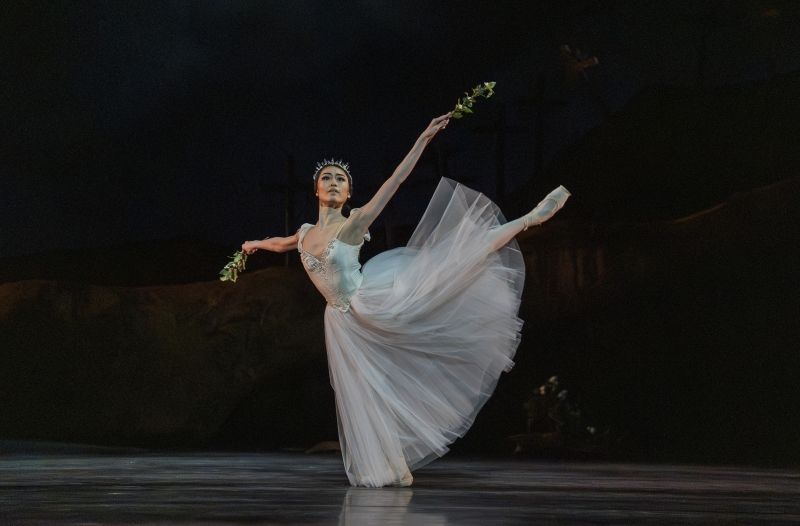
Yonezawa is a gifted dancer but I don't think she had her best show. One can only imagine the pressure. Her Act 1 is currently stronger, with a delicate, understated character, which in turn makes the mad scene feel very potent. I felt the cold in her bones and the madness creeping into her mind. Act 2 was less powerful at the start but grew as the act progressed. Yonezawa has stunning feathery footwork and expressive port de bras, and these are the hallmarks of a ballerina. However, her spirit interpretation needs more development, more freedom even, as it's currently too safe and boxed in.
I also attended the second night with an alternative cast, and I'm glad I did. Seeing the production a second time didn't shift my larger thinking, but some interpretations definitely furthered the cause.
Yui Negishi as Myrtha (Queen of the Wilis) finally brought what the second act needed - a woman scorned. Her imposing height, large dancing and deathly stare should've been on stage during the opening night. Yudai Fukuoka is a clean dancer, but his Albrecht isn't necessarily one for the books. Ayako Ono as Giselle on the other hand is an interesting proposition.
Her Act 1 Giselle seems to have a premonition of sorts, as the characterisation is full of tension verging on fear. And even though the mad scene started a tad formulaic, by the end its improvisational style was difficult to second guess and consequently chilling.
Act 2 had a wonderful balance of strength and fragility, all wrapped up in an otherworldly presence. Ono truly conveyed the spiritual for the majority, if not all of the act, and she also has wonderfully humble reverence which I truly appreciate.
I'm sure the National Ballet of Japan will be back, and that's absolutely no bad thing. I just hope if they bring another story ballet, the dramatic layers will have more texture and craft on their next visit.
The National Ballet of Japan performed Giselle from 24-27 June at the Royal Ballet and Opera
Photo credits: Tristam Kenton
Prefer BroadwayWorld in Google Search?
Add us as a preferred source so our stories show up more often in Top Stories and Google’s AI answers — for you.
Sign up for all the news on the Summer season, discounts & more...

.jpg?format=auto&width=365)





Reader Reviews
To post a comment, you must register and login.