


Review: LITTLE SHOP OF HORRORS at CITY THEATRE AUSTIN
Feeding the fun through September 14th, 2025!
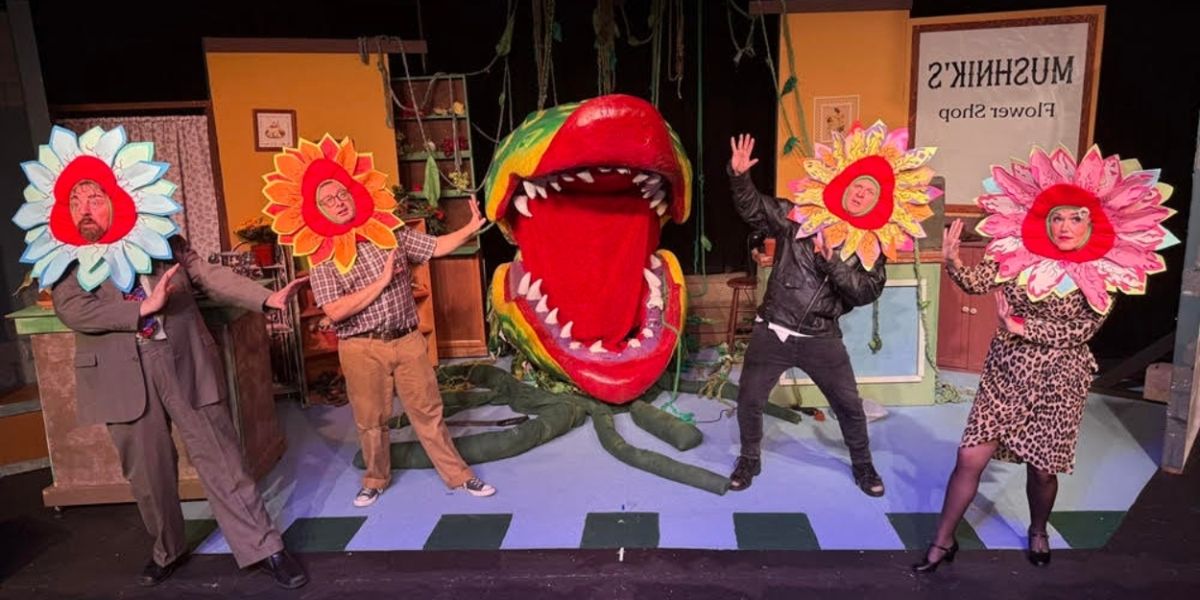
Few musicals juggle camp, comedy, and cautionary tale as deftly as Little Shop of Horrors. Since its off-Broadway premiere in 1982, Alan Menken and Howard Ashman’s quirky gem, adapted from Roger Corman’s 1960 cult film, has grown into a staple of American theatre. Its Motown-inspired score, sharp wit, and toothy central villain have ensured its place in the canon. At heart, though, it is a fable about ambition and greed: how the dream you chase can consume you whole.
The plot follows Seymour (Alan Matijasic), a meek florist’s assistant stuck in the drudgery of Skid Row, who discovers a mysterious plant with an unusual appetite. Named Audrey II, the plant quickly grows from a curious novelty into a ravenous, life-altering force. As Seymour indulges the plant’s increasingly sinister demands, from small tastings to full-bodied meals, his fortunes rise, but so does his moral compromise. Along the way, he navigates his unspoken love for Audrey (Lauren Beach), whose gentle hope and vulnerability keep him grounded. Against the backdrop of a gritty, decaying city, the story becomes a cautionary tale about desire, desperation, and the cost of chasing success at any price.
This production leaned into absurdity and horror. Matijasic’s Seymour struck a careful balance between awkward sweetness and quiet menace, while Beach’s Audrey brought warmth to the role, even if her vocals occasionally lacked the punch the score demands. Their chemistry, tender and fragile, gave the story its emotional core.
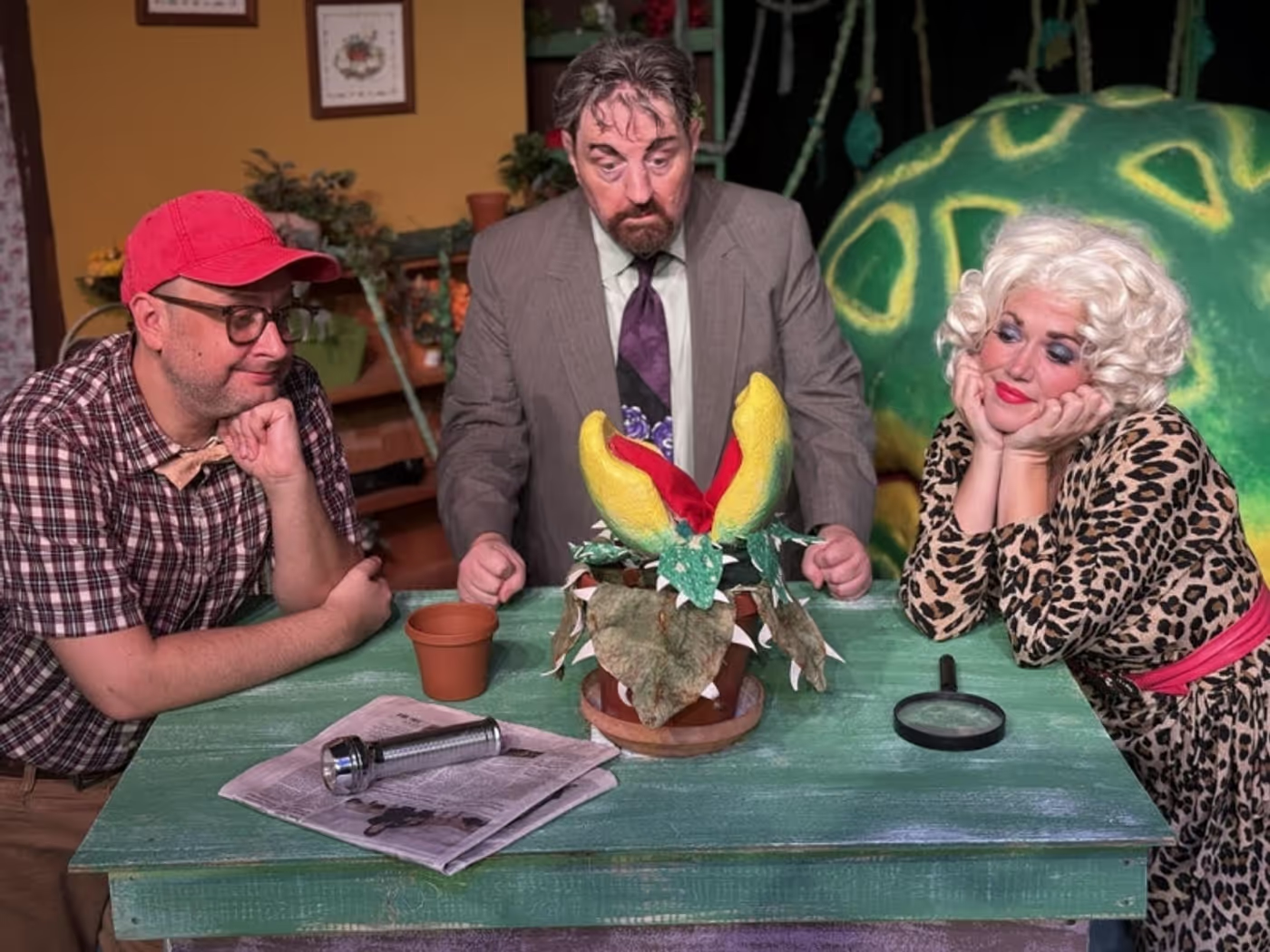
Little Shop of Horrors
PC: City Theatre Austin
The real showstoppers were the Greek-chorus trio: Crystal (TaTyana Smith), Ronette (Zoe Karahouni Peterson), and Chiffon (Nicole Tabonia Boyd). More than just singers, they acted as omniscient narrators, commentators, and occasional provocateurs, guiding the audience through the chaos of Skid Row with wit and sparkle. Channeling the sass and style of 1960s girl groups, they delivered tight harmonies with razor-sharp precision while infusing every scene with energy and comedic timing. Their presence provided a connective thread through the story, reacting to characters’ choices, foreshadowing danger, and amplifying both humor and suspense.
And then came Audrey II, brought to life through puppetry by Sebastian Garcia and Jackson Reed and voiced by Micaiah Armstrong. The carnivorous plant was no mere gimmick but a fully realized character and, ultimately, the star of the night. With sly comic asides and booming, roof-shaking commands, Armstrong’s vocals made the villain both menacing and magnetic. The puppetry, evolving from a small curiosity to a stage-devouring monster, earned gasps and cheers at every turn, especially from the youngest among the audience.
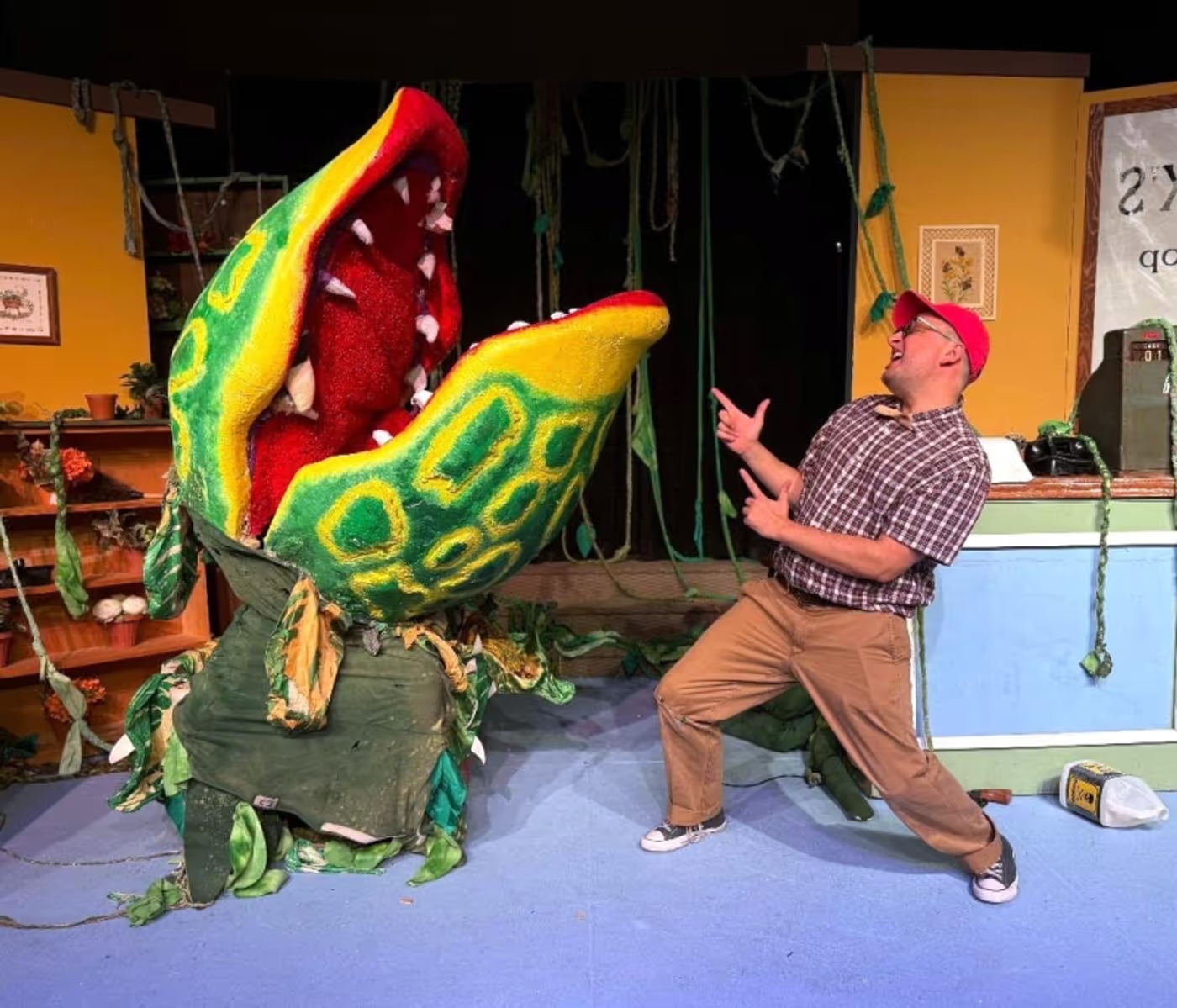
Little Shop of Horrors
PC: City Theatre Austin
The supporting characters fully embraced the show’s cartoonish edges. Kevin Anderson’s sadistic Dentist swaggered through with gleeful exaggeration, reveling in every grotesque flourish, while Jeff Phillips’s Mr. Mushnik added a grimy, sleazy presence that captured the sketchy spirit of Skid Row.
Of course, Menken’s score remains the backbone. Songs like Skid Row (Downtown), Somewhere That’s Green, and Suddenly, Seymour remain as irresistible as ever, and the live band gave them drive, even if singers occasionally struggled to rise above the sound. Still, the rhythms and melodies carried the night, proving once again why this score has lasted more than four decades.
What makes Little Shop endure is that it never treats its audience like fools. Beneath the laughs and camp lies a sharp critique of consumerism, ambition, and the bargain we strike when we want more than what life offers. This production may have shown some seams, but it entertained and sometimes, that's what we need.
Duration: 2 hours plus 15 min intermission
Little Shop of Horrors
Book and Lyrics by Howard Ashman
Music by Alan Menken
Directed by Andy Berkovsky
Music Direction by Carry deLapp-Culver
Now Playing Through September 14th, 2025
Thursdays to Saturdays at 8:00 PM
Sundays at 3:00 PM
City Theatre Austin
Genesis Creative Collective
1507 Wilshire Blvd. Austin 78722



|
Patricia Vonne’s “My Heart’s Got A Mind of Its Own” official album release show The Continental Club (9/25-9/25) |
|
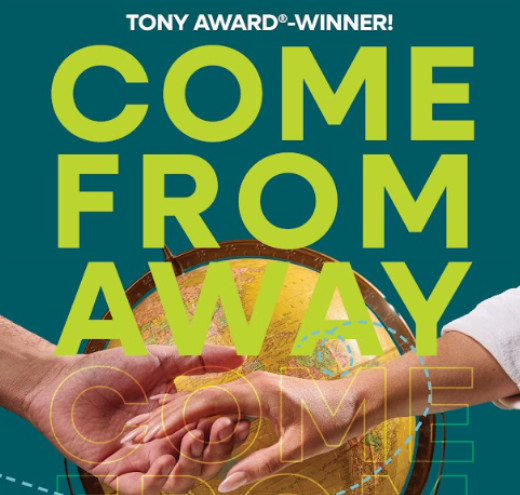
Come From Away Zach Theater (8/19-9/27) |
|
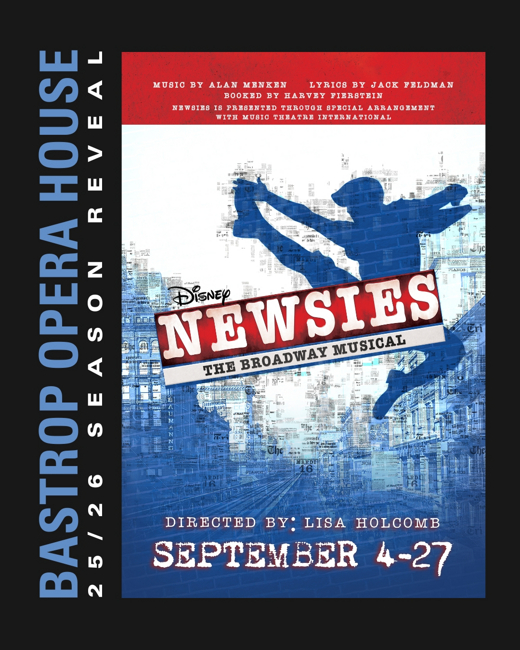
Disney’s Newsies Bastrop Opera House (9/04-9/27) |
|
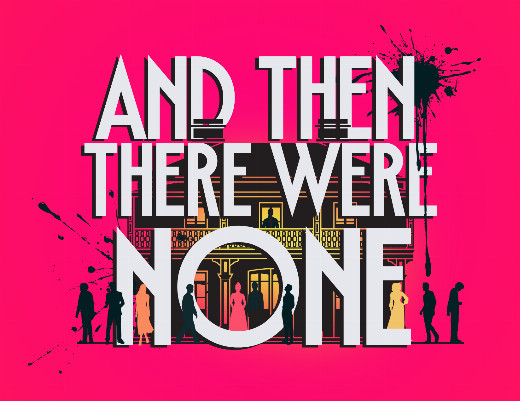
And Then There Were None Georgetown Palace Theatre (8/21-9/20) |

|
The Unknown Tour Julie Rogers Theatre (11/07-11/07) |

|
Cristian Castro El Paso County Coliseum (11/07-11/07) |
|
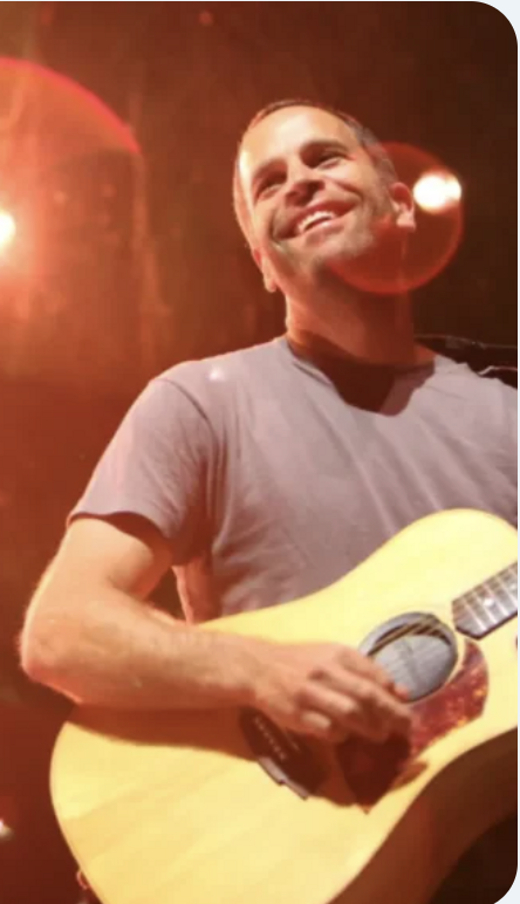
Jack Johnson at Germania Insurance Amphitheater Germania Insurance Amphitheater (8/29-8/29) |

|
Austin City Limits Music Festival: Weekend One – 3 Day Pass Zilker Park (10/02-10/11) |
|
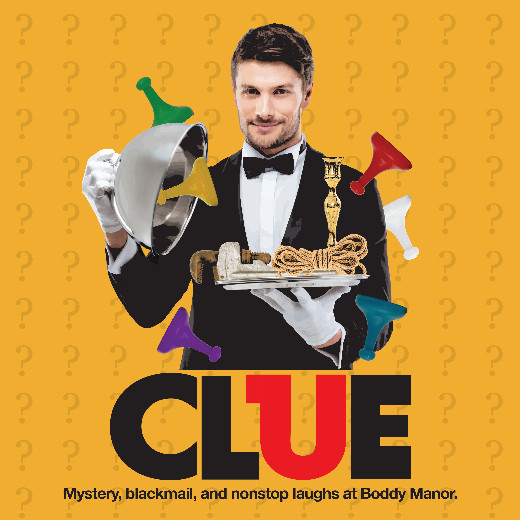
Clue Penfold Theatre Company (9/11-10/11) |
|
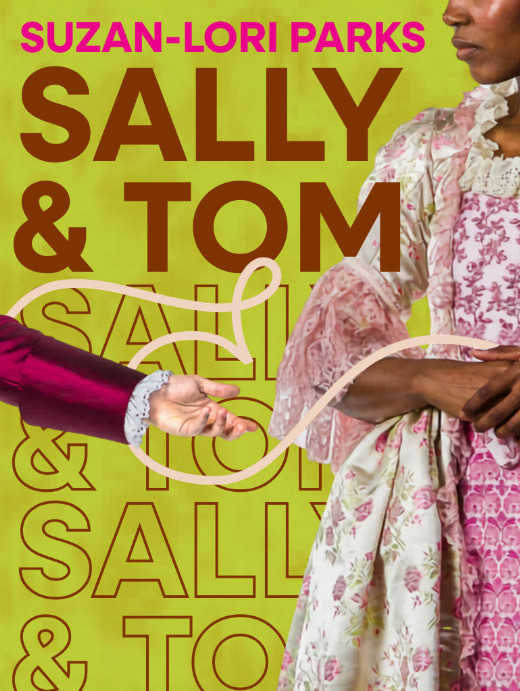
Sally & Tom Zach Theater (7/22-8/23) |
Reader Reviews
To post a comment, you must register and login.