


Review: THE NEIGHBOURS at Tarragon Theatre
Domestic drama ponders the monsters in our backyard
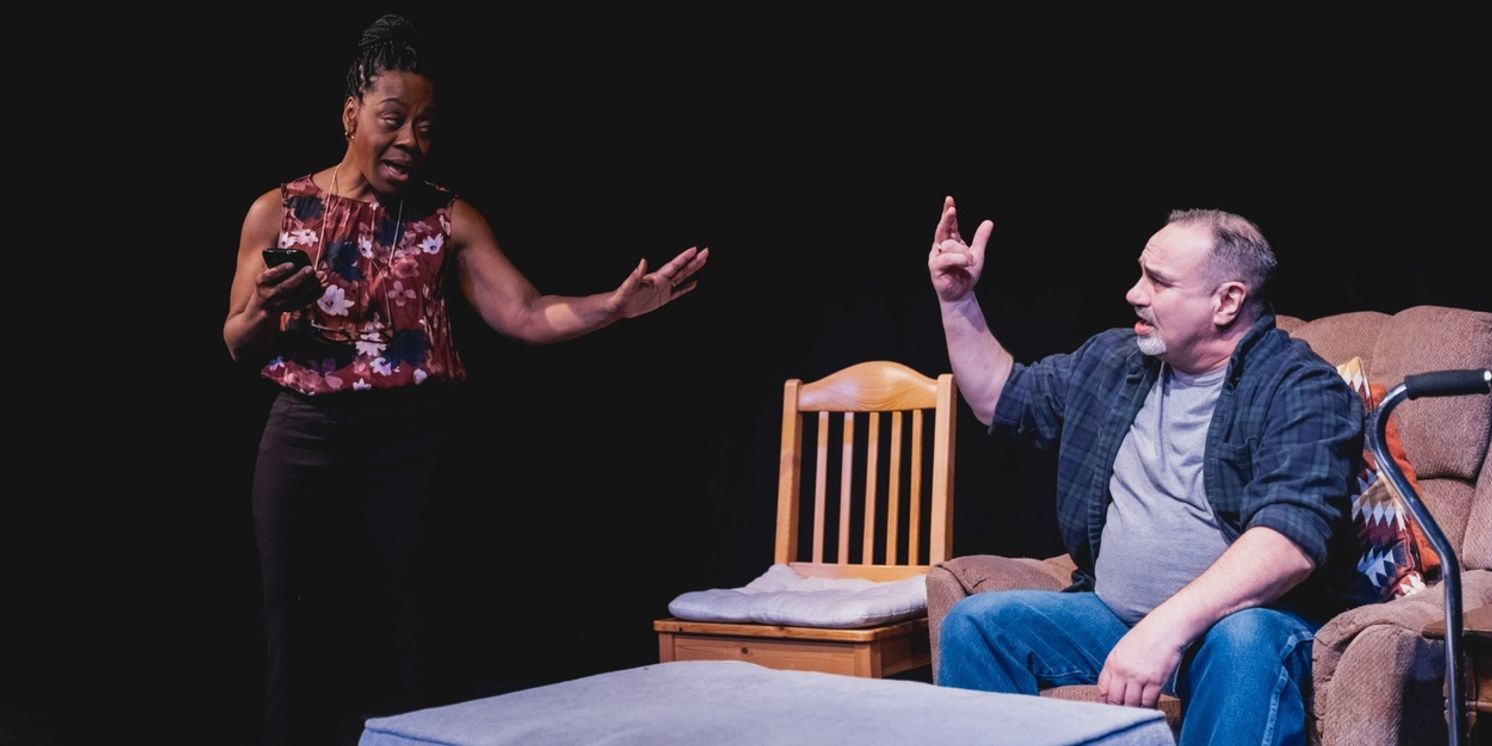
Governor General’s Award-winning playwright Nicholas Billon’s tense and compelling new work now playing at Tarragon Theatre, THE NEIGHBOURS, mentions a familiar thought experiment: If you lived in Nazi Germany, would you be the type of person who hid your Jewish neighbours from the SS? Would you help yourself to their valuables as they were dragged off to certain death? Or would you be somewhere in between—uncomfortable with what was happening, but more likely to look away than to rock the boat?
Most people want to believe they’d choose the first option. Certainly, Simon Armstrong (Tony Nappo) does. He and his wife, Denise (Ordena Stephens-Thompson) are still reeling from the shocking discovery a few months prior of a horror happening practically in their own backyard. One of their neighbours has been committing a particularly vile crime right under their noses for more than a decade. What’s worse, the victim reminds them strongly of their own daughter, Sophie, away at university, who’s been hurt terribly by the news and who is on her way home from the airport as they speak.
Turning past events over and over, Simon and Denise wonder what kind of people they really are. Should they have known? Could they have known? How complicit are they in what happened? And how well do we know our neighbours, anyway?
Green Light Arts’ production, directed by Matt White, artfully features a floor projection that looks like a rudimentary neighbourhood Google Map, and pieces of miniature broken homes above the playing space (set designer Kelly Wolf). The floor reminds us of the proximity in which these neighbours reside and the modern potential of surveillance to constantly monitor each other’s lives; the crumbling houses serve as metaphor for the crumbling of the comfortable but unexamined life Simon and Denise had assumed would continue as they reach their retirement years.
Months on, the reporters have gone home, but they now speak to the audience as though they’re giving an interview, protectively trying to justify their reactions and actions, or lack thereof. Believe us. We didn’t know. We never could have guessed. Who could?
Most of the play is delivered in direct address to the audience, though we never quite know who we are to the couple. Is the audience a journalist? A judge? A voyeur? A priest? Simon and Denise’s own consciences? Keeping this a mystery means that we’re not completely sure of our role, but thankfully, the ticking clock of Sophie’s arrival and the need to get their stories straight gives the discussion enough of a necessary impetus to be happening here and now.
Billon’s script, which gradually turns up the heat on the couple, is bolstered by strong performances by Stephens-Thompson and by Nappo, who also created a brash but layered character in another Billon exploration about the nature of violence, 2015’s Butcher. As a woman used to keeping the peace and reining in some of her husband’s less politically-correct impulses, Stephens-Thompson gradually lets the cracks in her marriage show until they match the rubble from the buildings overhead. She’s clearly shaken by this depth charge to her life and the fact that not only has she been deceived by this quiet, polite-seeming neighbour, but she’s also had her charitable impulses exploited, serving harm when she thought she was doing good. Is it just guilt by association, or something worse?
As Simon, Nappo’s emotional range is impressive, going from glib jokes about the foibles of the few residents who showed up to this year’s unsurprisingly failed annual barbecue to righteous anger at not being able to play this situation’s hero (with the reward money that entailed), to heartfelt anguish as he ponders how he can never go back to the way he saw himself. Denise and Simon’s history is evident in their relentless banter, yet they’re able to show a widening gulf between them as the minutes rush by.
While the show is largely a two-hander, there’s another person on stage for its duration. Au Yeung Wei (Richard Tse), another neighbour, spends most of the play going about his day, drinking tea and reading a book. His enigmatic presence is largely quiet and understated, certain motions punctuating lines that the characters deliver, and other visuals confirming or denying something the Armstrongs claim about their history. His character serves as a reminder that we often don’t know very much about people who may live just next door, and as a counterpoint to Simon’s wildly inaccurate nickname for and stereotypes about him.
This look into another home is welcome. Still, more could be made of the character; he feels like a strong idea underutilized.
Yet Billon’s exploration of the ease with which we look away, sometimes quiet, sometimes explosive, demands as much attention as the unexamined life of the neighbourhood.
Because sometimes, the monsters are right in our backyard.
Sometimes, they’re us.
Photo of Ordena Stephens-Thompson and Tony Nappo by Jae Yang
Reader Reviews

Videos