


Review: AMADEUS at Steppenwolf Theatre Company
Director Robert Falls’s production with an 18-member cast runs through January 25, 2026
 Click for Tickets!
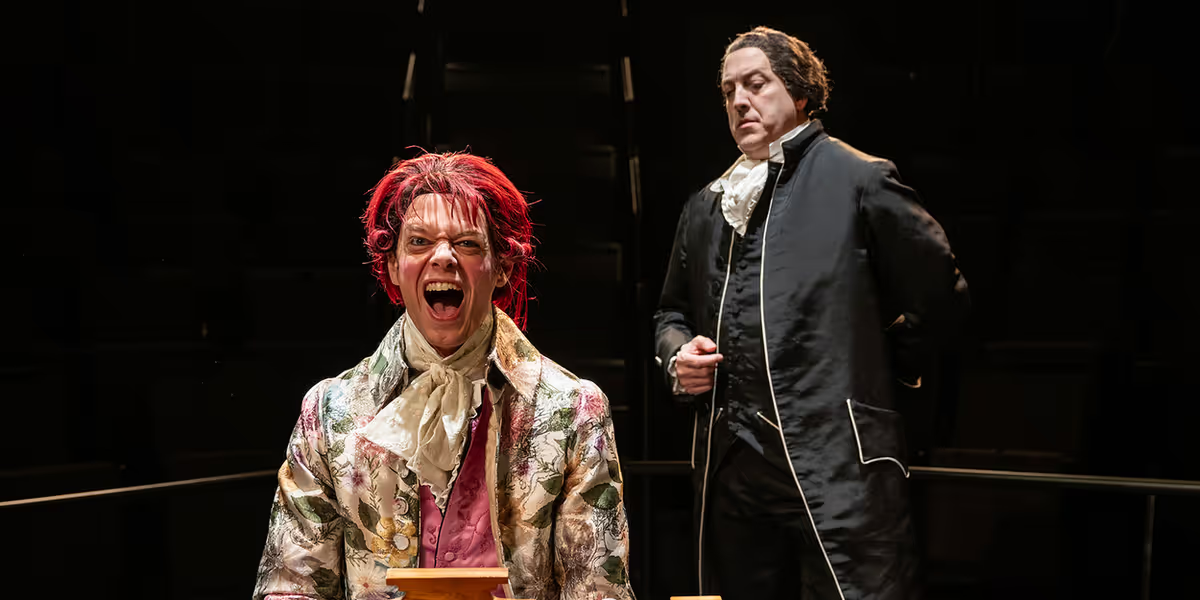
AMADEUS at Steppenwolf Theatre Company is a lively and sprawling production of Peter Shaffer’s play. Director Robert Falls, the recently retired former Goodman Theatre Artistic Director, makes his Steppenwolf directorial debut with one of the best uses of Steppenwolf’s Ensemble Theater I’ve seen. The open play space can pose a challenge because it doesn’t allow for a traditional proscenium staging, but it’s a great fit for AMADEUS. In Falls’s production, ensemble members flit in and out of the theater’s many entrances and exits, mirroring the cacophony of Habsburg high society. Todd Rosenthal’s sparse set design, replete with glimmering chandeliers that recall PHANTOM OF THE OPERA, allows Amanda Gladu’s opulent and colorful costumes to take center stage.
This visually pleasing production provides a great backdrop for the play’s antics: An imagined rivalry between Italian court composer Antonio Salieri and the famous Wolfgang Amadeus Mozart. Shaffer’s script paints Salieri as the villain in his own story — Salieri serves as narrator and literally never leaves the stage. He fancies himself the instigator of Mozart’s financial struggles and ultimate demise, though it’s unlikely that narrative is true.
Ian Barford may have 17 fellow actors on stage, but Salieri is a massive role — and he handles it well. Barford’s stage presence shines — he’s both affable and grumpy. Audiences will find it easy to root for Salieri, even as he plots Mozart’s downfall. Shaffer’s script imagines Mozart as a pompous, philandering goofball — and David Darrow answers the call with aplomb. Darrow has boundless energy and daffiness as Mozart. He delivers his lines at a speed that feels like a mile a minute, but allows you to understand every word. Shaffer diverts from the traditional move of depicting classic composers as stuffy and buttoned up; this Mozart is entirely the opposite. In his first scene, Mozart seduces his fiancee Constanze (Jaye Ladymore) in an elaborate and nonsensical game of foreplay. That said, the play never tips over into lewdness.
Watching Salieri and Mozart go at it is the greatest strength of this play. Barford and Darrow turn their scenes into sparring matches, highlighting their characters’ contrasts. All of Salieri’s actions feel effortful, while Mozart’s feel effortless. In one scene, Salieri closely examines Mozart’s music, noting that the sheet music has no markings — it seamlessly floated out of Mozart’s brain onto the page. Darrow communicates that same sense of ease in his portrayal, and he’s compelling to watch at all times. While he’s a natural at portraying Mozart’s egotism, he also has range: He performs equally well in an extremely vulnerable moment at play’s end.
While Salieri and Mozart are the undoubted stars, Steppenwolf’s ensemble has other standouts. Ora Jones and Sawyer Smith are gossipy and playful as Venticello 1 and 2, Salieri’s equivalent to ladies-in-waiting, who bring him the latest town news. Jones and Smith serve as the play’s surrogate Greek chorus, and they deliver their lines with a dose of the otherworldly. In a play characterized by outsize figures, Ladymore does well as the grounded Constanze — she’s certainly the straight woman, but Ladymore makes you feel for Constanze’s challenging role in the shadow of a musical genius. Yasen Peyankov is a delight as Baron Van Swieten, who doesn’t find Mozart’s antics the least bit amusing.
I didn’t grow tired of watching Salieri and Mozart go toe-to-toe, but AMADEUS’s second act goes longer than it needs to. Salieri and Mozart’s antics give way to more contemplation at the end of the composers’ respective lives. While Mozart’s final scene was downright operatic, I think Shaffer has given Salieri a few too many final monologues. The narrative of Salieri as his own self-identified villain, longing to become immortal by declaring himself the anti-hero in Mozart’s story, has already been well made.
Overall, this is a lively production that also makes great use of music (Mikhail Fiksel provides music supervision and additional original music). Outside of Erica Stephan having a brief showstopping vocal moment as Katherina Cavalieri, one of Salieri’s star pupils, most of the music is pre-recorded. The production still has bombastic energy, and its frenetic and bright pace is a nice departure from a lot of Steppenwolf’s usual darker fare.
AMADEUS plays the Ensemble Theater at Steppenwolf, 1650 North Halsted, through January 25, 2026. Tickets are $20-$153.50. Visit steppenwolf.org.
Photo Credit: Michael Brosilow
Sign up for all the news on the Fall season, discounts & more...
|
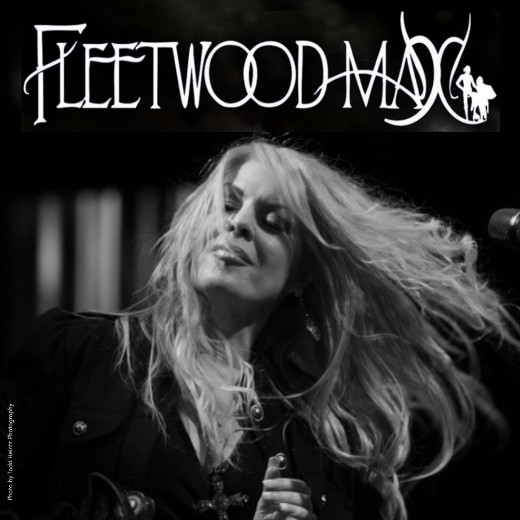
Fleetwood Max Raue Center For The Arts (10/03-10/03) |

|
Love Story: A Tribute to Taylor Swift Raue Center For The Arts (11/07-11/07) |

|
Mean Girls Paramount Theatre (8/26-10/11) |

|
Million Dollar Quartet Stolp Island Theatre (10/07-1/03) |

|
Rotary Rocks The Raue: James Garner's Tribute to Johnny Cash Raue Center For The Arts (10/24-10/24) |

|
The Dave Matthews Tribute Band Raue Center For The Arts (9/25-9/25) |
|
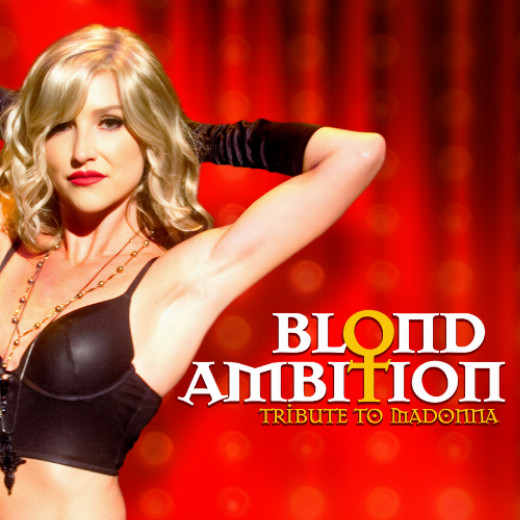
Blond Ambition: A Tribute to Madonna Raue Center For The Arts (11/07-11/07) |
|
Memphis The Musical Studebaker Theater at the Fine Arts Building (10/24-10/25) |
|
Northern Lights Nichols Concert Hall (10/25-10/25) |
|
The Fabulous Equinox Orchestra "Broadway to Bourbon Street: ECC Arts Center (11/20-11/20) |

Reader Reviews
To post a comment, you must register and login.