

Interview: Josefina López on the Intersection of Creativity, Spirituality, and Community
Playwrights Project presents an evening with the playwright on April 11 at Point Loma Nazarene University.
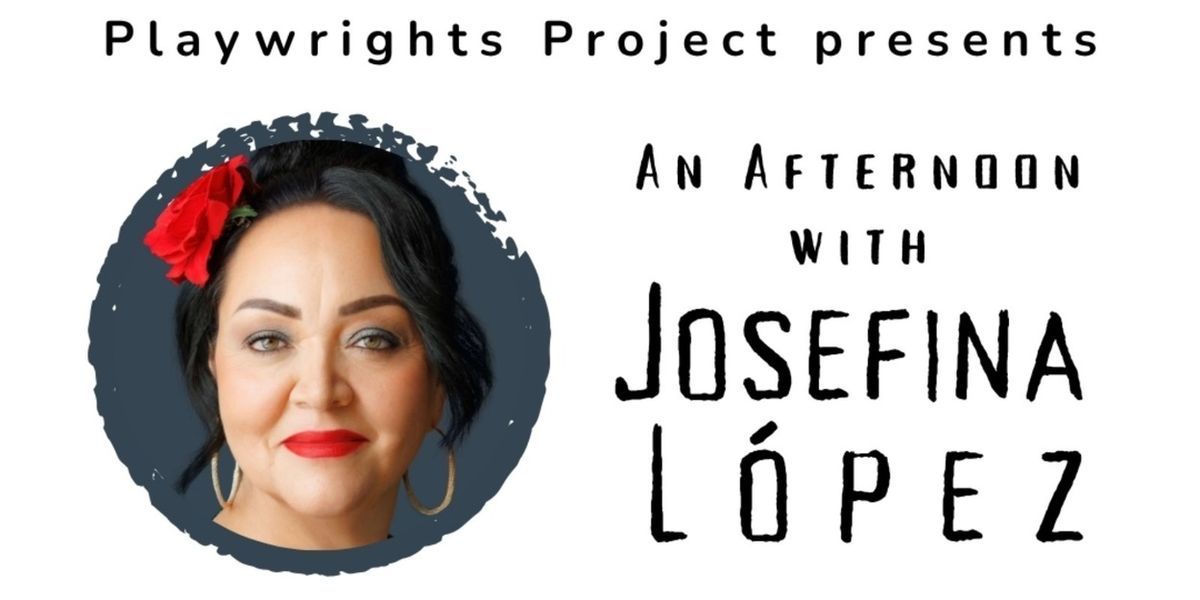
You’ve likely heard, watched, or encountered Real Women Have Curves—from the beloved 2002 film starring America Ferrera or its recent Tony-nominated Broadway musical—but it goes back to the original play of the same name that Josefina López wrote when she was just 18.
Now, after a decades-long career as a playwright, screenwriter, and founding artistic director of Casa 0101 Theater in Los Angeles, López continues to reflect on a life shaped by resilience, spirituality, and a deep commitment to her community. She brings that perspective to San Diego for an evening with Playwrights Project on April 11 at Point Loma Nazarene University (tickets here).
When asked what audiences can expect, López doesn’t hesitate: “An entertaining evening of chisme, wisdom, writing advice, and my authentic self.” She approaches these conversations openly, sharing her experiences in hopes of helping others avoid similar struggles. Over the past seven years, she has also trained as a curandera and shaman, a path that has deepened both her personal and creative life. “I feel like I am walking the path of the elder… ask me anything,” she says.
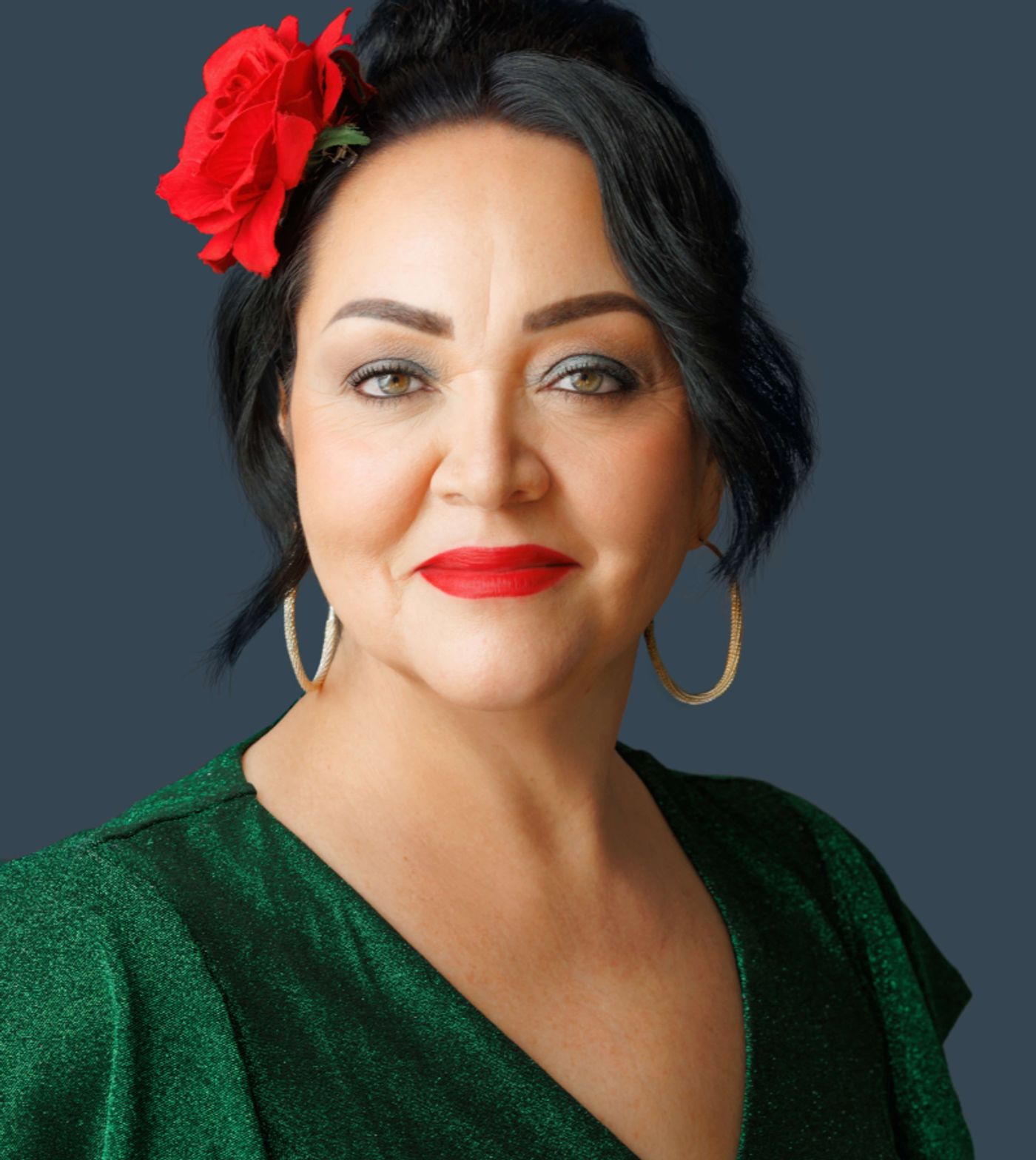
López, who has lived with ADD, reframes it as multidimensional awareness. Her grandmother was a curandera, and these lineages are central to how she understands herself. “The more I get attuned with my heritage, the more I realize this is part of my reality and identity.” For her, trust in the inner self is central to how she moves through the world and shapes her work. “Society tells you thoughts are more important than what you feel… but I’ve had to follow my intuition to tell the stories of my community and the stories of women.” With both her inherited spiritual practice and the generational nature of ADD, she embraces these as gifts that allow her to perceive and navigate multiple layers of experience.
This also informs her writing process. López describes stories as coming to her as images from fully formed movies. When they come, there is a sense of urgency, and she often feels compelled to sit down and write as long as needed in order to capture them. Rather than inventing from scratch, she experiences writing as accessing another dimension where the work already exists, simply “tuning in” and translating it.
That same urgency is tied to her earliest work, Real Women Have Curves, which she began writing as an attempt to document the world she was living in.
More than three decades later, this play remains as relevant as ever. López is clear that this is not a coincidence. She points to systemic barriers in the industry, speaking directly about how stories centered on women and communities of color are often sidelined, with opportunity still disproportionately given to narratives that center whiteness and male protagonists. Still, her play endures because of what it represents: “women coming together and exercising power over their bodies and futures.”
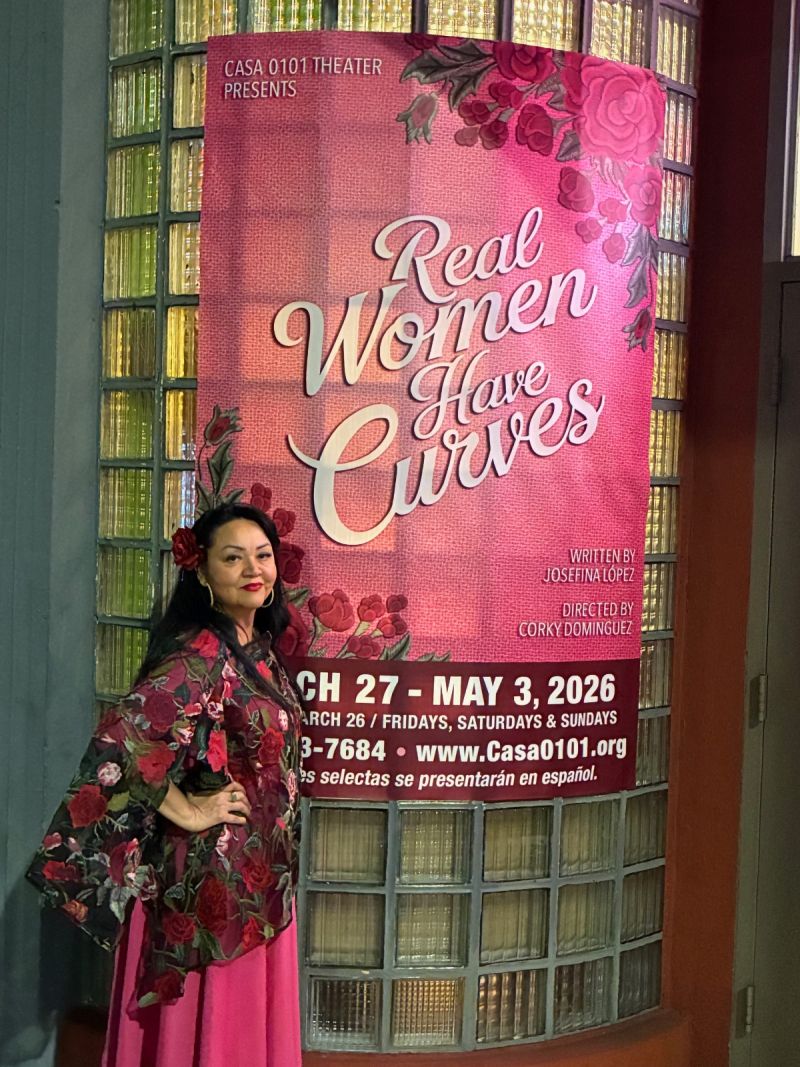
Now, in the latest bilingual production of Real Women Have Curves at Casa 0101 Theater, running through May 3, 2026, updates have been made to reflect current realities within the Latino community. “We need to challenge this narrative of us being criminals, and that is why I wanted to do it,” she explains.
%20Yasha%2C%20Amy%2C%20Blanca%2C%20Stefany%2C%20Laura%20-%20Photo%20by%20Steve%20Moyer.jpg?format=auto&width=1400)
Blanca Araceli (Carmen García), Stefany Arroyo (Ana García) and Laura Vega
(Pancha) in Josefina López’s signature play, Real Women Have Curves, directed by
Corky Dominguez, being presented at CASA 0101 Theater, March 27 – May 3, 2026,
www.casa0101.org – Photo by Steve Moyer Public Relations
For emerging writers, her advice is both practical and empowering—apply to programs, submit your work, reach out to theaters, and “be your own agent.” But at its core, her message is about authenticity. Too often, she says, stories are shaped to meet outside expectations or packaged for white audiences. Instead, she encourages Latino writers to stay rooted in their own perspective, creating work that begins from lived experience and invites others into it naturally. “Ultimately, you should write for yourself.”
Looking back, López holds deep gratitude for her younger self. “You are amazing and incredible… I am so grateful for your courage,” she says. “I’m happy you didn’t listen to that man who told you you were too ambitious. Thank you for listening to your intuition.”
And if there’s one message she hopes audiences carry with them, it’s this: “Women are powerful, especially when we work together. It’s community that creates new possibilities.”

Videos

|
The Most Happy Fella North Coast Repertory Theatre (6/03-6/28) |
|
The Rise and Fall of Little Voice Tenth Avenue Arts Center (6/11-7/03) |

|
A Bad Case of Stripes: The Musical Casa del Prado Theatre (6/26-7/12) |
|
OnWord Theatre Presents Adult Storytime OnWord Theatre (6/11-6/28) |

|
Backroads of the Americas - Solo Guitar St. Andrew's by-the-Sea Episcopal Church (6/28-6/28) |

|
Three Days Grace, I Prevail & The Funeral Portrait Viejas Arena (11/20-11/20) |

|
Live Music and Fine Dining La Botte Italian Restaurant and Catering (6/20-6/20) |

|
The Marriage of Figaro Bornemann Theatre (8/28-8/30) |

|
The Lion King Jr Front Row Center (6/19-6/28) |

|
Day After Day - The Life and Music of Doris Day @ The Hollywood Fringe Festival The Broadwater Second Stage Theatre (6/08-6/20) |
| VIEW ALL SHOWS ADD A SHOW | |