


Interview: Jeff Brown of THE COAST STARLIGHT at Main Street Theater
Experience the emotional depth and quiet power of THE COAST STARLIGHT at Main Street Theater through Jeff Brown’s perspective.
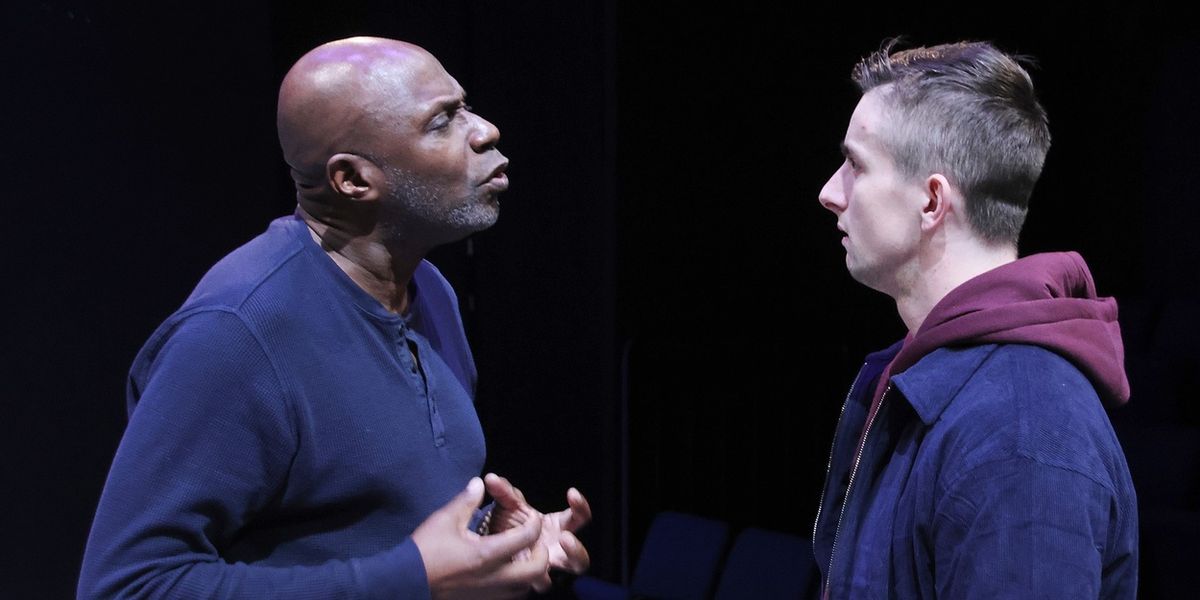
In The Coast Starlight at Main Street Theater, actor Jeff Brown steps into a world defined by restraint, intimacy, and deeply human conversation. Known for its trust in both artists and audiences, Main Street Theater provides the perfect setting for Keith Bunin’s quietly powerful writing—work that values silence as much as speech and emotional truth over spectacle. In this interview, Brown reflects on what drew him to the production, his approach to playing Noah, and why this thoughtful, unflashy play feels especially resonant right now.
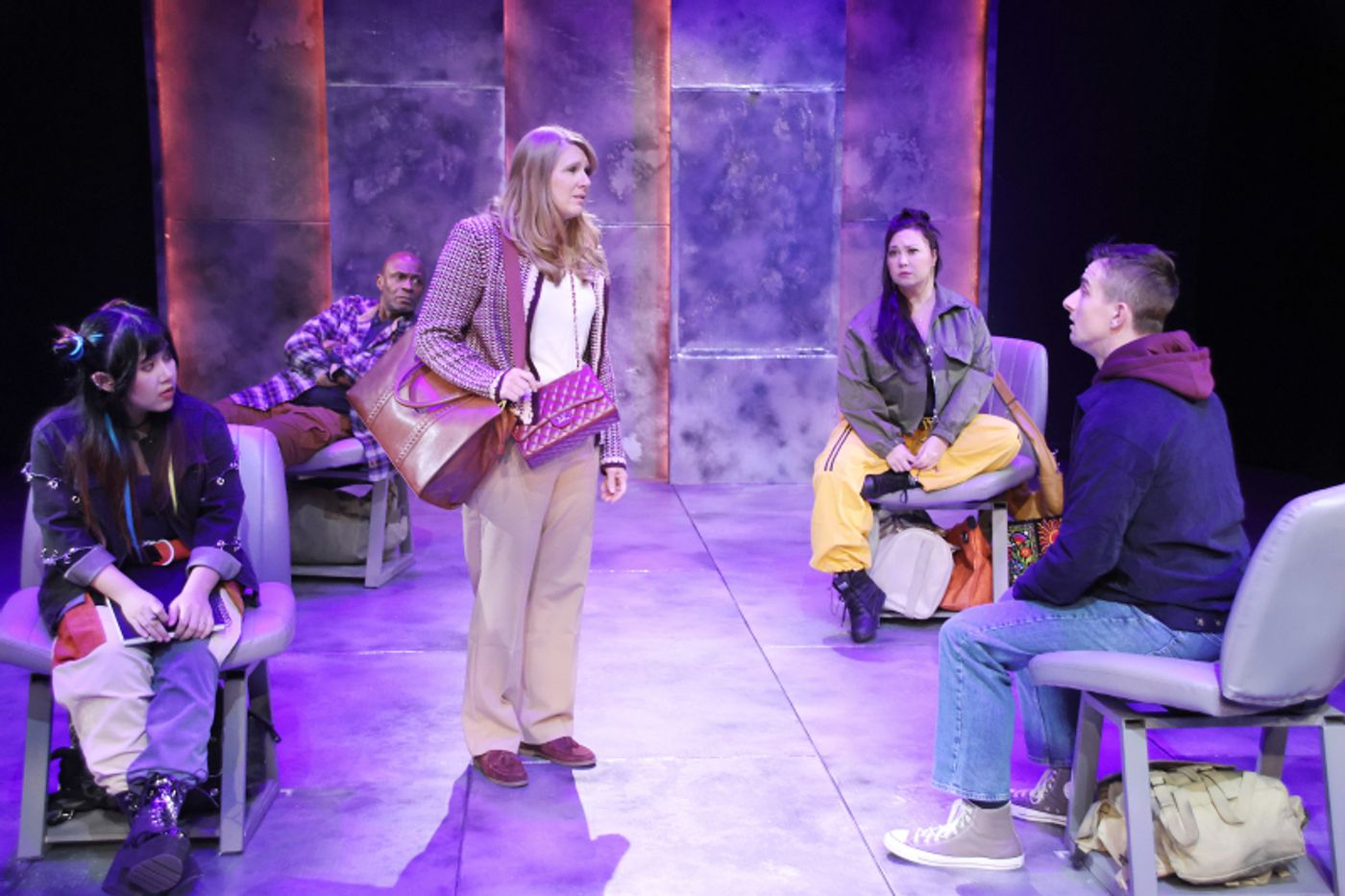
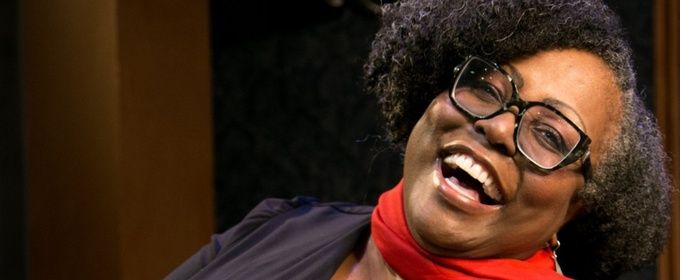
Photo by Pin Lim Photography
What drew you to being part of The Coast Starlight at Main Street Theater?
Main Street Theater consistently produces work that trusts the audience’s intelligence. This play offered emotional depth without spectacle—and that’s where the real acting lives.
What first stood out to you about Keith Bunin’s writing in this play?
The restraint. He writes people, not messages. The dialogue feels lived-in, like conversations that existed long before the curtain went up.
Who is your character, and what was your entry point into understanding them?
I play Noah. My entry point was recognizing that he’s already lived through the consequences of the choices others are still considering. He’s not preaching—he’s surviving.
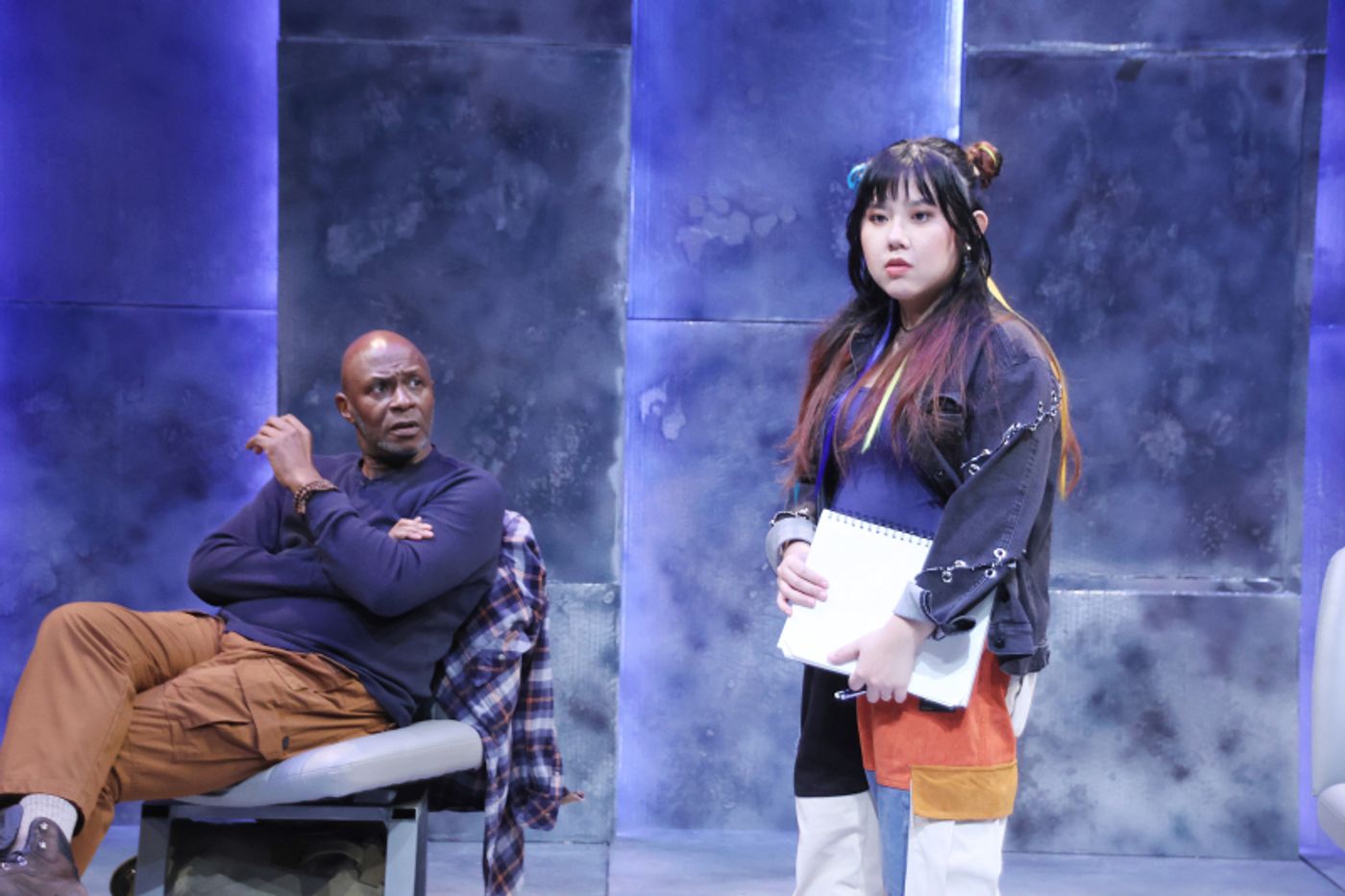
Photo by Pin Lim Photography
What challenges did you face in bringing this character to life?
Resisting the urge to explain him. Noah works best when you trust silence and let the audience connect the dots.
Are there moments in the show that feel especially meaningful to perform?
Yes—when the play slows down and simply lets people sit with each other. Those moments are deceptively quiet and emotionally loaded.
How does performing at Main Street Theater influence your approach to this role?
The intimacy of the space demands honesty. There’s nowhere to hide here, which sharpens every choice.
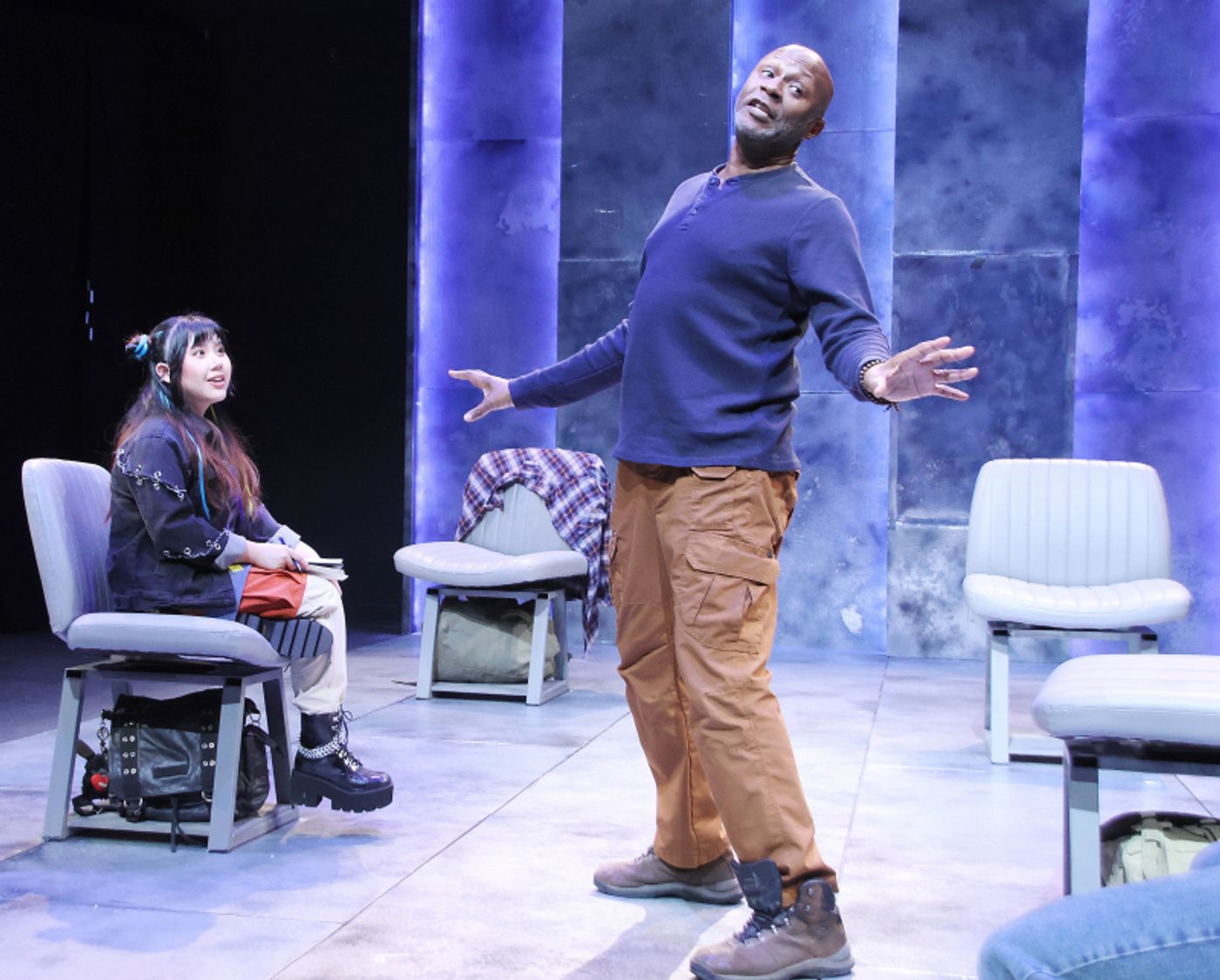
Photo by Pin Lim Photography
What do you hope audiences take away from The Coast Starlight?
A sense of recognition—that moment when you realize someone else has stood exactly where you’re standing now.
How does this role differ from others you’ve played?
Noah isn’t trying to be seen. He’s trying to stay upright. That changes everything.
What keeps you excited about returning to the stage for projects like this?
Plays like this remind me why theatre still matters: it happens live, between people, without filters.
Why is this play important for audiences right now?
It speaks to displacement, moral injury, and the cost of running from yourself—ideas that feel very current without being topical.
What should people know before attending this production?
This is not a flashy night at the theater. It’s an honest one. If you lean in, the play meets you there.
Photo by Pin Lim Photography
|
Company Pasadena Little Theatre (8/14-8/30) |
|
Richard O'Brien's THE ROCKY HORROR SHOW Art Factory (10/16-10/31) |
|
Disney's The Little Mermaid Theatre Under The Stars (12/08-12/24) |
|
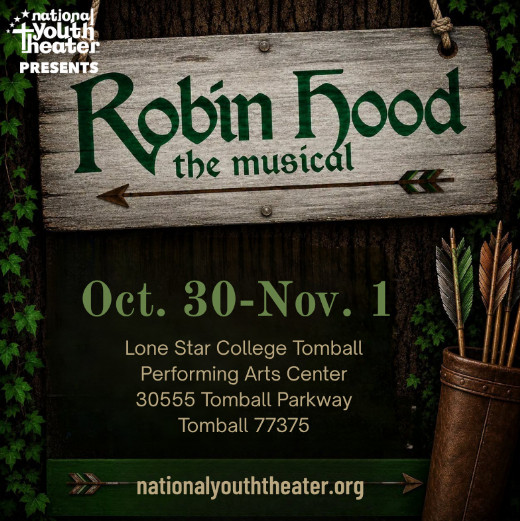
Robin Hood the Musical National Youth Theater (10/30-11/01) |
|
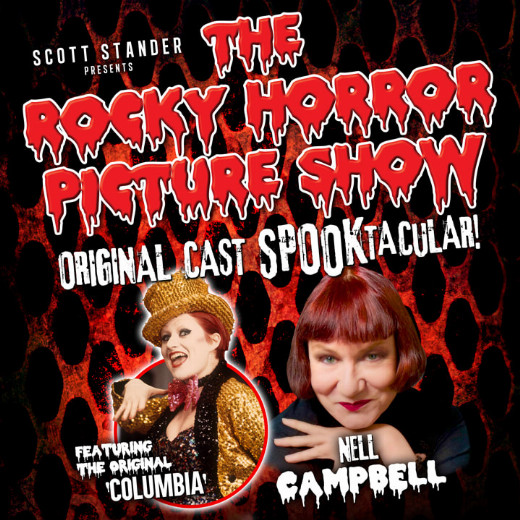
The Rocky Horror Picture Show Spooktacular Tour with Nell Campbell House of Blues (10/23-10/23) |
|
An Old-Fashioned Family Murder Theatre Southwest (9/11-10/03) |
|
AC/DC NRG Stadium (8/31-8/31) |
|
The 25th Annual Putnam County Spelling Bee Theatre Southwest (1/02-1/23) |
|
Cleopatra Midtown Arts (10/03-10/03) |
|
American Son by Christopher Demos-Brown Theatre Suburbia (6/04-7/03) |