Tony Hirst Discusses Authenticity in PUNCH at the West End
‘We're confident now that our aim is true, and this beautifully crafted play works on many levels.’
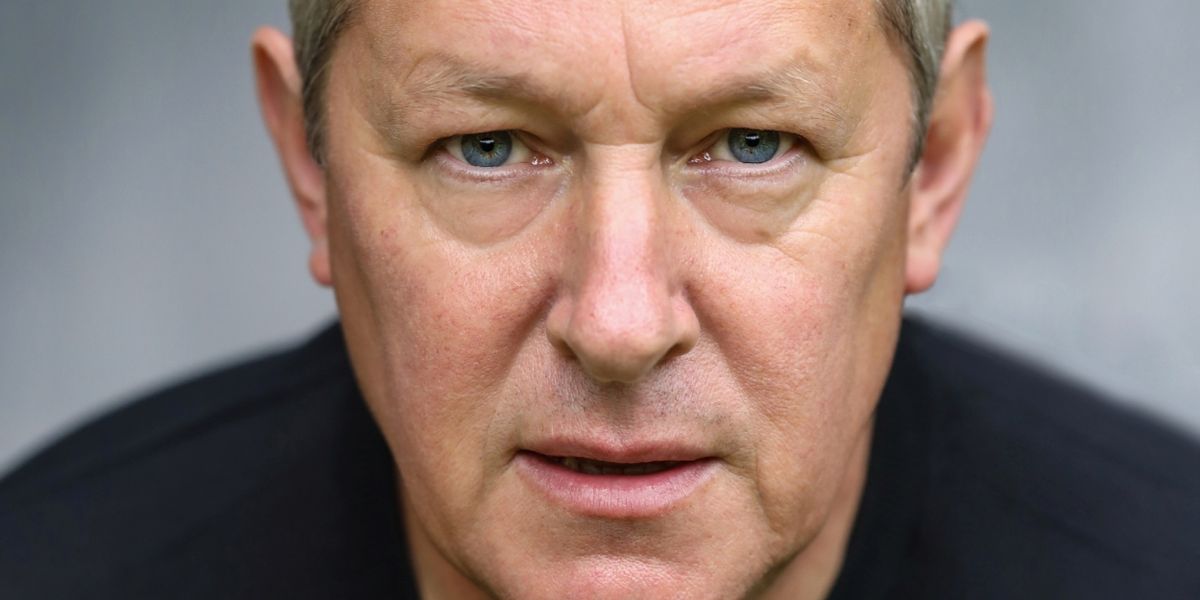
After runs at the Nottingham Playhouse and the Young Vic, Punch arrives at the Apollo Theatre in the West End next month. The play, written by James Graham and directed by Adam Penford, tells the true story of Jacob Dunne, a teenager who killed a stranger, James Hodgkinson, with one punch during a night out with friends. After being released from prison, Jacob begins a correspondence with the parents of the young man he killed, setting all three of them on a journey that will change their lives.
Recently, we had the chance to talk with Tony Hirst, who plays David, the father of James. We discussed what it has been like to take on the role of someone in real life, how it feels for Hirst to be working with one of his favourite playwrights and the unexpected audience reactions the play has had over its multiple runs.
What made you want to be a part of Punch?
Well, primarily, I wanted to work with James Graham. He is one of our greatest contemporary playwrights, and I'd never worked with him. I had heard the podcast of Jacob Dunne, Right From Wrong, so I knew the story, but mainly, it was James Graham.
And then I met Adam Penford, the director, who I thought was great - simple, no nonsense, passionate, clear, generous, funny, naughty. And James is obviously a very busy man, so he's spinning plates - or spinning pens! So in the rehearsal process, the script wasn't complete, and James, for someone who works in such detail and is fastidious about his research and the authenticity of the world that he creates on the page, he's very generous with actors and directors.
So it was a case of getting this thing up and making it work with six actors and essentially just the bare stage and six chairs. It became more elaborate than that, with an amazing design by Anna Fleischler. But he [Graham] gives stage directions where he outlines the setting of the play, but then he says this great thing, “Or something better, if you can think of it.” He was very open in that respect.
We wanted it to work. We knew it was great, but we didn't anticipate the response that it got on that first preview in Nottingham, when the place just exploded. And it wasn't about us being brilliant or marvellous. It was this collective need for a theatre audience to socially share and release that moment. It's something only theatre could do. At the Young Vic, we were thinking, “Is it going to be any different?” And the response is exactly the same. So we're not taking anything for granted when we go into the Apollo, but we're confident now that our aim is true, and this beautifully crafted play works on many levels.
For those who are unfamiliar with Punch, can you tell us a bit about it?
It's the story of Jacob Dunne, who was a young scally lad from the Meadows Estate in Nottingham. Like many young lads of that time [2011], running around with his mates up to no good, having a laugh, drinking, taking various substances when they can. It was very much a fight culture of protecting their own. And one night, he was in the city centre of Nottingham with his mates, and there was an altercation of some sort. James Hodgkinson, his friends and his dad - completely innocent - were just outside the pub after watching England versus India. They weren't from Nottingham. Jacob got word that there was beef from his mates, ran in, punched James, knocked him to the ground and ultimately killed him. He got sentenced - thirty months for manslaughter - and was released.
%20Marc%20Brenner.jpg?format=auto&width=1400)
Photo Credit: Marc Brenner
Joan and David, James's parents, were so frustrated with not being able to access any information of what happened. They reached out as a last resort to this thing called Restorative Justice, run by a charity called Remedi, where they started correspondence with Jacob simply to get answers. The more that process went on, and the more everyone gained from it, the stronger and more robust that relationship became. As a result, Joan and Jacob, to this day, campaign against one punch and all kinds of issues about male violence, masculinity and offending behaviour.
It's what theatre does best. It entertains, it's very funny, it's very naughty. It's very engaging, spectacular in places, heartbreaking in others, simple and honest, but it triggers people in a collective group in a theatre, and the response is something that only theatre can provoke. So to capitalise on that and to have that unity, that rapport and bond with an audience beyond the curtain call, is incredible.
And again, ultimately, someone - James - has lost his life. Parents have lost their son. So the stakes on this are so high. And Jacob Dunne continues to evolve and pursue the work that he believes needs to be done. I always say, if this wasn't a true story, you'd watch it and go, “Yeah, okay, it's a good story,” but the fact that it is true and current and contemporary makes you engage on a level that you wouldn't if it was pure fiction. You have to make sense of how and why people did what they did. And I constantly check myself. What would I do in Joan and David's situation, in Jacob's situation? I honestly don't know.
I was talking to David Hodgkinson,[James Hodgkinson's father] and I asked how he found it, and he said, “I was worried that people would say, ‘Why did you do that as parents?’” I said, “David, I think the majority of people think, ‘How did you do that?’” And he was quite moved by that.
What is it like to be portraying a real person who is able to see your performance?
It's interesting. It makes you realise that it's not about us as actors. There's very little sentiment in the play, partly because of James Graham's brilliance and Adam Penford's eye, but also from us. We don't feel it because we know Jacob, we know Joan, we know David. We have a huge legacy of James - it's never about us. So it's a privilege and a responsibility at the same time.
%20Marc%20Brenner.jpg?format=auto&width=1400)
Photo Credit: Marc Brenner
There is sincerity, but it's also very funny. Joan and David Are very funny. Jacob's very funny. James Graham's very funny. The cast are very funny and naughty, and that's a release as well, a coping mechanism. So in terms of a night out at the theatre, it's not just this harrowing tale of challenge and dramatic tension. It's funny and naughty - it's everything a place should be in that respect. But we continue to work closely with Joan, David, Jacob and Nicola, who ran Remedi, the Restorative Justice campaign, so it's an ongoing thing.
So in terms of playing someone real, it's a responsibility. You just have to make sure that your aim is true and that you're serving their story - it's never about you. The rest is just acting.
And what has it been like to return to Punch after the previous two runs?
It's great. As a cast, there's just six actors, and David plays Jacob throughout, but everyone else plays multiple characters. So the six of us are very close, because it is like spinning plates - if one person drops a plate, then the whole thing falls apart. So we're constantly on and off and serving each other's scenes. We're very close, and we've researched and created this amongst us. We've devised it in terms of how the mechanics of the play work and the tone of the play in rehearsals, so it's very precious to us. But the main driver is working with these people. We take the responsibility very seriously of portraying the story and the people involved with as much authenticity and dignity as possible.
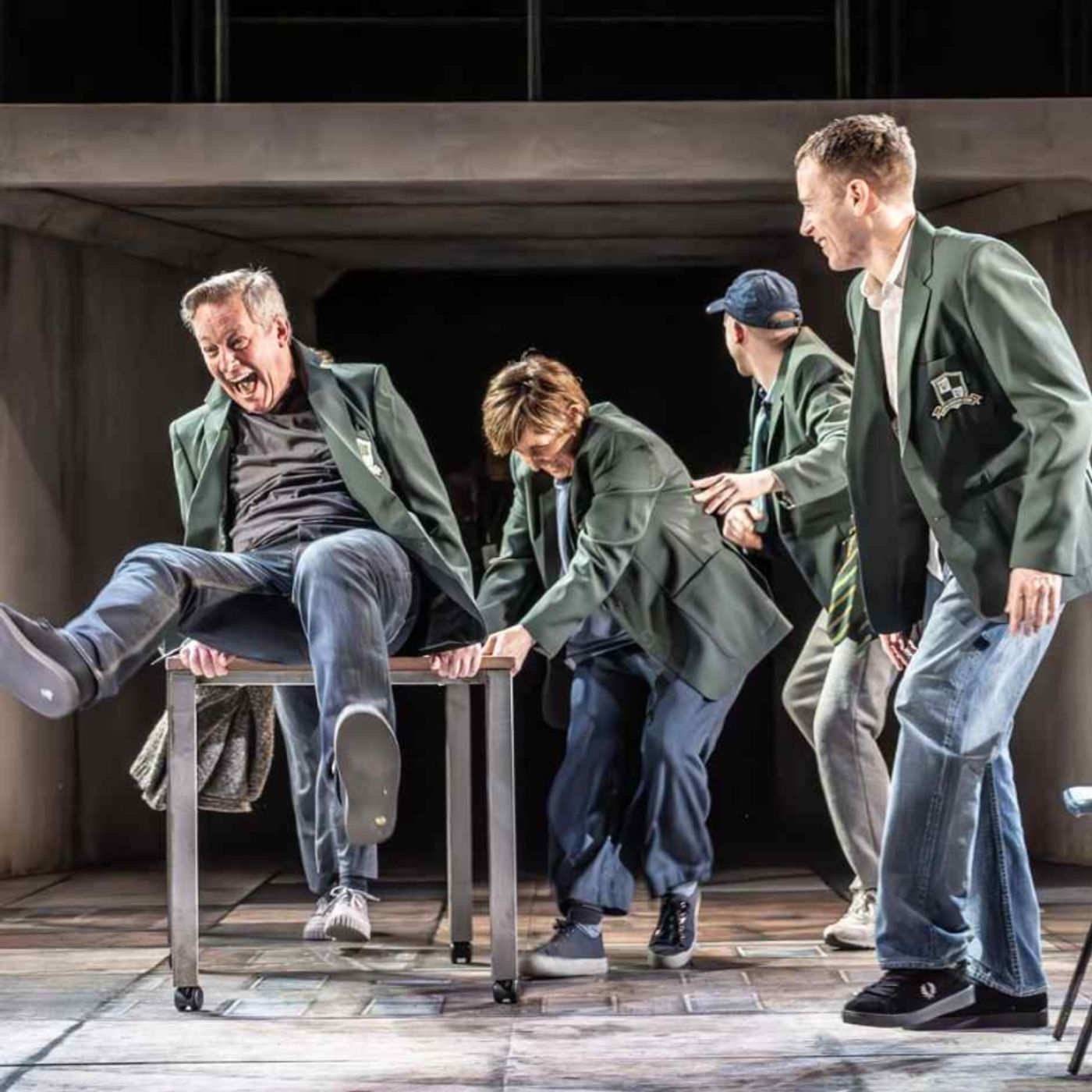
Photo Credit: Marc Brenner
What is it like to be taking on multiple roles within the show?
Great! That's often been my shtick in the past, but it doesn't happen that often now. It's something we used as a piece of theatre. It's a classic piece of small-scale touring that actors do day in, day out, especially in the 70s and 80s. Now, it's a little bit more polished, so you don't see it as much, but it's very raw and authentic. Go and watch Shakespeare - it happens all the time! So in that respect, I really enjoy it. Except for the costume changes, of which I have 25!
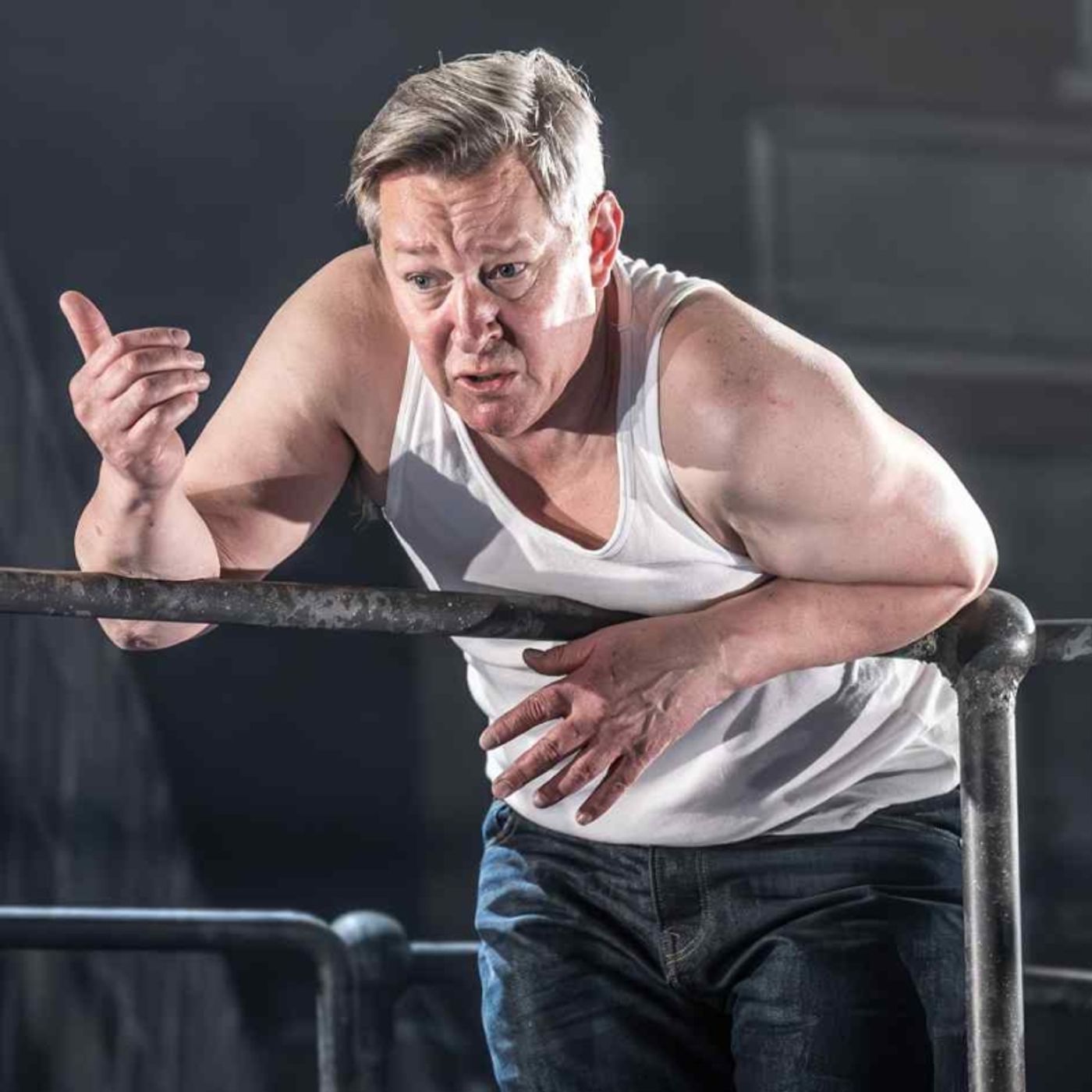
Photo Credit: Marc Brenner
And, given that so much of the play is about class, there's six working-class actors with Midland or Northern voices. That's a rare thing in our theatre these days. It's not a bunch of privileged public school boys and girls telling tales of working-class life and values. We know that our aim is true and authentic in that respect as well, which is really refreshing and exciting going into the West End.
What do you hope audiences take away from Punch?
First and foremost, I hope they have a really good night out at the theatre. And on top of that, I hope they listen to their own reactions and dig and try and make sense of things that might catch you off guard. But right now, especially in the world that we're living in, the quest for forgiveness, compassion and understanding has never been more needed. If they go out with a question mark about all of those things, that would be a positive force in the world.
Punch runs from 22 September - 29 November at the Apollo Theatre
Production Photo Credits: Marc Brenner