


Interview: Theatre Life with Jonathan Rockefeller
The writer/director of Sesame Street the Musical on what makes his stage creation different from other stage productions of the classic TV show and more.
.gif)
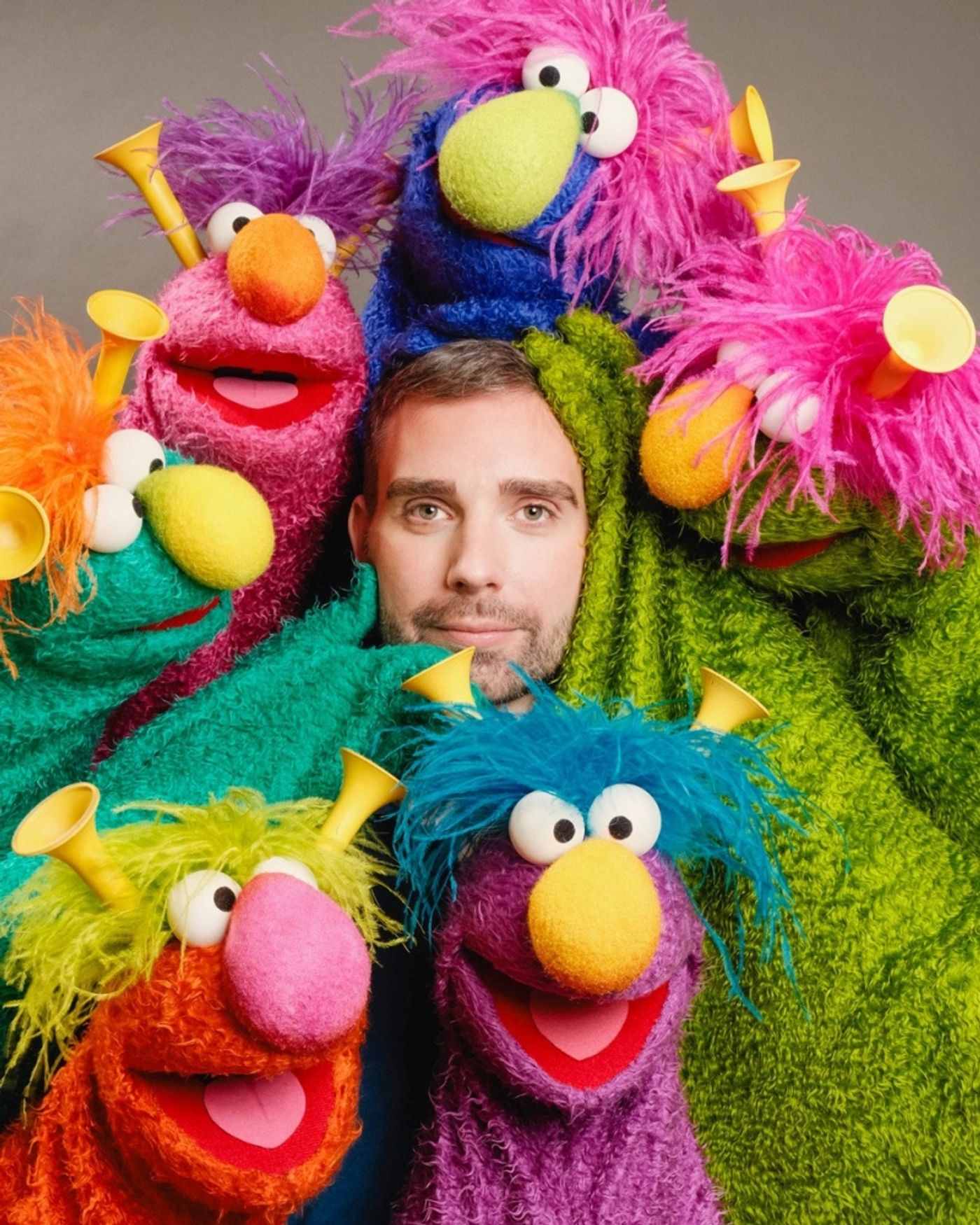
Today’s subject Jonathan Rockefeller is currently living his theatre life bringing “Suuuuny days” to Kennedy Center’s Terrace Theater as the book writer and director for Sesame Street the Musical. The shows will continue its DC residency through August 31st.
Jonathan is the winner of Best Documentary at the AMA Awards, two New York Times Critics’ Picks, three Drama Desk and OBA nominations and multiple Broadway World Awards. Honors include Best New Musical or Play, Best Play, Best Direction, Best New Book, and Best Theatre for Young Audiences.
His company Rockefeller Studios has received global acclaim for their adaptations of Disney’s Winnie the Pooh, Sesame Street the Musical, Paddington, The Eric Carle Story Show and The Very Hungry Caterpillar Show. Its shows run simultaneously across 14 countries, captivating millions from New York to Tokyo, London to Sydney.
Let’s face it, nowadays a lot of what is on television for kids would never have been considered acceptable viewing when Sesame Street first aired. Sesame Street the Musical brings to the stage what we all remember growing up on. You know, when Joe Raposo and Jeff Moss’ songs were gleefully stuck in our heads and Jim Henson’s Muppets felt like your real friends for an hour each day. Thanks to the mastermind of Jonathan Rockefeller and his company Rockefeller Studios, you can now experience all of that LIVE!!
Grab your “Rubber Duckie” and get out of DC’s heat by purchasing some tickets to Sesame Street the Musical at Kennedy Center. It doesn’t matter if you are an aging fan like me, or a younger viewer who recently discovered Sesame Street on TV, Sesame Street the Musical is for everyone.
Jonathan Rockefeller is truly living his theatre life to the fullest so make it only about the art and “Sing, sing a song” at Kennedy Center through the end of August.
At what age did you get interested in the arts?
I was five years old when I first declared, “I want to be an artist.” It wasn’t a career plan—it was a deeply serious life proclamation, like “I like dinosaurs” or “I’m not eating vegetables anymore.” From that point onward, I was drawing, painting, and building entire universes out of cardboard.
By the time I was fifteen, I had graduated to commandeering a camcorder and wanted nothing more than to direct and make films, casting friends and family in projects whether they liked it or not. Theatre wasn’t even on my radar then—I thought of myself as a filmmaker through and through. In fact, I often say I fell into theatre entirely by accident. But as far as side quests go, it’s been a very rewarding one so far.
Where did you receive your training?
I studied directing and producing at the Victorian College of the Arts Film School in Melbourne. But I think the real training never stops—especially when you’re in a field where half your job is asking, “What if we tried something no one’s ever done before?” I’ve always believed you learn by doing… and failing… and then doing it again with fewer pyrotechnics.
Also—let’s be honest—no one teaches you how to direct puppets. There’s no secret handshake, no Hogwarts letter, or invitation from Henson. It’s a craft you absorb by osmosis, trial and error, and knowledge that’s built up over time. Over the years, I’ve had the privilege of working with some extraordinary puppeteers—Tyler Bunch, to name one—who are walking masterclasses in character and movement. Hang around people like that long enough, and they rub off on you. In all artistic pursuits, you’re never really finished learning. You’re always experimenting, learning, and training.

Photo courtesy of the artist.
What was your first professional arts job?
My first real job in the arts was as Baz Luhrmann’s assistant. As a teenager, I was completely captivated by his work—still am—as well as the genius of his longtime creative partner (and wife), Catherine Martin.
Naturally, I decided that being Baz’s assistant was the job I needed to have. Small obstacle: Baz didn’t know that. So I took matters into my own hands and sent him handmade pop-up books—yes, actual pop-up books—along with my directing showreel, explaining who I was and why he needed an apprentice. After all, every great artist in history had one… wasn’t it time he did too?
To really seal the deal, I sat on the curb outside Bazmark (his production company) with a cardboard sign that read: Bazmark or Bust. In hindsight, it was naïve—but undeniably effective.
When Baz took me on, I learned more in those few years about the industry than any formal training could have taught me. It was part fever dream, part film school, and gloriously orchestrated chaos. Baz and Catherine are great believers in the boundlessness of creativity, and that every idea—no matter how improbable—is worth at least one flamboyant attempt.
How long was the process from initial idea to first performance of Sesame Street the Musical?
The folks at Sesame Workshop had seen our production of The Very Hungry Caterpillar, and we began tossing around the idea: “What if the real Muppets from Sesame Street were in a proper musical on stage?”
For five years, it remained exactly that—a pie-in-the-sky idea that never quite landed. But then, in early 2022, a tiny window opened—and we collectively sprinted through it.
There was a catch: we only had six months to write, compose, record, design, build, rehearse, and open the show. Logistically insane. Artistically irresistible. Because the chance to bring the actual Muppets to the stage was too historic to pass up.
So we returned to the original question: "What would a Sesame Street musical look like on stage?"
It couldn’t lean on nostalgia alone. Today’s audience has a different relationship with the show—a different cast of favorites. But the core idea was gloriously simple: let the Muppets themselves put on the show. Literally. And yes, Elmo delivers a full-body, show-stopping dance number. Obviously.
The script was stuffed (carefully) with as many beloved characters as possible—from classics like Oscar the Grouch, Cookie Monster, and Grover, to newer friends like Abby Cadabby, Rosita, and Gabrielle—so that every generation in the audience saw their Sesame Street.
Music has always been the heart of Sesame Street. Songs like “Rubber Duckie,” “C is for Cookie,” and “I Love Trash” weren’t just catchy tunes—they’re core memories disguised as bangers. To honor that legacy, we blended fifteen beloved classics with new songs from Broadway composers Helen Park, Tom Kitt, and Nate Edmondson, crafting a score that felt both timeless and brand new.
None of us slept for about four months. But hey—what’s a little insomnia when you have the opportunity to make Muppet magic?
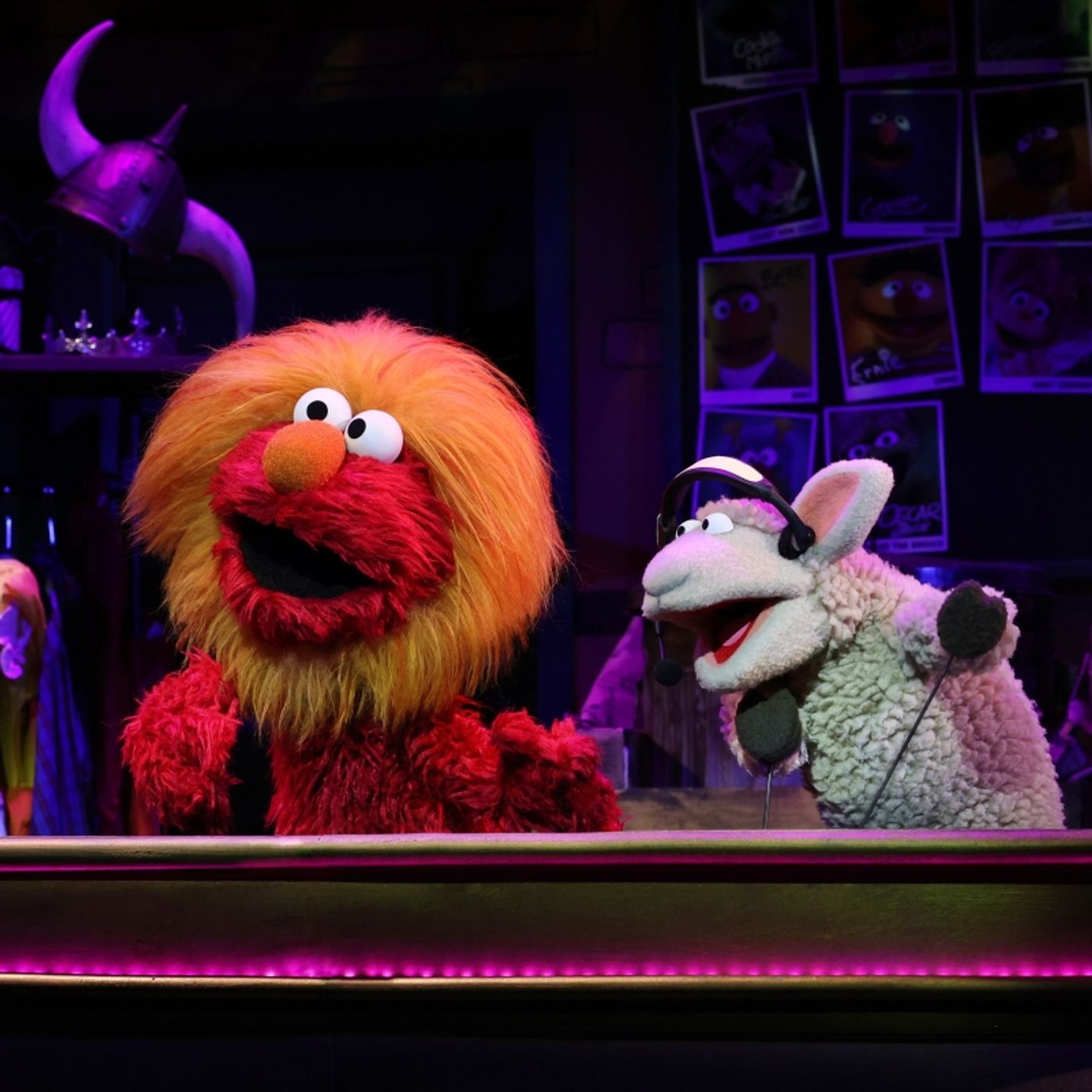
Photo courtesy of the production.
Sesame Street has had several stage shows produced over the years. Can you please tell us what makes Sesame Street the Musical different from the other productions?
Sesame Street has had a lot of live shows over the years, like Sesame Street Live, which has been around for decades. They’re fun, entertaining, dance-heavy costume parades—kind of like the Muppet version of Coachella for toddlers.
But this isn’t a show about Sesame Street—this is Sesame Street. The real deal. The actual Muppets. The same ones you watch on TV. The same voices, the same characters, the same fuzzy chaos. They’re not playing parts—they’re being themselves. And they’re putting on a show the only way they know how: with joy, music, a touch of anarchy, and Cookie Monster constantly trying to eat the set.
Was Sesame Workshop or any of the TV cast (Muppet voice performers etc.) involved in the creation of the show?
Absolutely! This show is a true partnership with Sesame Workshop, who’ve been involved from day one. We pre-recorded vocal sections that couldn’t be replicated live. Every Muppet voice you hear on stage is performed by the incredible talent behind the TV series. We crisscrossed the country recording with the cast—Matt Vogel, Ryan Dillon, Eric Jacobson, Leslie Carrara-Rudolph, Peter Linz, David Rudman, Carmen Osbahr, Martin Robinson, and Megan Piphus—often catching them in rare gaps between filming Muppet Mayhem and other Sesame projects.
They were an absolute joy—brilliant, generous collaborators with an unparalleled understanding of their characters and the heart of the show. We spent hours riffing lines and recording material—so much good stuff that we sadly had to leave on the cutting room floor simply due to time.
We also explored the possibility of having the TV cast perform live during our original New York run, but scheduling and logistics proved too tricky. That said, their fingerprints are all over this production. The voices, the rhythms, the spirit—it all comes directly from the people who bring Sesame Street to life. If it sounds like Sesame Street, that’s because it is Sesame Street.
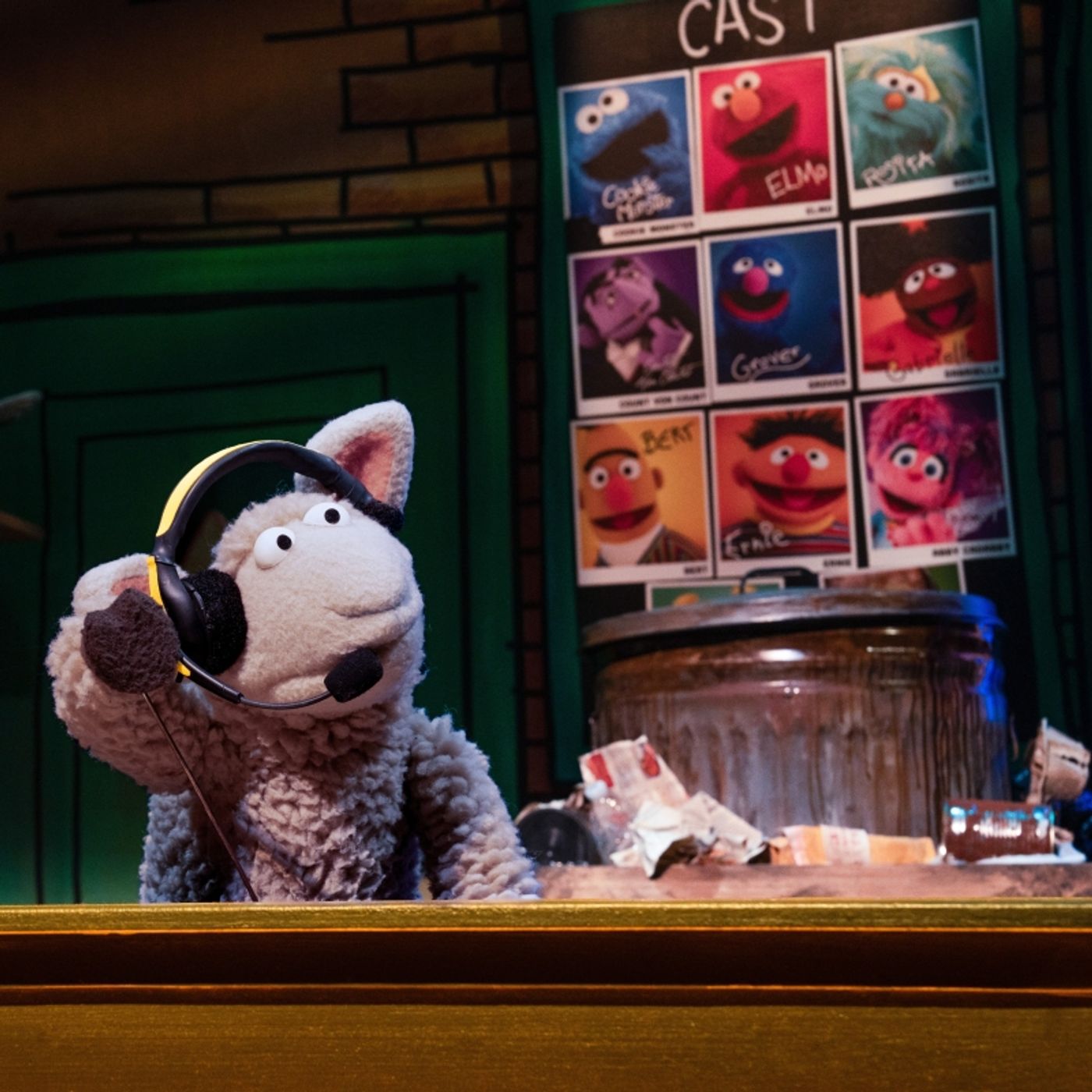
Photo courtesy of the production.
Along those same lines, did Sesame Workshop have final approval over the show’s content?
Yes—and rightfully so. Sesame Workshop has an extraordinary understanding of both its characters and its curriculum. This show isn’t just about nostalgia; it’s about intention. Their priority was that the Muppets appear in ways that make sense—honoring their voices, values, and educational mission—not just showing up for the sake of fan service.
But they were also incredibly respectful of our vision—and our understanding of what works live on stage, which is often a very different beast than television. This show isn’t merely a sing-along (though we dare you not to hum). It’s peppered with theatrical in-jokes and loving nods to the backstage madness of putting on a production.
But more than anything, it’s packed with Sesame Street’s signature joyful irreverence. Where else are you going to see Martians attempting light cues, Honkers honking cues, dancing sheep managing props, six-foot-tall booty-shaking disco monsters, dancing cookies, the pinball numbers song brought to life in full psychedelic glory, Grover juggling too many jobs behind the scenes, Bert and Ernie in peak chaotic domestic form, and Oscar the Grouch moonlighting as a theatre critic—live-reviewing the show from his trash can desk?
(Spoiler: He hated it. Five rotten tomatoes.)
There were far more ideas than could ever fit into a single show, but what made it to the stage is quintessential Sesame Street.
Your company Rockefeller Studios has produced such stage versions of Winnie the Pooh and The Very Hungry Caterpillar Show all over the world. Do you feel the popularity of these shows is partially based on the need for quality family theatrical productions?
There’s a weird myth in theatre that kids’ shows should be cheap, loud, and covered in glitter. But young audiences are often the most perceptive, emotionally attuned, and honest (often unfiltered) viewers you’ll ever meet. Talk down to them, and they’ll see right through it—and go back to watching Bluey, which is written with more nuance than half the adult dramas out there.
When I first adapted The Very Hungry Caterpillar, plenty of industry insiders told me, “It’s just a picture book—it’ll last five weeks, tops.” And yet… almost twelve years later, the show is still crawling along, with productions running in over 15 countries, and it remains one of the most revived Off-Broadway shows of all time.
The secret? We build our productions with the same level of artistry, design, storytelling and quality you’d expect from the West End or Broadway. Because that’s what children deserve: their first theatre experience should feel like stepping into magic—not like being shouted at by someone in a sweaty foam costume.
And let’s be clear—children aren’t just an audience. They’re the next audience. They’re the future of theatre itself. So anyone who belittles children’s theatre is shooting themselves in the foot. It’s an audience that should be treated with respect and nurtured.
Who is your favorite character from Sesame Street?
Growing up, it was always Ernie. Maybe it still is. He’s playful, mischievous, and blissfully unbothered by Bert’s uptight energy—a true life goal. But working on this show, I’ve developed a deep appreciation for Oscar the Grouch. In our musical, he moonlights as a theatre critic for The New Yuck Times, delivering sour reviews mid-performance and booing the cast from his trash can desk.
We also sprinkled in plenty of fan-favorite cameos for the Sesame superfans: the Honkers, the Yip-Yips, even the Two-Headed Monster—who now permanently reside as the comedy and tragedy masks perched above the proscenium arch. It’s Sesame Street meets Easter egg hunt.
After almost 56 years, why do you think Sesame Street still endures with its audiences?
Because it never talked down to kids. It never had to. Sesame Street welcomed children into a world that was zany, musical, diverse, weird, and joyfully chaotic. It made room for silliness and sincerity to exist side by side—where a grouch could teach empathy, a monster could teach the alphabet, and a rubber duckie could somehow make you emotional.
It was a revolution. It brought education to television. It reflected the world outside and embraced inclusion long before that became a buzzword. And it taught us—quite literally—that monsters can be our friends.
The real magic lies in its balance. The danger is when we take messages too righteously, strip away the humor, or police the language to the point that we lose the surprise, the spark, the strangeness. Sesame Street never shied away from new perspectives and ideas—it invited kids to think, feel, and laugh all at once. That’s what made it special.
Decades later, the songs still slap. The jokes still land. And let’s be honest—it remains one of the few shows parents and kids can genuinely enjoy together, without one of them reaching for a glass of wine by episode two.
The world could use a little more kindness—and just a dash of furry, joyful chaos. That’s why Sesame Street still matters. And always will.
Special thanks to Kennedy Center's Vice President of Public Relations Office of the President Roma Daravi for her assistance in coordinating this interview.
Theatre Life logo designed by Kevin Laughon.
|
GARBO: EL ACTOR QUE SAVÓ AL MUNDO (Garbo: The Actor Who Saved The World) GALA Hispanic Theatre (9/03-9/27) |

|
Coming to America: An Immigrant Cabaret ExPats Theatre (9/30-10/18) |
|
Stonewall's Bust The Writers Center (10/09-10/25) |

|
7th Street Echo Mosaic Theater Company (3/25-4/18) |
|
Come From Away Ford's Theatre (9/10-10/18) |
|
Keyboard Conversations® with Jeffrey Siegel: Glorious Musical Jewels – Beethoven and Schubert Center for the Arts (10/11-10/11) |

|
Rockville Musical Theatre presents "Caroline, or Change" F. Scott Fitzgerald Theatre (10/31-11/15) |
|
Measure for Measure Folger Shakespeare Library (9/22-11/01) |

|
Somewhere over the Border Mosaic Theater Company (9/10-10/04) |
|
Philadelphia Ballet Stars and Stripes Forever! Wolf Trap (9/10-9/10) |