


Review: POWERFUL 'DANCING AT LUGHNASA' at The Players
Providence theatre troupe brings Friel classic to life.
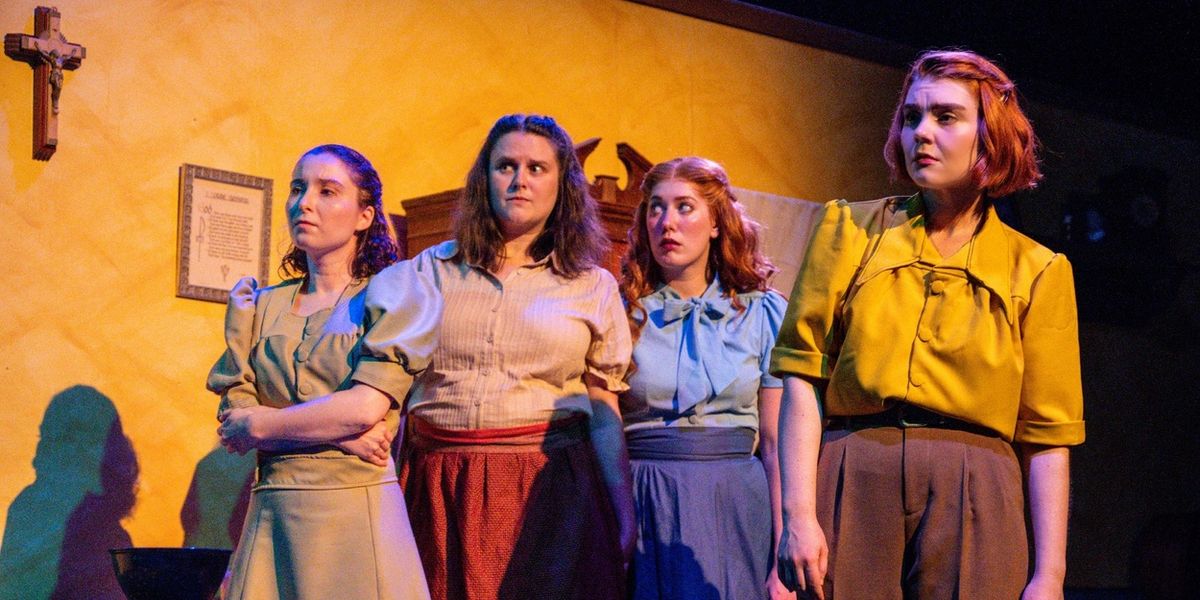
A country in political turmoil, a new technology upending traditional life, and women struggling to define themselves within a repressive system. Brian Friel's Dancing at Lughnasa, set in 1930s Ireland, may take place nearly a century ago, but its concerns are unsettlingly familiar. In this understated production at The Players, the story unfolds with quiet sincerity and an undercurrent of grit.
Winner of the 1992 Tony Award for Best Play, Dancing at Lughnasa is a memory piece set in 1936, as the world teeters on the brink of upheaval. It tells the story of the five Mundy sisters--unmarried, fiercely bonded, and struggling to make ends meet--living a hardscrabble life in a small Donegal town. Over the course of a fraught summer, their missionary brother Jack returns from Africa with malaria and disturbing new ideas, an old flame comes to call, a “wireless set” invites ecstatic dancing, and the approaching harvest festival of Lughnasa hints at the pagan rituals lingering beneath a thin shell of Catholicism. Friel layers memory, belief, and encroaching modernity into a delicate web, one that relies on the ensemble’s vitality to animate its nuances.
At the center of this production is Julia Curtain as Maggie, whose warmth and sly humor provide the evening’s most vivid spark. It's a standout performance. Her sisters convey the strain of holding a household together under difficult circumstances: Keagan Murphy’s tightly controlled Kate seeks to maintain order as a schoolteacher under pressure; Emma Dunlop brings a fragile tenderness to Rose, whose limitations leave her vulnerable; Sarah Quintiliani offers a stoic Agnes, protective yet withdrawn; and Eva Murray lends quiet thoughtfulness to Chris, mother to the boy who serves as narrator.
The men in this story, who in Friel’s design serve as disruptive forces, never quite match the strong performances of the sisters. Stephen Grigelevich gives Michael’s narration a genial nostalgia, though it sometimes blunts the dramatic tension. Dan Picker’s Gerry is suitably brash, but his energy can tip into caricature. And JP Cottam’s Father Jack, meant to embody both devotion and disorientation, struggles to convey the full complexity of a man caught between faiths. These are rich characters whose relationships with the sisters should deepen the play’s conflicts, but here the unevenness kept that dynamic from fully developing.
The choices made by director Thomas Martin are also uneven. He deserves credit for shaping the frame narrative effectively; the actors’ interactions with the unseen child Michael nicely underscore the interplay of past and present. But pacing lags; the sisters spend long stretches seated at the kitchen table, absent the steady domestic tasks that Friel indicates in his script. Without the incessant tactile rhythm of glove-making and household chores, scenes too often settled into stasis, dragging down the moments when the women fling everything aside for wild, liberating dance.
The set, by Meghna Varaganti, is sparse and functional. One might have wished for the radio — such a catalyst for the action — to occupy a more central, visible spot. Costumes by Liv Hill are generally apt, though Gerry’s top-hat-and-cane ensemble seems excessive for 1936, and Father Jack’s modern-looking glasses feel like an anachronism. The bursts of dance were appealingly staged by Eva Murray and Vanessa Sciolto, and sound and lighting (Andy Zukoski, Amelia Holton) supported the action with unobtrusive steadiness.
Friel’s Dancing at Lughnasa is one of the great ensemble pieces of contemporary theatre, its mingling of memory and myth offering today's audiences tantalizing hints of recognition. This Players production captures much of that depth, even if occasionally the pacing and performances may dull its edge. Still, this is an opportunity to experience a worthwhile production of a twentieth-century classic in an intimate local setting. One viewing suggestion: dress in sheddable layers — the Barker Playhouse is a charming historic venue, but it can run warm.
Dancing at Lughnasa, directed by Thomas Martin. The Players, 400 Benefit St. Providence. Sept 26-28; Oct 3-5. Fri-Sat 7:30, Sun 2pm. Tickets: $30, available at https://www.playersri.org/.
Photo credit: Erin Malcolm
|
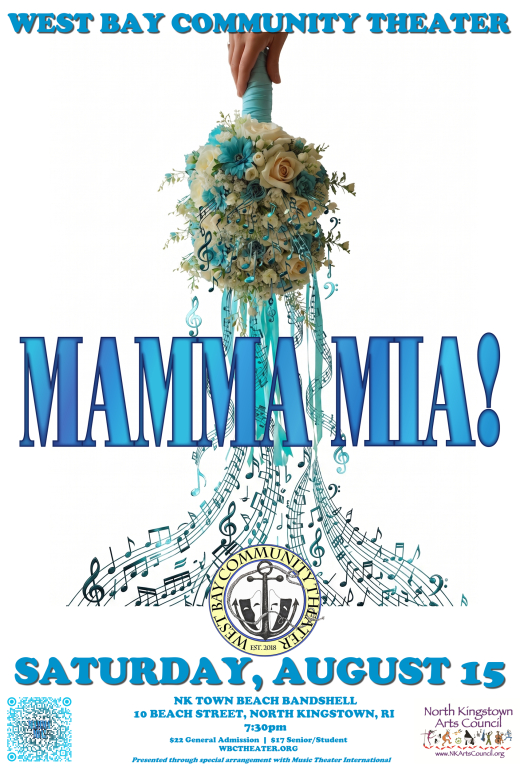
Mamma Mia! - In Concert NK Town Beach Bandshell (8/15-8/15) |

|
The Nutcracker Ballet RI (12/17-12/27) |
|
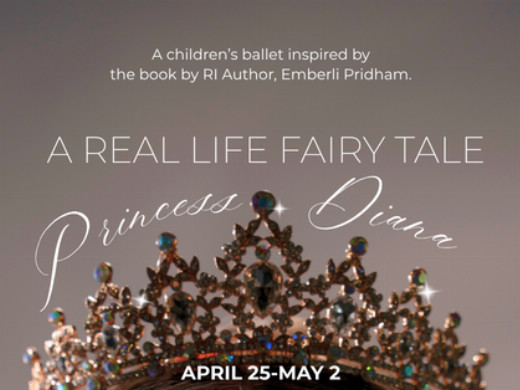
A Real Life Fairy Tale: Princess Diana Ballet RI (4/25-5/02) |

|
Finding Neverland The Little Theater Of Fall River (8/05-8/15) |

|
Little Women The Arctic Playhouse (10/01-10/18) |

|
Love! Valour! Compassion! The Little Theater Of Fall River (6/17-6/27) |

|
Art The Little Theater Of Fall River (8/20-8/30) |

|
Deathtrap The Little Theater Of Fall River (10/15-10/25) |

|
A Christmas Carol The Arctic Playhouse (12/03-12/20) |
|
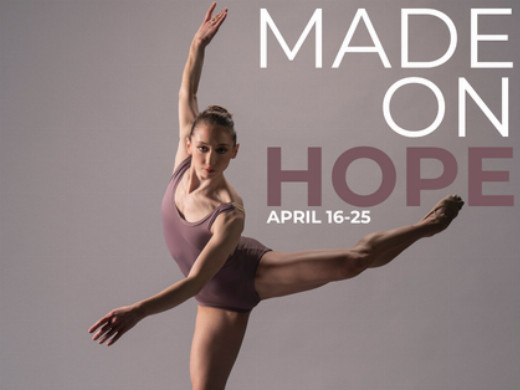
Made On Hope Ballet RI (4/16-4/25) |
Reader Reviews
To post a comment, you must register and login.