


Review: AVENUE Q at Split Stage Is A Hilarious Blast from an Imperfect Past
Split Stage revisits a classic from its early years
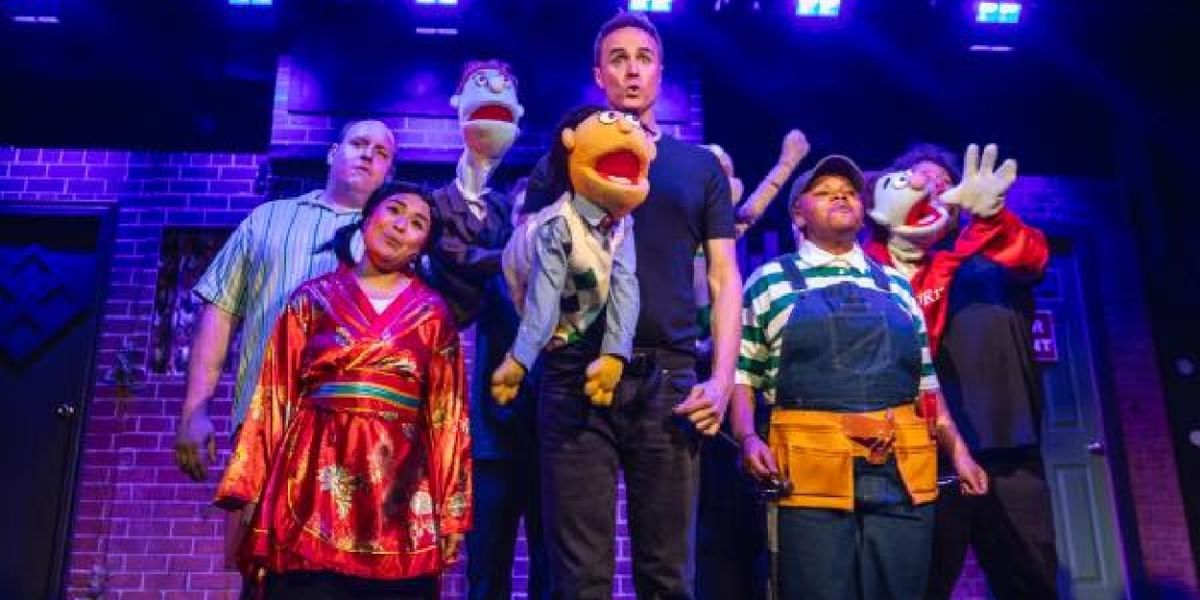
I'm a millennial, and a nerd. Of course I love Avenue Q. It reminds me of seventh through ninth grade, when the nascent internet first started spreading clips of the music from this "raunchy puppet show on Broadway." I remember singing "If You Were Gay" and "I'm Not Wearing Underwear Today" with the same mischievous glee as any SNL or Monty Python routine with friends at school before play or choir practice; we even used to use "The Internet is for Porn" as a bus ride chant in band, subbing in a lovable horndog's name at appropriate times to tease him. Revisiting any comedy from that era, more than twenty years removed, is always going to be a bit of a rude awakening. Luckily, though some of the jokes and social mores are now outdated, Avenue Q has aged remarkably well for what it is. Directed by Rob Jessup and music directed by Christopher McAllister, Split Stage dusts this old chestnut off and makes it feel just as relevant and modern as the internet... almost.
The titular Avenue Q, like Sesame Street, is an inner-city neighborhood where humans, furry monsters and humanoid quasi-Muppets live together in harmony, but unlike Sesame Street, the residents of Avenue Q are very frank about the realities of life in what was more often than not called "the ghetto" at the time of the show's release. Optimistic college graudate Princeton (Michael David Stoddard, reprising his role from the original Split Stage production), a Muppet, moves to the Q since it's the only thing he can afford on his miniscule salary. Over the course of a year, he seeks his purpose in life, chases love with sweet Kate Monster (Sarah Sidorchuk) and lust with porn star Lucy The Slut (Sidorchuk again), and finds a new community with his dysfunctional neighbors.
A large chunk of the show's appeal is the "funraku" puppeteering stye its original production pioneered. A fusion of Jim Henson's Muppeteering with bunraku, the visible human puppeteers act and move in synchronization with their puppets, blending their more expressive body language and faces to the puppet's own physicality. Since the puppet performers all play double roles, this requires them to frequently juggle puppets between themselves and a three-person ensemble (Trenton Antill, Nick Sperandeo, Erin Seaberg), as they continue voicing one or both characters but provide body language and puppeteering for different ones. Within five minutes, you'll adjust to the experience and figure out how to track it all efficiently: the characters and the puppeteers are almost two different shows in the best way.
When this show was announced, my very first thought was, "will they bring back Michael David Stoddard?" Thankfully, they did. A recurring presence at Split Stage in showy and eccentric character roles (most recently the hedonistic but neurotic Stacee Jaxx in Rock of Ages), Stoddard plays naive everyman Princeton with the requisite gentle sweetness. But it's the role of Rod, the tightly-wound gay Republican- a clear parody of Bert- in which Stoddard really gets to flex. Rod is forever on the verge of flying into a snippy fit, or a paroxsym of rage and hysteria, and Stoddard's whole face and body vibrate with that same coiled energy even as the puppet itself shakes and shudders. The physical comedy of watching Rod pointedly bury himself in a book is a gag that I remember nearly brought me to tears in the original production, and it's only gotten better with time. Sarah Sidorchuk plays largely opposite Stoddard in both her roles as Kate and Lucy. Her movement between Kate's high-pitched nerdy sweetness (there are shades of Kate Micucci in her vocal performance) and Lucy's classic breathy, vampy alto is impressive, as nowhere else in the show do performers get such extended time to converse between their two puppet characters. Plus, the extreme height discrepancy between lanky Stoddard and diminuitive Sidorchuk leads to one of the show's funniest bits of prop humor, which I won't spoil now.
Surrounding the core duo are a team of comic actors playing somewhat more two-dimensional but memorable supporting roles. Niyah Russell shines as born-loser Gary Coleman, whose life post child stardom has amounted to one failure after another. Jillian Lovelace's Christmas Eve makes this somewhat dicey character (a social worker whose thick Japanese accent and hot temper has made her unemployable) endearing instead of cringy. Speaking of cringe, as her partner Brian, Jake Grantz has the difficult job of making a character funny whose primary trait is how unfunny he is. Grantz makes the talentless stand-up comedian into a warm, lovable teddy bear of a guy that we want to succeed... even though the bits of his act we see are dire. Rounding things out is Michael Zak, an ebullient performer and puppeteer who gets the show's two best known songs in the supporting roles of Nicky (aka Ernie) and Trekkie Monster (use your imagination).
Eleven years ago, when Split Stage did its first production of Avenue Q, I had the pleasure of playing keyboard 2, and being present for every performance. At the time, the vibe was playfully naughty and transgressive, very "I can't believe we're getting away with this stuff!" The humor was edgy, and the production was full of the requisite mischief and cross-dressing. (To add to the absurdity, there was even cross-racial casting: a white woman as the Asian stereotype Christmas Eve, playing against an Asian woman as the late Black celebrity Gary Coleman.) More than ten years later, the show is still funny, still naughty, but in a way that comes across as a period piece. It's a similar feeling to watching vintage Family Guy, or the episodes of 30 Rock with blackface in them: "man, remember when things were chill enough that people realized we were being ironic? You certainly couldn't do that today." The show's everyone-needs-to-learn-to-take-a-joke philosophy hasn't necessarily aged well in the era of 4chan, Twitter and hyper-divisive politics, but maybe a period piece isn't the worst thing for a comedy to be. It's still uproariously funny, just in a newer and more uneasily nostalgic way. Split Stage is still around, producing a different Avenue Q for a different world. This current political unease, like everything else, "is only for now."
Sign up for all the news on the Fall season, discounts & more...

|
The Dinner Detective Murder Mystery Dinner Show The Dinner Detective Pittsburgh (10/31-10/31) |
|
A Funny Thing Happened on the Way to the Forum The Strand Theater (4/30-5/09) |
|
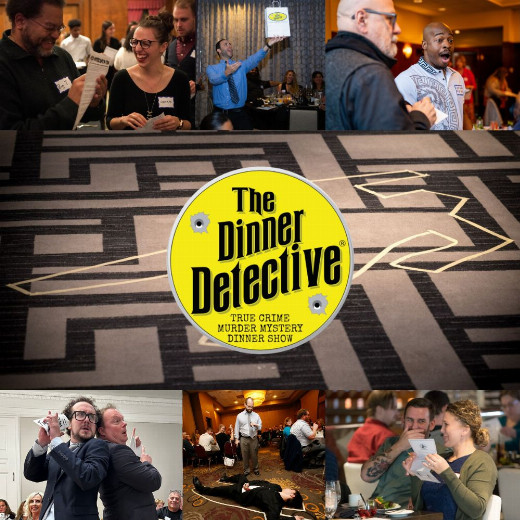
The Dinner Detective Pittsburgh True Crime Murder Mystery Show The Dinner Detective Pittsburgh (11/14-11/14) |
|
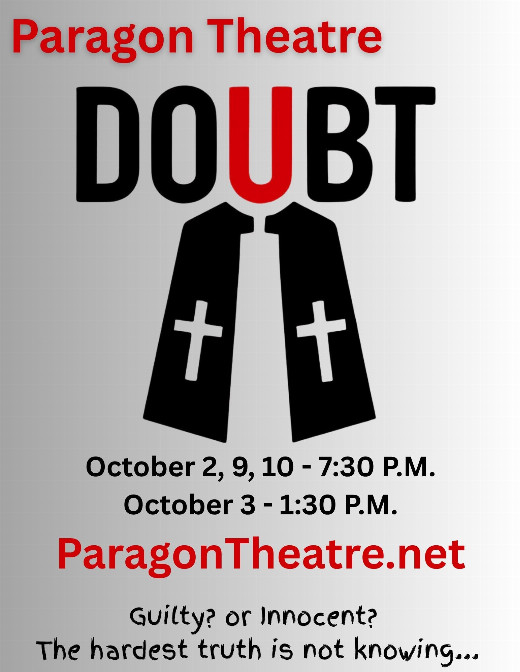
Doubt, A Parable Paragon Theatre (10/02-10/10) |
|
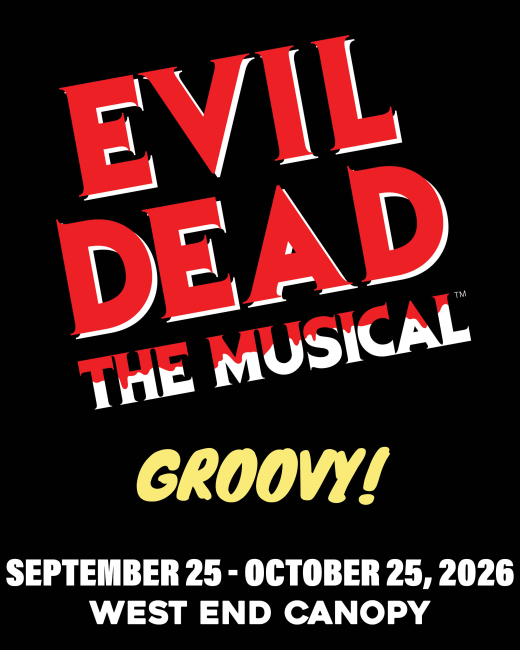
Evil Dead The Musical Pittsburgh Musical Theater (9/25-10/25) |
|
Cosmic Microwave Background New Hazlett Theater (11/19-11/20) |
|
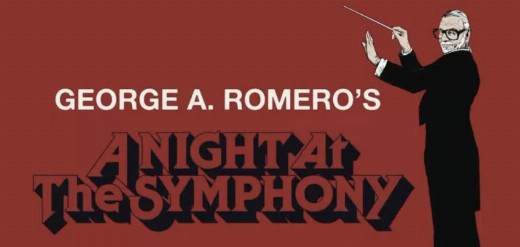
A Night at the Symphony Byham Theater (3/26-3/26) |
|
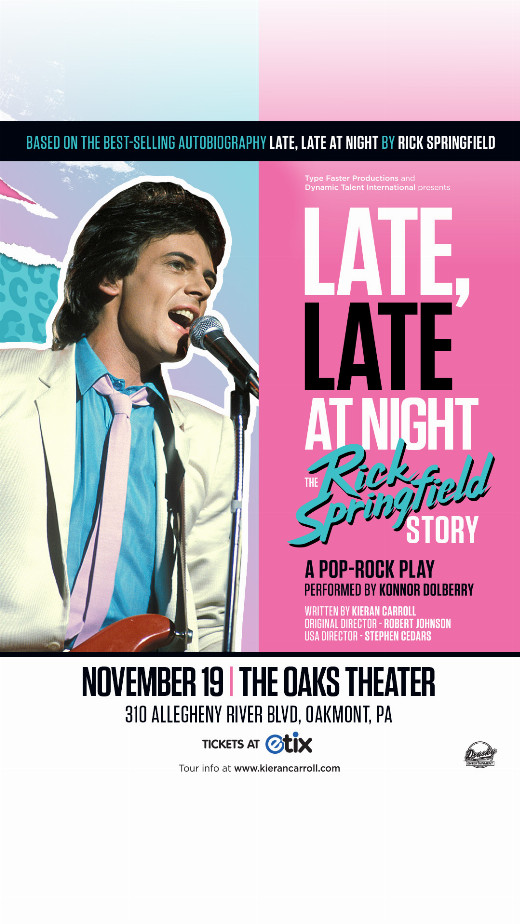
Late, Late At Night (The Rick Springfield Story) The Oaks Theater, Oakmont, PA (11/19-11/19) |
|
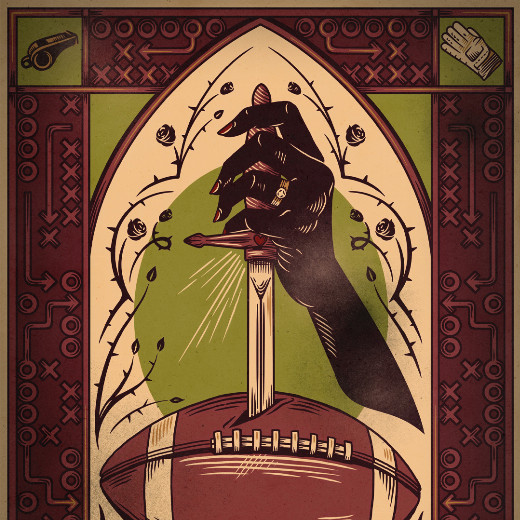
Othello of the End Zone, or The Steel City Tragedy New Hazlett Theater (10/22-10/25) |
|
And A Buoy New Hazlett Theater (11/30-11/30) |

Reader Reviews
To post a comment, you must register and login.