


Interview: Mary Eileen O’Donnell, Ayindé Howell & Willa Fossum of MORE MIRACLES at The Actors' Gang Theater
Expect bickering nuns, traumatized storybook characters, and more in this trio of 30-minute plays, running through Feb. 21
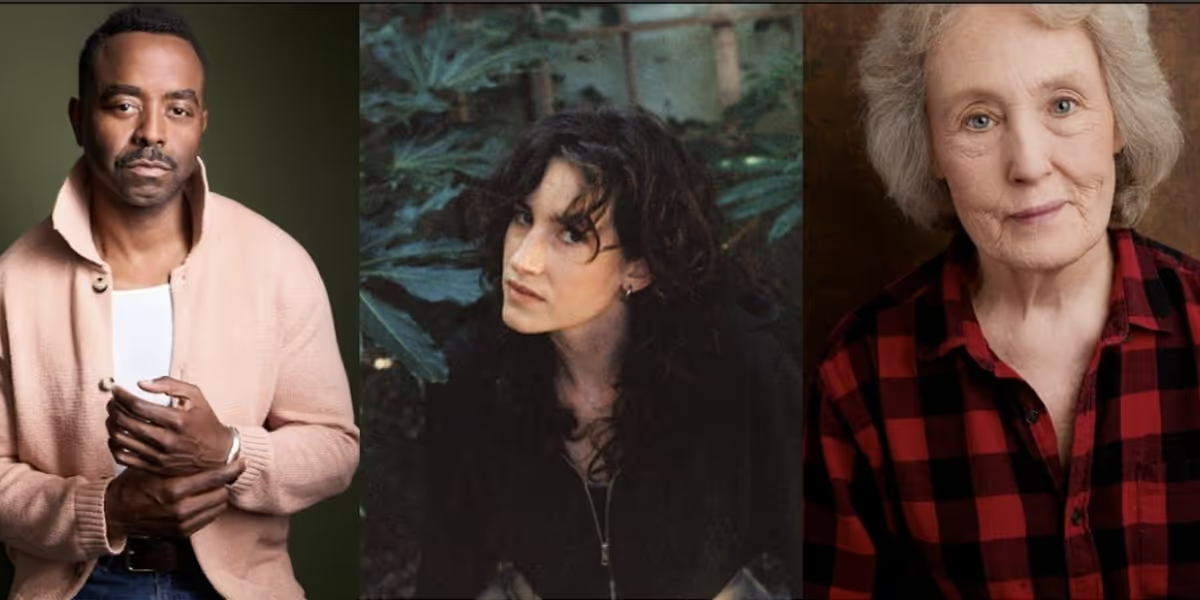
Why see just one play when you can see three in a single night?
The Actors' Gang in Culver City—a troupe best known for its bold reinterpretations of classic works and its robust nonprofit youth theater programs—is presenting a trio of original one-act plays running through February 21.
Titled “More Miracles: Three Original One-Act Plays,” the show features three distinct works (each about 30 minutes long) by three different writers and directors. The stories span from the gleefully absurd to the unexpectedly poignant: In “In Recovery,” written by Mary Eileen O’Donnell and directed by VJ Foster, familiar storybook characters like Little Miss Muffet, Tinkerbell, and Pinocchio unpack their baggage in a modern-day PTSD group therapy session.
Meanwhile, “16 Summers” by Ayindé Howell, directed by Gloria Briseño, is a one-man coming-of-age story about identity, family, and love; and “Nun Fight,” written and directed by Willa Fossum, puts the spotlight on three nuns squabbling over the casket of their late Mother Superior.
“I think these pieces fit together quite nicely as a variety show,” Fossum told BroadwayWorld. “All three pieces, to me, nod to truths about humanity that aren’t attractive. We need to laugh at these truths. It’s good for us.”
The three playwrights shared more with BroadwayWorld about their work and what audiences can expect from the night.
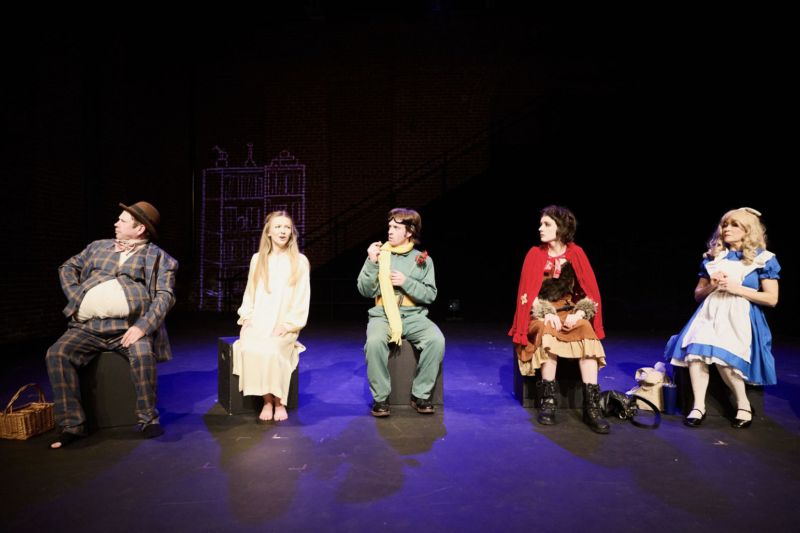
Mary Eileen O’Donnell: “In Recovery”
Give your best one-line summary of your play.
Ten classic storybook characters confront their traumas, and each other, in a modern-day PTSD group therapy session.
Each piece in More Miracles stands on its own, yet they’re being presented together in one evening. What does your play bring to the overall conversation of the night?
My play, “In Recovery,” is the first of the three one-acts. I think it's very funny, and from audience reactions—the audiences laugh throughout the whole 30-minute play—I know it IS funny. The first two plays are comedy fantasies, and the third play is based in reality, Ayindé Howell’s reality, his life, and his play is both very funny and serious—a wonderful balance to the night.
Was there a specific moment, image, or personal realization that sparked the idea for this play?
During lockdown, we were limited to Zoom meetups. Some of the actors got together every week to read 10-minute plays out loud. After a year or so, we said, "Hey, why don't we write our own 10-minute plays?" Over the course of many weeks, I wrote seven of them. Tim liked this one and produced it.
Regarding the story, I wondered what Humpty Dumpty and Gretel, of Hansel and Gretel, would have to say to Humpty Dumpty if they met. It was just imagining different conversations among children's fictional characters. And I was not constrained by its being G-rated, so I went to town.
Because these are one-act plays, the storytelling has to be precise and intentional. What did you find most challenging—or most liberating—about working in this condensed form?
As Polonius says in Hamlet, "Brevity is the soul of wit." So like most writers, I imagine, it was write, edit, cut, write, edit, cut. You have to "kill your darlings," as Faulkner and other writings before him said. There were many scenes/lines I loved, but in rehearsal our artistic director, Tim Robbins, and the play's director, VJ Foster suggested cuts and reconfigurations. All great suggestions, but it was hard to "kill some of my darlings." But it's a better play because of it.
If audiences take away one thing from your play—something that lingers after the laughs or shock—what would you want that to be?
I would love audience members to come away thinking of ways they could write a play like this. Or a short story. I'd like them to imagine a variety of characters that already exist in fiction, thrown together and having a conversation. I'd like the audience themselves to say afterwards, "Why didn't she do a scene between character X and character Y? That would be funny....What might they say to each other? In what context would they even KNOW each other?" I'd like the play to spark people's imaginations.
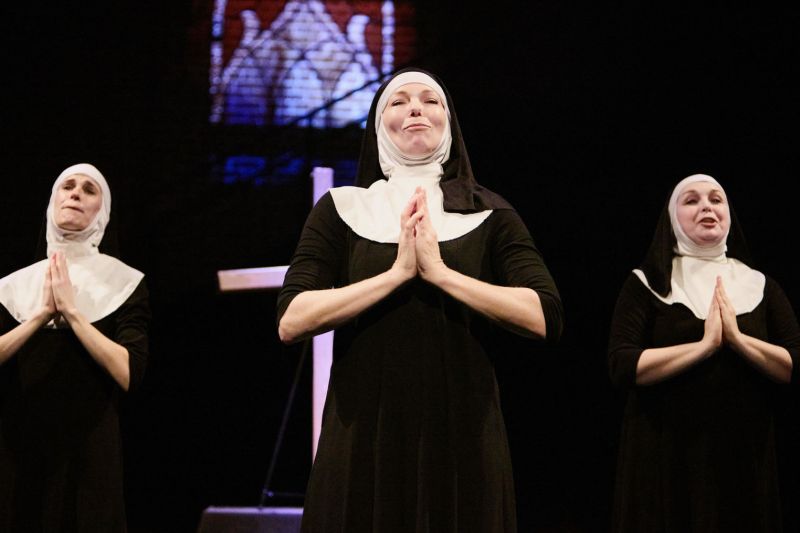
Willa Fossum: “Nun Fight”
Give your best one-line summary of your play.
Three nuns hash things out over the casket of their dead Mother Superior.
Each piece in More Miracles stands on its own, yet they’re being presented together in one evening. What does your play bring to the overall conversation of the night?
Nun Fight brings womanhood to the evening’s conversation. In its own way, this play explores the side of the divine feminine that is an agent of chaos and destruction. I want to physicalize the layers of love and violence that often lay simmering under the surface of female relationships. Mostly, I hope it’s fun. I hope people are surprised, disgusted, and elated by our little half-hour ritual.
Was there a specific moment, image, or personal realization that sparked the idea for this play?
Honestly, a nun’s habit - or any religious garment that covers everything but the face - is a potent image for me. It acts as a reverse mask, indicating devotion and the presence of what is unseen on the woman wearing it.
Because these are one-act plays, the storytelling has to be precise and intentional. What did you find most challenging—or most liberating—about working in this condensed form?
I took it as a challenge to find a structure that could hold the story as simply as possible. It all takes place between the vigil service and the burial mass of a Mother Superior. I think the short format lends itself well to the sheer absurdity of the piece.
If audiences take away one thing from your play—something that lingers after the laughs or shock—what would you want that to be?
I won’t prescribe how to linger. I do love that Cranberries song though.
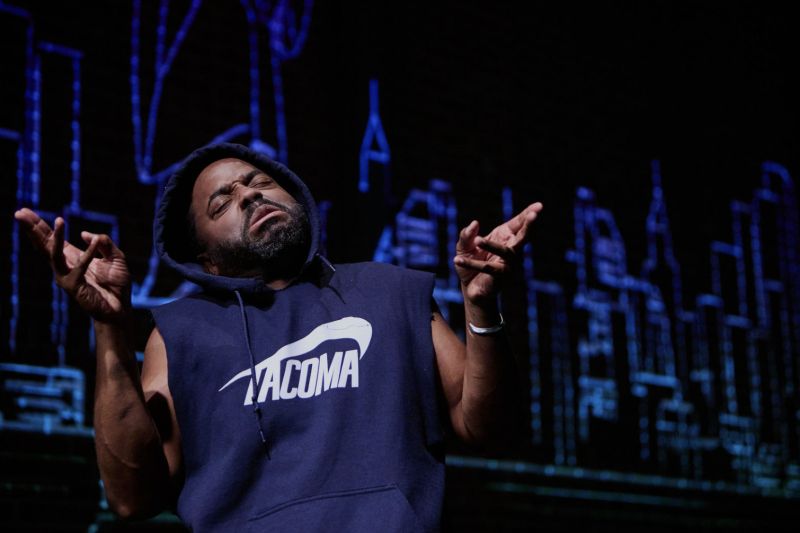
Ayindé Howell: “16 Summers”
Give your best one-line summary of your play.
It’s about three lessons my father was always trying to teach me: vision, faith, and patience. I tell stories of how I bumbled through them until I finally understood them.
Each piece in More Miracles stands on its own, yet they’re being presented together in one evening. What does your play bring to the overall conversation of the night?
16 SUMMERS brings the perspective of a young boy becoming a man, and a tumultuous society, finding joy through it all, and about the connection between fathers and sons.
The conversation is really about the broader conversation we’re having as a society around men—what it means to be a man and what it means to pursue that identity of being a man.
“Nun Fight” is about repressed female rage, and how we look at women and how that repressed rage can manifest itself. And “Recovery” deals with people needing to grow up and realize that life is not a storybook. So I think the overall theme of the night is about growth, perspective and truth.
Was there a specific moment, image, or personal realization that sparked the idea for this play?
I wrote this play after my father passed away in 2022. It started off as a stand-up set with the idea of three lessons that my father was always trying to teach me: vision, faith and patience. And I began to realize how many different points in my life I missed those lessons.
Because these are one-act plays, the storytelling has to be precise and intentional. What did you find most challenging—or most liberating—about working in this condensed form?
It makes you sharpen your pen as a writer, as a performer—and learn how to kill your baby and understand that you’ll never run out of good ideas. If you have to edit one of your best ideas, another one is coming.
If audiences take away one thing from your play—something that lingers after the laughs or shock—what would you want that to be?
I want people to walk out and call their loved ones. Call their dad, call their mom, and work on their relationships with family if it’s an option for them.
**Please be advised: this production includes vaping, strobe lighting, foul language, and sexual topics. Ages 16+**
"More Miracles: Three Original One Act Plays" runs at the Actors' Gang Theater, 9070 Venice Blvd. in Culver City, through February 21. Tickets are available at www.TheActorsGang.com.

Sign up for all the news on the Fall season, discounts & more...

|
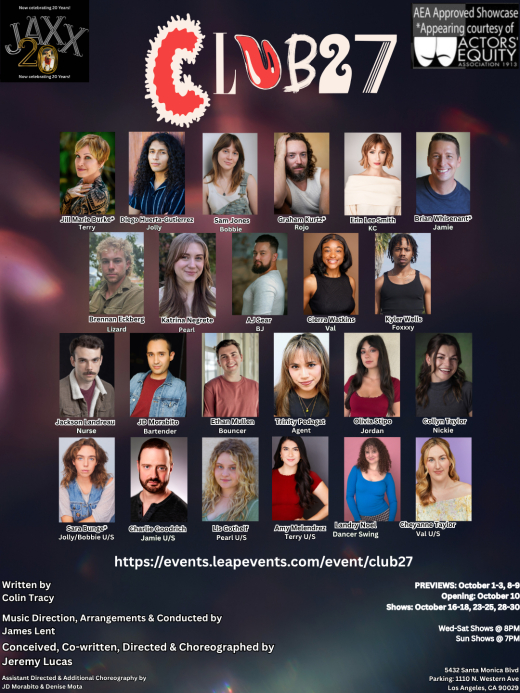
CLUB27 Jaxx Theatre (10/01-10/30) |
|
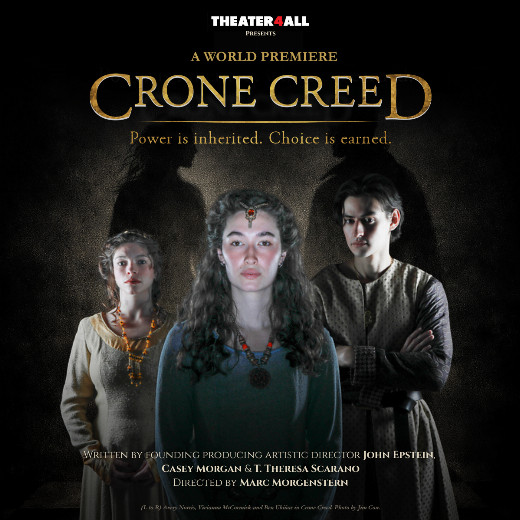
Crone Creed El Portal Theatre (9/30-10/17) |
|
Good Night, Oscar North Coast Repertory (9/16-10/11) |
|
The Cottage North Coast Repertory (10/28-11/22) |
|
Woof Odyssey Theatre (10/03-11/08) |
|
A Killer Night in Studio City Vitello's (9/06-10/31) |
|
CHAÏR The Elysian Theater (10/17-10/17) |
|
Catch Me If You Can Colony Theatre (9/17-10/18) |

|
Gershwin and the Golden Age The Soraya (10/11-10/11) |
|
Godspell Azusa Pacific University Theater Arts Dept (10/09-10/24) |
