
Student Blog: My Sit Down Conversation With Darnell Abraham
Get to know Manhattanville University's newest Voice and Speech Professor!

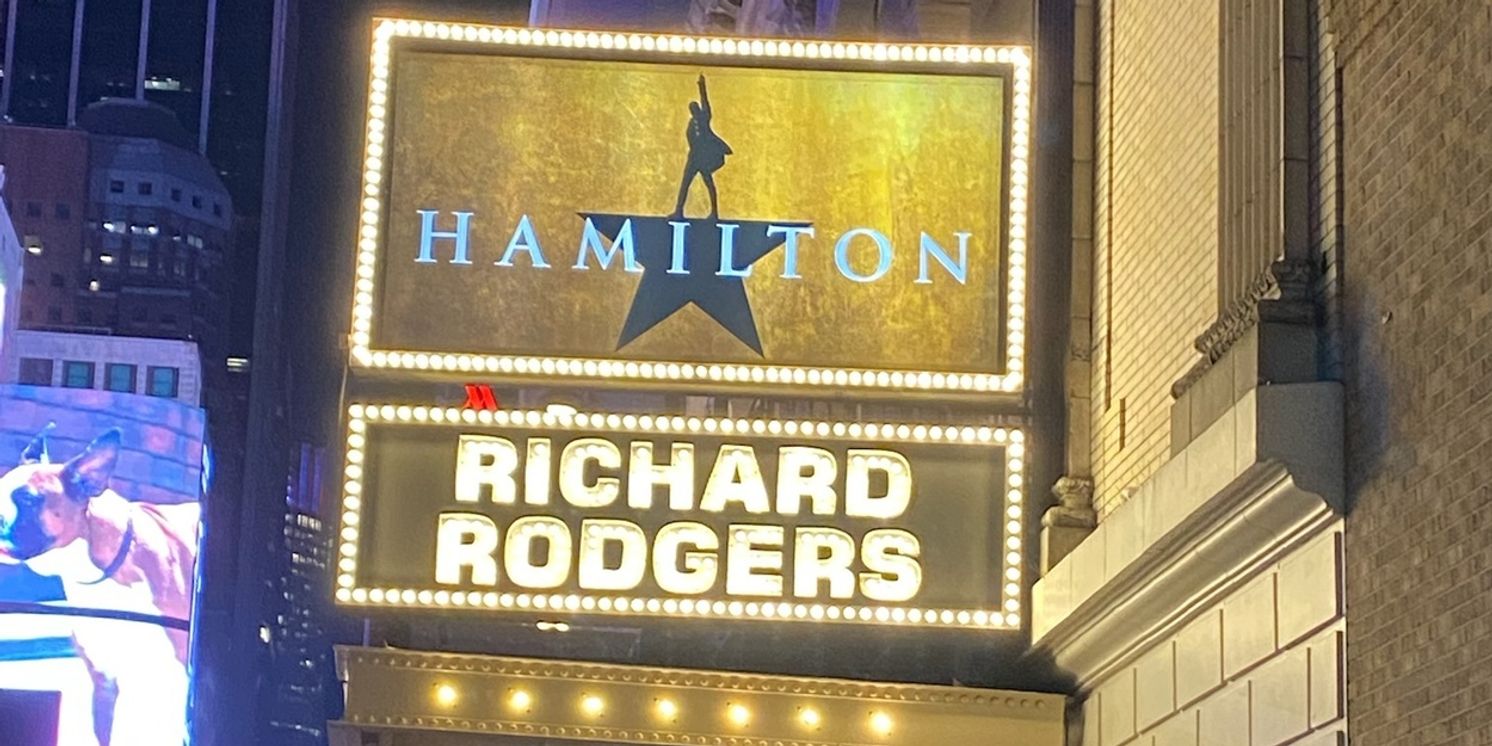
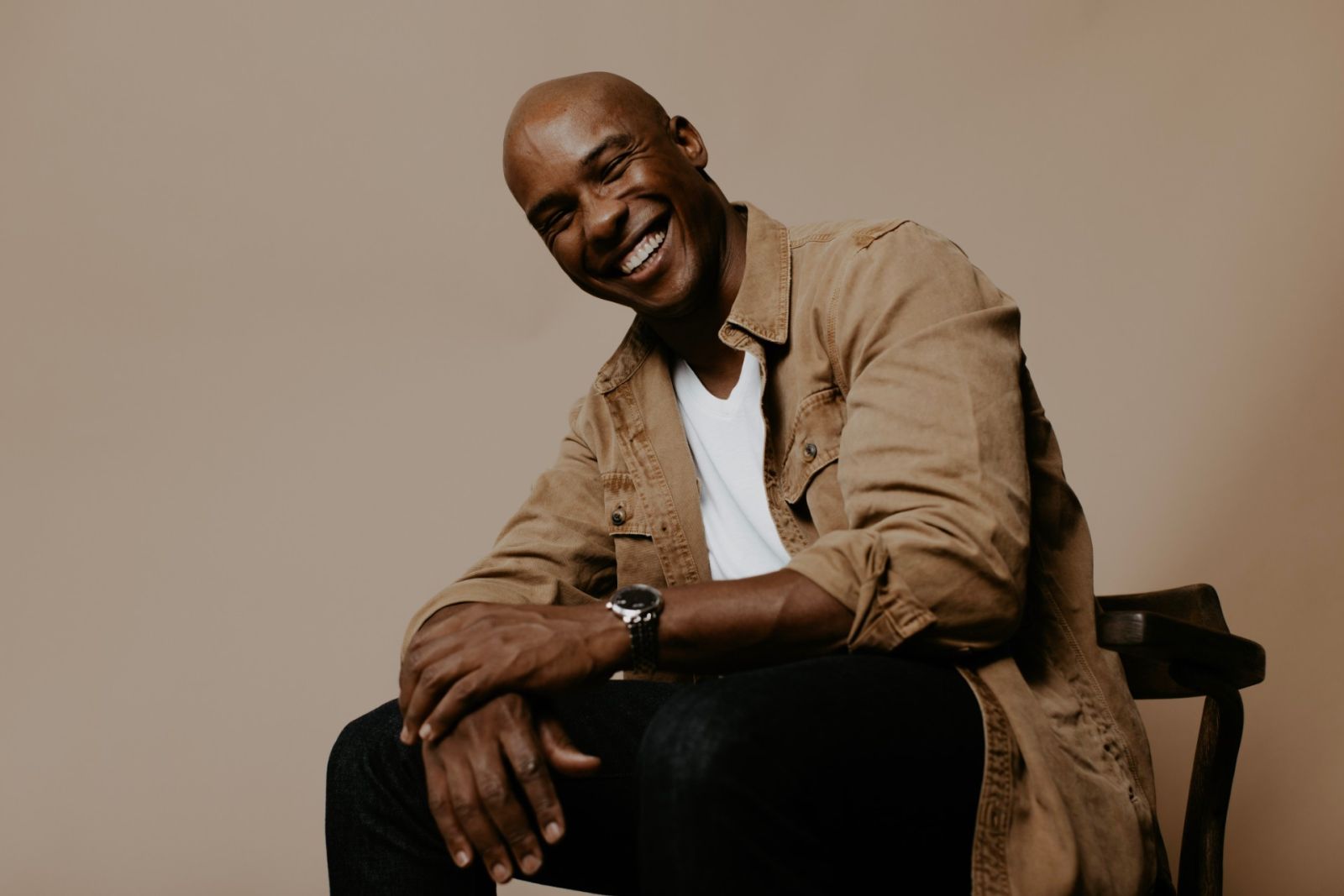
I had the incredible opportunity to sit down with Manhattanville University’s newest Voice and Speech Professor, Darnell Abraham, whose work both at the University and in the professional theatre world is truly astonishing.
Q 1: Can you tell me a little bit about your theatre experience? Where did you go to school?
Yeah. So, I started, gosh, I was a kid when I got involved in musical theatre. I was in first grade when my parents saw my curiosity for the arts. I went to a performing arts school, you know your standard, normal curriculum during the day then in the afternoon, that’s when I was exposed to Shakespeare, the Hollywood, the Golden Age... Casablanca, so many of those shows and movies that are now considered legendary. I was very fortunate to have that kind of nourishment and support from my parents and family. I was heavily involved in my community theatre scene, pretty much...I can’t remember if it was second or third grade... clear through my elementary, junior high, and what not. That’s kind of how it all started. I went on to get my undergrad degree at a private school in Southern California, Azusa Pacific University, but I didn’t study musical theatre there, I studied voice. While I was there, I came in contact with an amazing voice teacher, and then a second voice teacher said to me, “have you considered doing opera and classical music?" and I was like “ummmm... yeah...? I’m curious.” So, my career, or studies rather, took a bit of a detour, but it was an intended detour. It was the detour that I needed to prepare me for now. That teacher, she prepared me for my grad school auditions. I was accepted to San Francisco Conservatory on scholarship and to Manhattan School of Music not on scholarship, but I knew that at some point I needed to get to New York, so I went with the no money choice. It was very expensive, very difficult, but I’m glad I made the decision to come to New York City. I realize though that I liked opera, but I didn’t love it, which is not a knock to the artform at all, it was just something that I knew was not the thing that I would wake up every day thinking about. It was something that I could do and do very well, but I don’t love it. I will never forget I had... I'm giving you such a long answer, but I had a professor (at Manhattan School of Music), Dona Vaughn, who was spectacular, and it was spectacular getting taught and mentored by her. On day one of grad school she had said, “Some of you will decide that this part of the industry is not for you. Some of you will go on and have successful careers in opera. Some of you will have successful careers in the broader entertainment industry. Some of you will go on and leave it completely.” I was one of those guys who left that part of the industry, but I have been very fortunate to have a successful career on the Broadway side of things. I guess they now say I’m one of their success stories, one of the students who has gone on. It’s interesting because you may not get the scholarship or be the guy they are looking at, or you may not score well enough to get that scholarship, but put in the work and the time, you might end up being one of their success stories.
Q 2: You worked on the national and international tours of Hamilton and the national tour of The Lion King, playing the roles of George Washington and Mufasa respectively. Can you talk about that experience? What did you learn from it? What challenges did you face?
Before, I should mention that before Hamilton, I was in The Color Purple. I played Adam and I was an understudy for Mister. I actually made my Mister debut at The Kennedy Center. I was very fortunate to perform on that stage. Then Hamilton called, and I said yes. It was just such a great experience. Gosh, I feel like there are so many directions I can go in with playing Washington, but I will put it this way, I grew exponentially as an artist and a person. It was fulfilling both artistically, but also it was fulfilling as a person. Hamilton for me and playing George Washington, for me, was the intersection of passion, in terms of what I value as a person, and artistry, which does not happen often. The message of the show, the opportunity to step into a role... yes, he is a historical figure, but to be a black man to step into that role, that is a whole other conversation and can of worms. To take that on and grow from it, and to be able to bring tens of thousands, if not more, fans of that show around the country and around the world was quite spectacular. It was an honor to do that and represent my ancestors and the show in that way. Hamilton is one of those shows where they say it is once in a generation, like I really do believe that. That is not to demean or take away from any of the other shows out there, but what I really think makes Hamilton unique is, not only the story and design of the show, but it is the work culture I experienced myself, personally. Everyone has their own experiences, but I do believe that setting culture starts at the top, so I do believe working with Jeffrey Seller, the executive producer sof that show, and the creators of that show, and their investment with the art and the artistry is just something to really take pause and to learn from. I hope that over time as our industry is starting to now grapple with the whole business design of it all, I really do hope that the broaden community will take advantages of seeing what is and is not working, and will take us back to the importance of making sure artists are supported while making art because that is incredibly important. So yes, that was one of my main takeaways from being in Hamilton. I can’t say enough positive things about it. Then to be playing the role of Washington, I still am processing it. It was a dream role. It’s a role that I would love to return to. I don’t say that about everything, but that is a role that I still have some miles in me, so we will see. It would be great to step back into the boots. Then for the Mufasa, you know, iconic. Both roles, Washington and Mufasa, and to be the first guy in the industry to play both roles consecutively, no one else has done that; that was a tremendous honor. I wish I had more time with Mufasa if I am honest. My wife got pregnant, and so we knew we needed to get back to New York. I just wish that there was more time to have discussions about the role and playing the role. I had been told I was a great Mufasa, not a good Mufasa, but a great Mufasa, but I think there was a disconnect there. Where that disconnect was, I am not entirely sure, but I am grieving that to be entirely honest. This is actually my first time talking about it publicly. With the grief and severe disappointment, and I would even say loss of integrity that I carried, it was tremendous honor to play the role. I still hold the show and the role in incredible esteem; I just wish I had more time; that’s it.
Q 3: Can you talk a little bit about the work you have done overseas involving community engagement? Do you have any favorite memories from that experience?
So, the cool thing about going overseas was cultural exchange. So, what New York City and what we were experiencing stateside with Hamilton, they were experiencing for the first time in Manila or in Singapore. Abu Dabi was super interesting because they’re in the Pursian Gulf Region, which as we know right now is on everyone’s minds given the current geopolitical climate and military situation that’s happening there. There is an openness and a desire from the government leaders and the royal family there. They’re welcoming Broadway into their space, into their culture, into society, so it was really cool to be able to go there and to share the show with audiences there. I had the honor of going back to Abu Dabi as an artist in residence with the US Embassy. There I was able to work with students and do some classes and meet with leaders and what not. It was an amazing time, and I hope I get to do it again at some point in the future. Taking that show (Hamilton) overseas, I don’t think the impact of it can be overstated. Being able to build a bridge with fans of the show, but also people who did not know much about Hamilton, let alone Broadway and be able to take it to them was really neat because hip-hip pop music at large, it has become a universal language. To take a show that is musical theatre, that alone is a unique American thing, then to take it in the rap, hip-hop form and to share with audiences, it was just wild. Everyone was so generous, and I just fell in love with our fans. They were so generous and so kind and so thoughtful. It created some lifelong memories. Taking Hamilton overseas was a once in a lifetime experience that I am so grateful I got to do.
Q 4: What made you want to work at Manhattanville? What do you enjoy most about working at Manhattanville so far?
So, I have always enjoyed teaching. I have been told that I’m good at it. This has been an opportunity. Now that I am back in the city, I’m not moving every two to four weeks...life on the road is hard, it’s so hard. I am getting the chance to lay down my roots. When I saw the posting for Manhattanville, I applied and then Beth (Burrier) reached out right away and we had an interview. It happened pretty quickly, which is pretty spectacular. Teaching here at Manhattanville has been everything that I was hoping it would be. Amazing students, great culture here, and when we teach, we are reinforcing what we know. We, as teachers, are becoming students again because we are learning from you all in the process. It’s become a gift for me. A gift to teach and a gift for me to go back to school. What’s interesting is that I am finding that it is enhancing my artistry in a way that I would never have anticipated. I’m still actively auditioning for things, but it’s like a refresher in a way. It kind of brings the sizzle, the excitement of being an artist back into my life, not that I ever lost it per say. I will say, it’s like taking a car to the shop, it needs a tune up, but then after it gets the tune up, you’re like “wow this car is running smooth, it feels like a brand-new car all over again.” That’s what Mville has been like for me. I’m loving it. That’s why I wanted to do this, and I am so glad I’m doing it. And why I chose Manhattanville; the culture, the students, and I also just love to teach. It’s like the best of both worlds.
Q 5: Do you have any advice for students who want to pursue a career in the arts?
I have a couple. The first one that comes to my mind is: be yourself. You hear me say that often in Voice and Speech class. That’s one of the reasons I love teaching from Denise Woods’ book (The Power of Voice: A Guide to Making Yourself Heard) because the foundation of it is preserving who you are. With that, it’s so incredibly important to bring your true self to the art form, into the audition room, into the roles all the time. We don’t need any more carbon copies of fill in the blank. We need you. That’s what the industry needs. Also, it’s a long game, so keep that in mind. Everyone’s journey is going to look different. I know people who booked a show right out of college; it was great, then they haven’t worked since. I know people who took them a little more time. I was one of those guys. I am fortune though because when I left to opera side of things in 2014, by 2015 I was a member of equity, working on equity contracts, and then I have been working since. Now I worked really hard, and I am still working really hard. I will say it does come with a sacrifice, so you must weigh what are the sacrifices you’re willing to make. Your sacrifices are going to look different from other people. I just think that’s incredibly important: don’t compare yourself with another person’s progress. What’s meant for them is for them; what’s meant for you is for you. It’s a long game, stay in the course. Don’t be a jerk. That’s another really big thing. I pride myself on having been told that I have a reputation for being kind. Don’t be nice. I just had this conversation with Beth (Burrier) the other day. Don’t be nice, be kind. There’s a difference between the two, and I’m always striving to be kind. Kindness requires us to inconvenience ourselves to do something for someone else. Nice is a form of manipulation, which makes it disingenuous. So be kind. Onstage and offstage. We’ve read the articles and social media posts about this individual who’s on Broadway, but they’re difficult. Don’t be that person. We don’t need any more people like that. Quite frankly, I am looking forward to those people getting out of the way, so that people who are tremendously talented just as they are, maybe even more talented, but are also kind, can now take up space. I know that’s harsh, but the older I get, I’m not mincing my words. But be kind.
Q 6: Is there anything else you would like to add that we have not talked about?
Gosh, I feel like I’ve said too much! Enjoy the ride. It’s not always going to be lovely and rosy and great but enjoy the ride. You will be surprised how far you go, and you’ll be able to look back and appreciate the friendships and moments. You know doing the summer stock shows where it’s like “oh my gosh, am I going to memorize all these lines in two days?” The answer is you will. You’ll figure it out. That first show might be tough, but you will grow immensely from it and be able to look back on that. Embrace failures. Embrace the difficult moments. But lean into the moments of joy because those will stay with you and sustain you when things get tough. To add to the health of it, there are going to moments where you’re going to need to take a job because you’re going to need to take a job for the health weeks or the money. Then there are going to moments where it’s going to be in your best interest to not take the gig, or to not renew that contract. It may mean that it now puts you down a path of great uncertainty because you don’t know when your next job is going to come along. I have been fortunate to have worked non-stop for ten years. From going from a Broadway tour to a regional but finishing up at a regional to go onto another big show. Not just a big show but the leading roles of those shows. However, there does come a point where you must slow down, and do what’s best for your mental, emotional, and relationship health. If you are in a relationship either married r otherwise, you and that person or your family have to decide, yeah, the money is great, but what is it doing to us. You have to make sure your support groups stay intact because that is something else that will sustain you along the way. That’s what sustained me along the way. You will find your support group in shows but shows; they open they close. You will make a few lifelong friends, but most of them you won’t hear from. You might see them in the audition room. I don’t mean that in a negative way, that’s just life. There will come a point where you will need to stop and decide of something being convenient but if it’s convenient, is it damaging. That is something I wish someone would have told me because it does matter.
Thank you for reading! Thank you again, Darnell, for taking the time to talk with me!
Videos