


BWW Q&A: Libby Carr of CALF SCRAMBLE at Primary Stages
Raised for breeding or slaughter': Libby Carr on Calf Scramble, southern girlhood, and their fiercely physical professional debut.
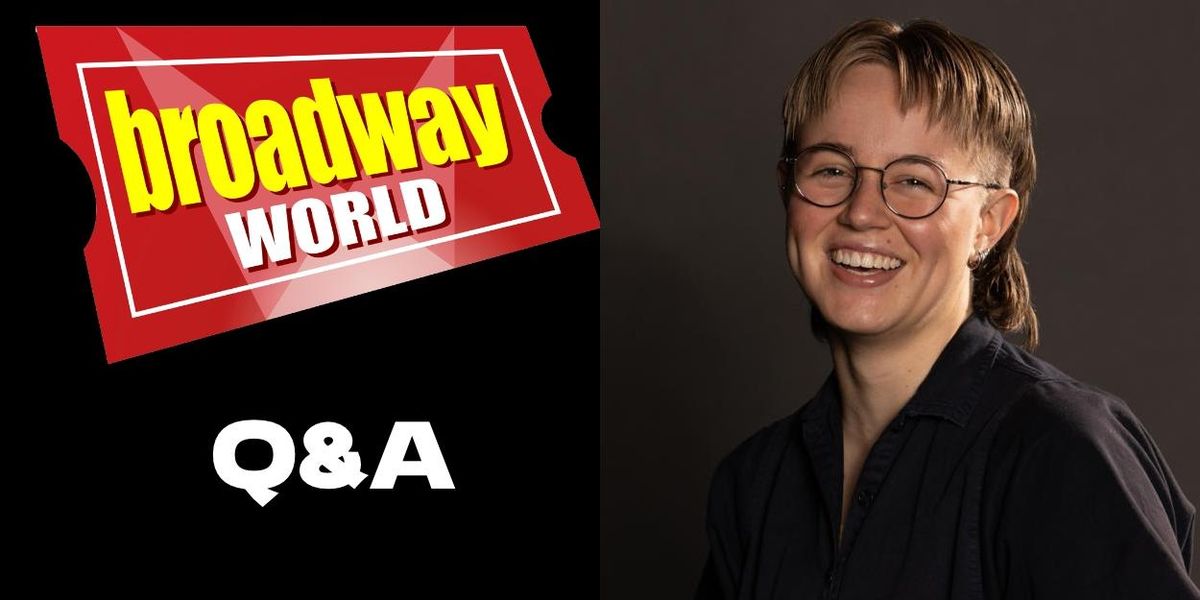
In a dusty East Texas barn, five teenage girls are raising calves for auction — and wrestling with what it means to be good at school, at God, and at girlhood. That's the world of Calf Scramble, the fiercely original new play by Libby Carr now running at 59E59 Theaters through April 12, presented by Primary Stages in association with Jamie deRoy. Directed by Caitlin Sullivan, this darkly funny coming-of-age tale is soaked in sweat, scripture, and competition, where faith tangles with survival and tenderness bucks like a wild animal.
Set in Huntsville, Texas in 2007, the play follows five members of Future Farmers of America over the course of a school year as they prepare the calves they caught in the rodeo's calf scramble for auction — where top prizes can climb as high as $600,000. Libby, a Houston-born writer and dance artist making their professional debut, drew directly from their own experience of southern girlhood, describing the writing process as looking back at a childhood that felt like being "raised for breeding or slaughter." That visceral metaphor runs through every layer of the play, including one of its boldest staging choices: the actors play each other's calves, blurring the line between the girls and the animals they're raising. Libby, who is also a dancer, wrote the piece specifically for that physicality — a challenge director Caitlin Sullivan said she knew immediately she had to take on.
The world of Calf Scramble is shaped by forces far bigger than the barn. Huntsville is home to seven prisons and houses the most active execution chamber in the United States, a reality that shapes every character's family, future, and sense of escape. Woven through it all is the tender, fraught relationship between best friends Vivvy and Anna Lee — a preacher's daughter and a devoted youth group attendee — whose deepening feelings for each other collide with the religious and societal pressures around them, drawing on Libby's own experience as a queer teen in Texas. Calf Scramble arrives at 59E59 already recognized on the 2025 Kilroys List and honored with the 2024 Dr. Kerry English Artist Award from the Ojai Playwrights Conference, marking the arrival of a singular new voice in American theatre.
What inspired you to draw from your own experience of southern girlhood when writing CALF SCRAMBLE, and how did you navigate the balance between personal truth and theatrical storytelling?
As a kid, I was around the rodeo and livestock show every year and I watched a lot of calf scrambles, but I never participated in one and was not in Future Farmers of America. The closest I got to the agricultural experiences in this play was working on a ranch over one summer while I was in college. The way I describe CALF SCRAMBLE is that FFA and the setting of this barn gave me a container — that is not of my personal experience — that allowed me to put a lot of personal emotional truth inside. The barn acts as a space of safety for these girls. The work they’re doing allowed me to explore their ambition, skill, and confidence. And as we’ll get into more later, the calf/human doubling gave me the space to explore a girlhood and power in a unique way.
How did you approach translating the raw physicality of an actual calf scramble into a theatrical language, particularly the decision to have the actors play each other's calves?
When I first started writing a scene that would eventually grow into CALF SCRAMBLE, I was really drawn to images of weight sharing between humans and calves. I love the struggle of trying to pull a cow that won’t move! The most exciting way I could imagine staging that was with humans also playing the calves, so there could be true tension between two bodies. It also was the theatrical conceit that felt the most ripe for metaphor — I don’t think any stand-in for a calf would be able to hold as much meaning as a person playing the animal.
As both a writer and a dance artist, how did your movement background shape the way you wrote CALF SCRAMBLE, and what was it like to write specifically for that kind of physical performance?
I feel like my movement background allowed me to really envision this physicality from very early in the writing process. I felt very confident that the cow/human transformation would work, because I could explore it in my own body, and I had some experience and understanding of how to translate that to my collaborators in the language of the play. And it was incredible to work with Hannah Garner, our movement director, and Crista Marie Jackson, our fight and intimacy director, to expand on those physical relationships even beyond the ways I could imagine them. I feel really lucky to have had so many different collaborators meet this play with excitement rather than skepticism — to have people be like “of course they’re the cows, let’s flesh that out.”
The play is set in 2007 in Huntsville, Texas — why was that specific time and place important to the story you wanted to tell?
Huntsville is particularly central to the play because it’s the center of Texas’ prison system, where quarter of the population of Huntsville is incarcerated. Much of CALF SCRAMBLE asks questions about this country’s obsession with punishment, and how the system of incarceration affects the ways these young women understand how to be good to themselves, to one another, and to God. These characters are searching for a new understanding of power, compassion, and care in a town centered on violence. I set the play in 2007 because it raised the stakes for Anna Lee and Vivvy’s relationship. There was so little pop culture representation of lesbian relationships in the early 2000s. It really was a different landscape for queer and GNC young people. It was interesting to me to depict two young queer women navigating those high stakes, and still figuring out a way they could imagine a future together.
How did you weave the reality of Huntsville's prison system into the fabric of these characters' lives without it overshadowing the more intimate coming-of-age story at the center of the play?
This play is ostensibly about FFA, but it’s actually about punishment and figuring out how to be good. On the other side of the coin, it’s a play where young people navigate enormous systemic issues — incarceration, poverty, religion — and ultimately, the play is about how those issues affect these girls’ relationships with each other. I think the best plays foreground relationships between people. But it’s infantilizing to imagine that these systems don’t affect teenagers in deeply, deeply intimate ways. Their experience of religion and understanding of God affects the way they understand each other. Their parents’ jobs or their incarcerated family members change the way they trust, lean on, and relate to each other.
The concept of being raised "for breeding or for slaughter" is central to CALF SCRAMBLE — can you talk about how that idea evolved as you developed the script?
This phrase comes from a way that I often describe how I entered this play. I had lived and observed this experience of Southern girlhood where I felt like girls were being raised for breeding or for slaughter. Now I'm out of that particular adolescence and looking back on it, and when I started writing this play, I was like — “wtf was THAT all about?” So when I began looking at a play about FFA, I was like, wow, that’s the experience of show cattle. It felt so representative of that experience of Southern girlhood to create a play where five extremely capable, hard-working girls are contemplating their futures and making high-stakes decisions — and are simultaneously playing each other’s calves, which at the end of the season will indeed be sold for breeding or slaughter.
How did you approach writing the relationship between Vivvy and Anna Lee, and what did it mean to you to explore queer identity within the context of such a deeply religious community?
When I was writing CALF SCRAMBLE, I was interested in depicting a range of religious experiences among the characters. Anna Lee is a preacher’s kid, and while that comes with a level of conservatism and normativity, she’s also able to access an experience of God that has more generosity and understanding than, say, Maren’s God does. Or at least, she’s in a moment of her life where she’s secure enough that she can ask questions of her faith. I think so many depictions of queerness in the South include either intense religious trauma or a “we have to get out of here” narrative. It was important to me to sketch a vision for Vivvy and Anna Lee where they could start to imagine a future together in Huntsville, because they love it there. There have always been queer people in the South, and in the rural South, living an enormous range of lives, creating safety and family and community wherever they are — Vivvy and Anna Lee hold that truth for me.
What do you hope audiences take away from watching these five girls grapple with what it means to be good — to each other and to themselves?
Theater involves imagining alternate futures. Right now, we’re in a moment of extraordinary violence in the world. The systems we’re offered to understand that are systems of more violence. In CALF SCRAMBLE, these young women bump up against those systems of violence and search for a new future, a new understanding of power, through their responsibility to one another and to their calves. I hope that CALF SCRAMBLE can offer, on the smallest scale, the opportunity to imagine an alternate way of being.
Sign up for all the news on the Fall season, discounts & more...
|
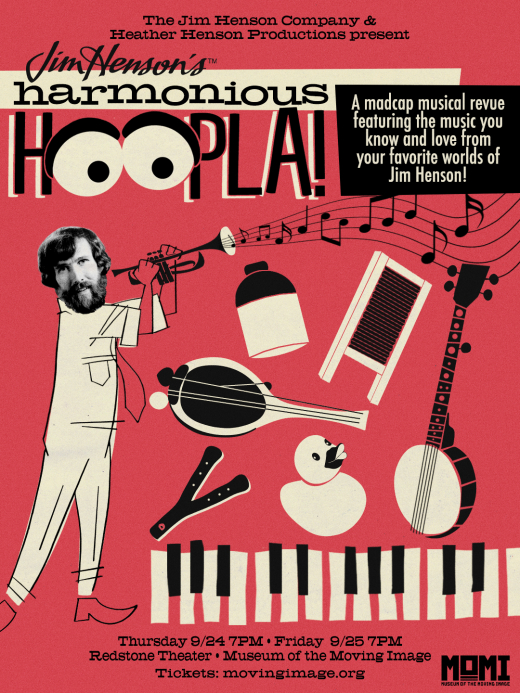
Jim Henson's Harmonious Hoopla! Museum of the Moving Image (9/24-9/25) |
|
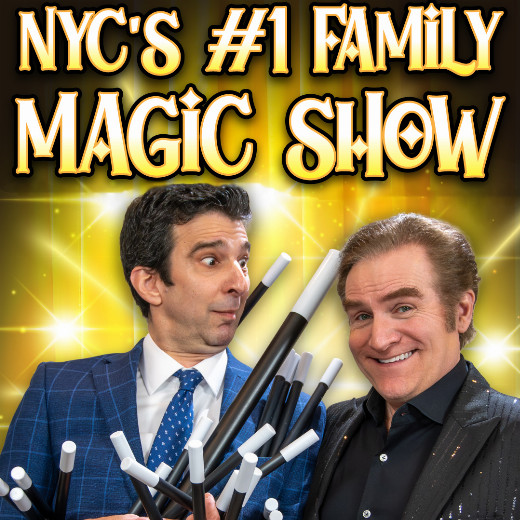
Broadway Magic Hour Broadway Magic Hour: Magic Show (7/25-1/02) |
|
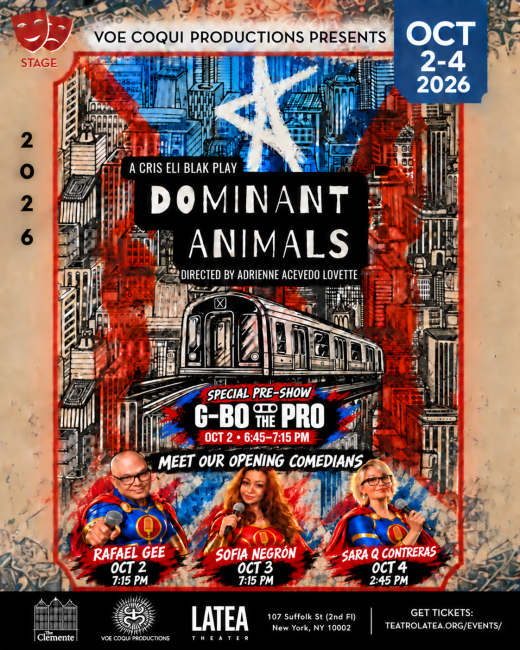
Dominant Animals Teatro LATEA (10/02-10/04) |
|
Eileen Barnett: Back Again...For The Very First Time! The Laurie Beechman Theatre (10/06-10/06) |
|
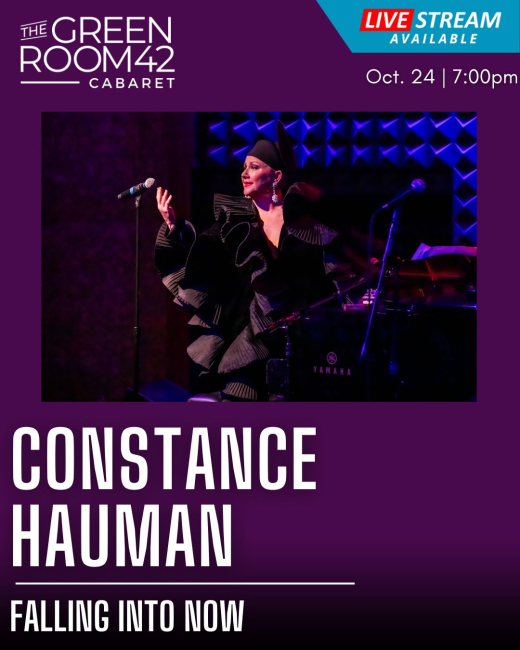
Falling Into Now Greenroom42 (10/24-10/24) |
|
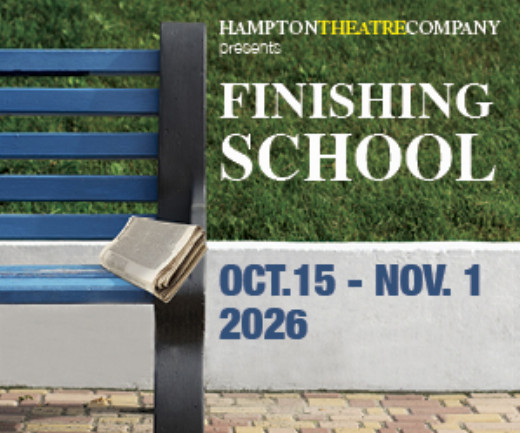
Finishing School Hampton Theatre Company (10/15-11/01) |

|
From America, With Love 28th Street Theatre (10/11-10/11) |
|
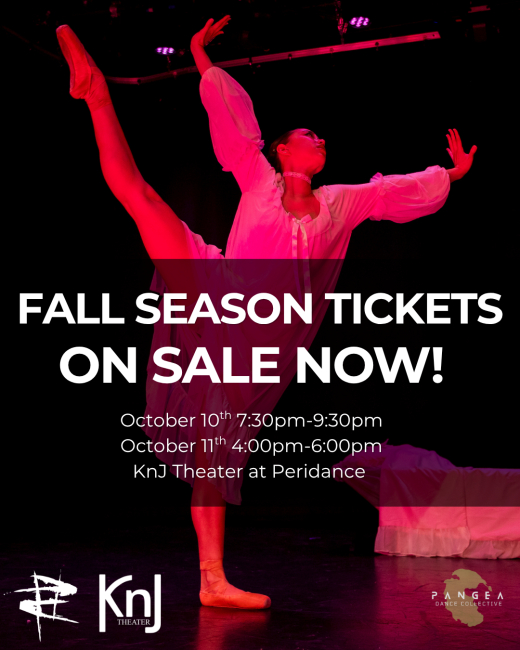
PANGEA: UNLEASHED KnJ Theater (10/10-10/11) |
|
Peribáñez y el Comendador de Ocaña Teatro Círculo (9/18-10/04) |
|
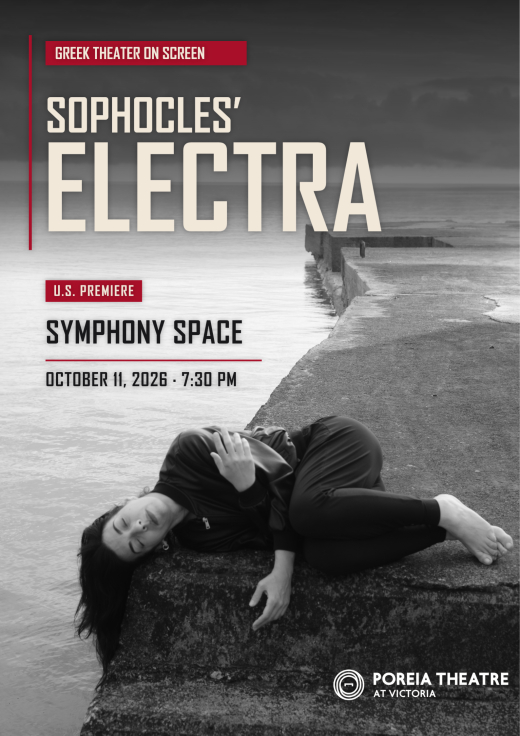
Sophocles' Electra Symphony Space (10/11-10/11) |
