


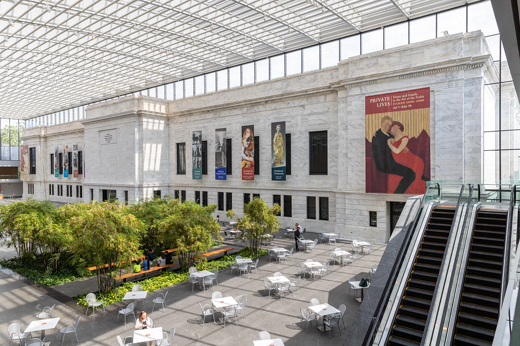
Africa and Byzantium & The Magic Flute at Cleveland Museum of Art
Dates: 4/14/2024 - 7/21/2024
📍 Theatre: Cleveland Museum of Art
The Cleveland Orchestra
11150 East Blvd
Cleveland, OH 44106
Phone: 2162311111
Tickets: Free
Three centuries after ancient Egypt’s pharaohs ended their rule, new African rulers built empires in the continent’s north and east. The Byzantine Empire also participated in these artistic and cultural networks as it expanded into Northern Africa. Together, these great civilizations created unique art reflecting their heritages while also building a shared visual culture across regions linked by the Mediterranean and Red seas, and the Nile River. In The Magic Flute, Wolfgang Amadeus Mozart also looked to the African past to write a new opera that reflected his present. Ancient Egypt fascinated both Mozart and the Freemason fraternal organization he belonged to. Like Nubian and later Egyptian artists whose creations interpreted pharaonic legacies, Mozart's opera considers these histories in pieces like the aria “O Isis und Osiris.”
Africa and Byzantium considers the complex artistic relationships between northern and eastern African Christian kingdoms and the Byzantine Empire from the fourth century and beyond.The first international loan exhibition to treat this subject, it includes nearly 160 artworks lent by African, European, and North American collections. Most were made by African artists or imported to the continent at the request of the powerful rulers of precolonial kingdoms and empires. The art and faith of these historical kingdoms — including Christianity, Judaism, and Islam — resonate with many worldwide today.
For tickets, tour schedules, and programming visit www.clevelandart.org
News About Africa and Byzantium & The Magic Flute at Cleveland Museum of Art
We have no news on this show at the current time.
About the Theatre


Cleveland Museum of Art Frequently Asked QuestionsFAQ
Where is Cleveland Museum of Art located?
|
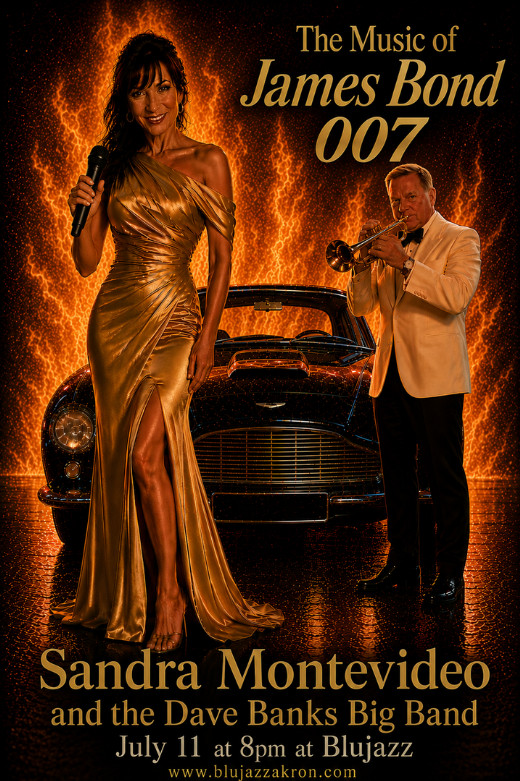
The Music of James Bond 007 - The Dave Banks Big Band Featuring Sandra Montevideo BLU Jazz+ (7/11-7/11) |
|
The Rocky Horror Show Short North Stage - Garden Theater (10/22-10/31) |

|
Bela Fleck - My Bluegrass Heart Tour at The Kent Stage Nov 10th The Kent Stage (11/10-11/10) |
|
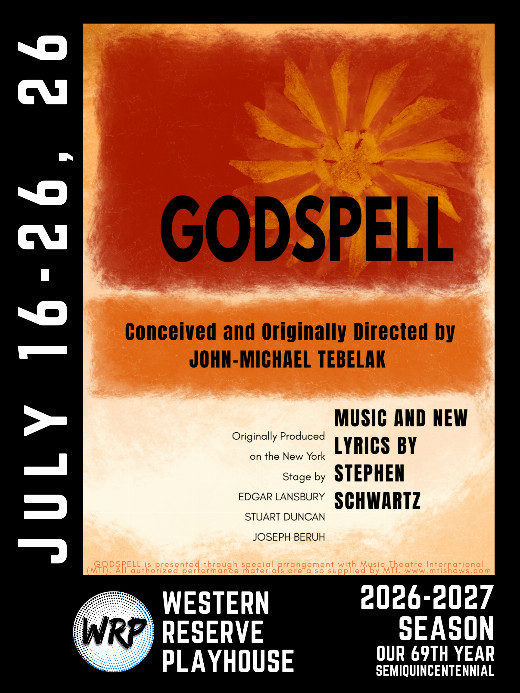
Godspell Western Reserve Playhouse (7/17-7/26) |

|
Joseph and the Amazing Technicolor Dreamcoat Cassidy Theatre (8/07-8/23) |
|
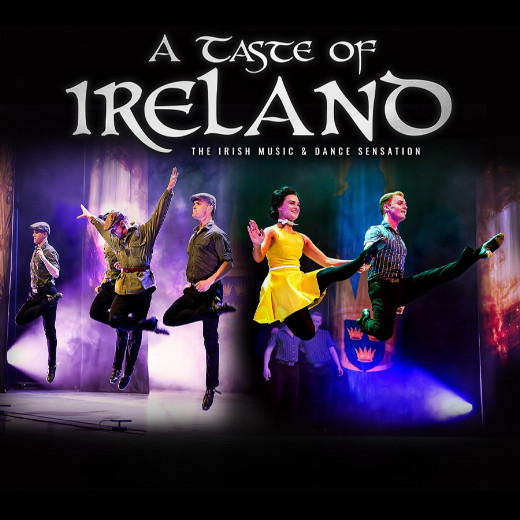
A Taste of Ireland - The Irish Music and Dance Sensation Canton Palace Theatre (10/08-10/08) |

|
The Celestia Theater presents An Evening with Elvis starring Jesse Garron On September 12, 2026 The Celestia Theater (9/12-9/12) |
|
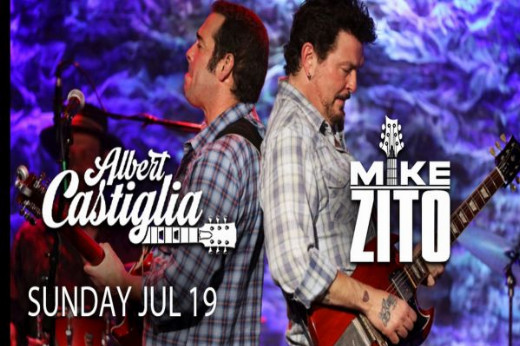
Blood Brothers featuring Albert Castiglia and Mike Zito returning to The Kent Stage July 19th The Kent Stage (7/19-7/19) |
|
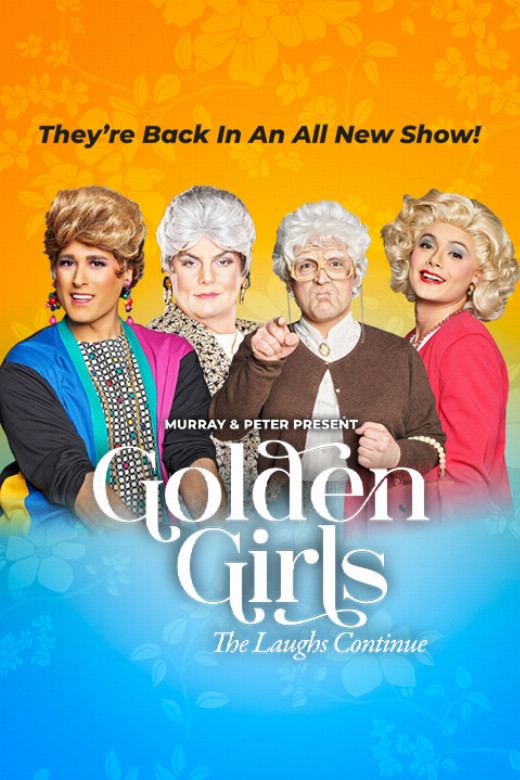
Golden Girls The Laughs Continue Canton Palace Theatre (10/01-10/01) |

|
Mean Girls Senney Theatre (6/10-8/09) |