Content Dictates Form: How RadicalMedia Brought MERRILY WE ROLL ALONG To the Big Screen
Merrily We Roll Along is now in theaters.
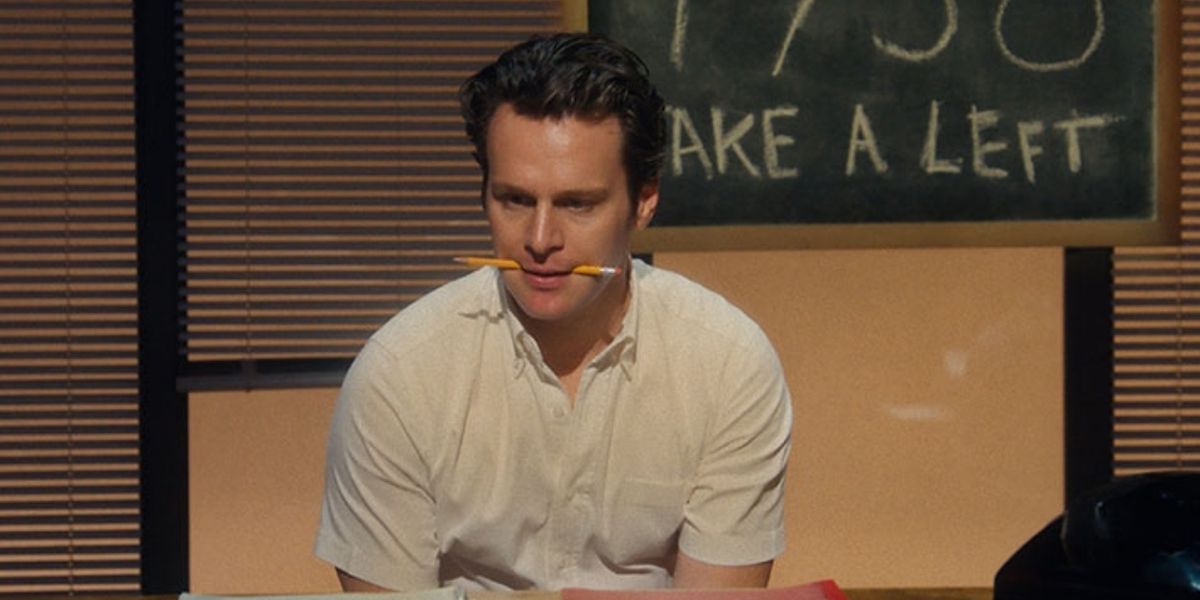
The filmed version of the hit Broadway revival of Stephen Sondheim’s Merrily We Roll Along is officially in theaters. Audiences everywhere can now witness the beloved performances, the reimagined staging by director Maria Friedman, and all of the other elements that made audiences say, "It's a hit!" But don’t call it a proshot.
“We call it a cinematic interpretation of live theater,” explained RadicalMedia chairman Jon Kamen during an interview with BroadwayWorld. “And it's very important to us because it isn't pure captures.... [the] interpretation is always done with our thinking towards cinema and not just for television and not just for posterity, but to really examine the work from a different perspective.”
RadicalMedia is the production company behind this medium, which previously worked on such screen-to-film adaptations as Hamilton, Come From Away, David Byrne’s American Utopia, and Rent. These cinematic versions are spearheaded by Kamen and President of Entertainment Dave Sirulnick, who remain closely involved in the whole process of bringing the stage productions to the screen. Rather than a static capture, the company aims to utilize filmic and cinematic techniques to create something distinct.
For Merrily, RadicalMedia closely collaborated with the artistic team, including director Maria Friedman, to “create something based on what's happening on stage.” Sirulnick emphasizes that this “something” is more than just the show itself. It’s the experience, from the lobby to curtain call, that makes theater a singular medium. It’s this essence that they aim to bring to life on screen. Through close-ups and editing, filming in this way allows the filmmakers to direct the attention of the audience towards something that they hope to highlight, an opportunity not possible in live theater.
“If it's a scene [such as] the party scene at the beginning, we can all be picking out something different to look at. In film and cinema, we work very closely with [Maria Friedman] and our editor to say, ‘Well, this is what you're going to see,” said Sirulnick.
Before bringing her revised production to Broadway, Friedman was already intimately familiar with the musical itself. She collaborated closely with Stephen Sondheim on a prior revival of the show in London and knew exactly how she wanted to stage it for Broadway and shoot it for film.
"Maria knows this material and lived with this and birthed this onto the stage... She would share with us that the entire time she was staging the musical, she was already thinking about, 'How would I shoot this?'" Sirulnick recalled. "One of the first ones we talked about was Franklin Shepherd Inc., when they're sitting next to each other and they're on the TV show... She had already seen it in her mind." After filming the production, which took place over three performances in 2024, Sirulnick and the team bring their expertise into an edit room, making suggestions and helping to realize her vision for the screen.
"We bring a film craft," added Kamen. "Therefore, there's almost like a recasting of 'Who would be the best cinematographer to work for this particular show? Who would be the best editor to work on the musical aspects of Merrily?'" Ultimately, the team chose Sam Levy as director of photography and Spencer Averick as editor, both of whom have a rich background in film work.
The benefits of this kind of filming extend to the performances of the lead and ensemble cast members, picking up nuances that may be lost in a big space. "Even [in] the best seat in the house... you can't see Daniel's eyes flickering. You can't see Lindsay giving a little side eye. You can get the expression of it because she's really, really great at what she does, but [when the camera] cuts to her and she gives a little look or Daniel gives the slightest look that on a closeup, [it] tells you so much," Sirulnick shared.
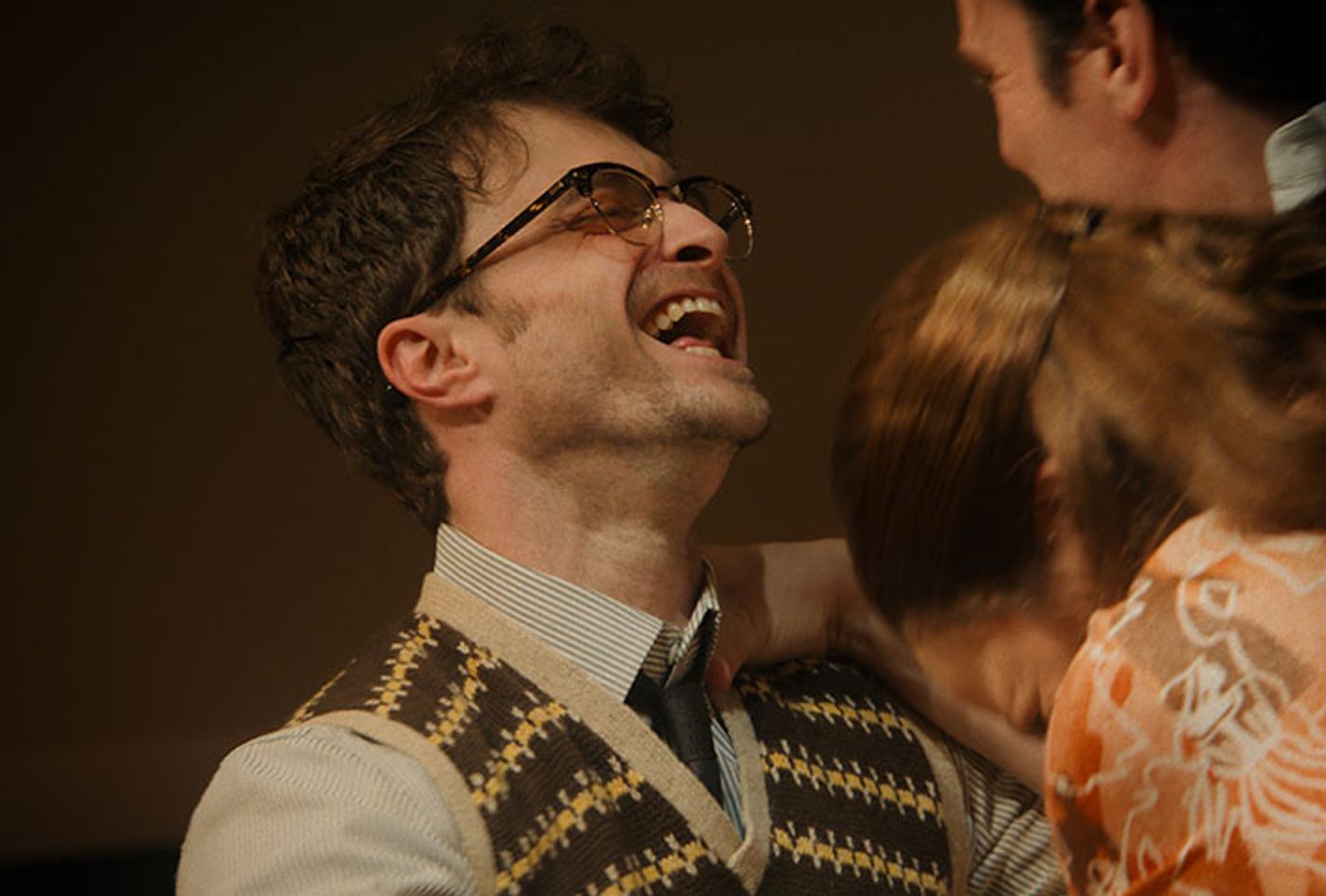
All of these choices are done in favor of storytelling and to allow each aspect— the score, the book, and the Tony-winning performances— to shine. As Sondheim himself often reiterated, "Content dictates form."
"It's given new breath to a piece that, as you know, had a few struggles along the way, and it's quite rewarding for us. We always say when we're screening it, especially with Maria, how sad it is that Stephen [Sondheim] never got to see this," said Kamen, adding that the team worked closely with the late composer's estate and life partner on the project. "They've seen it and have been so thrilled with the results."
Photo Credit: Sony Pictures