


Conversations with Creators: The Multi-Faceted Talent of Mike Esperanza
Conversations with Creators gives insight into the artist mindset of top industry creatives.
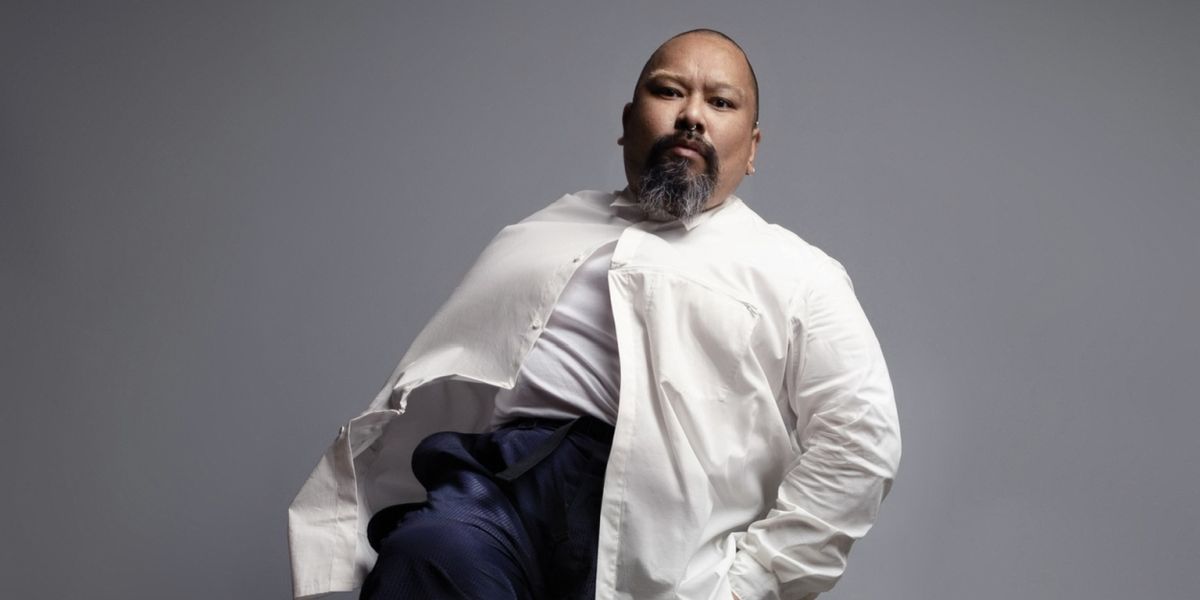
"Sometimes you need the right timing and right frame of mind, and...everything falls into place because you’ve already done the work," says artist Mike Esperanza. Esperanza is a multifaceted creative force, celebrated for his transformative contributions to the world of dance and choreography. With an innate ability to merge contemporary aesthetics with authentic storytelling, Mike has captivated audiences worldwide. His journey began in Los Angeles and currently in New York City, where he honed his craft, drawing inspiration from urban culture and the human experience.
As an accomplished dancer, choreographer, and artistic director, Mike has choreographed for renowned educational programs and companies such as WhimW’him, Noble Motion, LACDC, Urbanity, Dark Circles Contemporary Dance, leaving an indelible mark on the dance landscape. Mike has presented on prestigious stages including the John F. Kennedy Center for the Performing Arts, Sergerstrom Center for the Arts, McCalllum Theatre, Alvin Ailey American Dance Theater, Salvatore Capezio Theater at Peridance, The Royal Conservatory in Cordoba, Spain, and the Australian Circus Festival. Mike’s work has been described as “bold, athletic movement and theatricality – the latter clearly the coming together of Esperanza’s many talents – the company epitomizes the dance of the new millennium: shape-shifting, vernacular-blending with a prescient focus on the brave new world in which we live.” ~ Jessica Abrams, Explore Dance. Mike recently danced for Ariana Grande at the 2024 Met Gala as well as her music video “Yes, and?”
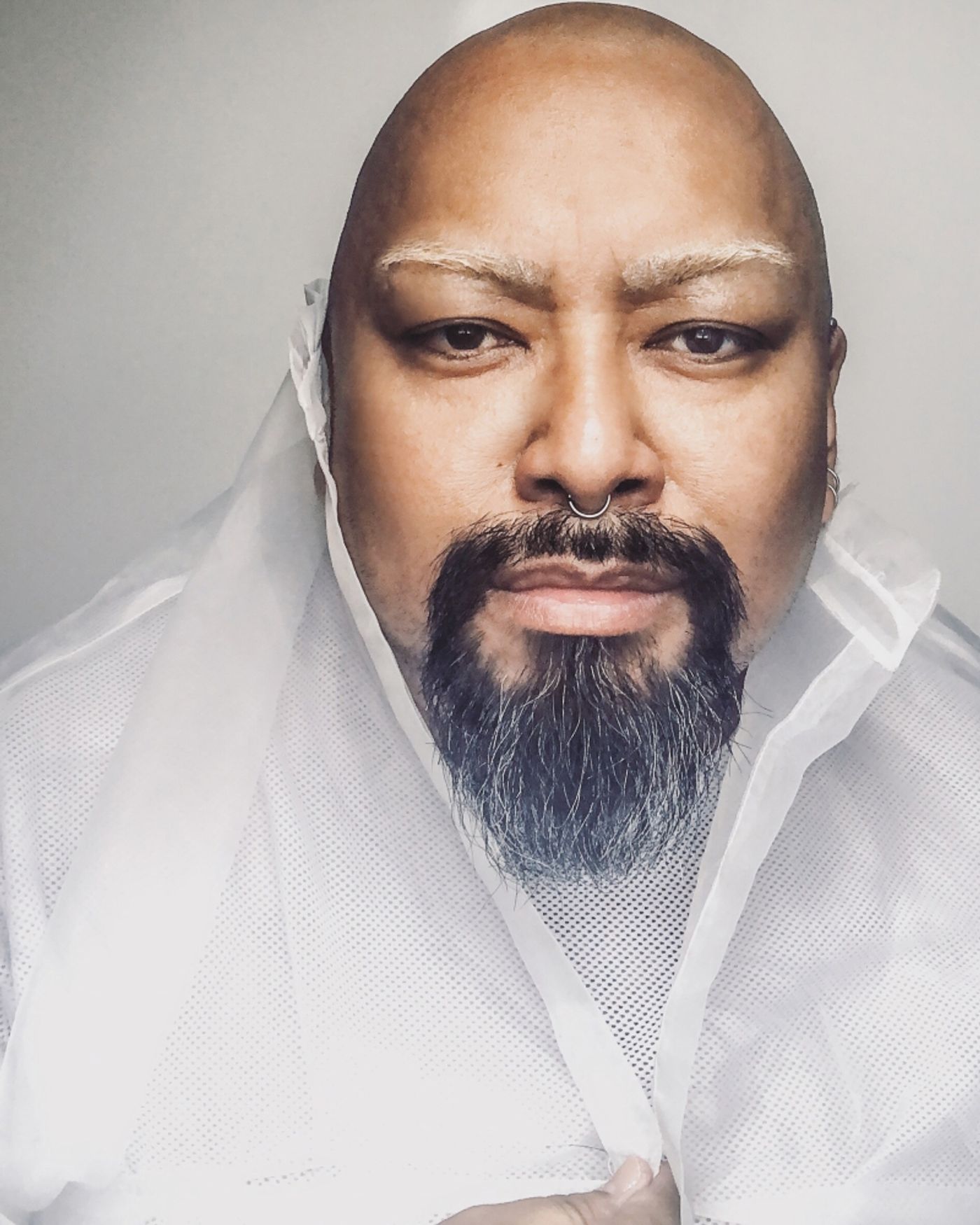 How did you enter the performing arts world and industry?
I went to school in California at Cal State Fullerton. I was a music major for two years and then switched to graphic design. Around the same time, I started taking dance class at the school because it was a small program, so they allowed non-majors to take class. A friend of mine had just entered her freshman year so I took class with her and got to know a lot of the dancers and teachers. Eventually, I started to really enjoy performing and it sparked this whole curiosity of what dance was, like the commercial side of dance in Los Angeles versus contemporary and modern side of dance in the collegiate world. I began taking class everywhere, and eventually started choreographing and teaching. I work a lot with universities; I really enjoy being in the academia setting. I love working with kids and having residency time, whether it’s a week or two. I’ve worked with a lot of schools all over the country and it’s allowed me to really travel and get to know a lot of people. Eventually, I ended up in New York in 2012 and reinvigorated my graphic design job. I started working, and ended up teaching at Peridance and Steps right away. The students I taught at Chapman LMU reached out to their networks because they wanted to take my class in New York. The kids I’ve worked with for so long were so welcoming, and so was everybody I met in New York. I got to do a lot of work when I first got there. It was really cool to present in festivals and get to meet a ton of people. Ever since I stopped freelancing I’ve been always been choreographing and teaching. It’s been nice to take a break after so much work, but that’s the life we want as an artist, right? But we never really know how to get there. I've been very blessed to like to be included in choreography and teaching for all these years, and still make work and get to work with different companies and schools.
How did you feel upon moving to moving to New York and what is your advice for those moving to New York to build a career?
I was telling my students at Western, sometimes you really want to get moving somewhere and do the hustle as a performer or choreographer. I told them that sometimes you need the right timing and right frame of mind, and you’re in your career in a way that when or if you move there, everything falls into place because you’ve already done the job. Sometimes I just tell them, take your time. It doesn’t have to be right away. When you find yourself in a situation where you can’t go because of money these days, utilize that target to gain experience. Have the material there and then start presenting work, or start auditioning when you’re really ready for it. I love having these conversations with younger kids.
Were there certain points where you realized you have a calling for this?
I think right when I had gotten a job in New York and started teaching. I started teaching at the three main studios; I began at Peridance first, then got a gig at Steps on Broadway, and then started teaching at Broadway Dance Center. I was teaching seven days of the week. It was pretty cool ot have all those classes and running to different studios because the students are so different. Somebody from Steps wouldn’t necessarily go to Peridance, or the other way around.
What is your actual process in terms of choreography? What does it look like in the rehearsal space and how do you move through creation?
I come up with a concept or something that's inspired by the concept. This piece I have at Western is all about social media and the way we all attack each other, and the way words from inanimate objects or inanimate people are so invasive because they are not present with each other. I’m playing off energy and ideas like clowns for example, we’re all kind of in this mime-type universe where we act upon something but can’t actually say it. I try to find different inspirations or visual references. There’s a sense of reinterpreting everything I’m finding into a resolution that makes sense and then simplifying it. I find a route to elaborate from, that way the ideas don’t go all over the place, so when somebody sees it isn’t like, I don’t know what this is about.
Does your inspiration differ depending on what phase of life you’re in?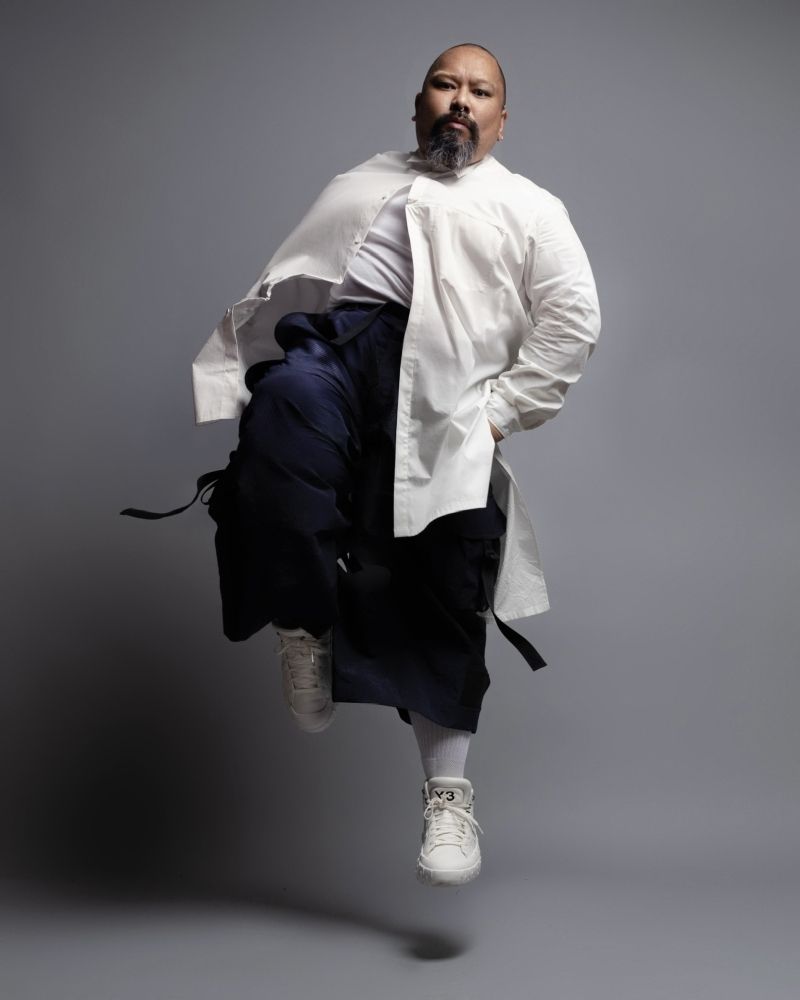
Kind of, yeah, the company is coming here in at the end of February to do a residency. We have a show coming up in New York, and so we're working on a new piece. And it's mainly about how we see each other as babies, children, versus how we see each other over the phone and how we see each other through non-specific contact. Is AI or technology altering the way we see each other versus how we see each other in real life? It’s such a big subject matter, especially during COVID when we were all Facetiming or Zooming each other with distance between us. But now that we're back in the real world, it's like we're back to being on the phone and not speaking to each other and not being present for each other face to face. So those are the questions I have. How can we present like humanity in different ways, versus technology, and how we look at that. I'm gathering all that information for the next months. That way, when we start the process, I can give them all these ideas and try to come up with like, little bullet points and timelines.
Are there any specific experiences that stands out to you in your career as a performer or a creator, as a stepping stone or with big impact?
I’d probably say the Ariana Grande music video I was in. It’s one of those things I’ve always wanted to do as a dancer, especially living in Los Angeles, I’ve never really auditioned for anything like that. Sometimes I’m like, I’m never going to be this. I don’t look like those people. To do her music video at this time in my life, because I just turned 50, made me so happy because I never would have thought I’d do this in my life. When it happened, I realized, I’m going to take it in and remember how this experience was. If that was the only experience I can choose, it’d be the pop artists video even above dancing at the Met Gala. I was telling my students, if you are ever part of something so huge, you just need it once, if it never happens again at least you have done it once, and it’s all you need. I’ll never forget those two things, and I’m so fortunate to have experienced it all and grateful to be around those people. I’m still thinking about it, I can’t believe it happened.
Can you share a little of your experience of being on set for Ariana Grande’s yes, and? music video and how you felt during the process?
The choreographer originally messaged me asking me to do the music video, and I thought, I need to send in a film and he was like, ‘No, you’re in it.’ It was December during the holidays, and I changed my flight to do it. My family was freaking out, like ‘oh yeah, come later. We don’t care.’ It was two days of shooting. I only had two days of rehearsal because the part was fairly small. I was considered one of the dancers, but started in the video as one of the critics. None of the other critics danced, and they were like ‘she’s going to pull you up and you’re going to dance with her.’ I had met her during a rehearsal and she was so nice. She came up to me and was like ‘I’ve heard so much about you, you’re incredible, a legend,’ and I was like, ‘Oh hell no, you my girl, are the legend, first of all, I’m just here to kickball change and I’m happy with it.’ The filming was like a movie set, there were maybe 100 people in the crew. It was epic. I realized, she hasn’t done anything in a long time, this is going to be huge, and so it was huge.
In terms of actual photography, how would you describe your work, and do you consider yourself like a multi-platform artist?
Going to school as a graphic designer, there are specific tools I learned while in school. Photography was one of them, and marketing was another one. Having worked in the industry since I graduated in the 90’s, I’ve used those tools of design, creating websites or postcards, or even marketing a company. Marketing for the arts is so expensive; I can’t even tell you how much people spend to promote a show or festival. Doing photography helps me save some cost like photographing the company or dancers. It’s different when working with dancers because you know how to guide the session and what you’re looking for. You can look out for sickled feet and give them tools. With contemporary dancers, I tell them to relax and just keep moving; I will shoot the work. I know what to look for. If there’s anything specific I love, I’ll ask them to do it again. The most amazing photographs are ones capturing the in between moments. It’s not the arabesque or passe; it’s the person falling in between falling or getting up. That’s more interesting to me and I love capturing those moments that make the dancer realize it doesn’t have to be perfect in order to make it look dynamic.
How often do you pick up your camera and shoot compared to being in a studio?
I don’t do it as often anymore because I don’t have that much time. Sometimes I travel to Chicago to work with people. When I’m traveling for a week or two, I usually put up a post like, ‘Hey, I’m going to be in LA if anybody wants to shoot, let me know.’ I usually throw it out there, and reach out to people that are asking to shoot. For the most part these days, I pick up the camera because I have to teach the kids how to use it. I’m teaching them how to film and photograph and teaching senior seminars. For marketing, you need a separate Instagram, a resume, headshots, and dance shots. If you’re going to do the commercial route, you need a specific kind of shot versus contemporary. It’s putting a package together for an artist going out into the real world so they look professional. I still love doing photography, but I’m more selective now with what I do. I enjoy creating artistically and challenging myself.
When do you feel most powerful?
I feel most powerful when I feel like I know how to direct a stage and tech crew. I feel powerful when I have the position to have the most say about details; having the lighting designer, sound designer, and dancers onstage. That specific position as a choreographer is the moment in time where you can adjust everything. Then when it’s presented, it’s the exact way you want people to see it. If you don’t express things you want out of the work it’s your only time to really give your input to something or if something is off, like dancers with timing or calling out for lighting cues to be on time. You have to know how to put your foot down in order to make something work. It’s the only time where I feel like, I’m in. I feel like I’m in complete control over every aspect of the space.
And what are you most excited for next? Or anything upcoming?
I’m excited about a suit I’m making. I just made the jacket. The outside of the jacket is green plaid, then I’m going to dip it in black so there’s an ombré effect. Then I made it like an Adidas skirt out of these track pants. Out of everything, I learned how to sew during the pandemic. That was the one thing I realized – I’m going to learn to sew. I watched all these videos and ever since then, I’ve been obsessed with making clothes.
Photo Credit: Mike Esparanza