


Mary Kouyoumdjian's PAPER PIANOS To Be Performed By Alarm Will Sound At The Clarice
Coming to at The Clarice Smith Performing Arts Center, May 10
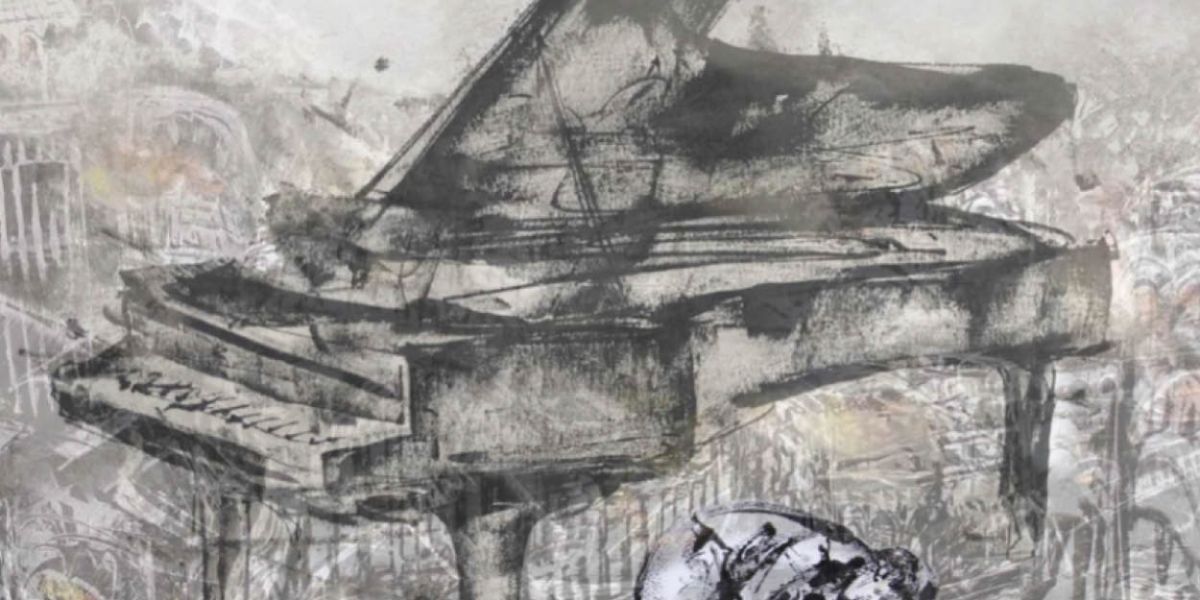
On Saturday, May 10, 2025, at 8:00pm, The Clarice Smith Performing Arts Center at the University of Maryland will present Armenian-American composer and documentarian Mary Kouyoumdjian and South African-American director and writer/director Nigel Maister's Paper Pianos, commissioned and performed by Alarm Will Sound.
A finalist for the 2024 Pulitzer Prize in Music, the evening-length music and documentary-theater hybrid explores the dislocation, longing, and optimism of refugees and the experiences of those who provide services to them. It combines the spoken narratives of four refugees, including some who work in refugee resettlement agencies, with the intricate hand-drawn animations of Syrian visual artist, Kevork Mourad. Paper Pianos vividly depicts the dramatic emotional landscape of the refugee experience, the ambivalence and hope of finding safety and transnational resettlement, and the transformative and sustaining effects of the imagination. All the while, depicting the impact of music on those for whom artistic expression is forbidden.
Kouyoumdjian and the work's subject Milad Yousufi-pianist and refugee of Kabul, Afghanistan-will be traveling to College Park this spring to conduct workshops with the local Afghan families of Solutions in Hometown Connections, Sound Impact, and The Clarice on the intersection of music, storytelling, and Afghan refugee experiences.
During a time when the media is saturated with sensationalist news images surrounding the refugee crisis, this piece highlights four distinct human voices: Afghan pianist Milad Yousufi and refugee resettlement workers (and themselves refugees) Getachew "Geegee" Bashir (Ethiopia), Hani Ali (Somalia), and Akil Aljaysh (Iraq). Their interwoven stories of turmoil, displacement, flight, and hope, and the inevitable compromises that starting anew in a strange and unfamiliar country impose on those forced to flee their homes, provide a deeply humanistic background. Kouyoumdjian, Maister, and Mourad (with scenic designer Afsoon Pajoufar, and lighting designer Seth Reiser) build a unique, multimedia performance event upon this backdrop.
Milad Yousufi fled to New York from Kabul, where he lived under the Taliban's threat for pursuing music. His story of drawing piano keys on paper to teach himself to play in silence, thus avoiding life-threatening censure from the authorities, gives the piece its name. Getachew Bashir, a high-ranking judge in Ethiopia, left his country when the judiciary and his independence threatened to become co-opted by the regime. Hani Ali was a child of the refugee experience, born on the run and coming of age as a young girl negotiating the terrors of being stateless in a displacement camp. Akil Aljaysh-who is from a prominent family-fled Iraq after being tortured and worked his way through Syria and Lebanon to the US.
Maister and Kouyoumdjian conducted extensive interviews with the participants and Kouyoumdjian's score uses these recorded testimonies as integral compositional elements, additionally drawing on folk-music and contemporary-music practices in the composition. She says: "As the daughter of refugees who immigrated to the United States as a consequence of the Lebanese Civil War, and as the granddaughter of refugees of the Armenian Genocide, topics of political and social conflict, diasporic communities, and creating understanding between audiences and storytellers have played a large role in my music documentary works. Experiences like Milad Yousufi's resonate with me, as my own family was not in a safe position to speak up about the atrocities they experienced. Celebrating freedom of expression and raising one's voice are important for any community to move forward, and, as such, it is my humble hope to use my own privilege as a musician to help cultivate an audience and culture that is more ready to create direct change."
Maister adds, "Milad Yousufi's story of finding solace, purpose, and transformational hope in the world of his imagination (and, indeed, in music) serves as a metaphor for the hope all refugees bring to their quest to find safety and deliverance from displacement and terror. Paper Pianos is a work, less defined by an overarching narrative, than by an exploration of the emotional landscape of forced flight and the unwavering belief in the possibility of renewal."
Paper Pianos premiered in 2022 at EMPAC in the center's 400-seat proscenium theater-a venue that incorporates theatrical technology and capabilities previously found only in the most advanced stage spectacles. Thus, creating proximity between audience and performers in an impactful performance.
Performance Details
Clarice Presents Paper Pianos
Saturday, May 10, 2025 at 8:00pm
The Clarice Smith Performing Arts Center
Link: theclarice.umd.edu/events/2025/alarm-will-sound-paper-pianos
Tickets: General Admission $20-$50; Students & Youth $10.

|
Bocking Baltimore Center Stage (8/14-9/06) |

|
The Dinner Detective Murder Mystery Dinner Show The Dinner Detective Baltimore (8/15-8/15) |
|
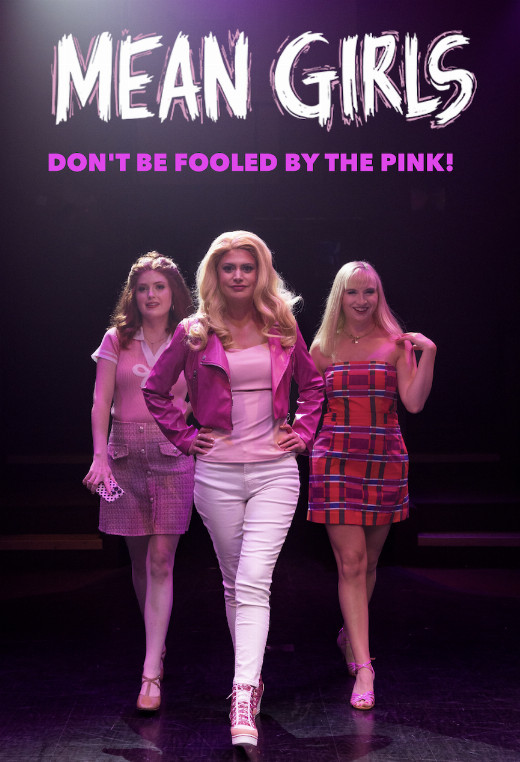
MEAN GIRLS Toby's Dinner Theatre (6/12-8/23) |
|
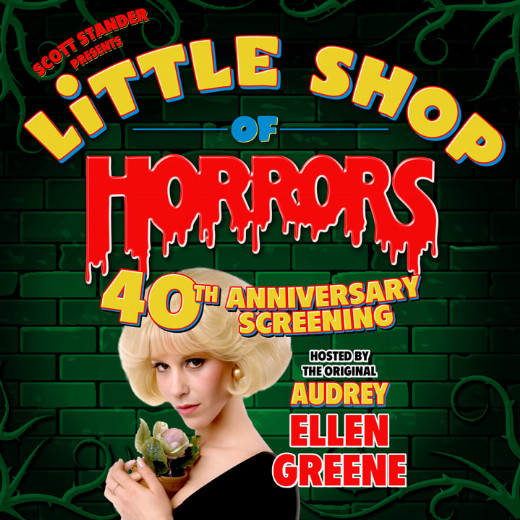
Little Shop of Horrors 40th Anniversary Tour with Ellen Greene (the Original Audrey) M&T Bank Exchange (9/26-9/26) |
|
Hamilton (Angelica Company) France-Merrick Performing Arts Center (3/09-3/28) |
|
Classic Theatre of Maryland presents "THE SECRET GARDEN" Classic Theatre of Maryland (7/08-7/25) |
|
The Moors Maryland Ensemble Theatre (2/12-3/07) |
|
Classic Theatre of Maryland presents "SHE STOOPS TO CONQUER" Classic Theatre of Maryland (3/04-3/21) |
|
The 39 Steps Maryland Ensemble Theatre (5/21-6/13) |

|
You're a Good Man, Charlie Brown Compass Rose Theater at Live Arts Maryland (9/18-10/04) |