


Review: HAIRSPRAY at Springer Opera House
Come see a show that's larger than life
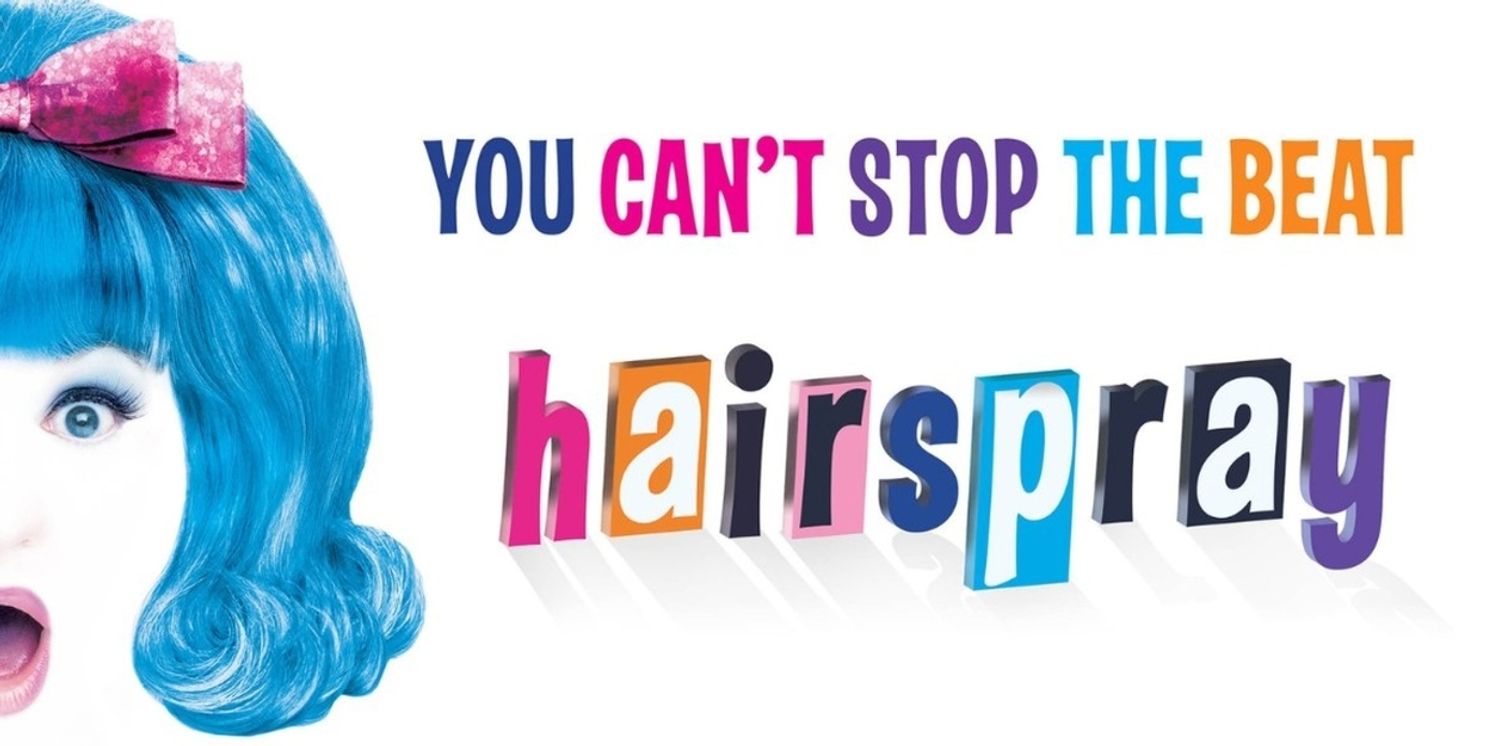
COLUMBUS, GEORGIA — What do the pony, the mash potato, the swim, and the twist all have in common? They are 1960s dance crazes that were revived in the fabulous swingin' musical Hairspray, an endearing production of which plays for the rest of this month at the Springer Opera House.
Hairspray is the hit 2002 stage musical based on the train wreck of a 1988 film of the same name. The play tells the story of plus-sized teenager Tracy Turnblad, who wants nothing more than to dance on The Corny Collins Show, a local afternoon TV show similar to American Bandstand. Her weight makes this an unlikely prospect, but when she beats the odds and joins the cast, she uses her new influence to try to desegregate the show — a major undertaking in 1960s Baltimore.
Michelle Colette Ingle embodies the sweet and outgoing Tracy. Ingle sets the tone for the entire show with her boundless energy and optimism in the song "Good Morning, Baltimore." Her talent and stage presence makes it easy for her castmates to build on her performance; in the spoken scenes, Ingle build natural relationships between Tracy and the other characters. Likewise, in songs like "I Can Hear the Bells" and "Without Love," she sings with such sincerity that she could even wriggle her way into this jaded critic's heart.
Garrett Alan James plays Edna Turnblad, Tracy's mother. Edna's protectiveness towards Tracy and the pride she had in her daughter made James believable as a mother. I also loved Edna's makeover during "Welcome to the '60s." When James emerged from the upstage door, Edna was a whole new woman. For the first time in years, Edna was pretty, and she strutted around the stage to show that she knew it. Penny Pinkleton, played by Kate Bilenko, has a more gradual transformation. It is as drastic as Edna's, though, and Bilenko showed Penny's changes masterfully. Her development from am anxious, downtrodden teenager to lovestruck rebel was fun to watch and made "Without Love" a major strength of the second act. One of the most satisfying aspects of Mark O'Donnell and Thomas Meehan's script is the growth that these characters experience, and James and Bilenko did not disappoint in showing organic, meaningful changes in their characters.
Other supporting actors were assets to the production. As Motormouth Maybelle, Shuga Henry soulfully sang "I Know Where I've Been" and gave the song a reverence that turned it into a hymn. Brady Ryan Phillips is a smooth Link Larkin, and the way Link could milk his sex appeal made him a believable teen idol. Sterling Baker-McClary portrays Seaweed J. Stubbs with charisma to spare. His impassioned "Run and Tell That" and tuneful performance in "Without Love" showed that Seaweed could be just as big a star as Link, but that he was being limited and kept down by the racist policies of the time.
Finally, Larren Woodward's performance of Velma Von Tussle showed the audience what happens when a mean girl grows up. The script makes Velma too cartoony to be a truly theatening villain, but Woodward made it work, especially during "Miss Baltimore Crabs" and when making cruel remarks about Tracy.
Director and choreographer Keith McCoy is in top form with Hairspray. McCoy mixes and matches popular dance steps from the 1960s to create innovative dances for "Welcome to the '60s," "Run and Tell That," "You Can't Stop the Beat," and other highlights from the score. There are no "Whites Only" signs on the set, but McCoy conveys the day-to-day reality of 1960s segregation through the directing and movement. In "Good Morning, Baltimore" and "The Madison," Black and White cast members dance separately in different halves of the stage. Moreover, McCoy gives the each group of dancers their own physical "vocabulary" of steps and movement, resulting in two distinct styles that gradually merge in the show's rewarding finale.
McCoy is an actor's director. Every actor on stage is given a purpose in each scene, and no one is neglected. I also appreciate how McCoy knows how to bring the emotion into a big musical comedy. "You're Timeless To Me" is a touching salute to the mature, tested love between Edna Turnblad and her husband Wilbur (played by Candler Budd). Furthermore, the spoken scene where Tracy, Motormouth, and other characters grapple with the evils of segregation and racism give the show its moral authority.
Walter Pigford's set design was one of the technical strengths of the production. I especially loved the midcentury modern sign for The Corny Collins Show with its neon trim. It was odd that the Turnblad house set and Tracy's jail cell were so small, but that may have been necessary to accommodate space limitations off stage. Wesley Forlines's lighting design was eye-catching, especially when he added color in "Welcome to the '60s." Indeed, the final scene in the TV studio was so brightly lit with different colors that it felt like a Technicolor film from the era. However, the technical team did botch some of the lighting cues in the opening night performance I saw (especially in "Mama, I'm a Big Girl Now"), but these are the sorts of errors that get fixed quickly.
One of Hairspray's charms is how it faithfully recreates the 1962. Its score (with music by Marc Shaiman and lyrics by Scott Wittman and Marc Shaiman) is incredibly authentic, and the script is littered with references to Debbie Reynolds, Khrushchev, and other personalities of the era. Hairspray fits in nicely next to the musicals from the time period like Bye Bye Birdie (1960) and How to Succeed in Business Without Really Trying (1961). However, I wonder if Hairspray may become a dated artifact of the early 2000s as time progresses. Post-Obergefell, Hairspray's socially progressive subtext no longer lands as forcefully as it did in the 2000s. And as America enters the age of Ozempic, the play's message of body positivity is starting to feel quaint. In 20 years, will it be hard to find an overweight actress who can play Tracy without padding?
Whatever the future holds, nothing should stop audiences from catching Hairspray now at the Springer Opera House. Every scene is a pleasure, McCoy's directing and choreography are flawless, and the payoff of "You Can't Stop the Beat" alone is worth the price of admission. So, rat your hair up as high as it will go and make a date to see Hairspray before it closes on March 29.
Reader Reviews
Videos