


Season 2, Episode 5: Behind every summer is a community that keeps Fire Island alive. This episode explores the history of the beloved Pines Pantry through the eyes of its iconic Pantry Girls, alongside the volunteer firefighters of The Pines and Cherry Grove who protect the island from fires, hurricanes, beach erosion, and an uncertain future.
The Center For Jewish History to Present PARTISAN SONG: Stories And Music Of Holocaust Resistance
Blending live performance with storytelling, the program will feature readings from the book interwoven with choral performances.
By: Chloe Rabinowitz
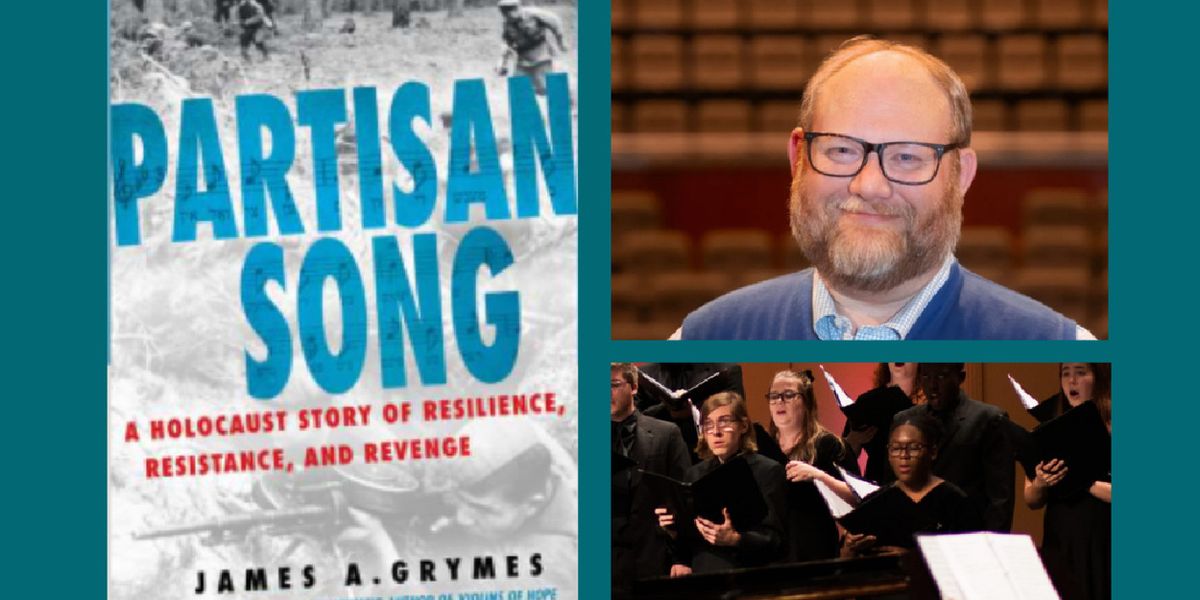
On March 9 at 7:00 PM, the Center for Jewish History will host The University of North Carolina at Charlotte for a stirring evening of music and memory inspired by Partisan Song: A Holocaust Story of Resilience, Resistance, and Revenge, the new book by award-winning author Dr. James A. Grymes. Blending live performance with storytelling, the program will feature readings from the book interwoven with choral performances by the University Chorale of UNC Charlotte of Yiddish partisan songs, including newly reconstructed works that have not been heard publicly since World War II.
The performance tells the extraordinary story of Moshe "Uncle Misha" Gildenman, a civil engineer, community leader, and amateur musician from Korets, Ukraine, who became one of the most successful Jewish partisan commanders of the war. After 2,200 Jews in his town were murdered in a single day in 1942, including his wife and daughter, Gildenman fled to the forest with his son and a small band of survivors. Armed at first with almost nothing, they built a resistance unit that carried out more than 150 missions against Nazi forces.
"These songs remind us that even in the darkest moments of human history, courage endured," said Dr. Gavriel Rosenfeld, President of the Center for Jewish History." By restoring these voices to the present, this program honors not only the memory of those who resisted, but the enduring power of music as testimony."
Music sustained Gildenman throughout the war. He carried a small Yiddish songbook folded in his shirt pocket, one of the few possessions he took into hiding. During his research, Grymes uncovered that fragile volume along with a notebook of partisan songs collected by Gildenman's son. Drawing on these rare sources from Yad Vashem, Grymes reconstructed and arranged several works for chorus, including two songs Gildenman wrote in the ghetto and forest, urging others to join the fight.
To ensure linguistic authenticity, the students have worked with Binyumen Schaechter, conductor of the Yiddish Philharmonic Chorus, on Yiddish diction and interpretation.
This event is free and open to the public. Tickets and additional information are available here. View the trailer here.
Broadway news in your inbox
Weekly top stories - unsubscribe anytime.
Weekly top stories - unsubscribe anytime.
Popular episode

.gif?width=300)


Tickets From $59

Tickets From $70

Tickets From $59

Tickets From $101