


Student Blog: A Study of Gratitude
What does it actually mean to practice gratitude in a life that is built around constant striving, constant evaluation, constant becoming?

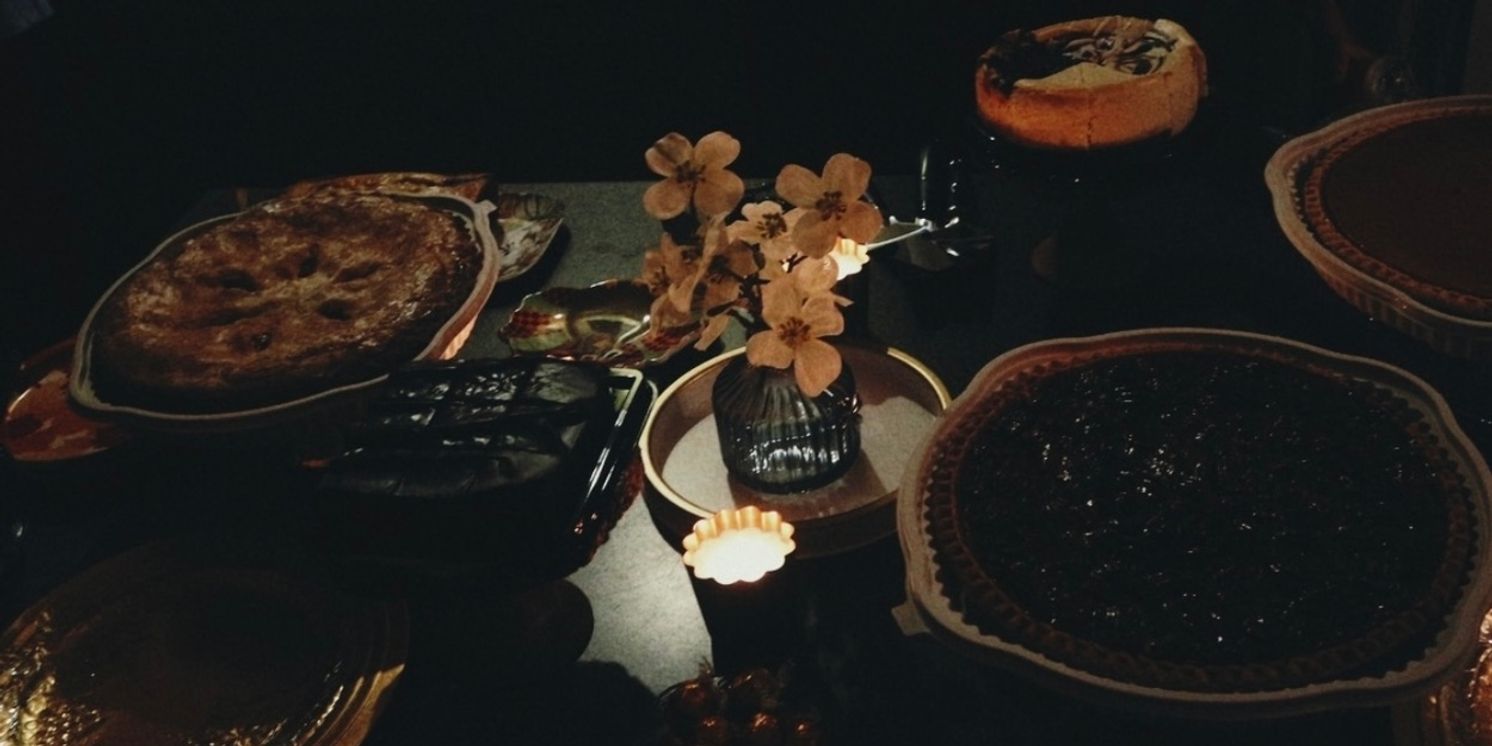
This season always pushes the word gratitude back into every conversation, but in the arts, it often lands in more complicated ways. The work does not slow just because it is a holiday. The pressure to make something meaningful does not pause for tradition. I wanted to write about gratitude from inside that overlap. Not as a seasonal reminder, but as a real question. What does it actually mean to practice gratitude in a life that is built around constant striving, constant evaluation, constant becoming? This reflection is my attempt to examine that feeling more honestly.
Gratitude is one of the few emotions everyone claims to understand, yet most people only encounter it on the surface. It shows up in seasonal language, in polite exchanges, in captions that list what is good as if feeling thankful were simply a matter of naming possessions. But lived gratitude is not a checklist. It is a way of perceiving. It changes not what exists, but how existence itself is interpreted. What makes gratitude difficult to recognize is that it rarely corresponds with excitement. It does not announce itself the way success does. More often, it enters when nothing has changed at all, when the day looks the same as it did yesterday and the work feels ordinary. And yet, something shifts. What once felt neutral begins to register as supported. This is where gratitude actually lives. Because of this, people tend to assume they will feel grateful for the big things, the turning points, and the visible rewards. But most of what sustains a life is not built from those moments. It is built from what continues. Gratitude grows less from spectacle than from noticing endurance.
There is also a humbling quality to gratitude. To feel grateful is to admit that control is limited, that timing mattered, and that chance played a role. Gratitude dismantles the idea that a life is built by intention alone. It exposes how much of what feels like personal achievement is actually supported by layers of effort beyond the self. This awareness takes on particular weight in artistic and creative spaces. The industry trains people to center output, identity, and eventual arrival around a name, a role, a result. Over time, it becomes easy to confuse being productive with being valuable. Gratitude interrupts that confusion. It redirects attention to the human underneath the work, the one who tires, doubts, and still has to live inside the process when the work is over.
From there, gratitude begins to reshape ambition in a more deliberate way. It does not cancel desire. The drive to grow does not disappear when gratitude is present. What changes is the way that desire is carried. Wanting no longer erases what already is. Sustaining this perspective is difficult in a world built on speed and comparison. Attention is constantly pulled toward what is missing, what is delayed, what might be improved. Gratitude asks for a different rhythm. It invites attention to hold what is working alongside what is unfinished and insists that what is wrong is not the only thing that exists in the frame.
This tension is tested when things do not work out. Failure, delay, and misdirection are not experiences people rush to honor. They disrupt and resist meaning when they occur. And yet, later, many of the most defining shifts in a person’s life trace back to a wrong turn they once resented. Gratitude here is not romantic. It is honest. It acknowledges that some of what once felt like loss altered direction in ways that now feel necessary.
Taken together, these layers reveal that gratitude is not a mood. It is not optimism. It is not denial. It allows a person to recognize that life can be unfinished, imperfect, still in motion, and still sustaining something real at the same time.
A study of gratitude, in the end, becomes a study of what the mind learns to see when it stops orienting only around what is missing. It is an education in noticing support without requiring certainty. And that shift, subtle as it often is, changes not just how a person feels, but how a life is navigated from the inside.
Videos