Student Blog: What Sticks and Why
Lately I have been noticing how the same piece of art can feel completely different depending on where it appears.

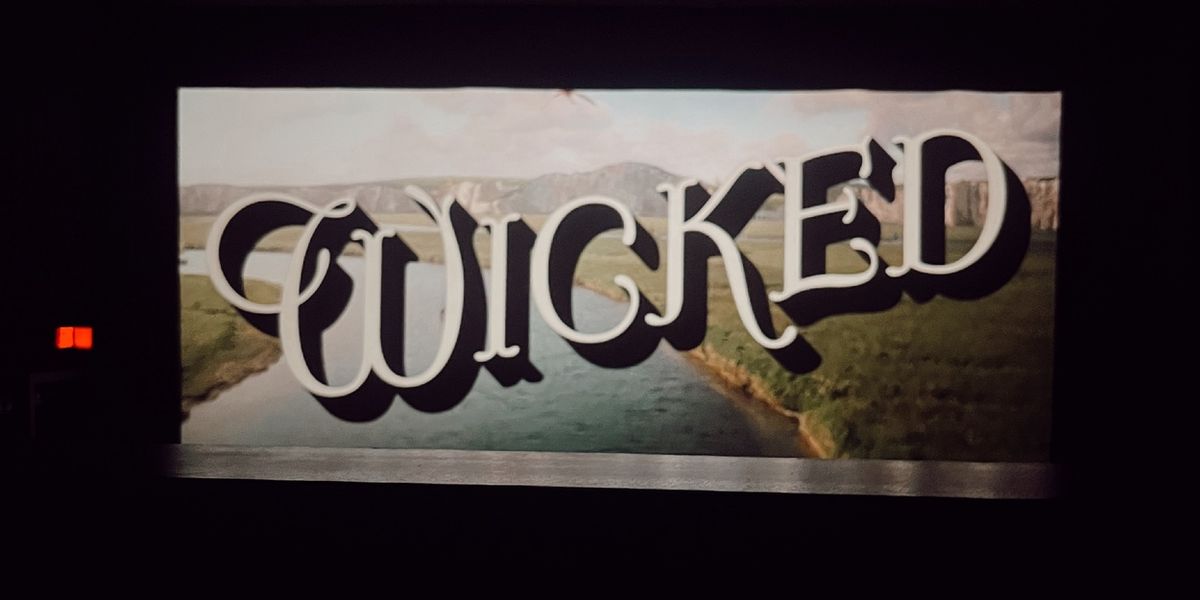
“Where does a work feel truest.”
Lately I have been noticing how the same piece of art can feel completely different depending on where it appears. Something can live on a stage, on a movie screen, or on a phone in someone’s hand, and somehow it is still the same thing and not the same thing at all. Each setting pulls your attention a certain way. Each asks you to meet it differently. Moving between theatre rooms, film conversations, and the constant presence of digital viewing has made that really clear to me. The form does not just hold the work. It changes the way we take it in.
People often compare the versions. They point out what each one does or misses, and eventually it turns into a debate about what feels most authentic. I started realizing it reminds me of how people talk about books and their movie adaptations. You imagine something one way when you read it, and the screen offers a vision shaped through someone else’s eyes. One does not erase the other. They just reveal different angles. Musicals feel the same to me, and what keeps standing out is how much the first version you meet shapes the way you understand everything that comes after.
Being in a theatre places you inside something unfolding in real time. In a big Broadway house the scale hits you first. In a smaller venue the closeness makes you pay attention in a different way. The atmosphere, the people around you, the performers, all of it shifts the experience. No two nights feel the same, and that subtle unpredictability becomes part of the meaning.
Film brings a different kind of intentionality. The camera decides where you look. The pacing gives the story a shape that only exists in film. The world can open outward or pull inward with a clarity that live performance cannot recreate. For a lot of people the film becomes the version they return to most, partly because it is the easiest one to revisit. It is not a final truth. It is an interpretation, and over time that interpretation becomes part of how the work stays alive.
Filmed stage productions sit somewhere in the middle. They do not try to reinvent the work, but they do more than just record it. They create a kind of distance that lets you see details you might miss in the room, yet they also remind you of what can never fully translate. When I watch a pro shot I notice both. It becomes its own encounter shaped by clarity, limitation, and the way digital access has become a primary entry point for so many people now. It always makes me think about what a recording can hold and what still belongs only to the live moment.
What I keep returning to is how personal each path is. Some people feel rooted in the live experience. Others connect most deeply through the film. Some discover a single clip online and follow that feeling into more. Some start with the book and watch how stage and screen shift what they imagined first. None of these paths cancel each other out. They just reflect the different ways people find their way into the work.
I used to think a work needed one central version. Now I think its strength comes from the way it can move between forms with real fluidity. I am less interested in deciding which one is “better” and more interested in how people arrive there. These experiences do not compete. They expand the possibilities. In the end, it comes down to how we take it in. What feels true shifts with the space, and maybe that shift is the closest answer we ever get.