


Quadrophenia, A Rock Ballet Aims for Teenage Turmoil, Gets Lost in Riptide
A lavish staging and gifted cast can’t steady a production that never decides what story it wants to tell.
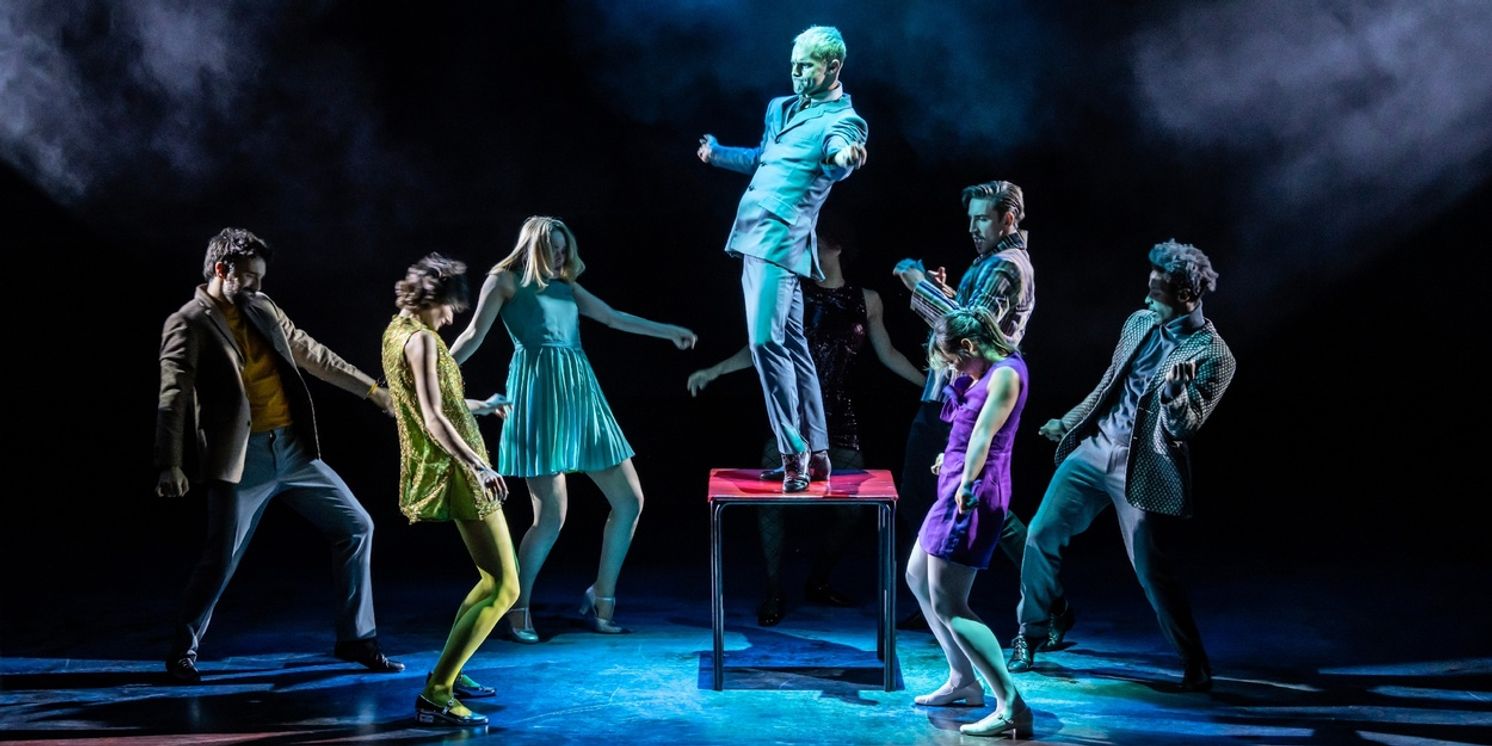
Stories of disaffected youth have long had a home in the theatre, from the swagger of West Side Story to the class tensions of Billy Elliot to the tenderness of The Outsiders. It’s into this tradition that Pete Townshend’s Quadrophenia, A Rock Ballet attempts to step.
Following a sold-out run at London’s Sadler’s Wells Theatre and a U.K. tour earlier this year, the production made its New York stage debut this month at New York City Center. It runs from November 14–16. Based on The Who’s 1973 album, the rock ballet tries — sometimes valiantly — to translate the album's stormy interiority into dance-theatre.
Quadrophenia was The Who’s third rock opera after the groundbreaking Tommy, and it shares that same youth-in-crisis DNA: disaffected boys, emotionally volatile parents, psychedelics, and an undercurrent of existential drift. The 1973 film adaptation performed well with audiences and has since found a niche resurgence. The show uses the album’s plot faithfully: Jimmy, living in 1965 London, clashes with his parents, brawls with Greaser-types in Brighton, chases Mod Girl, and idolizes the cool Ace Face.
Townshend’s wife, composer and orchestrator Rachel Fuller, provides the show’s musical backbone through orchestrations she created a decade ago for the Classic Quadrophenia project. Here, however, the vocals are removed. It’s a bold choice—and a misstep. Without lyrics to anchor the narrative, the score flattens. It’s majestic in places, but also mushy, even mundane, with an emotional register that rarely shifts.
.jpg?format=auto&width=1400 "Quadrophenia, A Rock Ballet Aims for Teenage Turmoil, Gets Lost in Riptide")
Paul Roberts' choreography exists in a similarly murky in-between. This is not a ballet, nor does it sit alongside contemporary ballet hybrids like Illinoise, nor experimental dance-theatre like the 2000 Tony-winning Contact. Like the score, the movement language is complex, tightly coordinated, and intentional. It is also directionless. Choreographic motifs repeat endlessly, arriving at no clear crescendo, no moment that signals what the piece wants to be. The dancers are immensely talented, committed, captivating. But even the strongest performers can’t rescue choreography that seems unsure of itself. At its core it is part Billy Elliot, part West Side Story, part So You Think You Can Dance, but never a fully realized whole.
Where the production truly shines is in Christopher Oram’s set. The opening at the rock is spectacular. Visually and aurally charged, it promises an emotional experience the show never delivers. Still, the set keeps trying: a living room with a functioning TV, giant scrims with mesmerizing graphic design and video elements, a diner whose hidden doors allow characters to pop up in ways that are charming yet occasionally Dr. Seuss-like (a directing issue more than a design one). A train sequence, though misplaced — more second-act farce than first-act propulsion — is executed beautifully.
The direction, though purposeful, finds the wrong purpose. The show is too long: two hours that could easily be a tight 90 minutes. The first act drags with tiny denouements that keep dissolving into nothing. The second act is confusing, saved only by a Brighton Beach rumble lifted directly from West Side Story and The Outsiders. These choices produce a momentum-free experience; visually striking but emotionally opaque. Who should audiences care about? What does any character want beyond the vaguest gesture toward coming of age? With such rich source material, these questions should not be mysteries.
Costuming, at least, is a triumph. Top designer Paul Smith delivers innovative, period-perfect, beautifully fitted designs that lean into a seductive, androgynous aesthetic. The show often flirts with eroticism in deeply unsatisfying ways, but the costumes give that impulse clarity: sharp lines, exposed legs, bare chests, elegant slits in dresses, well-tailored suits. The LaDuca shoes add fun in their colors, heel heights, and styles. While the costuming-as-storytelling gets muddy — this production is muddy by nature — it remains enjoyable.
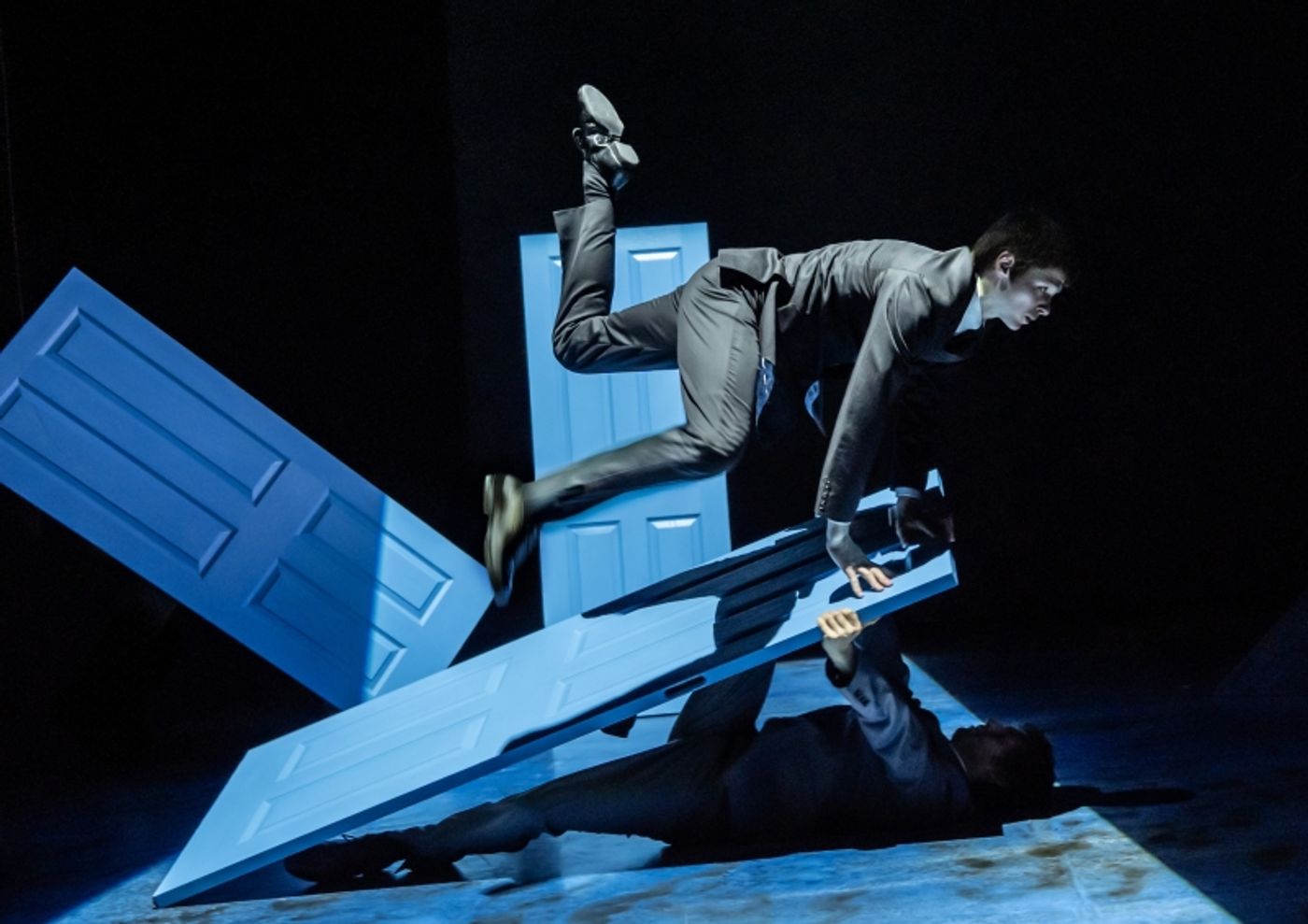
Paris Fitzpatrick, as Jimmy, shoulders an enormous load and carries his scenes with a commitment that feels almost impossible given the show’s structural issues. His emotional clarity is striking, even if the writing leaves him cycling through a narrow range — awe, sadness, sex, angst — on repeat. Ansel Elgort, as the Godfather, seems uncomfortable. His dancing is hesitant, and the character’s sex-god magnetism never materializes. Watching his air-guitar hip-thrusting is awkward, especially when the next scene includes the real Pete Townshend on stage actually playing guitar. It’s an unfair comparison, but the show itself sets it up. Serena McCall’s Mod Girl is technically stunning, carrying a huge amount of narrative weight without showing strain. And Seirian Griffiths is a standout in every appearance; eyes gravitate toward him instantly. He saves entire scenes.
Quadrophenia, A Rock Ballet reaches for the legacy of theatrical youth-in-revolt but never finds its footing. It looks incredible, sounds impressive in theory, and boasts a cast working overtime to make sense of it. But the production, like Jimmy himself, keeps searching for an identity it never fully claims.

Videos