Exclusive: Director Andreas Zerr on the Making of New ROCKY HORROR Doc SANE INSIDE INSANITY
Sane Inside Insanity: The Phenomenon of Rocky Horror will have its official theatrical release in North America on September 25, 2025.
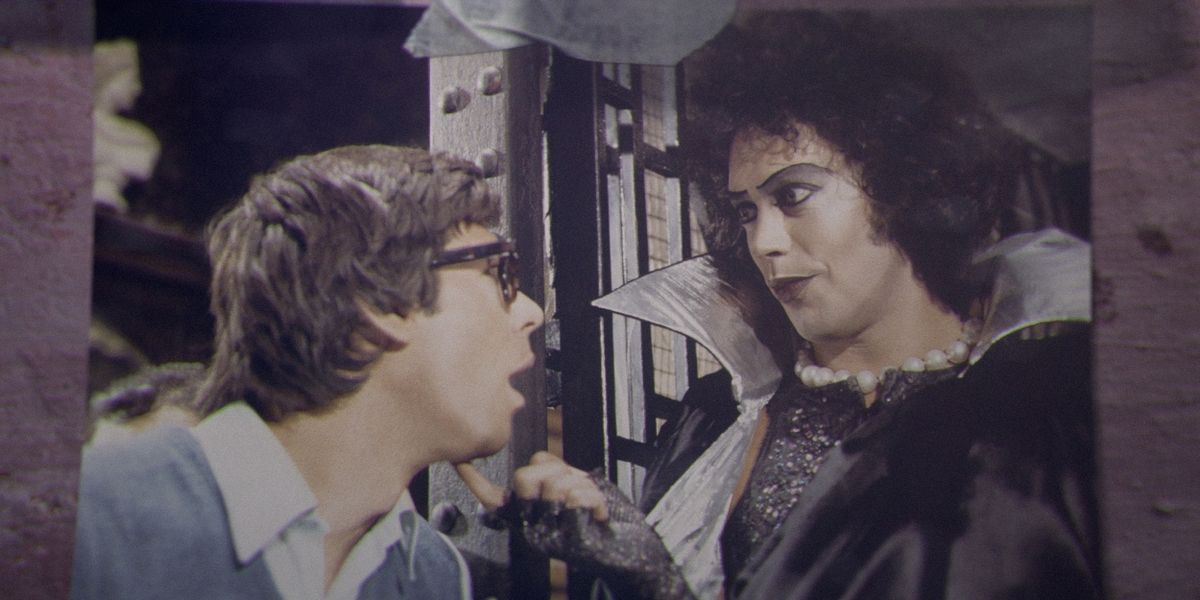
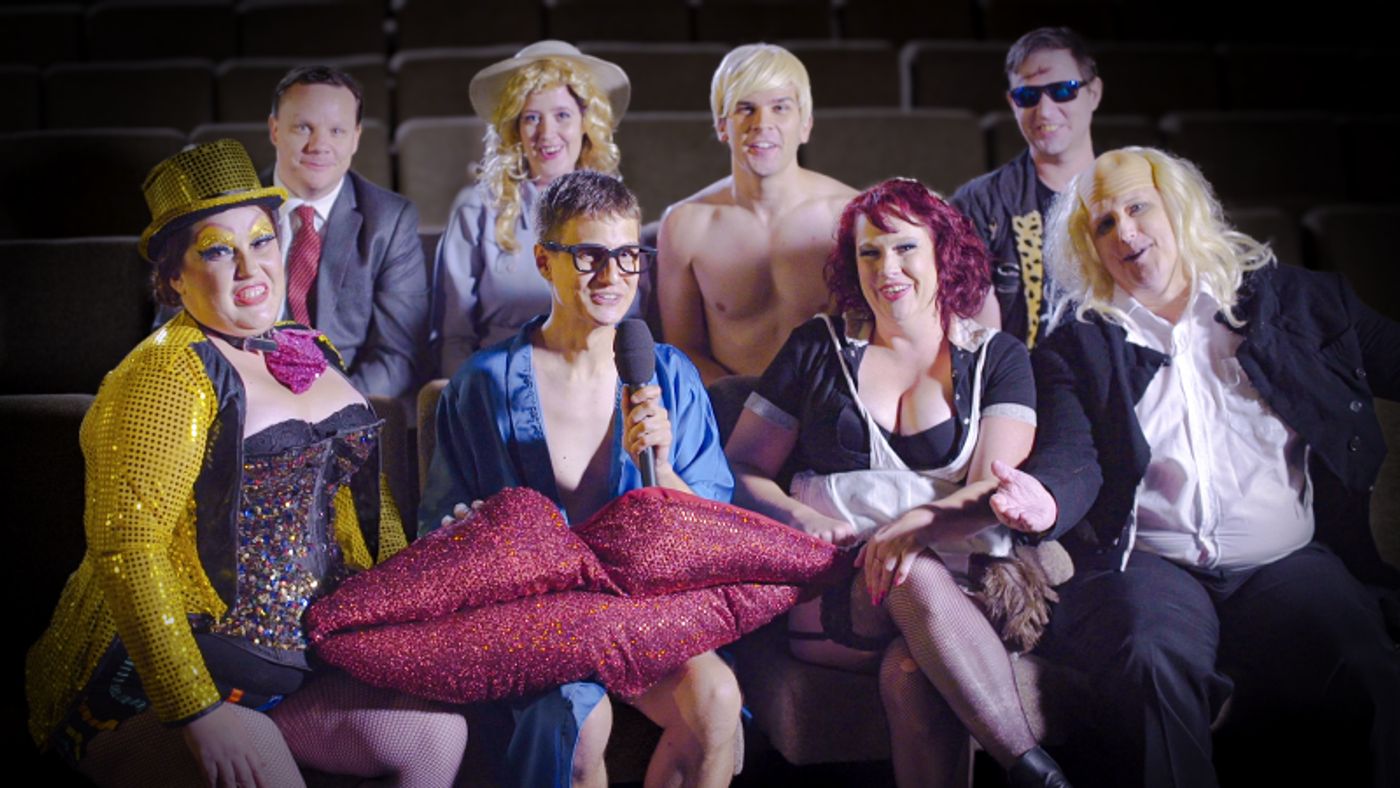
2025 marks the 50th anniversary of one of the biggest cult classics in cinema history: The Rocky Horror Picture Show. Based on the celebrated stage production, the film has gone on to become a fan-favorite musical event, particularly on the midnight theater circuit. Weekly screenings of the film with shadowcasts- performers dressed as the electric characters from the movie- remain popular worldwide, and have resulted in the film becoming the longest-running theatrical release of all time.
In his new feature documentary, director Andreas Zerr explores this global phenomenon beyond just the movie itself. With wide-spanning, in-depth interviews with actors, creatives, and fans, Sane Inside Insanity: The Phenomenon of Rocky Horror takes a look at its rich history from the conception of the stage show to its early productions and into the present day.
The candid interviews were conducted over the course of a decade, with rare conversations with cast and crew members, many of whom had never before shared their stories on camera. Filmed across multiple countries, the documentary features original cast members like Patricia Quinn, Nell Campbell, and Barry Bostwick, to creatives such as director Jim Sharman, musical director Richard Hartley, and more.
Ahead of its theatrical release later this month, we caught up with the director to discuss the genesis of the documentary, how the interviews shaped the final product, and his eye-opening experience making the film.
Sane Inside Insanity: The Phenomenon of Rocky Horror saw its world premiere at the Krakow Film Festival earlier this year, and will have its official theatrical release in North America on September 25, 2025.
This interview has been condensed for clarity and length.
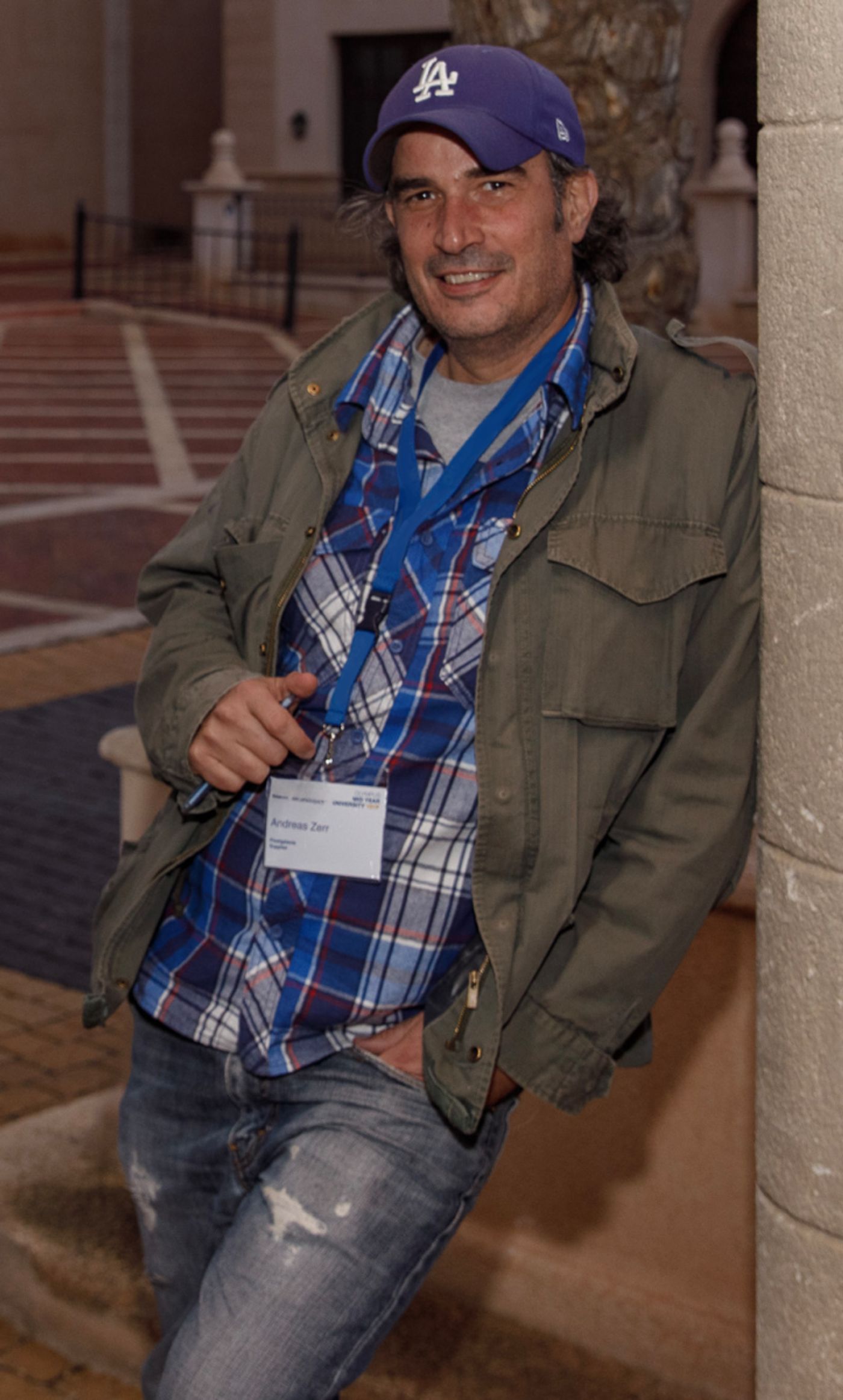
How did this project first begin for you, and how long has it been in the making?
It has been going on for almost 11 years. We started the project in 2014 with our first interviews, and it took us about 10 years or eight years until the final shooting in 2022 in New York, and then another one and a half to two years for the whole post-production process. We always treated it as a side project because it was not financed or backed up by a large studio or investor, or streamer. We financed everything on our own. So it was more like a project we did in between paid jobs, and that's one of the reasons why it took so long.
The advantage of taking such a long time is that you can dig very deep into the topic. In our case, we had the time to really make good connections and seek out people who haven't told their stories before. For example, Harriet Cruickshank, who has never been on camera before, Paddy O'Hagan, the original Eddie, and Peter Suschitzky, the cameraman. These are people you won't necessarily think about when you start a documentary like this.
It originally started very small. I was never a big fan of Rocky Horror, I have to admit. I watched it a couple of times in my teens, and then I forgot about it for 30 years. So fast forward 30 years, I heard a song on the radio, and I wondered what had happened to the people who made the movie. Everybody knows about the amazing careers of Tim Curry and Susan Sarandon, who are part of the film. But people like Richard O'Brien, Nell Campbell, and Pat Quinn all kind of disappeared from the international stage, at least. They all had amazing careers in their own right, but very local.
The initial intention was just to make a 30 or 45-minute feature. But when we had our first interviews, especially with the Costume Designer, Sue Blaine, a huge world opened for us. At that point, I wasn't really aware of the stage play or the cult phenomenon, which is still going on.
With the 1975 film as our starting point, the story developed into two directions: the original conception and into the present. It became very interesting, especially the influences that Rocky Horror gave to contemporary artists at that time, like Mick Jagger, David Bowie, Steve Strange. And the cult phenomenon, 50 years later, is unprecedented. So the story became really big and amazing, and that's basically the reason why we made it to this extent.
Did you look to any other documentaries or behind-the-scenes features for inspiration in terms of structure or tone?
Actually not. I've been in the business for like 25 years, and I've made lots and lots of documentaries. By heart, I'm an editor. While we were filming, and especially while we were editing, it occurred to us that the story is very, very complex. We have a lot of people, and so when editing or structuring the documentary, there was only one solution, and that was a chronological order. You start at the beginning and end at the present. Otherwise, I think it would become really complicated for people to follow.
We decided very early that we didn't want a narrator, because we didn't want to express our own opinion on Rocky Horror. As a filmmaker, it's not my job to express an opinion. What we did was just show the opinions of others. Rocky Horror is a good thing in general, but there are also darker sides, and there are also different opinions about the current stage show. Some people like it, some people don't like it, some people like the remake, some people don't like the remake, and so on. As a filmmaker, I decided to step back and let people express their opinions without adding my own opinion to it. Of course, I have an opinion, but I don't think that it's necessarily good to express it. We are not related to any business of Rocky Horror, and we are not related to Disney. So in the end, our opinion doesn't really matter.
The movie is certainly not a sanitized look at this story: it's the good and it's the bad.
We got some very good reviews a couple of weeks ago when we premiered, and a lot of them said, "It's a love letter to Rocky Horror." The funny thing is, it was never meant to be. We never set out to praise Rocky Horror, and we never set out to vilify Rocky Horror or the people within it. It's an objective view of the whole genesis of Rocky Horror from 1973 to today.
Were there significant stories or threads that ultimately didn’t make it into the final cut?
There are a couple of things. Of course, there are lots of behind-the-scenes stories from the filming. We had to cut lots of incidents that happened. We had to cut the whole Australian production between London and Los Angeles. It was very successful at the time, but the story diverted at that point, and we decided not to follow that path, to give other topics and threads more room. Otherwise, it would've gotten more complicated than it already is.
After spending so long immersed in this world, how has your personal perspective or opinion on Rocky Horror changed?
I wasn't aware of what Rocky Horror meant to so many people when we started. It was a really big surprise how many people are still doing Rocky Horror actively. We've met shadow cast actors who have been doing it for 25, 30, 35, 40 years every weekend.
That really changed my perspective on what Rocky Horror actually is. You wouldn't expect that so many people are so involved in communities or around Rocky Horror like they are. That was really a surprising thing, and it made me feel very passionate about the meaning of Rocky Horror as a haven for people who have troubles, finding friends who struggle with social anxieties, physical disabilities, all these things.
They're really wonderful people who opened their hearts to us. You are in an environment where somebody from the outside just comes in with a camera and a microphone, and people were so open. They talked about their anxieties and their problems, how they didn't find friends before they got into the Rocky Horror community. You do not find that very often, and it's really a touching thing for me. I'm proud of the documentary, but the journey towards the documentary, the whole filming process, and meeting so many wonderful people is an experience I will never forget. The experience of doing it was almost as much fun as watching the final product in the cinema for the first time.