


10 Inspiring Pieces of Theatre History I Saw Up Close And In Person This Summer—And How You Can Too!
Check out which pieces of theatre history you can see up close.
Do you have a burning Broadway question? Dying to know more about an obscure Broadway fact? Broadway historian and self-proclaimed theatre nerd Jennifer Ashley Tepper is here to help with Broadway Deep Dive. BroadwayWorld is accepting questions from theatre fans like you. If you're lucky, your question might be selected as the topic of her next column!
Submit your Broadway question here!
In many of America’s cities, theatre history exists in plain sight. Whether inside a museum or on a street corner, fascinating pieces of theatre lore exist, waiting to be discovered by an interested passerby. Here are ten inspiring displays of theatre history I saw up close and in person this summer, from New York City to Washington D.C. and beyond. You can visit them too—and many are free to see!
1. Fragment of Broadway’s demolished Helen Hayes Theatre,
National Building Museum,
Washington D.C.
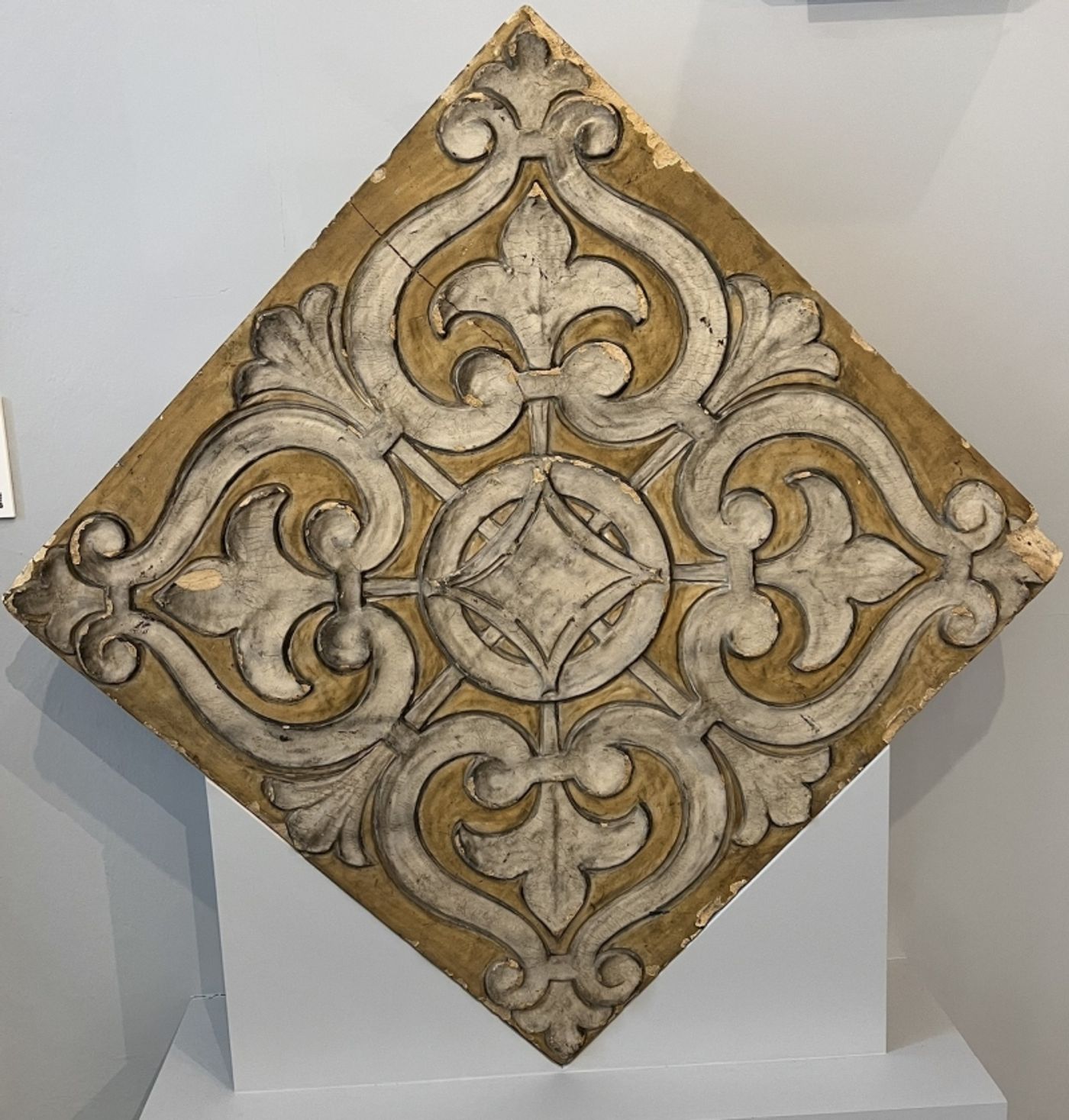 I will never forget turning the corner at the incredible National Building Museum in Washington D.C. and unexpectedly seeing what I recognized immediately as a piece of the lost Broadway theater, the Helen Hayes. One of the five Broadway theaters demolished to build the Marriott Marquis in 1982, the Hayes originally opened in 1911 as the Folies-Bergere. It was then the Fulton Theatre for more than four decades before being renamed for the First Lady of the American Theatre, Helen Hayes.
The original Helen Hayes Theatre was once an important part of Broadway, right near what is today the Richard Rodgers Theatre, home of Hamilton. I was so moved to see these pieces of the demolished theater in person. The terra cotta on display was there for the Broadway premieres of Abie’s Irish Rose, Arsenic and Old Lace, Long Day’s Journey into Night, The Me Nobody Knows, and so many more.
The Building Museum was erected in 1887 as the home of the United States Pension Bureau, largely serving Civil War veterans. Several inaugural balls have been held the glorious space where you can now glimpse pieces of a lost Broadway house, among other exhibits involving the history of architecture, design, and urban planning.
2. Costume designs for Roxie Hart in the original production of Chicago,
Patricia Zipprodt collection,
New York Public Library Main Branch,
New York, New York
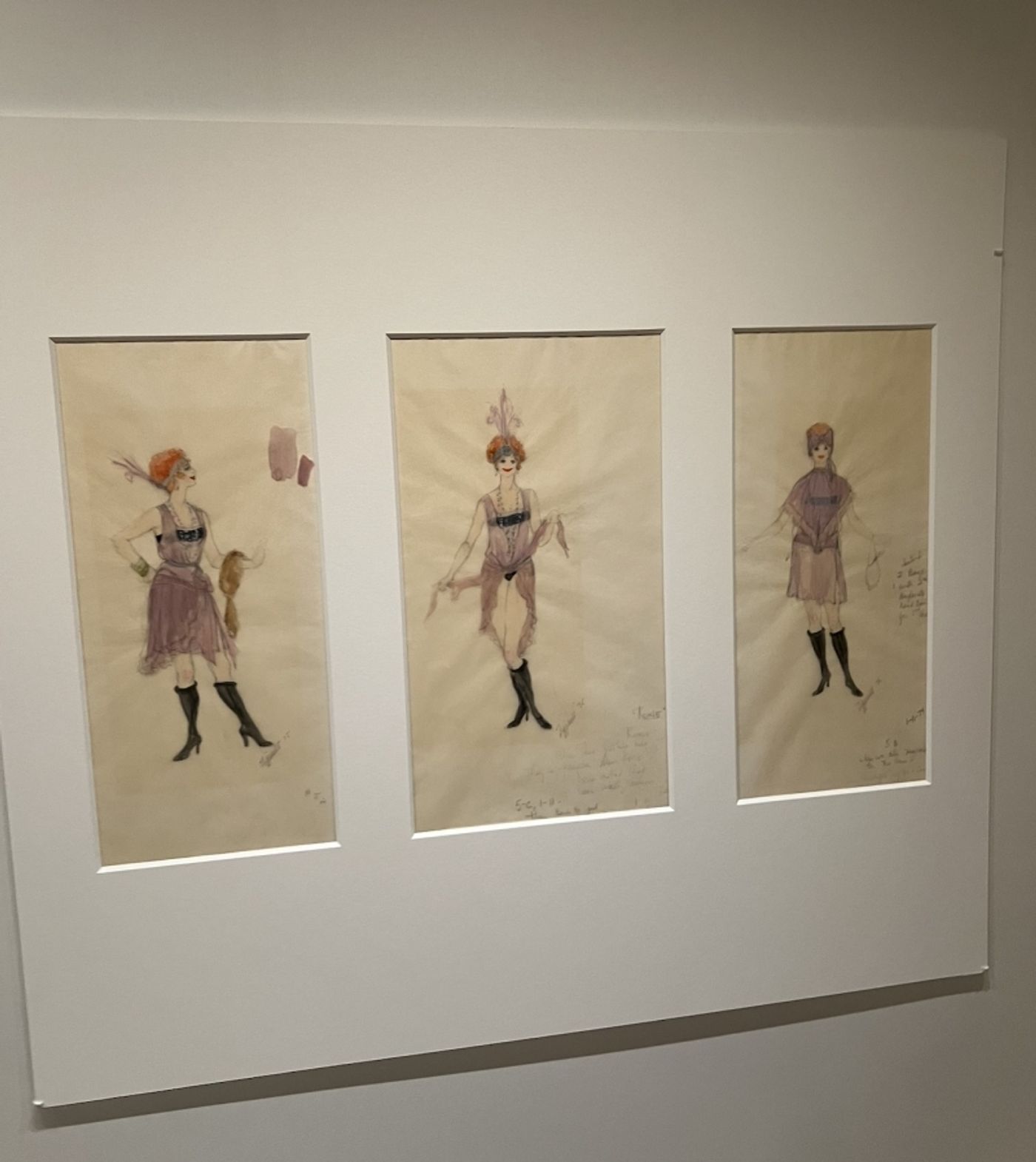
The treasures on display in Gottesman Hall at the Bryant Park flagship location of the New York Public Library are not to be missed. The Polonsky Exhibition is a permanent collection, open to the public, and admission is free. From the original dolls that inspired A.A. Milne’s Winnie the Pooh to Charles Dickens’ writing desk, there are hundreds of items to marvel at.
Currently on display in the exhibit and representing the theatre world are the designs for Roxie Hart’s final costume in the original 1975 production of Chicago. Costume Designer Patricia Zipprodt was a three-time Tony Award winner whose credits also include the original Broadway productions of She Loves Me, Fiddler on the Roof, Cabaret, 1776, Pippin, Brighton Beach Memoirs, Sunday in the Park with George, and Jerome Robbins' Broadway. Zipprodt’s career on Broadway spanned over 40 years and over 50 productions.
The New York Public Library, one of the most important institutions in the city, is home to the full collection of Zipprodt’s papers and designs, from correspondence to costume bibles. These can be viewed at the New York Public Library for the Performing Arts, located at Lincoln Center.
3. Bob Fosse’s casting files for All That Jazz,
Library of Congress,
Washington D.C.
 And speaking of Roxie Hart, Chicago auteur and director/choreographer Bob Fosse kept meticulous files throughout his groundbreaking Broadway career. The Bob Fosse and Gwen Verdon collection now lives at the Library of Congress.
The world’s largest library contains massive amounts of historic theatre materials. I spent years doing research at the Library of Congress in order to create The Jonathan Larson Project, but this summer was my first time exploring the files related to my favorite movie, Bob Fosse’s All That Jazz.
One highlight of Fosse’s All That Jazz files was this headshot and note from future Tony Award-winning legend Susan Stroman. Before she was a director and choreographer in her own right, Stroman was playing Hunyak on the original 1977 national tour of Chicago, which prevented her from auditioning for All That Jazz in person.
The Library of Congress is a public resource. Anyone can view work from the impressive list of theatre collections with their free library card. The institution is a monumental living tribute to the arts of research, reading, and learning. If you are visiting the Madison Building where the performing arts collections are kept, leave time to also view the architecturally inspiring Jefferson Building nearby.
4. Eubie Blake’s Piano,
Eubie Blake National Jazz and Cultural Center,
Baltimore, Maryland
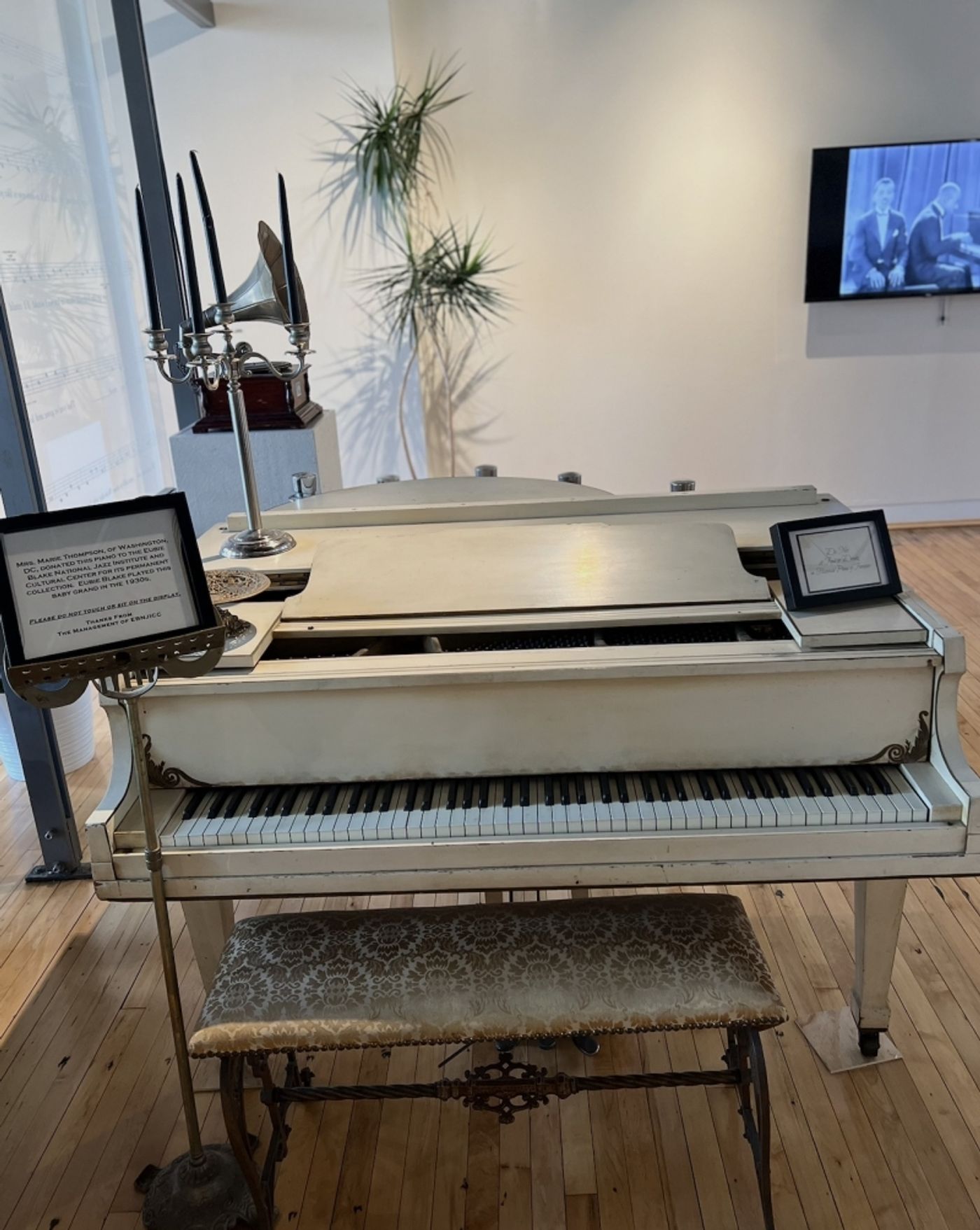 The Eubie Blake National Jazz and Cultural Center in downtown Baltimore is an oasis of worthwhile art. Because a number of the businesses that the Center shares a block with are currently closed, the area doesn’t get a lot of foot traffic. But the organization named after Eubie Blake is well worth seeking out! Inside, a museum showcases modern art created by Black artists, classes teach young people to sing and dance, and the archives of the celebrated composer Eubie Blake come to life.
For a Shuffle Along super-fan like me, seeing one of the pianos that Eubie Blake played during his lifetime up close was a dream come true. This piano is one that he wrote and entertained with in the 1930s. Nearby, a television show clips of Eubie Blake and his writing partner Noble Sissle performing several of their own songs. Sheet music, correspondence, and articles about the life and work of the trailblazing writer whose career spanned over 70 years are on display.
Long before triumphing as a composer of Broadway, jazz, ragtime, and the Great American Songbook, Blake was born in Baltimore, Maryland. His parents were formerly enslaved and his father worked as a stevedore on the Baltimore docks. Blake started out playing piano in a brothel and his talent and drive earned him a series of opportunities that led to massive success. The state’s historical society is proud of Blake and the Maryland Center for History and Culture also has an extensive collection related to his life and work.
5. George Gershwin’s Piano,
The Charleston Museum,
Charleston, South Carolina
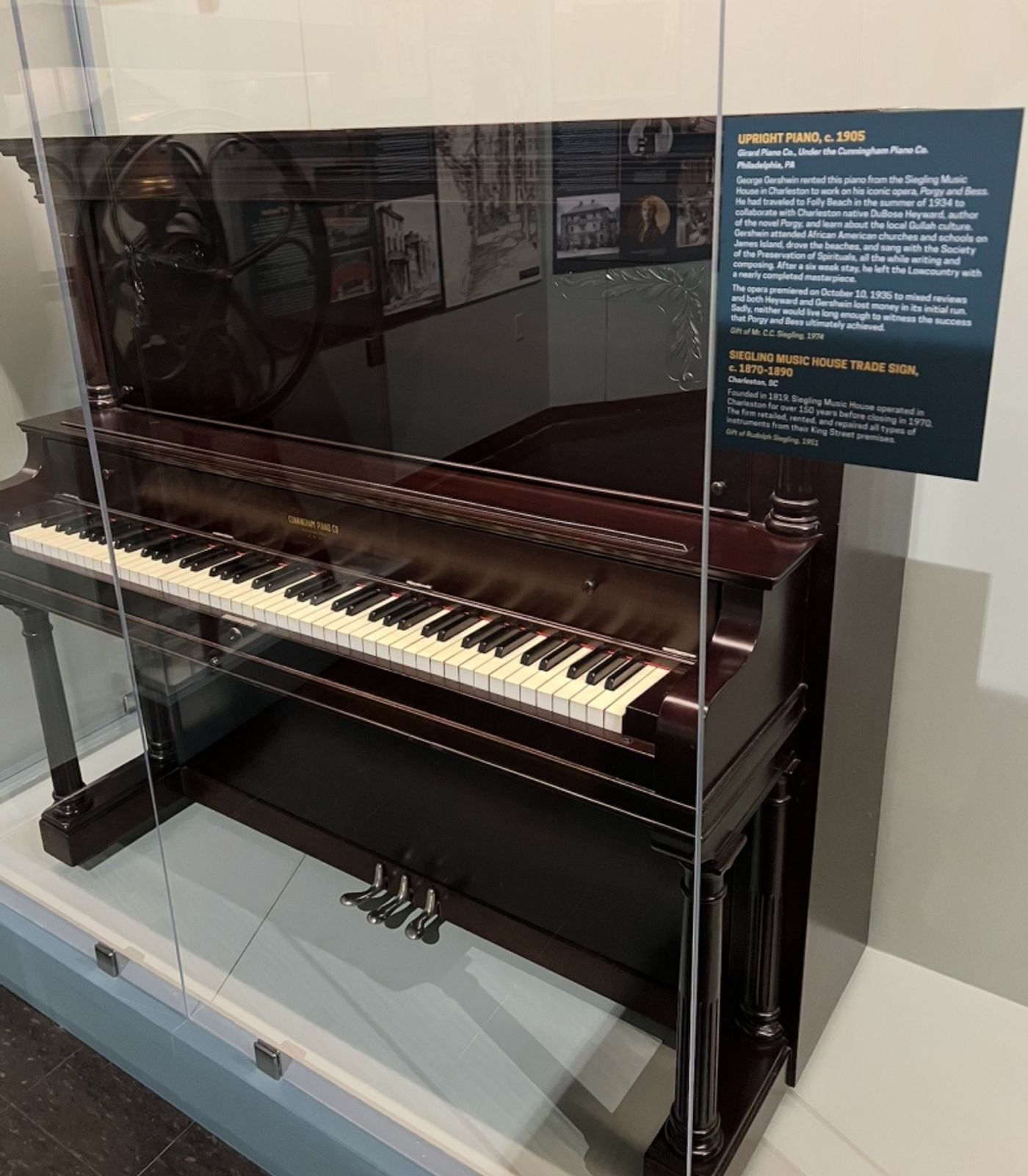
George Gershwin spent time in Charleston researching and writing his masterpiece, Porgy and Bess. The Charleston Museum now owns the piano he composed the show on during that period.
Gershwin rented the piano from Siegling Music House, one of America’s oldest music houses at the time, and brought it to his rented cottage on Folly Island. There, he absorbed the local Gullah culture, inspiring him to compose “Summertime”, “I Got Plenty o’ Nuttin’, “It Ain’t Necessarily So”, and the rest of the innovative score.
The Charleston Museum is the oldest public museum in the United States, initially founded in 1773. There are several other theatre-related items on display. If you want to focus on a Porgy and Bess deep dive while visiting Charleston, you can also visit the historic Queen Street Playhouse, where the show was workshopped, as well as Rainbow Row, the area that partially inspired the neighborhood the story is set in.
6. The Ed Sullivan Theatre (formerly Hammerstein’s Theatre) interior,
New York, New York
By chance, I was at The Late Show with Stephen Colbert taping where Colbert announced the end of the program. I had just taken these photos of the lobby interior.
The Late Show has occupied the Ed Sullivan Theatre for over 30 years. Before that, it was a TV studio. But for nine precious years, from 1927 to 1936, it was a Broadway house.
Before the Great Depression and the public media consumption evolution caused by television, this glorious Broadway theater was built and presented a slew of fascinating Broadway musicals.The venue was originally called Hammerstein’s Theatre was named after Oscar Hammerstein, grandfather of the great dramatist Oscar Hammerstein II. It was built by Arthur Hammerstein, son of the first Oscar and uncle of the second.
Keeping it all in the family, Arthur Hammerstein opened the venue with one of his nephew’s musicals. The show was Golden Dawn, and it opened less than a month before Oscar, then 32 years old, opened another new musical: the original production of Show Boat.
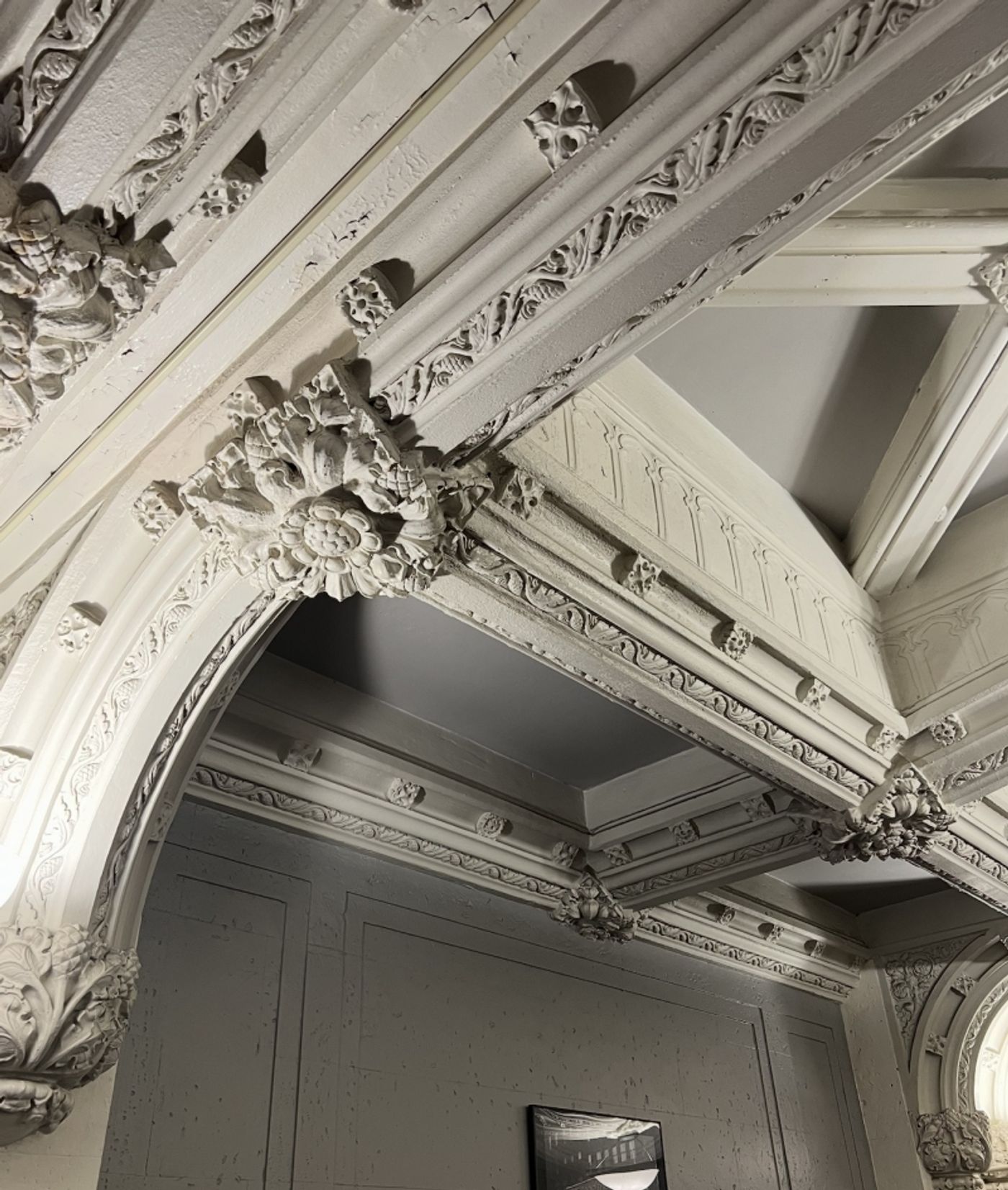
With the end of The Late Show, there is a small possibility that Hammerstein’s could once again become a Broadway house. While CBS has controlled the space for decades, it’s possible that in the current marketplace they might be willing to relinquish it. And the theater is landmarked, meaning that it cannot be demolished. Some theatre folks have asked how the current space has only 370 seats when it opened with more than 1,500 seats. Take a close look when you visit the space and you can see that the Colbert set currently sits in front of the theater’s proscenium, eliminating a significant amount of seating, and that the mezzanine section has areas used for television production needs. The seats have been made a good deal larger since 1927 as well.
If you want to experience the former Broadway theater for yourself, you can reserve free tickets to The Late Show in advance using 1ota, or try the standby line.
7. Stephen Sondheim’s room at Oscar Hammerstein’s Highland Farm,
Hammerstein Museum,
Doylestown, Pennsylvania
A decade and a half after Golden Dawn opened Hammerstein’s Theatre, a pre-teen named Stephen Sondheim formed a close friendship with James Hammerstein, son of Oscar Hammerstein II.
Oscar became a surrogate father to little Stevie, and Stevie even lived at Highland Farm, the Hammerstein home, while he attended the George School nearby. Oscar began mentoring Steve in the art of theatre writing, and young Steve wrote some of his first songs for musicals using a typewriter in this room.
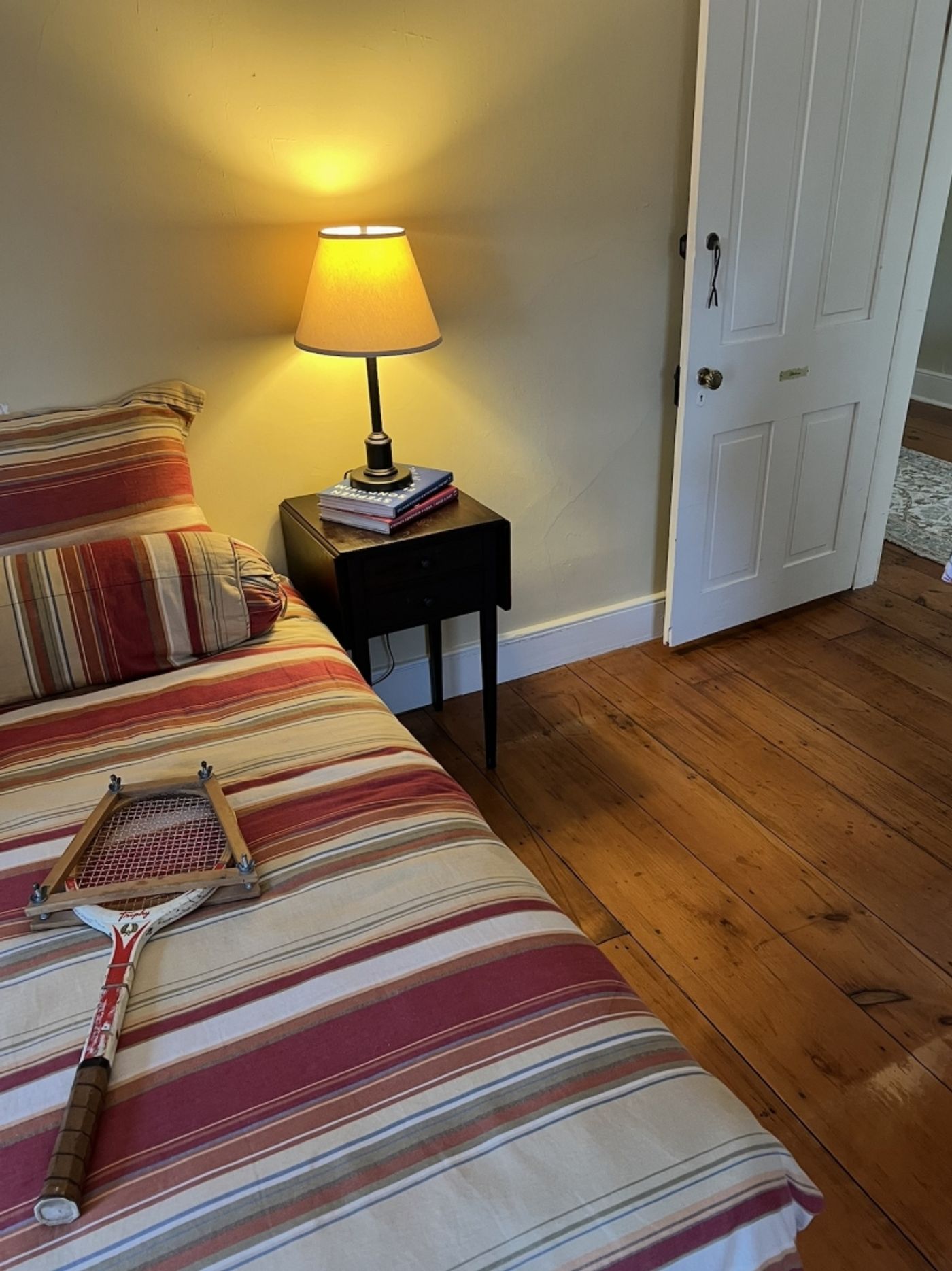
The Hammerstein Museum is a must-see for anyone who cares about musical theatre history. The 1840 farmhouse that Oscar purchased in 1940 is where he wrote some of the most beloved songs and musicals in theatre history. The tour gives a personal and unique look at the great writer and humanitarian behind musicals including Oklahoma!, Carousel, South Pacific, The King and I, and The Sound of Music.
Seeing the cozy bedroom that once belonged to Stephen Sondheim as a young boy is one of the highlights of the tour of Highland Farm. The deep connection between two of the most major figures in theatre history is felt. Visitors also get to see the view that inspired “there’s a bright golden haze on the meadow”, a prop that Mary Martin stole from The King and I, and the room where Hammerstein wrote his final song, “Edelweiss”.
8. Neil Simon’s typewriter and glasses,
National Museum of American History,
Washington D.C.
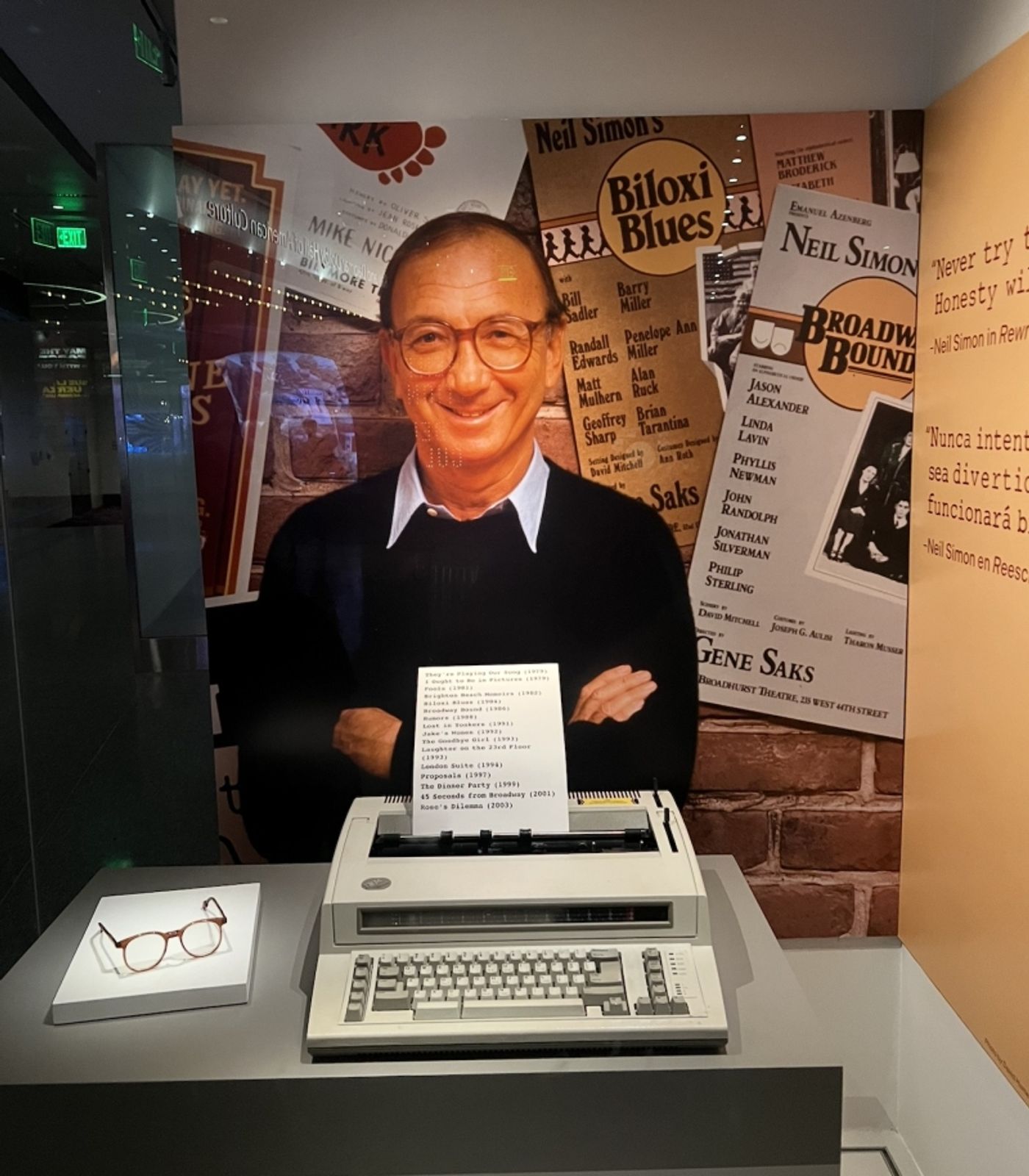 Meanwhile, here’s the typewriter that comedy pioneer Neil Simon used to write They’re Playing Our Song, Brighton Beach Memoirs, Broadway Bound, Lost in Yonkers, The Goodbye Girl, and many more. This was the tool that Simon used to type all of his work from 1979 to 2010. Simon’s work spanned stage and screen in a prolific career that popularized new forms of comedy and won the writer multiple Tony Awards, a Pulitzer Prize, and endless accolades.
The National Museum of American History is one of the most popular Smithsonian Museums in Washington D.C. for good reason. Its Entertainment Nation exhibit boasts treasures from Judy Garland’s original The Wizard of Oz Ruby Slippers to Dizzy Gillespie’s trumpet.
All Smithsonian museums are free of charge and Entertainment Nation is a permanent exhibit, but its objects are rotated out by the museum’s curators so there’s always something new to see.
9. 1886 first edition of the Actors and Actresses of Great Britain and the United States book series,
Strand Book Store,
New York, New York
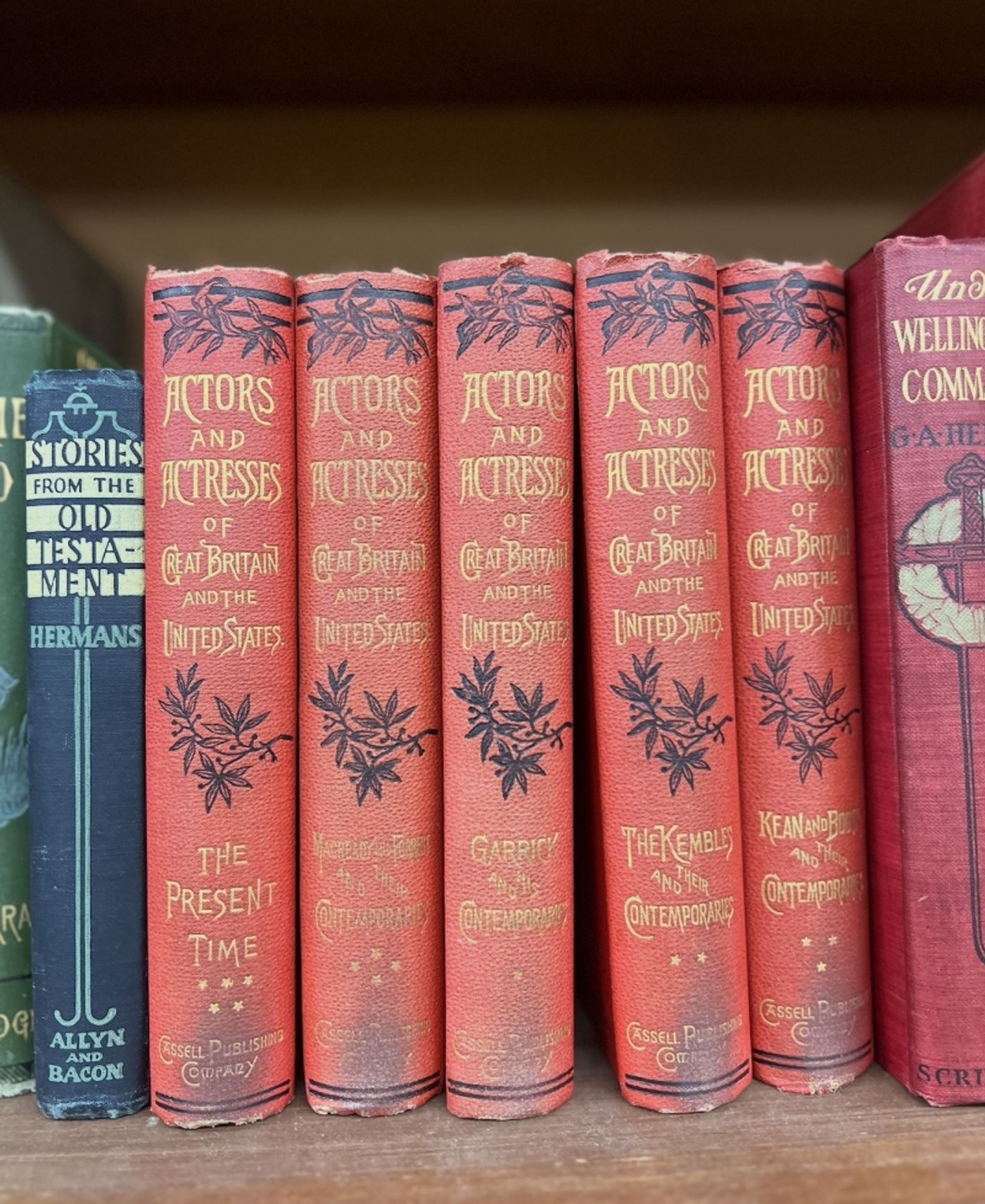
This landmark work is foundational to the study of theatre history. Brander Matthews and Laurence Hutton edited the five-volume series which lent import to an art form that was only beginning to be taken seriously. The 1886 first editions at the Strand are a gorgeous collectors item.
The Strand is an essential cultural touchstone of the book world. The store just below Union Square is beloved by New Yorkers and visitors alike. Known for its “18 miles of books” the Strand is a labyrinthian yet organized palace that book lovers could spend days exploring.
The third floor is where rare books are kept, including many historic tomes about the performing arts. The Strand has been in business since 1927 and you can feel the history on the shelves as well as in the walls.
10. Lena Horne portrait,
National Portrait Gallery,
Washington D.C.
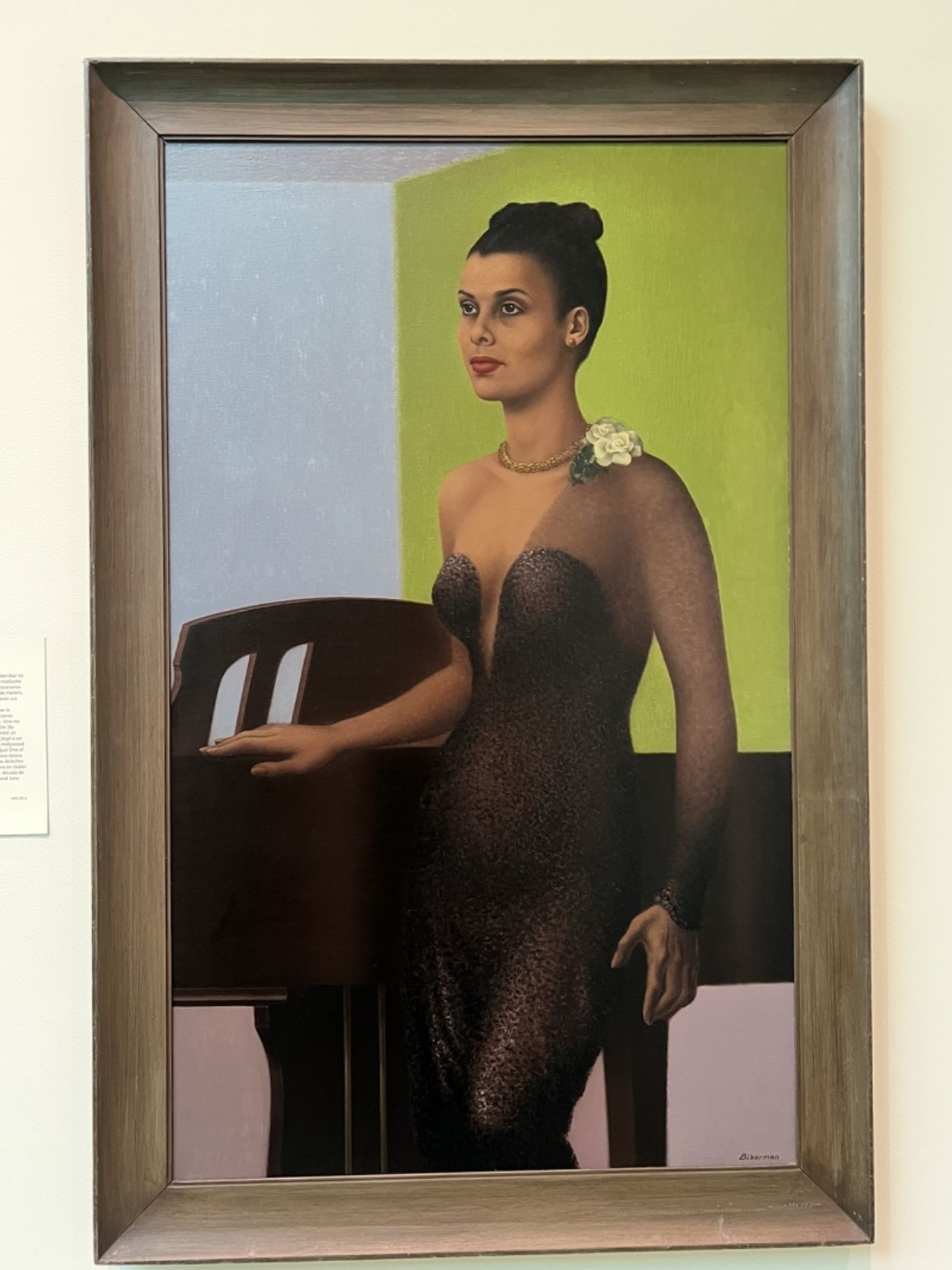 In 2022, the Broadway theater previously known as the Brooks Atkinson (and before that, the Mansfield) was renamed after the legendary performer and activist Lena Horne. The house on 47th Street is currently home to Six.
Horne made Broadway history with her 1981 show The Lady and Her Music, which brought crowds to the Nederlander Theatre for the first time in a long while. The Nederlander Theatre’s previous two productions had closed on opening night and closed during previews. The Lady and Her Music played to sold out, enraptured audience for over a year and Horne was honored with a Special Tony Award. The beloved performer shared the story of her life, including her experiences with racism in Hollywood, where she later became the highest paid Black actor. The show featured her signature song, “Stormy Weather”.
Horne’s other credits included leading the 1957 musical Jamaica. The only time she played the theater that would posthumously be renamed for her was in 1934 when a then-17-year-old Horne made her Broadway debut there in a 9-performance flop called Dance With Your Gods.
Horne’s portrait in the performing arts section of the National Portrait Gallery was painted by Edward Biberman. It was created in 1947, before Horne’s triumphs on Broadway, at a time where she was making history in Hollywood.
.jpg?format=auto&width=300)



Comments
To post a comment, you must register and login.