Guest Blog: Director Steve Roe On Taking Hoopla's Improv Classes Online
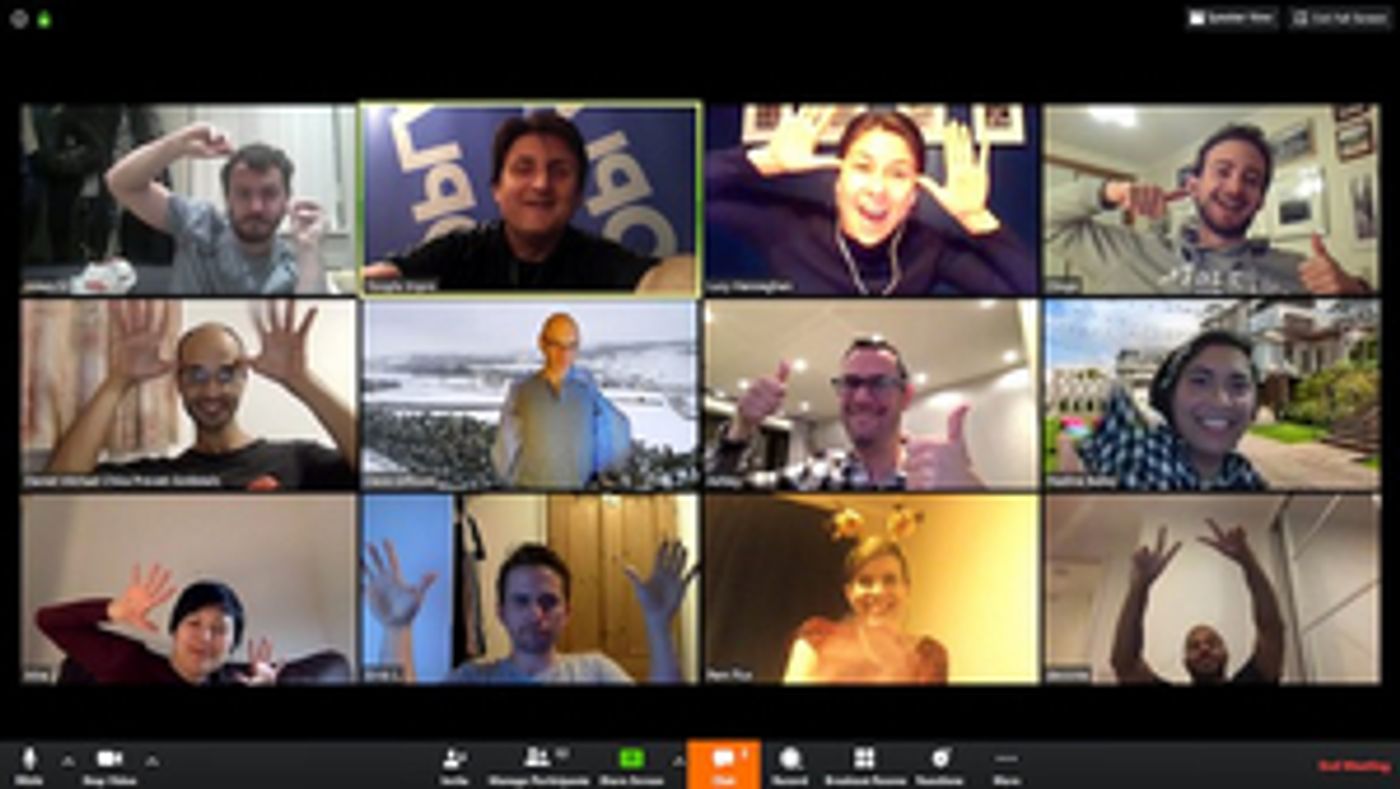
Before lockdown, Hoopla were running improv classes and shows at multiple venues across London to over 1,000 people each season. Since lockdown, we've started running classes online over Zoom to help people stay sociable during isolation, to take a break from things and have fun.
Reading the above paragraph and our social media, it will look like we calmly moved our company online as if we saw this all coming. In reality, the transition has been a chaotic mess and roller coaster of emotions.
At the start of the year, I was in complete denial about coronavirus. Things were going well for us, our classes and shows were booking up, and we were even recruiting new teachers. Viruses were the sort of things that happened in other countries or to Dustin Hoffman in Outbreak.
Then, very rapidly, over March things changed. Our students and performers started to have concerns, so we closed down even before the "Don't go to theatres" announcement came.
At first, I took the lockdown very personally. I selfishly felt I was the only one impacted by it and all I could think about was what it would do to Hoopla. I wondered why friends weren't phoning to say "Hey, Steve, is Hoopla going to be OK?". But when I phoned them, I realised everyone was affected by this. Everyone I knew was either losing work, worried about childcare, or worried about the health of their loved ones.
Then my wife and I caught it, right on the day that the official lockdown started. We had the fever, loss of energy, shallow breathing and shaking in cold sweats at night. During the day, we felt like cold tombstones. Our toddler Jack hated it: he could tell something wasn't right, but we couldn't communicate it to him and were struggling to look after him. I was also having to try and covert my company to online during this.
Before I started our first Zoom improv workshop, I was sat staring at the screen awaiting for people to arrive. I felt sad and ill, like there was cold, restricting ice around me. We had got into improv to get people off computers and have fun with emotional human connection, and here I was staring at a screen.
But then, something amazing happened.
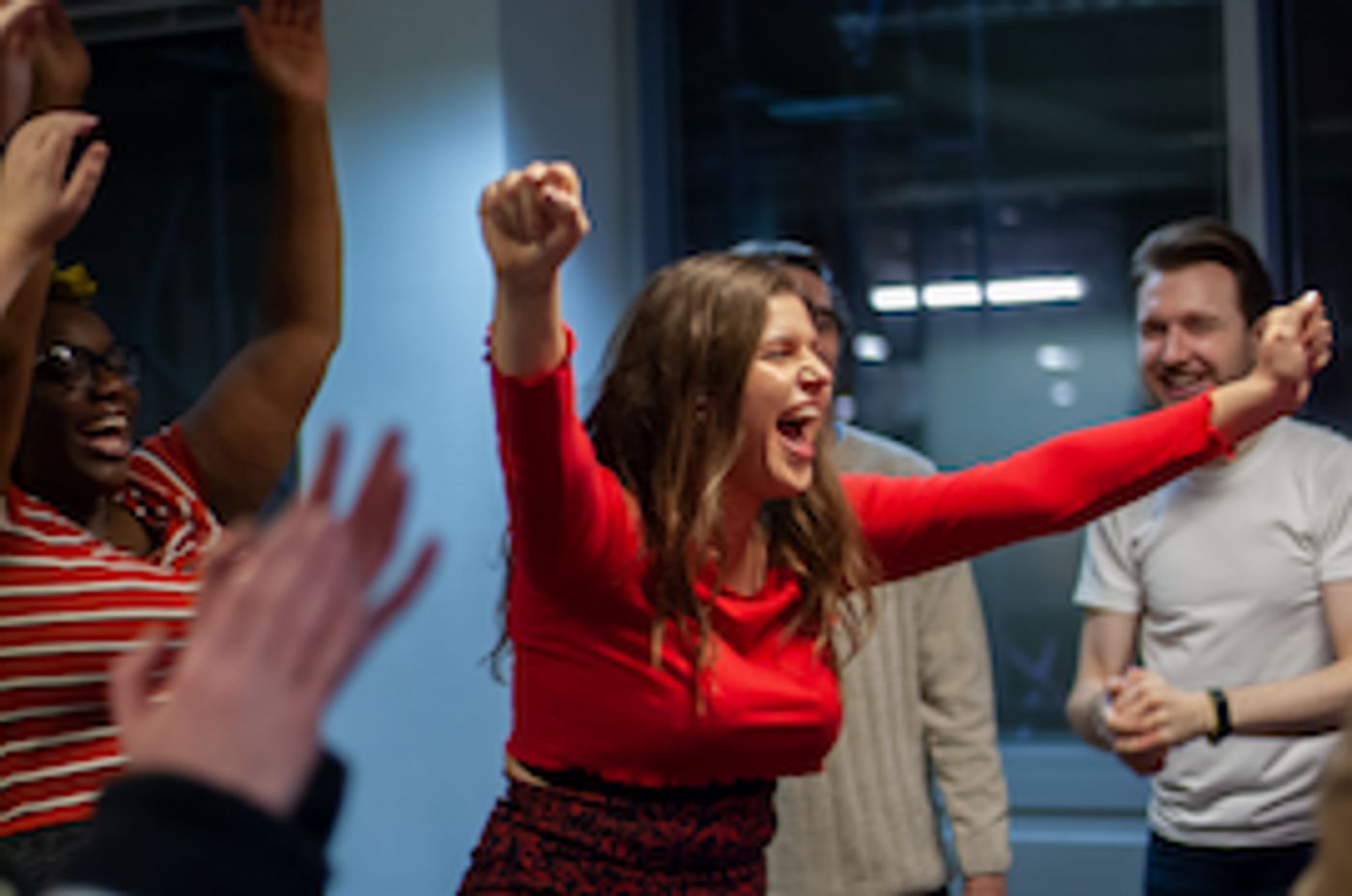
As people arrived, we all got chatting. We realised we were all having our own challenges with this and helped each other out. Then we started playing games and surprisingly they worked really well. In fact, some of them even worked better than real life! Then online features like spotlights, breakout rooms and backdrops started to inspire the improvisation in new ways. Before we knew it were laughing, a lot. Like wake up the neighbours laughing.
And I realised: that was our job for our audience during lockdown. To bring people together, to socialise and to have a laugh. We even have nurses coming along after shift to get a break from things.
And we're lucky enough that people are coming back. In a world where everything has changed, it's been nice for our audience to still have the reliability of a regular workshop and to have a bit of fun each week. Improv doesn't cure coronavirus, but it does bring people together in laughter.
Before now, I was obsessed with what type of improv company we were and how we compared to others. Now, I realise that none of that matters. Who we are is so clear to me now. Hoopla is about bringing people together to socialise and have as much FUN with improv as possible!
For the moment we are doing that online, and I can't wait to get things going in the real world again. I don't know when that will be. Like everyone else, I'd love to know when this is all over. I assume theatres will be one of the last places to reopen, so it could be a while.
I've very grateful that we have a lovely audience who have been able to support us during this. It's made me feel very honoured to be part of the amazing improv scene. I know so many people are going through so many challenges with this, and I hope the wider arts scene can bounce back.
Hoopla run improv classes online every day of the week, suitable for everyone
Photo credit: Unai Garcia