


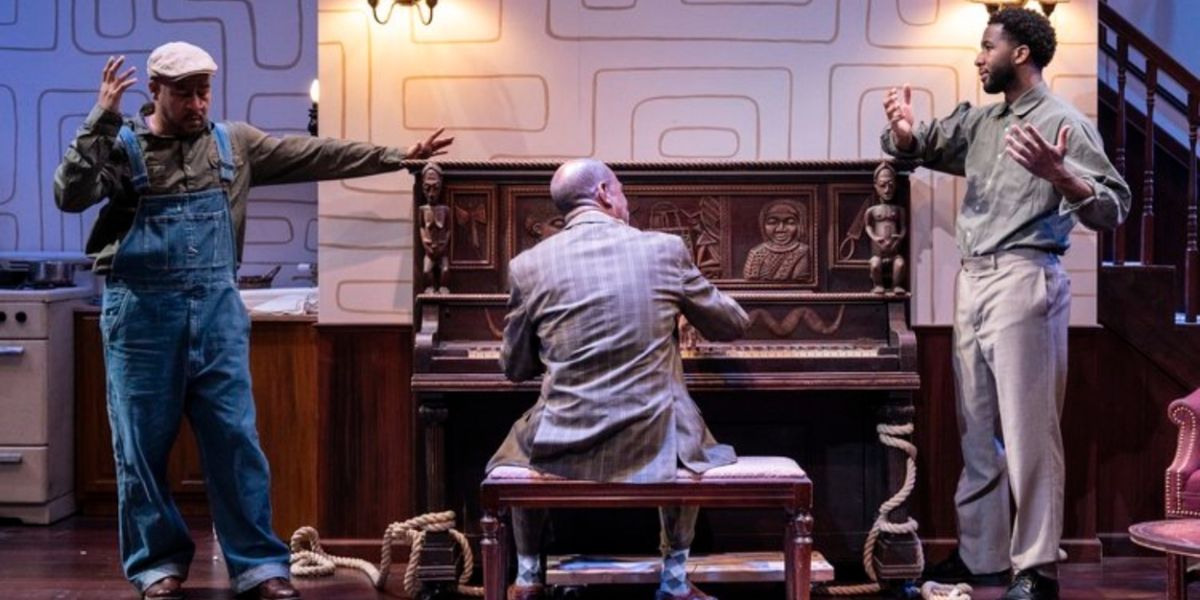
August Wilson is one of America’s greatest playwrights, and The Piano Lesson may be one of his greatest works. The writing is so powerful, I’m not sure you could stage a bad version if you tried.
Doubtless this is part of why 1st Stage in Tysons, Virginia selected The Piano Lesson to close their 2024/2025 season and kick off their Furthering our Future fundraising campaign. It appears a wise choice - they’ve already extended the production an extra week. For the most part, this is a faithful rendition of Wilson’s script with some strong creative choices and little to object to.
The strongest element of 1st Stage’s presentation is the production design. Helen Hayes nominated set designer, Nadir Bey, built the Pittsburg family home where all the action takes place as an independent unit. It’s set up so the cast can flow in and out of the house, up and down the stairs, and from room to room seamlessly. The design is both functional and thoughtful, down to the smallest detail.
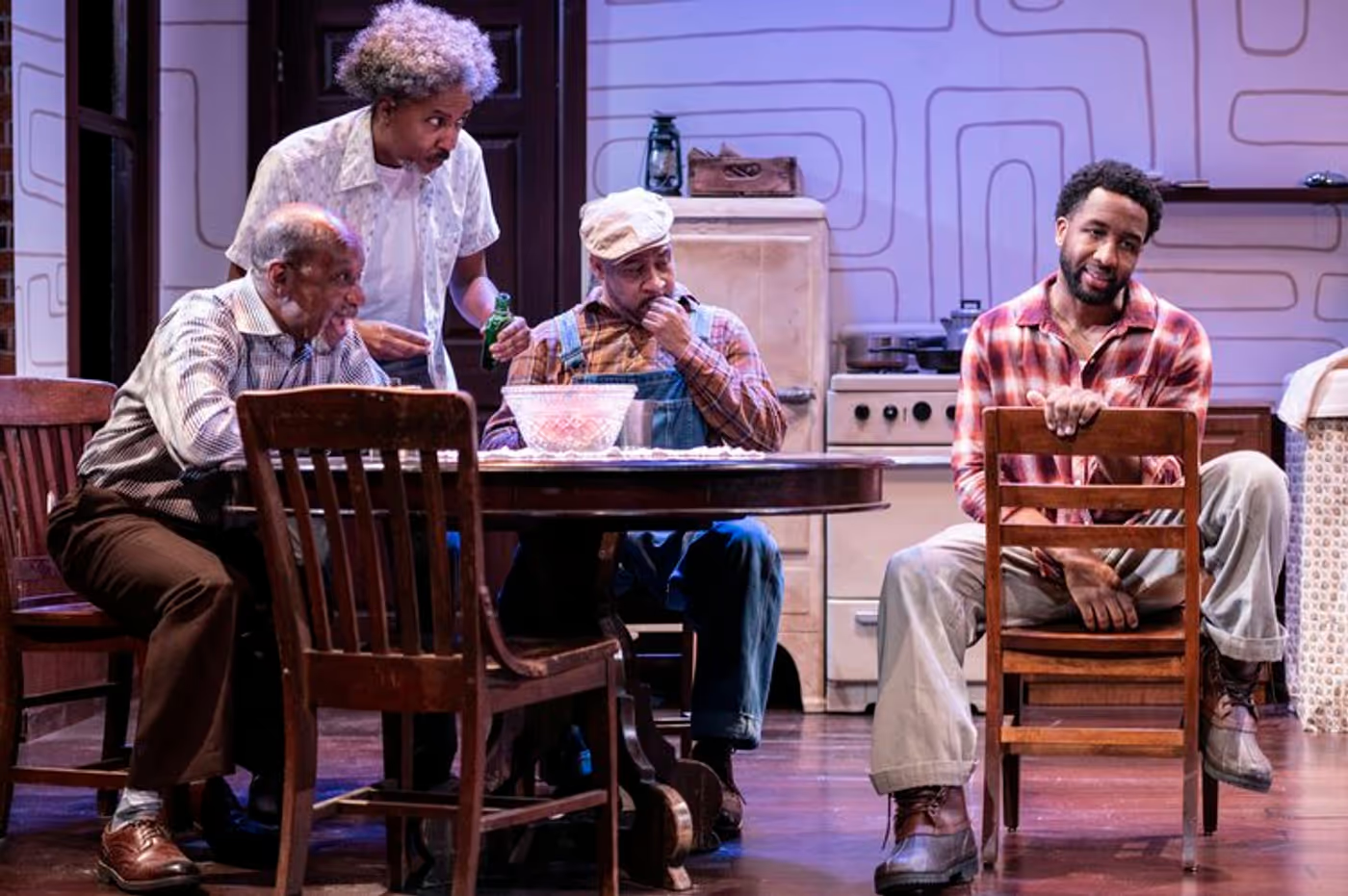
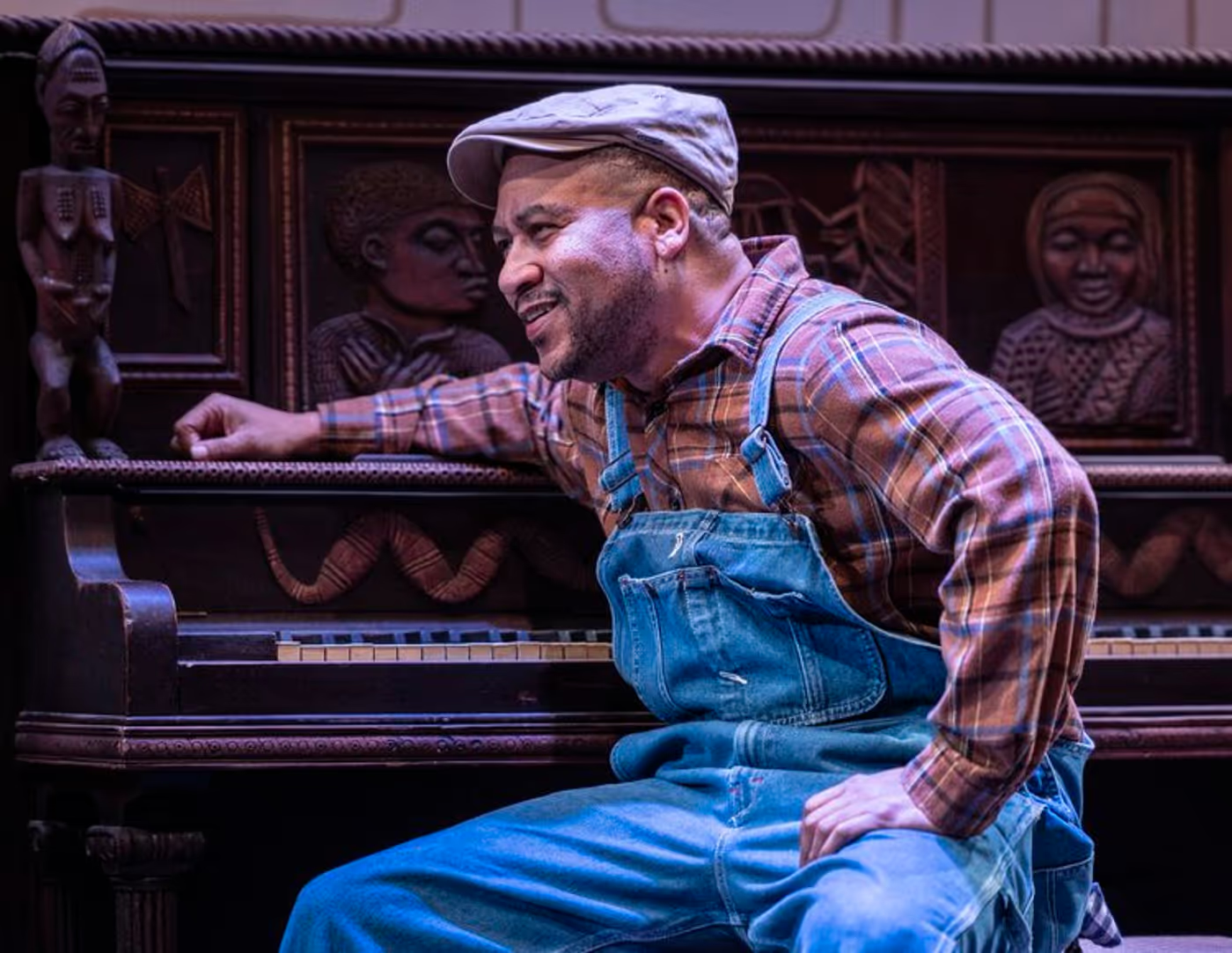
The furniture and all the props, from books to lamps to utensils, are historically appropriate and well-arranged. The lighting, sound, and costumes likewise match the aesthetic of the era. All this combined with very natural staging, creates an easy viewing experience that pulls the audience into the story. At the center of it all, sits the titular piano which itself is beautifully carved with the exact family portraits the script explains.
Set in the 1930s, The Piano Lesson, like many of Wilson’s plays, focuses on family. Specifically, it focuses on a brother and sister who disagree about what to do with the piano they inherited from their parents and the family history that comes with it.
Boy Willie (Ronald Eli) wants to sell the piano so he can buy land down south, the land that their grandparents once worked as slaves but that could now be their own and change their fortune. Bernice (Deidra LaWan Starnes) refuses to sell it. She believes the piano, which their father died stealing from the descendants of those same slave-owners, must stay in the family. To her, selling it would be a betrayal to their father’s memory and the memory of their mother who it meant so much to. To Boy Willie, though, it would be a betrayal to leave the piano sitting useless and haunting when it could serve as the means to secure an opportunity he knows his father himself would surely have taken.
Both siblings want to honor their history and improve their future. But they interpret their shared history differently… which means they interpret what it means differently… which means they interpret what the right thing to do is differently. The reason this seemingly straightforward conflict, to sell or not to sell, generates three hours of engaging dialogue is that neither view is more valid than the other.
The power of theater is that it’s hard not to relate to characters in the moment. If the acting is even tolerable, you’ll find yourself sucked into the story just because it’s right in front of you, happening live. Even though you sometimes start out feeling obliged to relate to the main character or feel their pain, on some level, in the moment, you usually do end up invested. But then, you go home and never think about them again.
August Wilson’s characters, by contrast, stick with you. Months later you still find yourself thinking about them, their motivations, their pain. Why did they do what they did? Why did they think the way they thought? Were they right or wrong? You’ll never really know, and this is what makes the show so powerful and its impact so lasting.
The Piano Lesson originally debuted in 1987 in New York City, starring then unknown Samuel L. Jackson, and it won a Pulitzer Prize in 1990. It is the fourth in August Wilson’s Century Cycle, which consists of ten shows about Black American culture, one for each decade of the 1900s.
This series holds a significant spot in the American cultural canon, recently strengthened by Denzel Washington, who is working with Wilson’s estate to bring all 10 plays to the screen. This effort began with his Oscar-winning Fences, the 1950s play of the Century Cycle, followed by Ma Rainey’s Black Bottom, the 1920s. The film version of The Piano Lesson (which is excellent) debuted in November 2024.
This Piano Lesson is a lesson of history, family, and love. But it’s also a lesson in what makes great art, great. There’s an old story that the poet Robert Frost, when asked how to tell if a poem is any good, responded that you can know because a good poem gives you a wound from which you never recover. Wilson’s poetic writing and real, human stories do just that.
Note: For those who haven’t seen a show at 1st Stage, it’s an interesting venue to visit. Situated in the heart of the unique corporate / industrial hybrid that is Tysons, you may think you’re in the wrong spot when you arrive. Just keep driving past the auto tires shop, auto stereo shop, and auto parts shop right on to the auto detailing shop. There you’ll see the light teal painted metal staircase leading up to the chain link fenced balcony that makes 1st Stage itself feel like the set of a play. It’s a fun contrast to the monotony, and of course often the great beauty, of historic theaters filled with dark red, dark wood, and so much velvet. This venue feels more honest and accessible; rather like one of Wilson’s plays it’s real in a way others are not. Hopefully this feeling remains intact through their planned renovations.
Photo Credit: Teresa Castracane Photography



|
Misery Aldie Mill Historic Park (8/20-8/30) |
|
Hamilton (Angelica Company) National Theatre (12/15-2/07) |

|
BAD KREYÒL Mosaic Theater Company (5/20-6/13) |
|
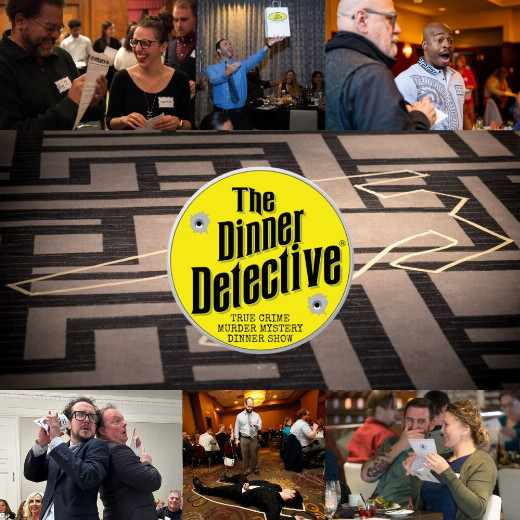
The Dinner Detective Murder Mystery Dinner Show The Dinner Detective Washington DC (8/15-8/15) |

|
Ma Rainey's Black Bottom Round House Theatre (9/09-10/11) |
|
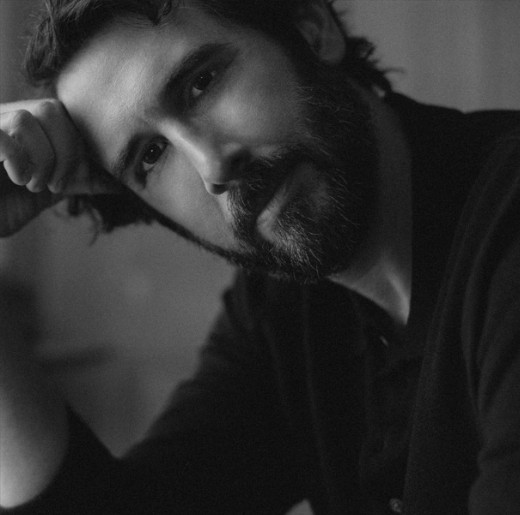
Josh Groban Wolf Trap (8/22-8/22) |
|
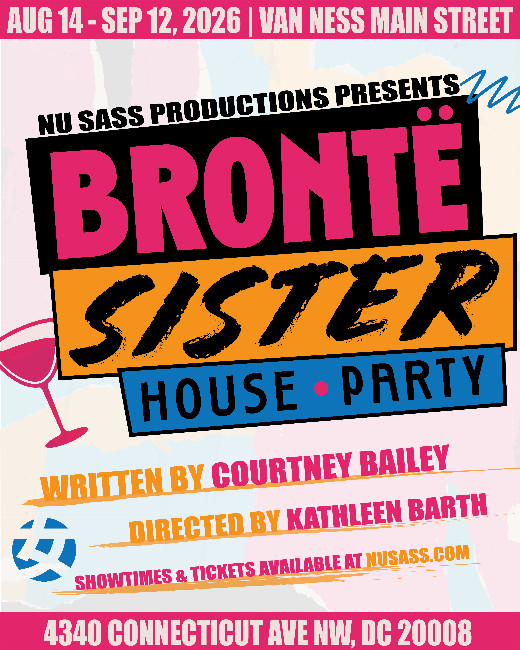
Brontë Sister House Party Van Ness Main Street (8/14-9/12) |

|
Rockville Musical Theatre presents "Caroline, or Change" F. Scott Fitzgerald Theatre (10/31-11/15) |

|
Natural History Mosaic Theater Company (1/21-2/07) |

|
Victorian Lyric Opera Company presents "Pirates of Penzance" F. Scott Fitzgerald Theatre (6/11-6/20) |
Reader Reviews
To post a comment, you must register and login.