


Review: FREMONT AVE. at Arena Stage
An interesting attempt to show the healing effects of intergenerational family bonds.
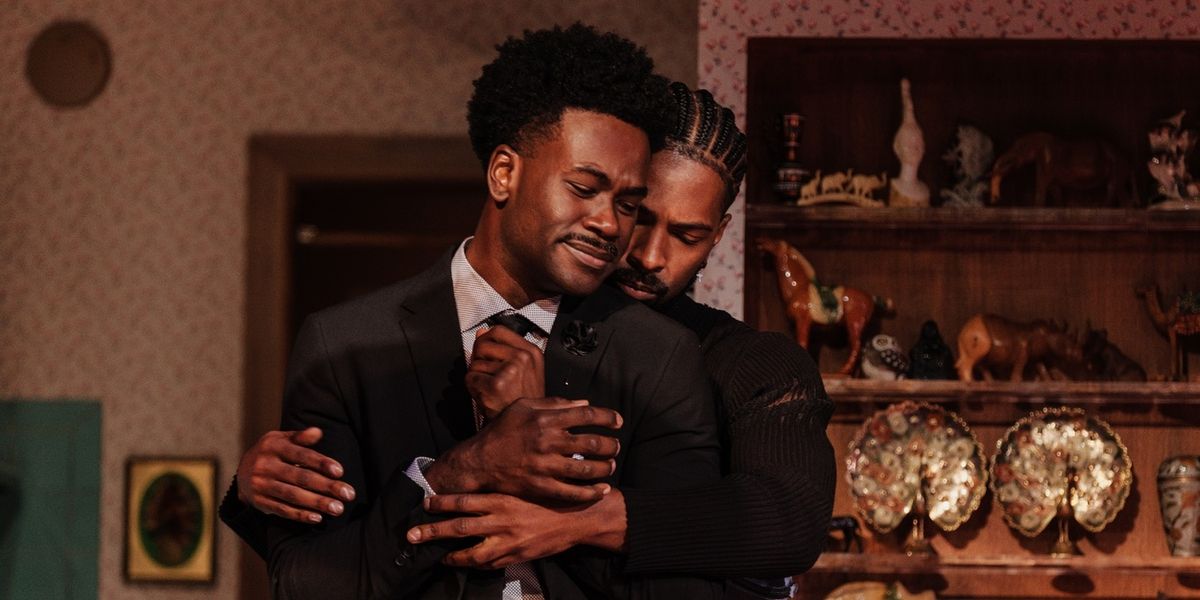
The play Fremont Ave., which is now at the Kreeger Theater at the Arena Stage, is an interesting attempt to show the healing effects of intergenerational family bonds. The playwright, Reggie D. White, has attempted to convey a multitude of themes and moods as affects the Plique family as they live their lives in a southern California suburb from 1968 until the 2020’s. As the characters in the play confront their dreams, ambitions, and fears the audience reacted with such interactive yelling and talking back to the stage that the play certainly evoked much response –so much response that I was unable to hear the lines at many times.
Underscoring the generational shifts in the Plique family is original music and sound design by André Pluess that is highly eclectic and reflective of each time period. Though this music is extremely exciting to hear, it often obstructs the hearing of the lines of the play.
Director Lili-Anne Brown (who has directed the brilliantly realized musical Play On! at Signature Theatre) does all she can to make this production flow but it is hard to follow all the generational shifts and characters due to some unclear and abrupt writing that does not often give enough subtext to the characters ----and, consequently, it seems as if the characters are just “talking out of thin air” as if in a situation comedy or an evening at a dinner theatre (without sufficient character development or backstory).
In the first third of the play, the tone is loving and caring as the young George (a superb performance from Bradley Gibson --this actor succeeds admirably in playing three differing parts!) courts the character of Audrey (Jerrika Hinton) though they both have differing values and temperament. This first section of the play is full of absorbing and sassy reciprocity that shows the loving tender caring and affection of these two principal characters.
The second section of the play abruptly changes tone as the son –young Robert, and his friends “whoop it up”, drink, yell, and carouse to such an extent that it is quite easy to see that the playwright and director are explicating the rites of passage amongst testosterone-ridden men fighting for their place in a competitive world (of incipient lawyers and financial types) -----however, such excessive yelling and screaming by the actors (playing the characters) amidst loud music makes many of the lines incoherent.
The playing of the card game called “Spades” is introduced as a ritual and a bit of a central metaphor for the play as this card game demands the utmost respect and dedication amongst those who are playing. (In Mr. White’s play, there is an underlying theme that there should be at least a modicum of respect towards one another in a large family where differing interests, different generations and differing religious beliefs and sexual predilections all come into the mix).
The third section of the play is also as good as the first section for there is a more mature attempt to show the interplay of the wisdom of generational elders, the reinforcement of the dignity and comradeship inherent in the playing of the card game “Spades”, and the introduction of a fully-realized gay couple (although this couple often came across as stereotypical and like “an exhibit on display” for cheap, facile laughs instead of as flesh -and -blood personages who are truly assimilated into the play’s texture). Throughout the play, set designer Tim Mackabee portrays the passage of time by subtly changing lamps on tables and pictures on the wall throughout the play.
Actor Bradley Gibson performs extremely well in the three demanding roles of young George, the son Robert and the gay grandson named Joseph. His fluid acting helps to anchor the play.
Jerrika Hinton as the younger, middle-aged and, finally, the matriarchal figure of Audrey (and the religious -leaning wife of George) is able to fluctuate well within her character’s moods but she is directed to make too many sassy quips that do not really land with any weight ---she needs to take command of the stage with changes in vocal inflections and tone as well as variance in comic timing.
Wildlin Pierrevil (Frank), Stanley Andrew Jackson (Walter), and Jeffrey Rashad(Tony) act with the required and relativistic macho posturing required of their parts.
Galen J. Williams as Damon, the young gay friend of Joseph, is appropriately full of exuberance and cynical comments.
Kevin Mambo as the older Robert makes judicious acting choices and is a standout in the ensemble ---there is heft in his acting choices as he emphasizes responsibility and the love of playing Spades.
Actor Doug Brown, as the older George, mesmerizes and quietly holds the audience’s attention captive as he delivers several monologues towards the end of the play on the nature of life, his love for Audrey, the meaning of family and his enduring enjoyment of the respect needed for playing Spades.
The set by Tim Mackabee has an interesting retro-look of a single-level home. A piano is perched on the downstage left side, and the central playing area has a couch with an office behind it. Downstage right is a round table where Spades are played. Further upstage right is a kitchen space. At the top of the upstage exposed stone wall are two windows in which the audience can see palm tree fronds.
Lighting by Kathy A. Perkins is adequate to the proceedings.
Costumes by Jos N. Banks are alternately vivid or more business-like when required.
The mixed tones and abrupt character interjections in the play will doubtlessly flow more seamlessly as the play is performed over the upcoming weeks. With some tweaking of the writing and directorial elements, this play can become much more cohesive and the stereotypical and manipulative manner in which it has been presented can surely be toned down.
This play has many fine themes and ideas to synergize. It would certainly appeal to an audience content with the most surface level of theatergoing. (Perhaps, one day, this play may achieve the finely tuned laughter and camaraderie of The Hot Wing King, the ebullience and community of Grace, the musical, the human depth and bitter truth of the play The Sojourners, and/or convey the dramatic emotion of the attack on unbridled capitalism and machismo which was inherent in John Leguizamo’s trenchant The Other Americans.)
Do not miss Fremont Ave. if you are looking for the mildest of diversions – although the tone veers confusingly at times, as a saving balm, there are some desired moments of laughter interfused with deeper ruminations on the meaning of family and intergenerational community.
Running Time: Two Hours and 30 with one fifteen-minute intermission.
Fremont Ave. runs through November 23, 2025, at the Arena Stage located at 1101 6th Street SW, Washington, DC, 20024.
Photo credit: Bradley Williams and Galen J. Williams in the Arena Stage production of Fremont Ave.. Photo by Mark J. Franklin.

Sign up for all the news on the Summer season, discounts & more...

|
Brian Henson's Puppet Up! Lincoln Theatre (9/30-9/30) |

|
GARBO: EL ACTOR QUE SAVÓ AL MUNDO (Garbo: The Actor Who Saved The World) GALA Hispanic Theatre (9/03-9/27) |

|
Mr. Burns: A Post-Electric Play Clarice Smith Performing Arts Center (10/09-10/18) |

|
Special Event: ARTS By George!: Jeff Goldblum and the Mildred Snitzer Orchestra Center for the Arts (10/03-10/03) |

|
The Second-Best School Shooting NextStop Theatre (9/17-10/11) |

|
Coming to America: An Immigrant Cabaret ExPats Theatre (9/30-10/18) |

|
Some Like It Hot Bernard Family Theatre, Olney Theatre Center (9/18-11/08) |

|
Stonewall's Bust The Writers Center (10/09-10/25) |
|
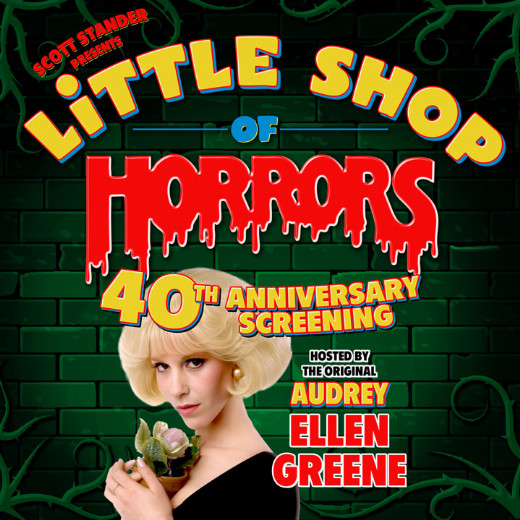
Little Shop of Horrors 40th Anniversary Tour with Ellen Greene (the Original Audrey) Lincoln Theatre (9/25-9/25) |

|
Ballet Hispánico New York "MUJERES: Women in Motion" The Alden Theatre (10/02-10/02) |

Reader Reviews
To post a comment, you must register and login.