


Review: MARY JANE at The Old Fitz Theatre
This ensemble breathes electrifying life into Herzog’s script, illuminating its quiet truths with vibrant authenticity.
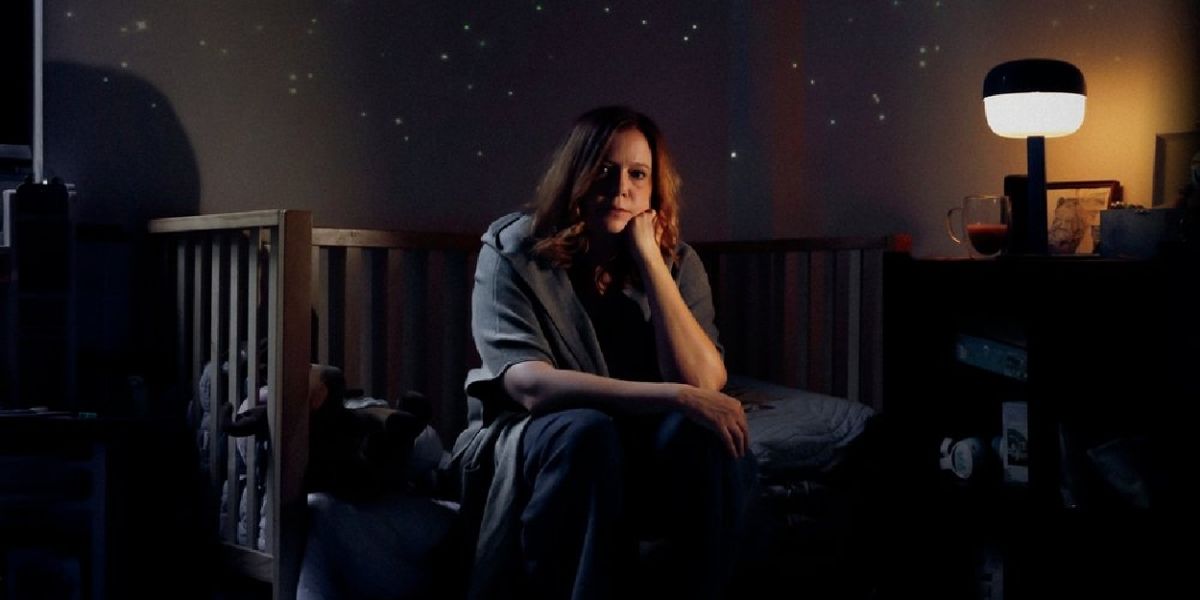
Amy Herzog’s MARY JANE directed by Rachael Chant at The Old Fitz Theatre, is a semi-autobiographical drama that immerses viewers in the life of Mary Jane, a single mother caring for her chronically ill son, Alex, who suffers from nemaline myopathy. Set in a modest Brooklyn apartment and various medical settings, the play unfolds through naturalistic dialogue, capturing the relentless grind of caregiving.
Mary Jane, portrayed with radiant resilience by Eloise Snape, navigates hospital visits, medical routines, and moments of connection with a community of women—nurses, doctors, and neighbours—who offer support amidst her unending challenges.
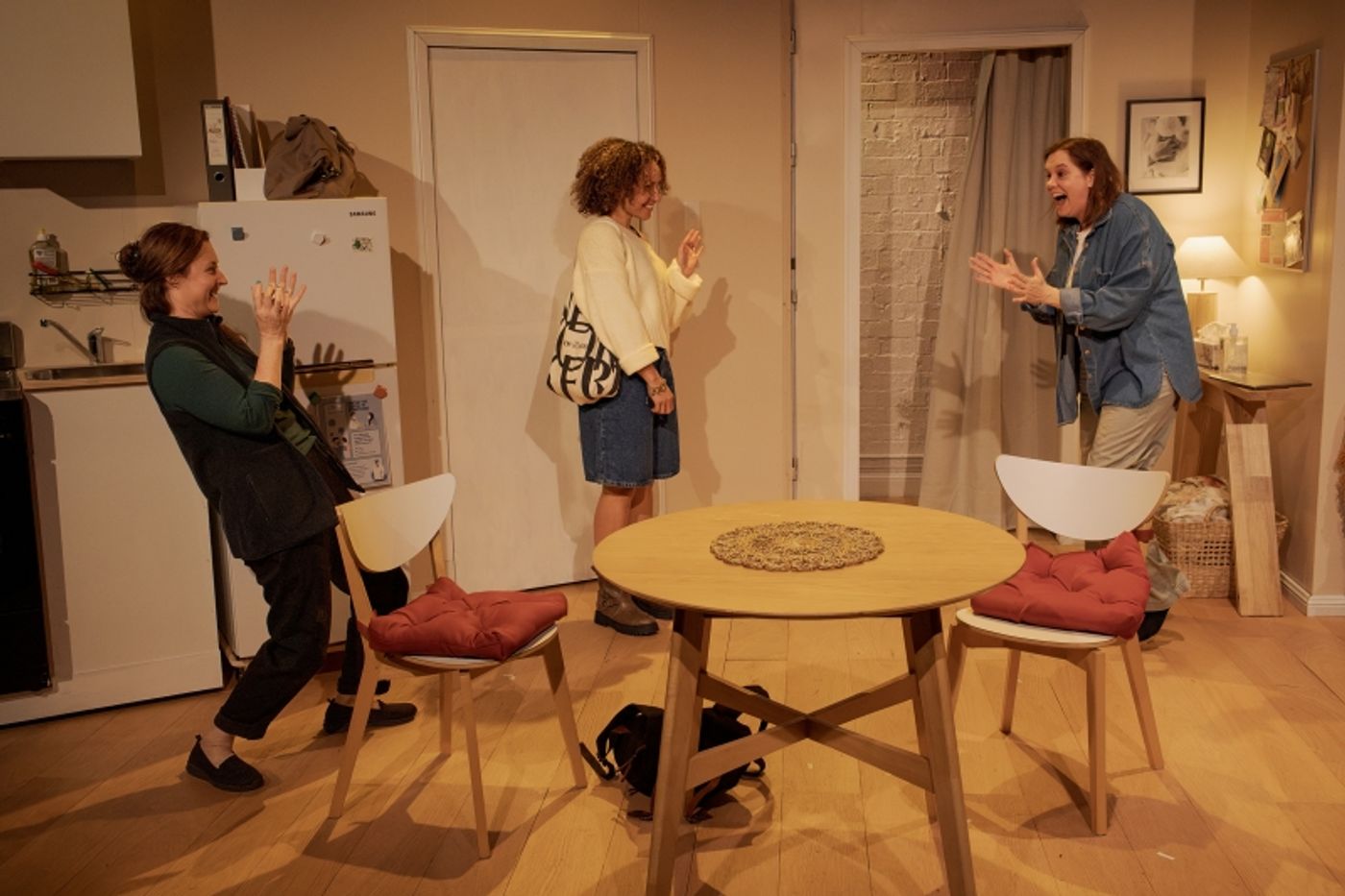
Inspired by Herzog’s own experience as a mother to a daughter with the same condition, the play avoids melodrama, focusing on the quiet strength and positivity that Mary Jane employs as armour against trauma. Staged in the intimate Old Fitz Theatre, this production brings Herzog’s grounded storytelling to life with a stellar ensemble and an evocative set.
Eloise Snape is nothing short of sublime as Mary Jane, embodying a devoted mother who wields positivity as a shield against the trauma of her son’s condition. Snape navigates the role’s complexities with delicate power, capturing Mary Jane’s quiet strength in moments both mundane and heart-wrenching. Her performance is a divine example of a woman choosing hope in an adverse situation.
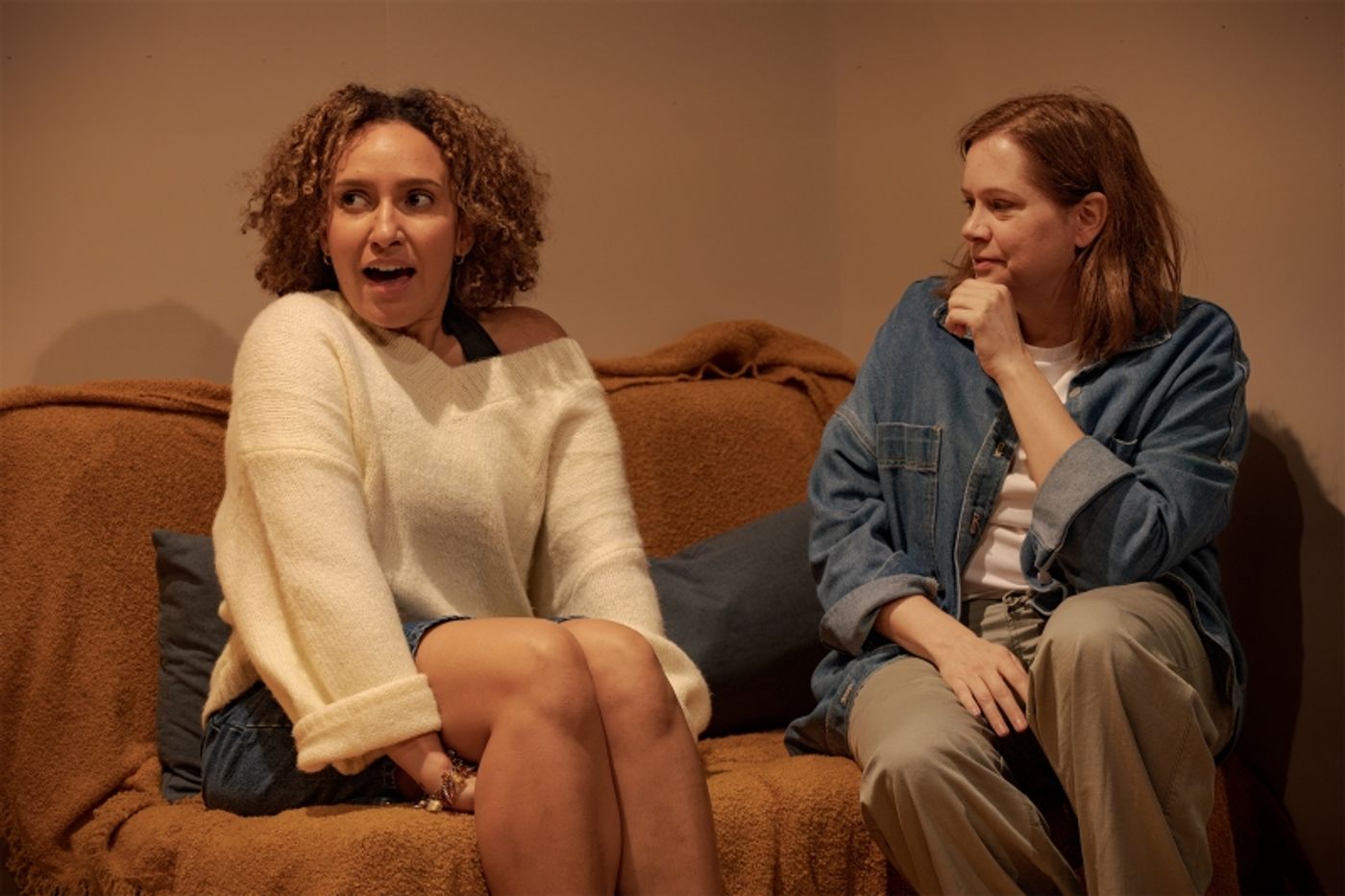
The ensemble is a standout, with each actor delivering layered, authentic performances. Di Adams is grounded and magnetic in her dual roles as Ruthie, the building superintendent, and as Tenkei, bringing subtle insight to each character’s distinct presence. Sophie Bloom shines as Brianne and Chaya, infusing her roles with depth and nuance that seamlessly integrate into the ensemble’s rhythm. Isabel Burton, a relative newcomer, holds her own as Amelia and Kat, fitting effortlessly among the seasoned cast. Janine Watson is the consummate performer, particularly as Sherry, the nurse, where her detailed and intricate choices are a masterstroke of finesse. Her portrayal of Dr. Toros is equally compelling, offering a lesson in character-driven precision. Under Chant’s deft direction, this cast elevates Herzog’s text, fully realizing her aim of portraying the lived reality of caregiving with unflinching honesty.
Set designer Soham Apte transforms the small Old Fitz stage into a vivid evocation of Mary Jane’s world. The beige, compact set—mirroring the “beige scenario” of her daily grind—cleverly shifts from a Brooklyn toy apartment to hospital waiting rooms and a symbolic hospital bed ward. These transformations enhance the play’s intimacy, grounding viewers in the stark reality of working-class life and caregiving’s ceaseless demands. The set captures the essence of a Brooklyn kitchen, evoking a still-life portrait quality that complements Herzog’s naturalistic style.
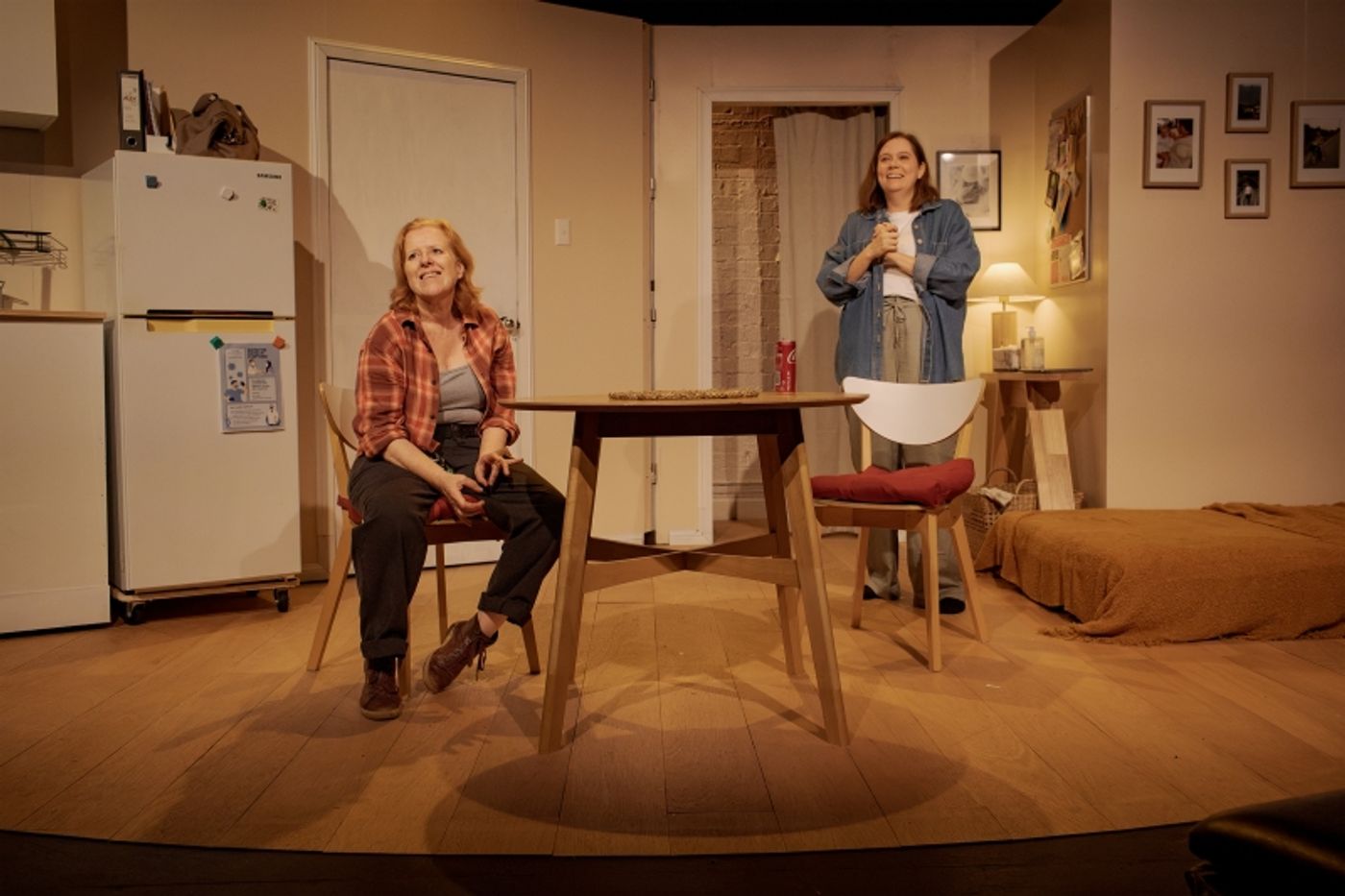
Herzog’s script meticulously explores the trauma of parenting a sick child, sharing its grief with raw honesty, as captured in the line, “Your trauma is in the cells of your body.” The play’s documentary-like quality, with its focus on the mundane rhythms of caregiving, is executed flawlessly in this production. Sherry’s edginess, for instance, contrasts sharply with Mary Jane’s positivity, highlighting the emotional spectrum of their world.
This true to life portray is an honest example of a demanding journey that is one of a caregiver to a terminally ill child.
But the writing feels reserved in its pursuit of poignancy, lacking the subtext or revelatory depth that could elevate it beyond a depiction of reality. The story is well-structured, with naturalistic dialogue that mirrors real life, but it stops short of offering a broader philosophical or emotional payoff. Perhaps Herzog’s point is that there is no resolution when caring for a dying child—a truth she knows intimately. However, this choice results in a narrative akin to a documentary, where the camera observes but doesn’t probe the full scope of such a profound experience.
For viewers who cherish unadorned realism, MARY Jane May resonate deeply. For others, the absence of a richer exploration leaves the play feeling incomplete.
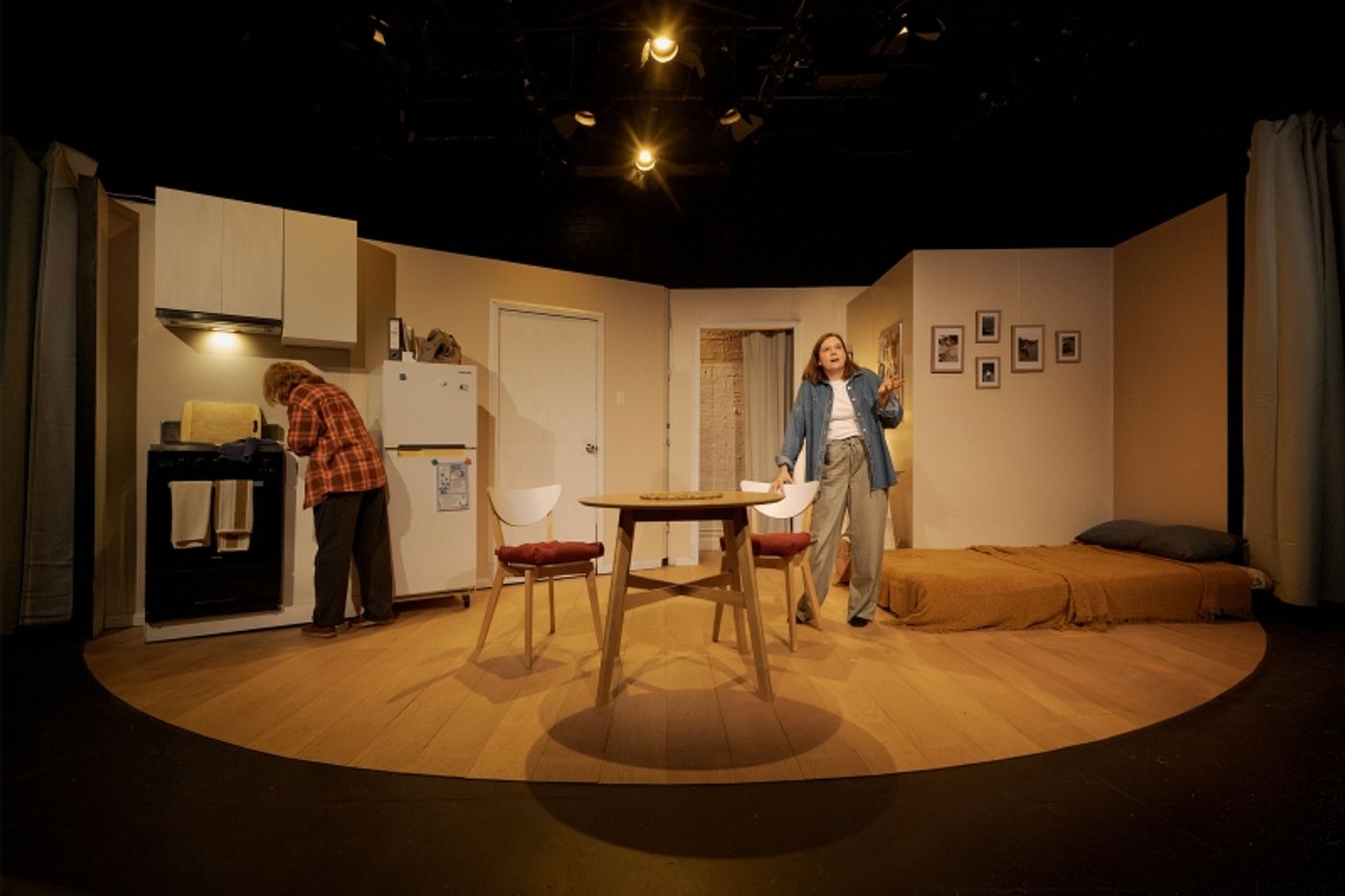
Chant’s production of MARY JANE is a triumph of execution, elevated by an exceptional ensemble and a thoughtfully crafted set that amplifies the intimacy of Herzog’s script. However, while the performances and staging are impeccable, the writing’s lack of subtext and emotional payoff leaves the narrative feeling like a well-crafted but ultimately limited exploration of parenting a chronically ill child.
See this work for the wonderful ensemble that Chant has so wonderfully bought to the Old Fitz stage.
Photography @ Emma Wright

|
Monty Python's Spamalot Coliseum Theatre, Rooty Hill (10/22-10/25) |

|
lacuna Belvoir Street Theatre (7/30-8/15) |

|
PAW Patrol™ Live! "Race to the Rescue" TikTok Entertainment Centre (8/15-8/16) |

|
Reefer Madness Pioneer Theatre (11/13-11/22) |

|
Disney Presents The Lion King - Audio Described Performance Capitol Theatre, Sydney (8/23-8/23) |

|
Cicada Wollongong Art Gallery (8/27-8/29) |

|
Strike a chord Eternity Playhouse (9/16-9/19) |
|
Good Company Entertainment Presents: The Big Chillout Saraton Theatre (10/11-10/11) |

|
Top Silk Ensemble Theatre (7/31-9/12) |

|
The Complete Works of Jane Austen (Abridged) Genesian Theatre (7/17-8/22) |
Reader Reviews
To post a comment, you must register and login.