


Review: BIG GIRLS DON'T CRY at Belvoir St. Theatre
The event is at 7:30 PM, April 10th, 2025.
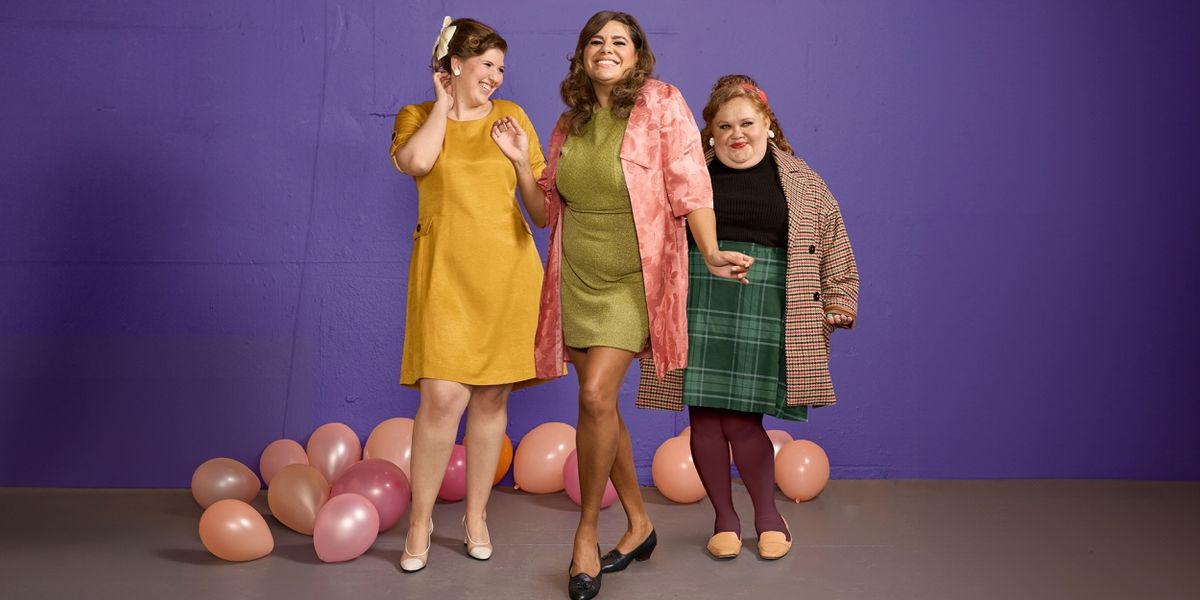
BIG GIRLS DON’T CRY
7:30 PM, April 10th, 2025, Belvoir St Theatre
Belvoir St Theatre presents BIG GIRLS DON’T CRY, a debut work by writer Dalara Williams, directed by Ian Michael.
Set in the 1960s, the play follows three young women—Cheryl (Dalara Williams), Lulu (Stephanie Somerville), and Queenie (Megan Wilding)—as they navigate friendships, romance, and the harsh realities of racism in employment, policing, and the Australian constitution.
This is a powerful story of women fighting for their rights, celebrating sisterhood, identity, and the courage to dream. Williams’ writing honours the resilience of these women and their communities, blending the personal with the political. It’s a tribute to those who paved the way, reminding us that the fight for change is fuelled by love, laughter, and the unshakable bonds of mob. The play positions Black joy and love as potent acts of resistance—an important narrative for Williams, and a vital piece of Australian history.
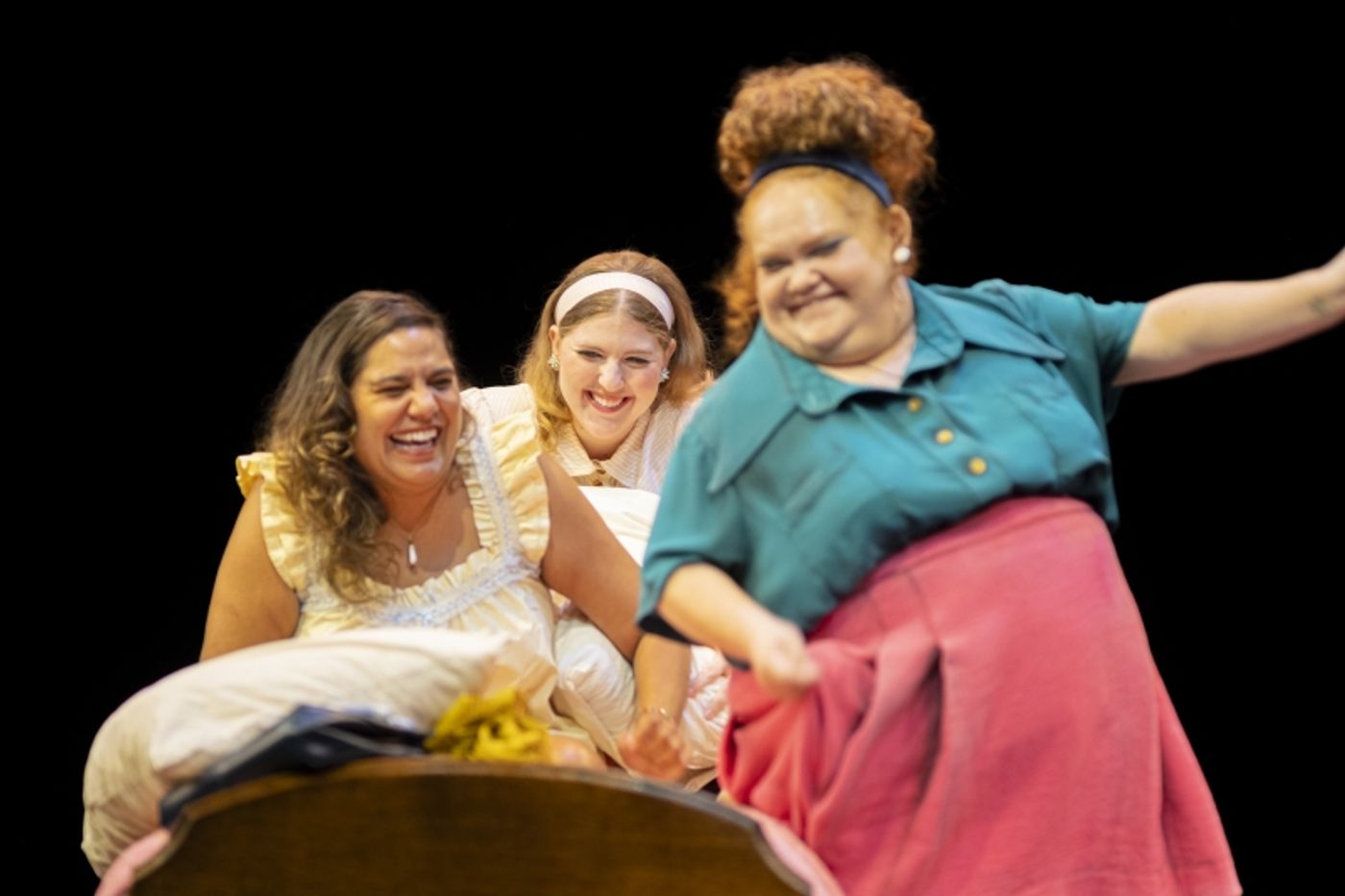
Yet, I found myself yearning for more depth. The play often lays everything out too plainly, leaving little for the audience to unpack. It tells us what to feel and think, rather than allowing us to discover those emotions organically. The cliché policeman character represents the trauma of oppression and abuse of power—an important reality that must never be forgotten. Perhaps we can extrapolate and see the repetition of such characters as a deliberate choice, reminding us of the lasting legacy of endemic racism.
However, there are glimmers of complexity—such as when Lulu recalls being on a train and a white woman clutches her bag in fear. It’s a powerful image, though it momentarily pulled me out of the narrative. The actor playing Lulu appears quite Anglo, prompting the question: how would the woman know she was Aboriginal? But perhaps that’s not the point. Theatre often operates through symbols, not realism. The moment becomes less about literal recognition and more about how Aboriginal women are perceived—judged, othered—regardless of appearance. Cheryl’s suggestion that the woman may have been responding to the tear in Lulu’s dress adds another layer, hinting at prejudice tied to class. It's a rare instance where the play allows room for interpretation and audience reflection.
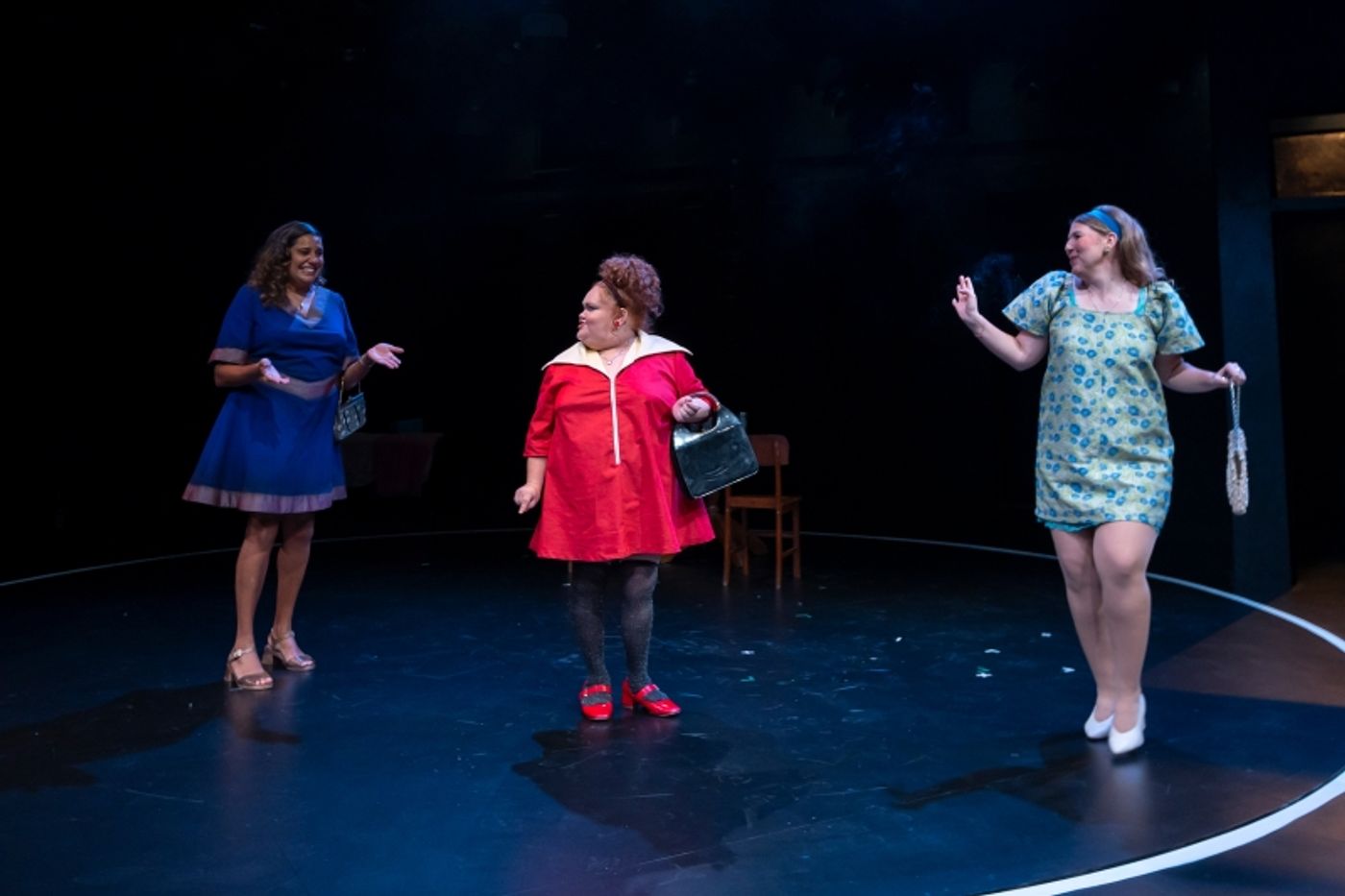
Under Ian Michael’s direction, the talented ensemble’s camaraderie and enthusiasm shine through—many of the cast have delivered standout performances in past productions. However, the direction here leans heavily into a soap-opera style: with shouting to convey anger, long speeches in place of dialogue, and dramatic stares to signal emotional weight. The two romantic subplots are somewhat predictable, and the character’s emotional chemistry is yet to spark.
Combined with the over-explaining of emotions, this approach flattens the dramatic impact and leaves little room for the audience to connect with the characters on a deeper level.
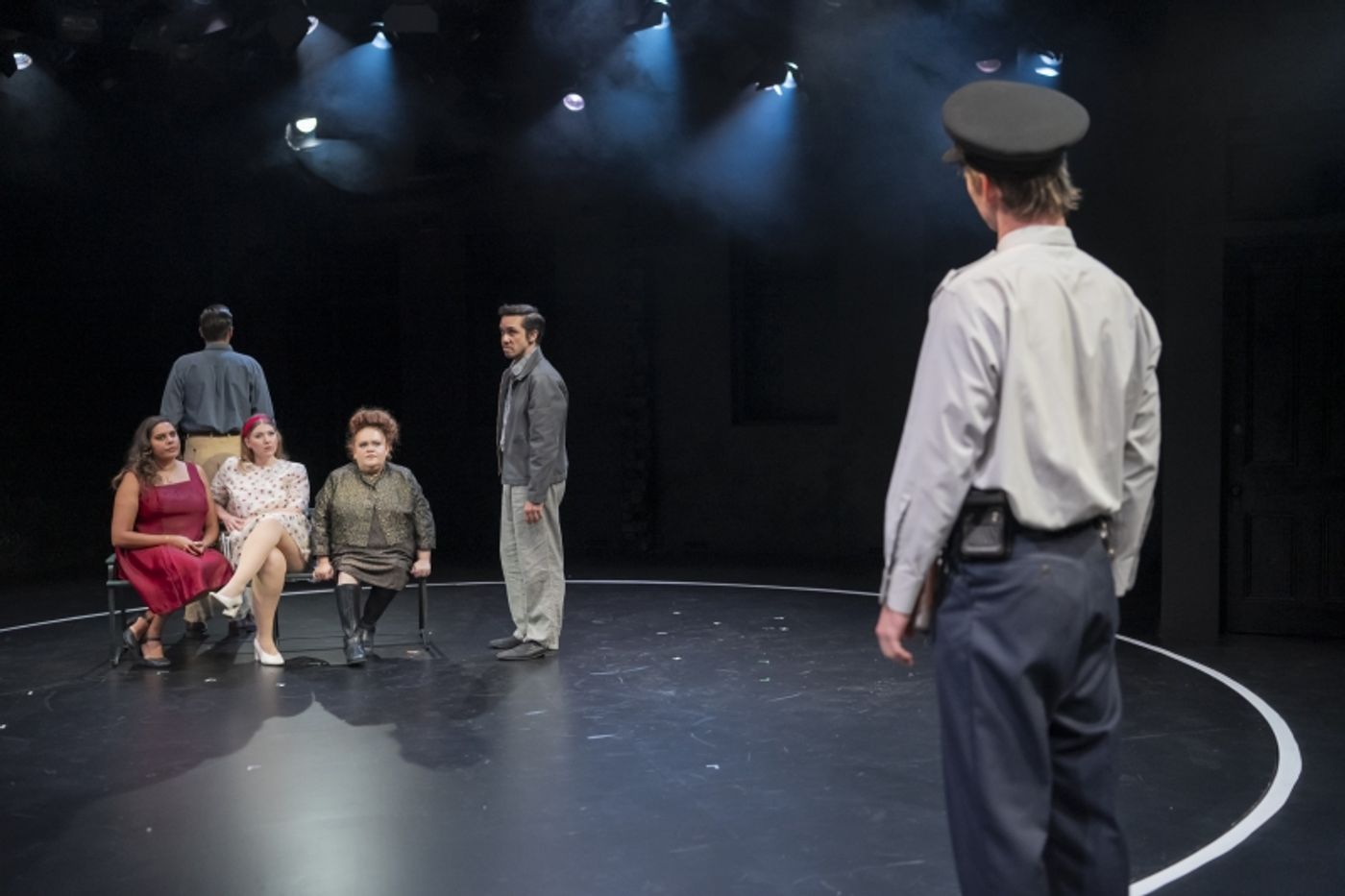
As set designer, Steven Curtis also delivers a clever and effective rotating stage that keeps the narrative moving through well-choreographed blocking. However, the creaky noises from the stage were a bit distracting.
While this is a story that absolutely deserves to be told, it treads familiar ground already explored in Australian arts. A fresher, more inventive approach might have made it more engaging for a broader audience. That said, this production feels ideal for educational settings—a melodramatic but accessible account of Australia’s checkered past that resonates with younger viewers. It helps sustain community memory of historical injustices, while connecting them to the ongoing struggles still faced by many today.
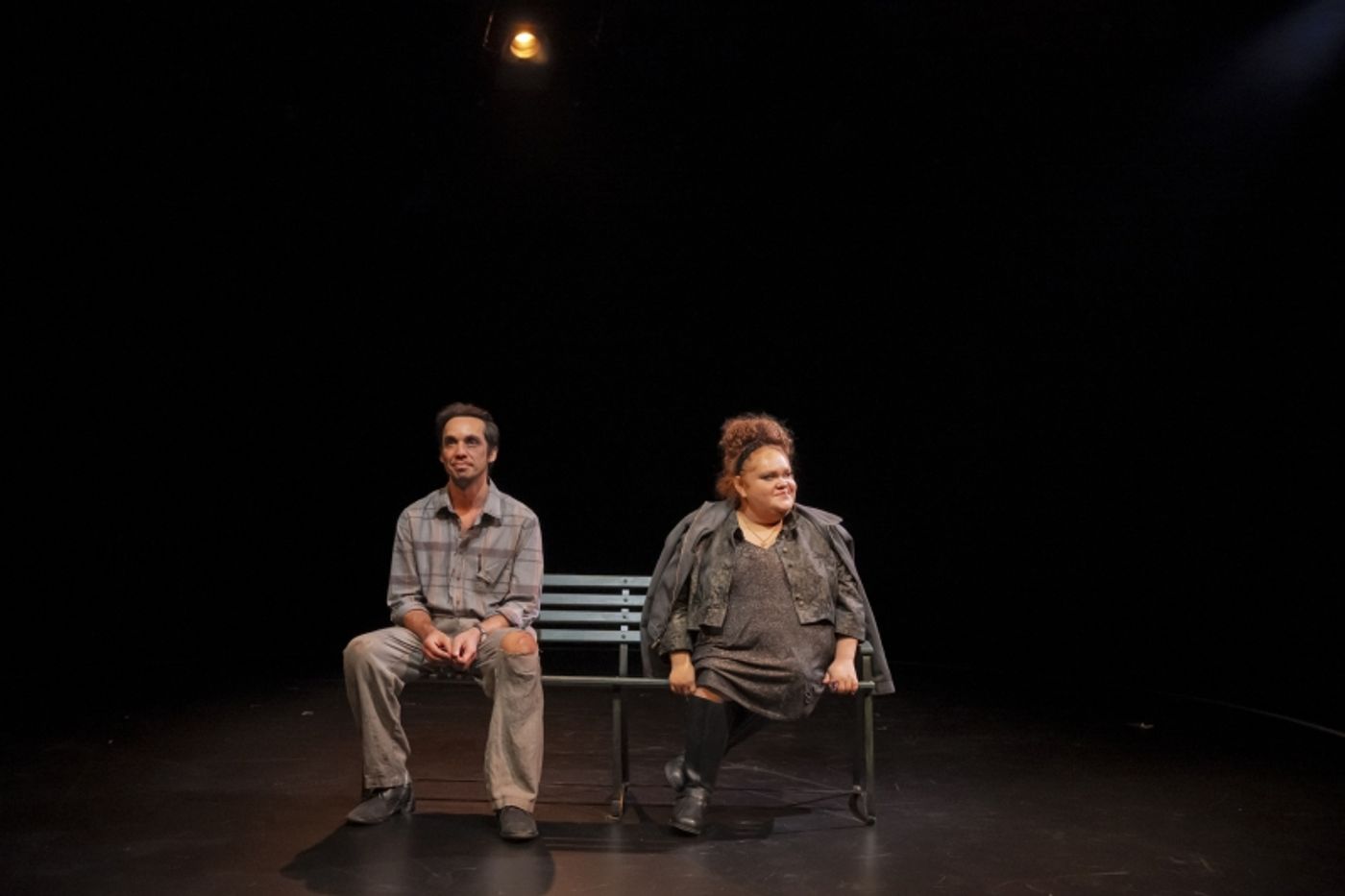
PRODUCTION STILLS - By Stephen Wilson Barker
5-27th Apr 2025 Upstairs Theatre
Cast
Stephanie Somerville
Megan Wilding
Dalara Williams
Bryn Chapman Parish
Mathew Cooper
Nic English
Guy Simon
Creatives
Stephen Curtis - Set Designer
Lighting Designer - Kelsey Lee
Composer and Sound Designer - Brendon Boney
Costume Designer - Emma White

|
A Beautiful Noise Sydney Lyric Theatre (11/14-12/20) |

|
Weddings and Parties Over Coffee Wesley Music Centre (8/11-8/11) |
|
Live at Lunch - Birdsong, Sky and Flutes The Concourse Concert Hall (9/02-9/02) |
|
Cabaret, Cocktails and Karaoke Seymour Centre (8/28-8/28) |
|
Monty Python's Spamalot Sydney Event Centre - The Star (10/15-10/18) |
|
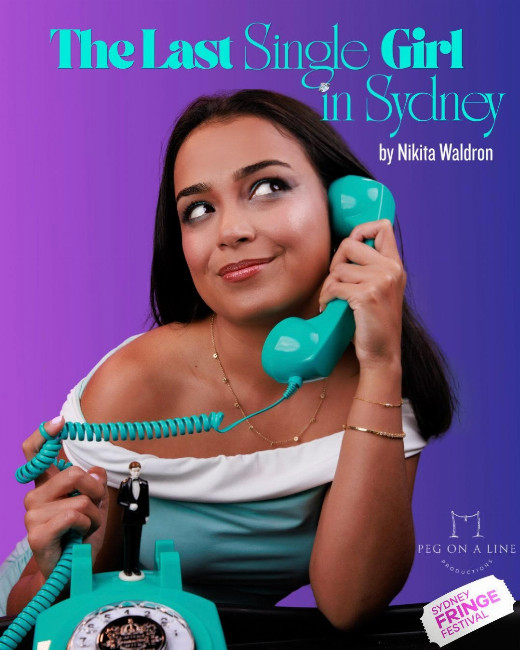
The Last Single Girl in Syndey Erskineville Town Hall - Emerging Artist Share House - The Living Room (9/08-9/12) |

|
Mum Club Griffin Theatre Company (8/22-9/20) |
|
Rigoletto Joan Sutherland Theatre, Sydney Opera House (7/21-8/21) |

|
Captain Corelli's Mandolin Genesian Theatre (9/04-10/10) |
|
The Merry Widow Joan Sutherland Theatre, Sydney Opera House (7/08-8/18) |
Reader Reviews
To post a comment, you must register and login.