


EDINBURGH 2025: A Small Town Northern Tale Q&A
A Small Town Northern Tale runs at Edfringe 31 July - 24 August
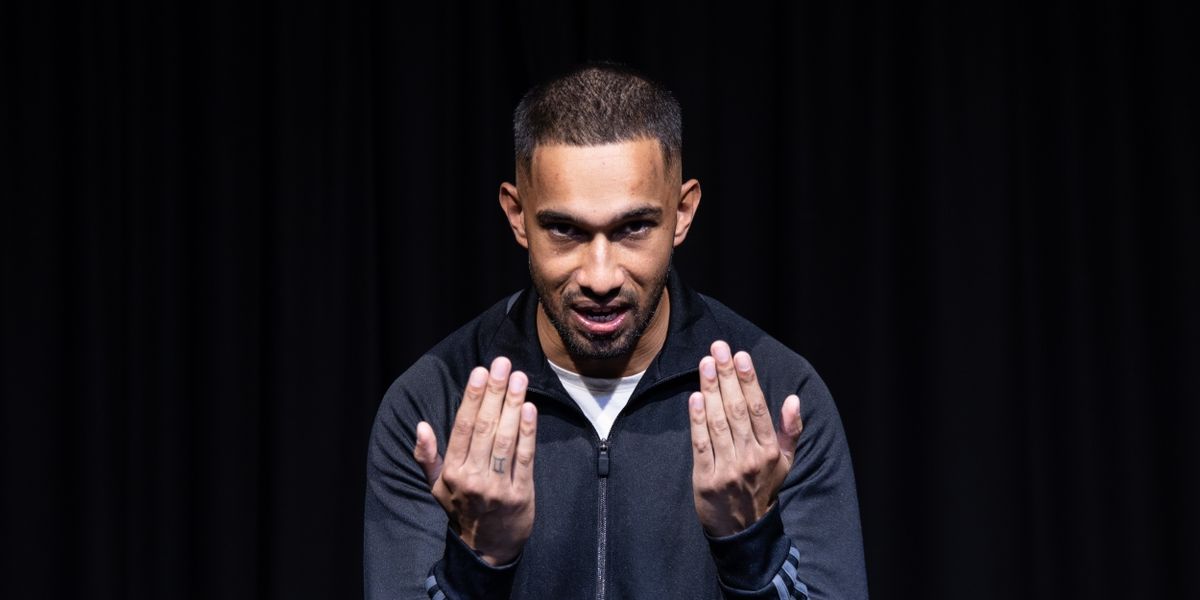
BWW caught up with Nathan Jonathan to chat about bringing A Small Town Northern Tale to the 2025 Edinburgh Festival Fringe.
Tell us a bit about A Small Town Northern Tale.
A Small Town Northern Tale is a Y2K-drenched, one-person comedy-drama about growing up mixed-race in a small, predominantly white, working-class Northern town in the early 2000s. It’s raw, ridiculous, and deeply personal — based on my own (often turbulent) upbringing.
The idea first came to me a few years ago while rewatching A Bronx Tale — a classic coming-of-age story. And I thought, where’s the version of this that speaks to me? Y2K. Northern England. Working-class. Mixed-race. I didn’t see that story growing up… so I wrote it!
On stage, I play every character — from school bullies to a first-generation Jamaican grandfather, to a very tired mum — and the story weaves together humour, heartbreak and nostalgia to ask what it means to grow up where you don’t quite fit.
There’s MSN Messenger. There’s lads mags. There’s a kid trying to figure out who he is in a world that doesn’t quite know what to do with him.
It’s for anyone who’s ever felt like the odd one out — and survived.
Why did you feel it was important to tell this story?
Because I never saw this version of growing up. Not on stage. Not on screen.
I grew up mixed-race in a small Northern town, and I was always the “only one” — the only Black kid in the room, in the class, on the estate. That sense of not belonging shaped everything. And I wanted to explore that — to hold it up to the light and ask what it really means to come of age when the world doesn’t quite make space for you.
But I didn’t want to write a tragedy. I wanted to write something full of humour, resilience, and heart. Something that captured both the isolation and the joy — the weird, messy, hilarious parts of growing up.
We look back at the early 2000s through rose-tinted glasses — the hiss of a dial-up modem, the school discos, the Nokia ringtones — but underneath all that was casual racism brushed off as banter, and rigid ideas about masculinity and “manning up.” Beneath it all was a sea of working-class kids trying to find meaning in places that had very little to offer.
I wanted to show all of that. The contradiction. The chaos. The truth of it all.
How crucial is the time period it’s set in to the story?
Massively. The early 2000s aren’t just a backdrop — they’re baked into the DNA of the play.
It was a funny old time in the UK… Post-Britpop, pre-social media. The internet was still stumbling into existence, and your sense of self was shaped by what was on the cover of FHM or who had you in their Bebo Top 16. We look back on it with nostalgia — but it was full of contradictions.
Casual racism was brushed off as “banter.” Misogyny was mainstream. Masculinity was rigid and performative — all “man up” with no space to feel anything real. And while domestic violence was rightly condemned, it wasn’t openly talked about — especially in working-class communities. It was something that happened behind closed doors. Pushed under the rug. That silence is part of the story too.
Setting the play in that era lets me dig into how all of that — the stuff we laughed at, ignored, or didn’t yet have language for — shaped a generation of young people trying to figure out who they were. Especially if, like me, you were growing up mixed-race and working-class in a place that didn’t quite know what to do with you.
It’s not just a time period — it’s the pressure cooker that forged the story.
Who would you recommend comes to see it?
- Anyone who’s ever felt like the odd one out, or felt like ‘the only’ in the rooms they were in growing up (or still to this day!)
- Any and all millennials who grew up in the 2000s — this one’ll hit you right in the dial-up modem
- Anyone who loves a coming-of-age story with heart, humour, and a bit of bite
- It’s for people who want to revisit the early 2000s — to re-inhabit that world of dial-up tones, school corridors, and MSN chats — but also to look at it with a more honest eye. To ask: what was really going on beneath the nostalgia? What did that era teach us about race, gender, class, and identity?
What would you like audiences to take away from it?
That not fitting in isn’t a failure — it’s freedom.
I want people to walk away knowing that being the odd one out — in your town, your school, your family — doesn’t mean you’re the problem. It means you’ve got something the world hasn’t caught up with yet.
This show’s about growing up when you don’t quite fit the mould, but still finding your voice — slowly, awkwardly, loudly.
I hope people leave feeling seen, maybe a bit rattled…
And if you go home and dig out a burnt CD labelled “Summa Bangaz ‘04” in Sharpie, reminisce about Blockbuster trips being the weekend highlight, and think about who made your MySpace Top 8 — even better.
Photo credit: Charlie Lyne
Get Broadway News on WhatsApp
Receive the latest updates, breaking news, and exclusive coverage from Broadway directly in WhatsApp.

|
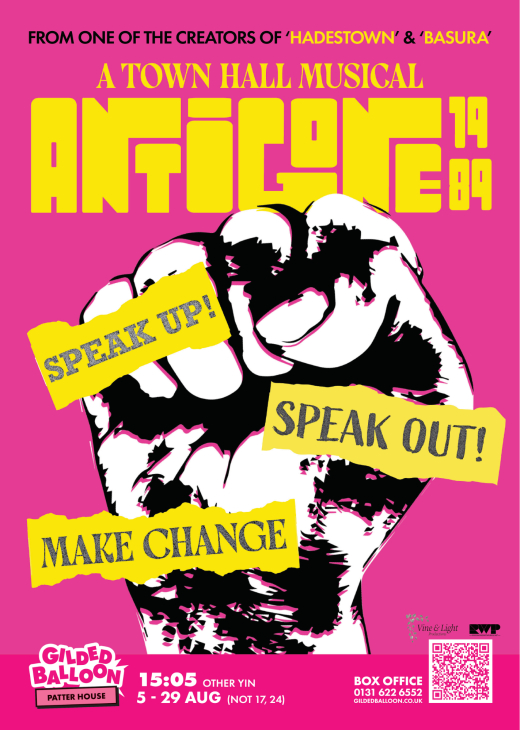
Antigone 1989: A Town Hall Musical Gilded Balloon Patter House (8/05-8/29) |
|
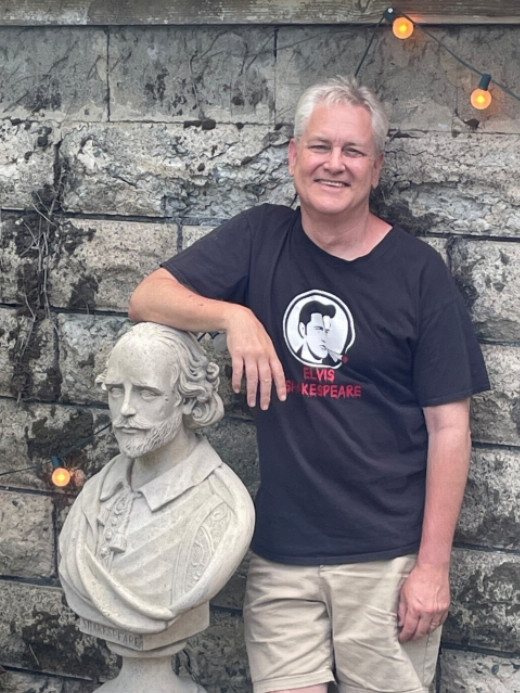
Elvis in Chaos Lime Studio at Greenside @ George Street (8/07-8/15) |
|
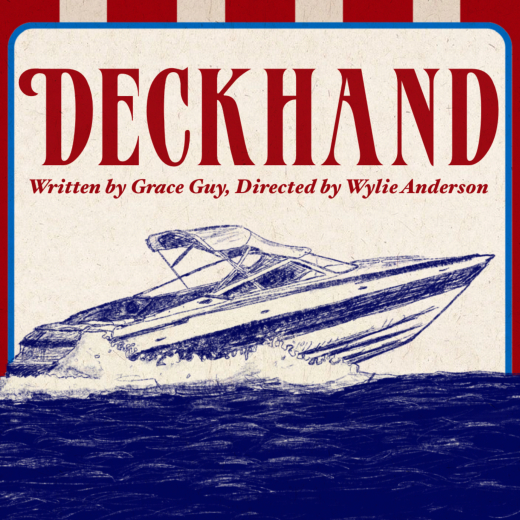
DECKHAND theSpace @ Niddry Street (8/24-8/29) |
|
Parkies TheSpace @ Surgeons Hall (8/07-8/29) |
|
Suitcase Show Assembly Roxy (8/05-8/30) |
|
The New Year Lime Studio Greenside@George Street (8/07-8/15) |
|
The Trials of Magnus Coffinkey Summerhall (8/06-8/31) |
|
Overtone Pleasance (Jack Dome) (8/05-8/30) |
|
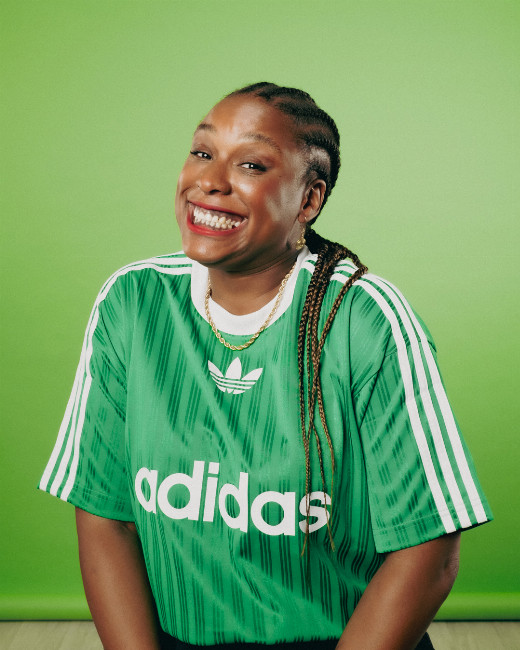
Sapphire McIntosh: Squeaky Bum Time Unerbelly Bristo Square - Daisy Room (8/05-8/30) |
|
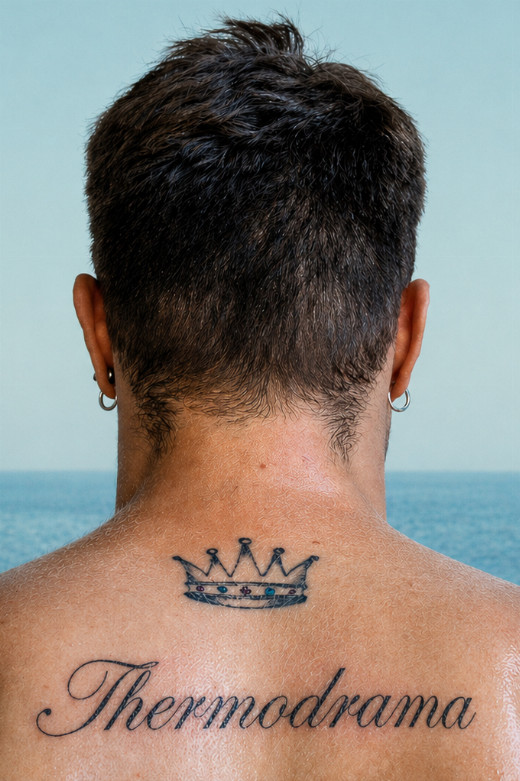
Thermodrama Summerhall (8/07-8/31) |